
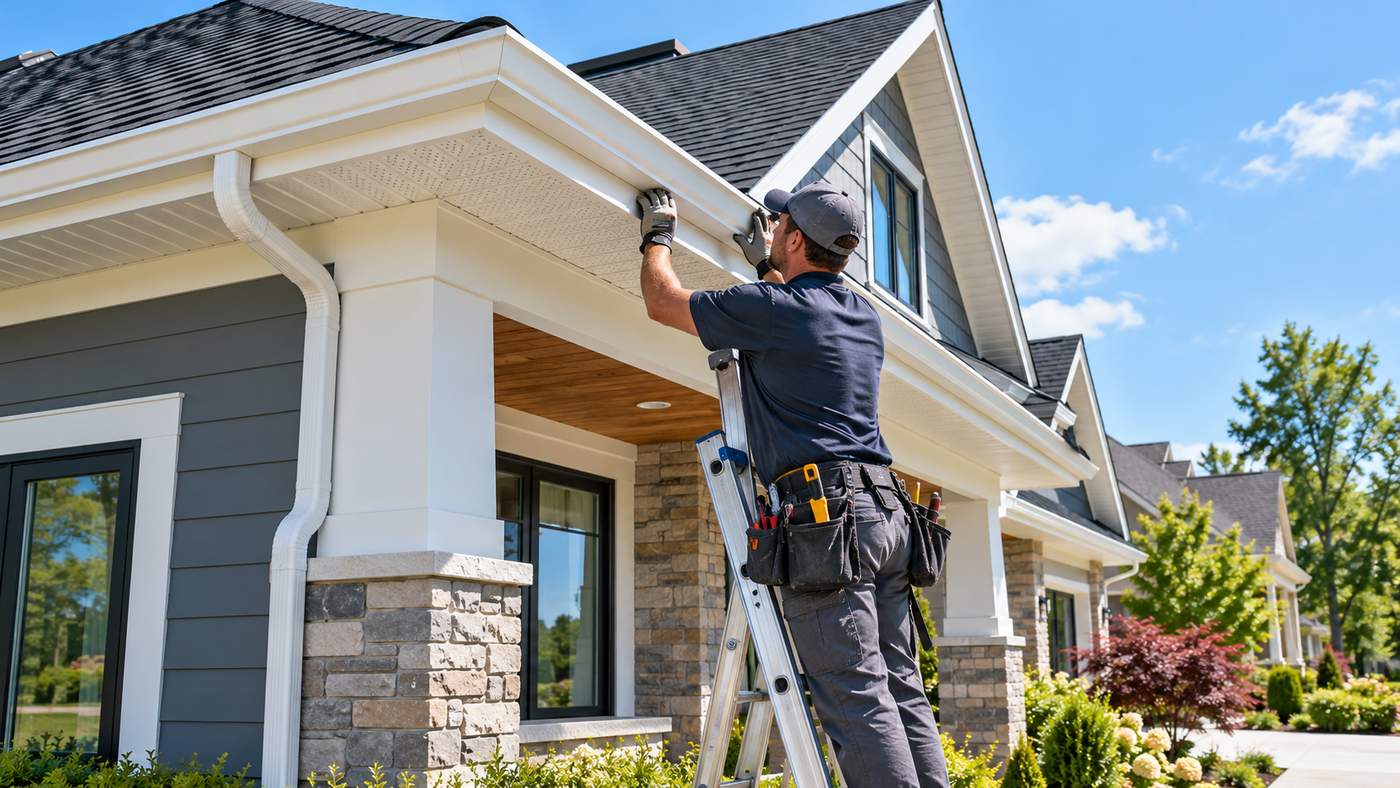
The exterior of a home is made up of several interconnected components that work together to protect the structure from moisture, weather exposure, pests, and everyday deterioration. While homeowners commonly pay close attention to roofing, siding, gutters, windows, and doors, the areas located around the roof edge are equally important to the overall performance and appearance of the property. Soffits and fascia help create a finished roofline while also supporting important functions related to ventilation, moisture management, and gutter installation. Because these components are continuously exposed to rain, wind, sunlight, changing temperatures, falling debris, and other environmental conditions, they can eventually develop damage that affects both appearance and performance. Cracking, warping, staining, peeling, sagging, and soft or deteriorated sections may indicate that the materials have been exposed to moisture or other conditions for an extended period. Addressing these problems through proper inspection and professional repair or replacement can help homeowners protect the surrounding roofing system and prevent relatively small exterior concerns from developing into more extensive property damage.
Understanding the Purpose of Soffits and Fascia
Soffits and fascia serve different purposes, but they work together as important parts of the roof-edge system. Soffits are generally installed underneath the roof overhang and provide a finished surface between the exterior wall and the edge of the roof. Depending on the design of the property, soffits may contain ventilation openings that allow fresh air to enter the attic space. Proper airflow can help regulate attic conditions by allowing heat and moisture to move through the ventilation system. Fascia, on the other hand, is installed along the lower edge of the roof and is visible from outside the property. It provides a finished transition between the roof and the exterior walls and commonly serves as an attachment area for gutters. Because both components are positioned along areas where water can potentially collect or move, their condition can have an important relationship with the performance of the roofing and drainage systems. Damage to these materials should therefore not always be treated as a purely cosmetic concern, particularly when signs of moisture intrusion, deterioration, or structural weakness are present.
Recognizing Signs of Damage
Identifying deterioration early can help homeowners address exterior problems before they become more complicated. Some signs of soffit and fascia damage are easy to notice, while others may require a closer inspection by an experienced professional. Visible cracks, holes, discoloration, peeling paint, warped sections, sagging materials, loose panels, and gaps around the roof edge can all indicate that the exterior components are no longer performing as intended. Water staining can be particularly important because repeated moisture exposure may gradually weaken materials and create conditions that encourage further deterioration. Homeowners may also notice that gutters appear to be pulling away from the roofline or that certain sections of the exterior look uneven. These symptoms can have several possible causes, including damaged roofing materials, blocked gutters, improper drainage, age-related deterioration, or previous weather exposure. Instead of assuming that the visible component is the only problem, it is generally more useful to evaluate the surrounding roof edge and determine whether the damage is isolated or connected to another exterior issue.
Why Professional Inspection Is Important
Exterior deterioration is not always limited to the surface material that can be seen from the ground. Moisture that enters through damaged roofing, flashing, or improperly functioning gutters can sometimes travel behind visible materials and affect the underlying structure. As a result, replacing only the visibly damaged section without determining how the damage developed may not fully address the problem. A professional inspection provides an opportunity to examine the condition of the soffits, fascia, roofing materials, gutters, siding, and other connected components. This broader evaluation can help identify whether water is being directed properly, whether ventilation openings are functioning as intended, and whether underlying materials show signs of deterioration. Professional inspections can be especially useful after severe weather because wind, hail, and falling debris may affect several exterior components at the same time. A thorough evaluation can help homeowners understand the condition of the property and make more informed decisions about necessary repairs or replacement work.
When Replacement May Be Necessary
Not every damaged soffit or fascia section automatically requires complete replacement, as minor issues may sometimes be repaired when the surrounding material remains strong and stable. However, replacement can become a more appropriate solution when deterioration is widespread, materials have lost their structural integrity, or repeated repairs are no longer providing a dependable result. Homeowners considering soffit and fascia replacement should have the surrounding roof edge evaluated rather than focusing exclusively on the visibly damaged portion. Extensive moisture damage, severe warping, widespread cracking, rotting materials, loose sections, and persistent deterioration may indicate that replacement is more practical than repeatedly repairing individual areas. The correct approach depends on the type of material, the age and condition of the existing installation, the cause of the damage, and the condition of nearby roofing and exterior components. A professional assessment can help determine whether selected sections can be repaired or whether a more comprehensive replacement is appropriate for maintaining the integrity and appearance of the roofline.
The Relationship Between Fascia and Gutters
Fascia and gutters are closely connected because gutters are commonly installed along the roof edge and secured to or near the fascia. The gutter system is responsible for collecting rainwater from the roof and directing it toward downspouts, where it can be carried away from the building. When fascia becomes weak or deteriorated, it may affect the ability of gutters to remain securely attached. Loose gutters can begin to sag, pull away from the roofline, or develop gaps that allow water to escape in areas where it should not. At the same time, improperly functioning gutters can contribute to fascia deterioration by allowing water to repeatedly overflow or remain against the material. This creates a cycle in which one exterior problem can contribute to another. For this reason, homeowners dealing with damaged fascia should also have the gutter system evaluated, particularly when there are signs of overflowing water, loose fasteners, sagging sections, or staining around the roof edge. Addressing connected problems together can provide a more reliable long-term solution than treating each component as an entirely separate issue.
Supporting Proper Roof Ventilation
Soffits can play an important role in attic ventilation when they are designed with intake openings that allow air to enter the attic. Ventilation systems typically work by allowing fresh air to enter through intake areas while warm or moist air exits through appropriate exhaust points. When soffit vents become blocked, damaged, or improperly covered, the intended airflow may be affected. Excessive heat and moisture within an attic can contribute to unfavorable conditions for roofing materials and other components of the building envelope. During an exterior inspection, it can therefore be useful to consider the condition of the soffits together with the overall roof ventilation system. Replacing damaged soffit materials provides an opportunity to make sure ventilation openings are properly maintained and compatible with the design of the roofing system. This does not mean every soffit requires ventilation, since designs vary between properties, but where ventilation is part of the system, maintaining unobstructed and properly functioning intake areas can support the overall performance of the roof assembly.
Selecting Suitable Materials
The materials used for soffits and fascia can influence the appearance, maintenance requirements, durability, and overall performance of the finished exterior. Different properties may use different materials depending on their architectural design, existing siding and roofing products, environmental exposure, and homeowner preferences. When replacement materials are selected, it is important to consider more than simply choosing a product that fills the damaged area. The new materials should work appropriately with the existing exterior and provide a finished appearance that complements the roof, siding, gutters, and other visible components. Color, texture, profile, ventilation design, and installation method can all influence the final result. Proper installation is equally important because even high-quality materials may not perform effectively if they are installed over damaged underlying surfaces or without addressing moisture-related problems. A professional installation can help ensure that replacement materials are securely positioned, properly aligned, and integrated with surrounding exterior components while allowing ventilation and drainage features to function as intended.
How Roofing and Siding Affect Roof Edge Conditions
The condition of soffits and fascia should be considered alongside the roofing and siding because all of these components contribute to the overall protection of the home. Roofing materials provide the primary protective layer above the structure, siding helps shield exterior walls, gutters control water runoff, and soffits and fascia help complete and protect the roof edge. A problem in one area can sometimes contribute to deterioration in another area. For example, a roof leak may allow moisture to reach fascia materials, while a gutter problem may repeatedly expose the roof edge to water. Damaged siding near the roofline may also create additional pathways for moisture intrusion. Looking at these components as a connected exterior system allows homeowners to better understand the source of deterioration and determine which repairs are necessary. Coordinating roofing, siding, gutter, soffit, and fascia work can also help create a more consistent finished appearance while reducing the possibility of leaving related problems unresolved.
Storm Damage and Exterior Components
Severe weather can cause damage to many parts of a property at the same time, even when the roof appears to be the primary concern. Strong winds can loosen fascia or soffit sections, hail can damage exterior surfaces, and falling branches or other debris can crack, dent, or puncture materials around the roofline. Storm-related damage may not always be immediately obvious, especially when it occurs in areas that are difficult to see from the ground. Homeowners may notice loose materials, unusual staining, displaced panels, damaged gutters, or other changes after a major weather event, but determining the full extent of the damage may require a professional inspection. Checking the soffits and fascia as part of a broader post-storm evaluation can help identify problems that might otherwise remain unnoticed. Prompt attention can also help reduce the possibility of water entering through damaged areas during subsequent rainfall. A comprehensive inspection can evaluate the condition of roofing, gutters, siding, and other exterior components so that homeowners have a clearer understanding of the work that may be required.
Maintaining the Roof Edge After Repairs
Proper maintenance after exterior repairs can help preserve the condition of the roofline and reduce the likelihood of recurring problems. Homeowners should periodically examine visible portions of the exterior for changes such as staining, cracking, sagging, loose materials, or signs of moisture. Gutters and downspouts should be kept reasonably clear so that rainwater can flow away from the roof efficiently instead of overflowing against fascia and soffit areas. After significant storms, it can also be useful to inspect the property for visible changes and arrange a professional evaluation if anything appears damaged or out of place. Maintenance should also include attention to nearby roofing and siding because deterioration in those areas can eventually affect the roof edge. Keeping the entire exterior in good condition creates a more effective approach to preventing moisture-related damage and maintaining the appearance of the property over time. When unusual symptoms appear, addressing them promptly is generally preferable to allowing a small issue to remain exposed to repeated weather conditions.
A Complete Approach to Exterior Protection
Maintaining soffits and fascia is most effective when these components are considered part of the home’s complete exterior system rather than as isolated decorative features. Roofing, gutters, siding, ventilation, flashing, soffits, and fascia all have connected roles in managing weather exposure and protecting the structure. When these components are properly maintained, they can work together to help direct water away from vulnerable areas, support appropriate attic airflow where applicable, and reduce opportunities for moisture to reach underlying materials. A professional evaluation can help identify whether deterioration is caused by normal aging, weather exposure, drainage problems, roofing issues, or another underlying condition. This information allows homeowners to address the actual source of the problem rather than repeatedly repairing visible symptoms. For properties with aging exterior materials or a history of storm exposure, regular inspections can be particularly useful because developing issues may be easier and less disruptive to address before they become extensive.
Long-Term Benefits of Proper Replacement
Investing in quality soffit and fascia replacement can provide benefits that extend beyond improving the appearance of the roofline. New materials can help restore areas that have become cracked, warped, loose, or deteriorated while supporting the proper integration of gutters, roofing, and exterior finishes. When replacement work is completed correctly, it can also provide an opportunity to address underlying conditions that contributed to the original deterioration. This is especially important when moisture has affected the materials behind the visible soffit or fascia. Simply covering damaged areas without addressing the source may allow the same problem to continue. Professional replacement should therefore include appropriate evaluation of surrounding materials and consideration of drainage, ventilation, fastening, and weather exposure. By taking a complete approach, homeowners can improve both the appearance and functional condition of the roof edge while reducing the possibility of recurring exterior problems.
Conclusion
Soffits and fascia are important components of a home’s exterior because they contribute to the finished appearance of the roofline while supporting ventilation, gutter installation, moisture management, and protection from environmental exposure. Damage can develop gradually as a result of age, moisture, poor drainage, severe weather, or problems with surrounding roofing and exterior components. Visible signs such as cracking, staining, sagging, warping, holes, and loose materials should not be ignored because they may indicate deterioration beyond what can be seen from the ground. A professional inspection can help determine the extent of the problem and identify whether repair or replacement is the most appropriate approach. When replacement is necessary, selecting suitable materials and ensuring proper installation can help restore the condition of the roof edge and allow connected systems to function more effectively. With regular maintenance, appropriate inspections, and timely soffit and fascia replacement, homeowners can take a proactive approach to maintaining a durable, attractive, and well-protected exterior.
