
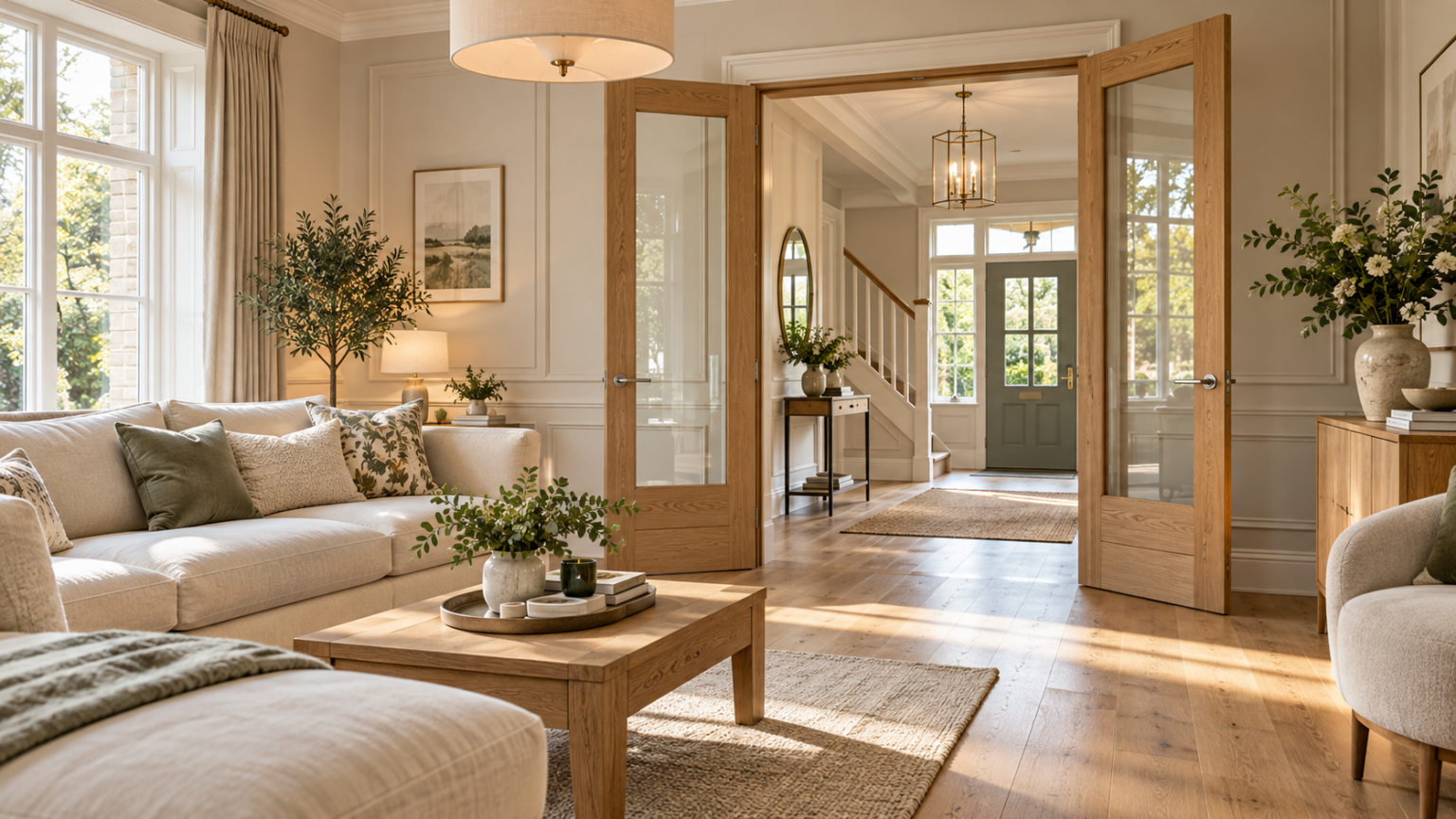
Natural light, comfortable living spaces, and thoughtful interior design can make a significant difference to how a home looks and feels. Whether renovating a traditional British property or creating a contemporary open-plan interior, choosing the right doors is an important part of the design process. High-quality internal glazed doors combine the practicality of separating rooms with the visual benefits of glass panels, allowing daylight to travel between connected spaces while maintaining clearly defined living areas.
Many UK properties contain rooms that receive limited direct sunlight. Narrow hallways, north-facing living rooms, and older homes with enclosed layouts can sometimes feel darker than expected. Replacing a suitable solid internal door with a glazed alternative may help distribute existing daylight more effectively.
However, selecting the ideal door involves more than choosing an attractive design. Glass type, frame material, privacy, safety, dimensions, and compatibility with the surrounding interior all deserve consideration.
With careful planning, glazed doors can become a valuable architectural feature that complements a home’s character, improves visual connections, and supports practical everyday living.
Why Are Internal Glazed Doors Becoming Popular in UK Homes?
Homeowners increasingly want interiors that feel connected without sacrificing the individual purpose of each room.
Open-plan spaces provide visual openness, but they are not always ideal for every household. Cooking smells, background noise, temperature differences, and conflicting activities can make fully open layouts less convenient.
Internal glazed doors offer a middle ground.
They allow rooms to remain physically separated while creating a visual connection through transparent or translucent glass.
This combination is particularly attractive in homes where a kitchen, dining room, living room, or hallway needs to feel more spacious without removing existing partitions.
Combining Traditional and Modern Interior Design
Glass panel doors are not limited to contemporary properties.
Traditional timber doors with glazed panels can complement Victorian terraces, Edwardian houses, rural cottages, and period-inspired interiors.
Meanwhile, minimalist designs with slim frames and large glass sections suit modern apartments and recently renovated family homes.
The versatility of glazed interior doors allows homeowners to select styles that reflect the architecture of their property.
Making Better Use of Existing Daylight
One of the most practical advantages is the ability to transfer light between connected rooms.
A hallway without windows may receive additional daylight from a bright living room through a clear glazed door.
Although a glazed door cannot generate sunlight or replace a window, it can make more effective use of light already entering the home.
This benefit becomes especially noticeable where traditional solid doors would otherwise block the view and light transmission.
1. Internal Glazed Doors Help Maximise Natural Light
Daylight influences the visual character of a room, the appearance of interior finishes, and how welcoming a space feels.
A room that receives light from several directions may appear brighter and more connected to adjacent areas.
Internal glazed doors help achieve this effect by allowing light to pass through the doorway even when the door is closed.
Brightening Dark Hallways
Hallways are often among the darkest spaces in British homes.
Many are positioned between rooms or beneath staircases, with little opportunity for direct natural light.
A glazed door connecting the hallway to a brighter room can help introduce borrowed daylight.
For example, replacing a solid living room door with a clear glass-panel design may allow sunlight from the living room windows to reach the entrance hall.
The improvement depends on window orientation, room layout, surrounding finishes, and the amount of glazing.
Connecting Kitchens and Dining Rooms
Kitchens and dining rooms are often located next to each other, making them suitable candidates for glazed internal doors.
A transparent door allows the areas to remain visually connected while retaining the option to close off cooking activities.
This approach works particularly well in homes where a kitchen receives strong daylight through garden-facing windows.
Some of that light can reach the adjacent dining area through the glazed panels.
Enhancing Smaller Rooms
Small rooms can feel confined when their boundaries are visually solid.
A glazed door can make the adjoining space visible, creating a greater sense of openness.
This does not increase the actual floor area, but it may improve the perceived depth and visual continuity of the interior.
Choosing Clear or Frosted Glass for Light
Clear glass generally offers the strongest visual connection between rooms.
Frosted or obscure glass can also transmit daylight, although its appearance and light transmission vary according to the specific glazing product.
Homeowners should examine samples rather than assuming every decorative glass option performs identically.
The best choice depends on whether brightness, privacy, or a balance of both is the priority.
2. Glazed Interior Doors Create a Sense of Space Without Removing Walls
Creating a more spacious home does not always require major structural changes.
Removing walls can involve significant building work, disruption, and expense, particularly when structural alterations are necessary.
Installing an appropriately sized glazed door may be a simpler way to improve the visual relationship between existing rooms.
Preserving Separate Living Areas
A family might prefer to keep the lounge separate from the dining room while still maintaining a connected feel.
Glass panel doors allow people to see between the two areas without creating a permanently open passage.
This offers flexibility for different daily activities.
The living room can remain a place for relaxation while the dining room serves a separate purpose.
Improving Visual Flow
Visual flow refers to how comfortably the eye moves through connected interior spaces.
When adjoining rooms share complementary finishes, glazed doors can help maintain that connection.
For example, oak furniture, neutral wall colours, and warm flooring may appear more cohesive when visible through a timber-framed glass door.
The glazing creates continuity while preserving the physical separation between rooms.
Supporting Flexible Home Layouts
Households often need spaces to serve different purposes throughout the day.
A dining room may double as a temporary workspace, while a living room may be used for family activities.
Glazed doors provide visual openness when desired and separation when activities require distinct spaces.
This flexibility is particularly useful in properties where creating additional rooms is impractical.
Considering Privacy and Distraction
Transparency is not ideal in every situation.
If a room is used for confidential meetings, concentrated work, or private family activities, clear glass may create unwanted distractions.
Frosted, reeded, or partially glazed alternatives may offer a more practical compromise.
The aim is to improve the space for the people who actually use it, not simply maximise the amount of visible glass.
3. Internal Glazed Doors Add Character to Different Interior Styles
Doors occupy a noticeable position in many rooms and corridors.
Their colour, material, glazing arrangement, and hardware can influence the surrounding interior.
Internal glazed doors are available in a range of designs, allowing them to complement both classic and contemporary properties.
Oak Glazed Doors for Warm, Traditional Interiors
Oak is a popular choice for homeowners who prefer natural wood tones and visible grain patterns.
Oak glazed doors can complement traditional fireplaces, timber flooring, neutral fabrics, and classic furniture.
They can also work in modern interiors where natural materials soften otherwise minimalist surroundings.
Oak-veneered and solid oak products differ in construction, appearance, care requirements, and price.
Buyers should confirm the actual product specification rather than assuming every oak-finished door is made entirely from solid timber.
White Glazed Doors for Fresh, Bright Spaces
White glazed doors are often selected for interiors with light walls and contemporary finishes.
They can create a clean appearance without introducing a strong contrasting colour.
In smaller rooms, white door frames may blend into the surrounding walls, allowing the glass panels to become the main visual feature.
White doors are also adaptable because they can complement a wide range of flooring materials and furniture colours.
Black-Framed Doors for Industrial Design
Black internal glazed doors can create a bold architectural contrast.
Designs with multiple glass sections and dark frames are particularly suited to industrial-inspired or contemporary interiors.
They can complement exposed brickwork, concrete-effect finishes, dark metal hardware, and modern lighting.
However, dark frames may feel visually dominant in some small or heavily decorated rooms.
The correct proportions are important.
Walnut Glazed Doors for Richer Interiors
Walnut-effect and walnut-veneered doors can introduce deeper tones into a living space.
They work well with carefully chosen neutral walls, soft lighting, and complementary wooden furniture.
A darker door can provide an attractive contrast against pale surroundings.
For a coordinated appearance, homeowners should compare wood samples with existing flooring and cabinetry.
Contemporary Minimalist Glazed Doors
Minimalist interiors often favour simple proportions, understated hardware, and large uninterrupted glass panels.
These designs can create an elegant appearance without competing with other architectural details.
Their effectiveness comes from careful sizing, clean lines, and suitable materials rather than excessive decoration.
4. Different Glazing Options Help Balance Light and Privacy
Choosing the right glass is just as important as selecting the door frame.
The glazing determines how clearly people can see through the door, how daylight travels between rooms, and how the overall design appears.
Different rooms may require different solutions.
Clear Glass Internal Doors
Clear glass provides an unobstructed view between connected rooms.
It is particularly suitable for living rooms, dining areas, and other spaces where visual openness is desirable.
Large clear panels can also display attractive architectural features in an adjoining room.
However, privacy is limited.
Clear glazing may be less appropriate where occupants need to avoid being observed.
Frosted Glass Internal Doors
Frosted glass is designed to obscure direct views while allowing some daylight transmission.
It can be useful for home offices, utility rooms, and spaces where privacy matters.
The level of obscurity depends on the specific product.
Some finishes allow general shapes and movement to remain visible, especially when people or bright lights are close to the glass.
For this reason, product samples and privacy ratings should be checked before purchase.
Reeded and Fluted Glass
Reeded or fluted glass features a textured surface that changes the appearance of objects viewed through it.
It can introduce visual interest without using coloured patterns or complicated decoration.
These designs are popular in contemporary interiors and can work with timber or dark-framed doors.
The level of privacy varies with the profile, thickness, and glazing construction.
Decorative and Bevelled Glass
Decorative glass can include etched patterns, bevelled edges, and more traditional arrangements.
These styles may complement period properties or interiors with classical detailing.
Homeowners should select a pattern that relates to the surrounding architecture rather than one that appears visually disconnected.
Toughened and Laminated Safety Glass
Safety is particularly important when glass is installed in doors.
Toughened glass is treated to improve its impact performance and generally breaks into many small pieces rather than large sharp shards.
Laminated safety glass contains an interlayer designed to help retain fragments when broken.
The appropriate glass type and performance classification depend on the location, application, and applicable regulations.
A decorative finish does not automatically make glazing safety-rated.
Always check that the door’s glazing is suitable for its intended use.
5. Glazed Doors Offer Practical Solutions for Different Rooms
The best type of glazed door depends on how the room is used.
A door that looks attractive in a dining room may not be appropriate for a bedroom, bathroom, or protected escape route.
Considering the purpose of each space helps avoid expensive mistakes.
Living Room Glazed Doors
Living rooms are among the most suitable spaces for glazed interior doors.
Clear or partially glazed designs can connect the lounge with a hallway or dining room.
In properties with limited daylight, this may make surrounding areas feel more welcoming.
Traditional oak glazed doors can complement classic living room furniture, while white or black styles suit contemporary interiors.
Kitchen Glazed Doors
A glazed kitchen door can help maintain visual contact between cooking and dining areas.
When closed, it may also help limit the movement of some cooking smells and draughts compared with an open doorway.
However, an ordinary interior door does not replace appropriate kitchen ventilation.
Where fire separation is required, the selected door must satisfy the relevant fire-safety requirements.
Home Office Doors
Working from home has increased the importance of creating practical spaces for concentration.
A glazed office door can introduce borrowed daylight while keeping the workspace physically separate from busy household areas.
Frosted or obscure glazing may be useful when privacy is needed.
If noise control is important, homeowners should also evaluate the complete doorset’s acoustic performance.
Ordinary glazed doors are not automatically soundproof.
Dining Room Doors
Dining rooms benefit from doors that make the space feel connected to nearby living areas.
Two-piece French-style glazed door arrangements may create a generous opening between rooms.
For smaller openings, a single glazed door may be more suitable.
The decision should consider available wall space, furniture placement, and the direction in which the door opens.
Bedrooms and Private Spaces
Partially glazed or obscure-glass doors may be appropriate in some bedrooms or dressing rooms.
However, privacy requirements should guide the selection.
Clear glazing can introduce unwanted visibility, particularly at night when the room is illuminated.
Bedrooms also require consideration of any applicable fire-safety arrangements.
Hallways and Landings
Glazed doors can help distribute daylight into enclosed circulation spaces.
These areas may also form part of a protected escape route.
Before replacing an existing hallway or landing door, homeowners should verify whether it must provide a specified level of fire resistance.
Visual improvements should never compromise essential fire protection.
6. The Right Internal Glazed Doors Combine Style With Safety
Glazing safety is a major consideration for UK homeowners.
Doors experience frequent movement and contact, and their glass panels may be positioned where people are likely to collide with them accidentally.
In England, Approved Document K provides guidance on protecting building users against impact with glazing.
It identifies critical locations where additional precautions are needed.
Understanding Safety Glazing Requirements
Approved Document K identifies glass in doors and certain nearby panels as important areas for impact safety.
Its critical-location diagram generally includes door glazing up to 1,500 mm above floor level, glazing within 300 mm of door edges in relevant positions, and certain low-level glazed panels.
The detailed requirements and available compliance methods depend on the exact location and design.
Suitable safety-rated glazing is commonly used to address these risks.
The guidance also recognises other compliant approaches in specified circumstances.
Homeowners should not rely on ordinary decorative glass without verifying its suitability.
Checking Whether a Fire Door Is Required
Not every internal door needs to be fire-rated.
However, certain doors protecting escape routes, connecting particular areas, or forming part of required fire separation must meet applicable fire-resistance requirements.
A standard glazed internal door cannot automatically replace a fire door.
Where a fire-rated door is necessary, the complete assembly must be suitable for the intended application.
This includes relevant glazing, frame, seals, hinges, latches, and other components.
Understanding Glazed Fire Doors
Fire-rated glazed doors are designed and tested to meet specified fire-resistance performance.
They may use specialised fire-resistant glass and associated components.
Products may be described with classifications such as FD30 or FD60, but the designation and actual suitability must be verified through appropriate certification or test evidence.
The amount and arrangement of glazing must also remain within the approved specification.
A fire-rated door should not be modified by cutting a new glass opening unless the modification is expressly supported by appropriate evidence and completed correctly.
Why Professional Installation Matters
A well-manufactured door may perform poorly if incorrectly installed.
Suitable hinges, correct clearances, proper alignment, and secure glazing are essential.
Fire-rated installations have additional requirements that should be followed precisely.
A competent installer can help establish whether the frame, hardware, and surrounding construction are compatible with the chosen door.
Building regulations vary across the UK. Homeowners in Scotland, Wales, and Northern Ireland should check the applicable regional requirements rather than relying solely on guidance for England.
7. Internal Glazed Doors Can Support Long-Term Home Improvement Value
Replacing interior doors can improve the finish and consistency of a renovation.
Although new doors do not guarantee an increase in property value, well-selected products can contribute to a more attractive and functional interior.
The potential benefits depend on quality, design, condition, and suitability for the property.
Creating a Cohesive Interior Scheme
Matching or coordinating internal doors throughout a home can improve visual consistency.
This does not mean every door must be identical.
For example, a homeowner might choose clear glazed doors for shared living spaces and solid doors from the same product range for bedrooms.
Using a consistent finish and hardware style helps connect the different rooms.
Investing in Suitable Construction Quality
A door’s quality depends on several factors, including its core, frame construction, veneer or finish, glazing, and manufacturing standards.
Higher cost does not automatically mean better performance in every situation.
Buyers should compare product specifications, warranty conditions, and the intended level of use.
A frequently used kitchen door may have different requirements from a door installed in an occasional guest room.
Considering Maintenance Requirements
Pre-finished doors can reduce the need for initial decorating.
Primed and unfinished doors may provide greater flexibility when matching an existing colour scheme.
Timber and veneered doors require appropriate care to preserve their appearance.
The manufacturer should provide guidance on cleaning, finishing, and environmental conditions.
Avoiding Unnecessary Renovation Work
Where an existing door opening and frame are suitable, replacing the door leaf may be relatively straightforward.
However, homeowners should verify compatibility before ordering.
Not all new doors can be fitted into old frames without adjustments.
Older properties may have irregular openings, non-standard dimensions, or frames that need replacement.
Accurate measurement and professional advice can help prevent expensive ordering errors.
Popular Types of Internal Glazed Doors in the UK
A variety of configurations are available to suit different openings and interior layouts.
Understanding the differences makes it easier to choose the most practical design.
Fully Glazed Interior Doors
These feature a large glass area within the surrounding frame.
They are suitable where daylight and visual openness are the main priorities.
The frame design can range from classic timber styles to sleek modern finishes.
Half-Glazed Interior Doors
Half-glazed doors combine a glazed upper section with a more substantial solid lower section.
They can suit traditional homes and spaces where partial privacy is desirable.
The lower panel also provides a different visual balance from a fully glazed design.
Four-Panel and Multi-Panel Glazed Doors
These designs use several smaller glass sections arranged within the door.
They can complement period architecture or create a decorative appearance.
The frame arrangement, glass type, and panel proportions determine the overall style.
Internal French Doors
Internal French doors generally use two hinged door leaves.
They can create an attractive connection between dining rooms, lounges, and other shared areas.
Sufficient space must be available for both doors to operate safely.
Sliding Glazed Doors
Sliding doors move along a track rather than swinging into the room.
They can be useful where the layout makes conventional door movement inconvenient.
However, the sliding track, wall structure, and available opening dimensions must be considered.
Glazed Pocket Doors
Pocket doors slide into a cavity within the wall.
They can provide a neat solution in certain compact interiors.
Installation may involve more extensive work than replacing a conventional hinged door.
The wall must be suitable for the required pocket-door system.
How to Measure for Internal Glazed Doors
Incorrect measurements are one of the most common reasons for installation difficulties.
Before ordering, determine whether the project involves replacing only the door leaf or installing a new frame and door together.
Measure the Width
Measure the existing door leaf or the relevant frame opening according to the supplier’s instructions.
When measuring an opening, take readings at several positions because older frames may not be perfectly square.
Do not automatically assume the smallest measurement is the correct order size without allowing for the intended fitting method.
Check the Height
Measure the door height carefully and compare it with available product sizes.
Common UK internal door heights include 1981 mm, while metric ranges may include 2040 mm products.
The available options depend on the manufacturer and range.
Confirm the Thickness
Door thickness matters because it affects compatibility with the existing frame, hinges, and latch.
Common product specifications may include 35 mm, 40 mm, or 44 mm thicknesses.
Fire-rated products often have particular dimensional and installation requirements.
Understand Trimming Allowances
Some internal doors allow limited trimming around their edges.
Others have strict restrictions because of their core construction, glazing arrangement, or fire-rating evidence.
Removing more material than permitted can weaken the product and invalidate manufacturer guidance.
Always confirm the trimming allowance for the exact door before making alterations.
Check the Opening Direction
Consider the direction in which the door will swing and whether it may collide with furniture, radiators, or adjacent doors.
Positioning should allow comfortable movement through the opening.
Accessibility and applicable building requirements may also influence the choice.
How Much Do Internal Glazed Doors Cost in the UK?
The price of internal glazed doors varies according to construction, materials, dimensions, glazing, and decorative finish.
A basic white glazed door and a premium timber door with specialist glass may have very different prices.
Material and Construction
Moulded, veneered, engineered, and solid timber products use different manufacturing methods.
Their prices can reflect material costs, construction complexity, and finish quality.
Compare the full product specification before deciding which option represents the best value.
Glass Type
Clear glass may be more straightforward than some decorative or specialist glazing options.
Frosted, patterned, laminated, and fire-resistant glass can introduce different manufacturing requirements.
However, pricing depends on the specific product rather than the glazing category alone.
Pre-Finished and Unfinished Doors
Pre-finished doors may reduce decorating work after purchase.
Unfinished or primed doors can offer more flexibility for colour matching.
The total project cost should include any additional finishing materials and labour.
Installation and Hardware
Handles, hinges, latches, door linings, and installation costs may be separate from the advertised door price.
Some replacements also require frame repairs or adjustments.
Fire-door installation can involve additional specialist components.
A realistic budget should account for the complete project rather than the door leaf alone.
How to Choose the Best Internal Glazed Doors for Your Home
Choosing between different styles becomes easier when the decision is based on the room’s practical requirements.
Start With the Purpose of the Room
Ask whether the priority is light, privacy, visual connection, decorative character, or a combination of these factors.
For example, a living room may benefit from clear glazing, while a home office might need an obscure finish.
Match the Existing Interior
Review flooring, skirting boards, wall colours, and furniture.
A glazed oak door can coordinate with warm timber tones, while a white door may blend more easily into a neutral room.
The door should complement the surrounding finishes rather than compete with them.
Examine Glass Samples
Product photographs cannot always show the full degree of transparency, texture, or light transmission.
Where possible, inspect glazing samples and completed door displays.
This is particularly valuable for frosted and reeded designs.
Verify Safety and Compliance
Check the safety glazing specification.
If the opening requires a fire-rated door, choose an appropriately evidenced fire doorset and arrange suitable installation.
Never assume a standard decorative glazed door is acceptable for every location.
Consider Long-Term Maintenance
Choose finishes and materials that suit the household.
In a busy family home, ease of cleaning and durability may be more important than achieving a highly decorative appearance.
Ask about recommended cleaning products, finishing schedules, and warranty conditions.
Buy From a Specialist Supplier
A specialist door supplier can provide information about sizes, finishes, glazing options, and manufacturer specifications.
For example, Oakwood Doors offers glazed internal door ranges that include oak, white, and walnut designs, alongside multiple glass and finish choices.
Comparing suitable products helps homeowners make decisions based on more than appearance alone.
Installation and Maintenance Tips for Internal Glazed Doors
Correct installation and maintenance help preserve the door’s appearance and operation.
Allow for Appropriate Acclimatisation
Timber and timber-based products can respond to changes in temperature and humidity.
Follow the manufacturer’s storage and acclimatisation instructions before installation.
Avoid exposing unfinished doors to excessive moisture.
Use Suitable Hinges and Hardware
The number and type of hinges should match the door’s size, weight, and manufacturer’s requirements.
Poorly selected hardware may contribute to sagging or alignment problems.
Handles and latches should be fitted according to the manufacturer’s instructions.
Protect the Glass During Installation
Glazing can be damaged by impact, unsuitable tools, or excessive pressure.
Installers should handle the door carefully and protect exposed surfaces.
If the glass or glazing beads are damaged, obtain professional advice before continuing.
Clean Glass With Appropriate Products
Use a soft cloth and a glass cleaner suitable for the specified glazing finish.
Avoid abrasive pads that may scratch decorative surfaces.
For specialist coatings or patterned glass, follow the manufacturer’s cleaning instructions.
Maintain Timber Finishes
Painted, veneered, and unfinished timber doors have different care requirements.
Avoid prolonged exposure to water and unsuitable cleaning chemicals.
Inspect the edges and finish periodically for signs of damage.
Check Hinges and Door Alignment
A door that begins rubbing against the frame may need adjustment.
Loose hinges and damaged latches should be addressed before the problem becomes more severe.
Fire-rated doors must be maintained according to the requirements of their approved assembly.
Common Mistakes to Avoid When Buying Glazed Internal Doors
Several avoidable mistakes can reduce the success of an interior door renovation.
One is choosing clear glass for a room that requires substantial privacy.
Another is purchasing a door solely because its dimensions appear close to the existing opening without checking frame thickness, tolerances, and permitted trimming.
Homeowners may also overlook the effect of hardware finishes.
A beautifully designed door can look less coordinated when its handles and hinges conflict with the rest of the interior.
A particularly serious mistake is replacing an existing fire-rated door with a non-fire-rated glazed design.
The new product must be appropriate for the location and relevant building requirements.
Some buyers also assume that glazed doors will provide strong sound insulation.
In reality, acoustic performance depends on the complete construction, glazing, seals, and installation quality.
Finally, installation and finishing costs should be included in the initial budget.
Planning reduces the likelihood of unexpected expenses and disappointing results.
Are Internal Glazed Doors Worth the Investment?
Internal glazed doors can be a worthwhile home improvement when they solve a practical problem or enhance an established design goal.
Their strongest advantages include borrowed daylight, visual openness, and the ability to keep connected rooms separate.
They also offer a wide range of design possibilities, from traditional oak panels to contemporary black frames.
However, they are not necessarily the best choice for every opening.
Solid doors may provide better privacy and may suit rooms where visibility is undesirable.
Specialist acoustic or fire-rated doors may be required where performance is more important than appearance.
The most successful projects begin with a clear understanding of how each room is used.
By balancing appearance with safety, privacy, construction quality, and installation requirements, homeowners can choose doors that remain practical well beyond the initial renovation.
Frequently Asked Questions
1. Are internal glazed doors a good choice for small UK homes?
Yes. Internal glazed doors can help distribute daylight between rooms and create a greater sense of visual space without removing existing walls.
2. What is the best glass for internal glazed doors?
Clear glass suits areas where light and visibility are priorities, while frosted or reeded glass can offer more privacy. Safety-rated glazing must be suitable for the installation.
3. Can internal glazed doors be used as fire doors?
Yes, but only when the complete glazed door assembly has appropriate fire-resistance evidence and is installed in accordance with its approved specification.
4. Are glazed internal doors more expensive than solid doors?
They can be, depending on frame material, glass type, finish, size, and construction. Compare the complete cost, including hardware and installation.
5. Do internal glazed doors provide sound insulation?
They may reduce noise compared with an open doorway, but performance varies. A standard glazed internal door should not be assumed to provide specialist acoustic insulation.
6. Can I install internal glazed doors myself?
Some straightforward installations may be suitable for experienced DIY homeowners. However, accurate fitting, safety glazing, and fire-door requirements can make professional installation advisable or necessary.
Conclusion
Internal glazed doors offer a practical way to bring more natural light, visual openness, and attractive design into UK homes. From traditional oak styles to contemporary black-framed alternatives, the available options can complement a wide range of properties. Choosing appropriate glazing, checking safety requirements, and ensuring accurate installation are essential for long-term performance. With thoughtful selection, glazed doors can create brighter, better-connected interiors while preserving the comfort and purpose of individual rooms.
