
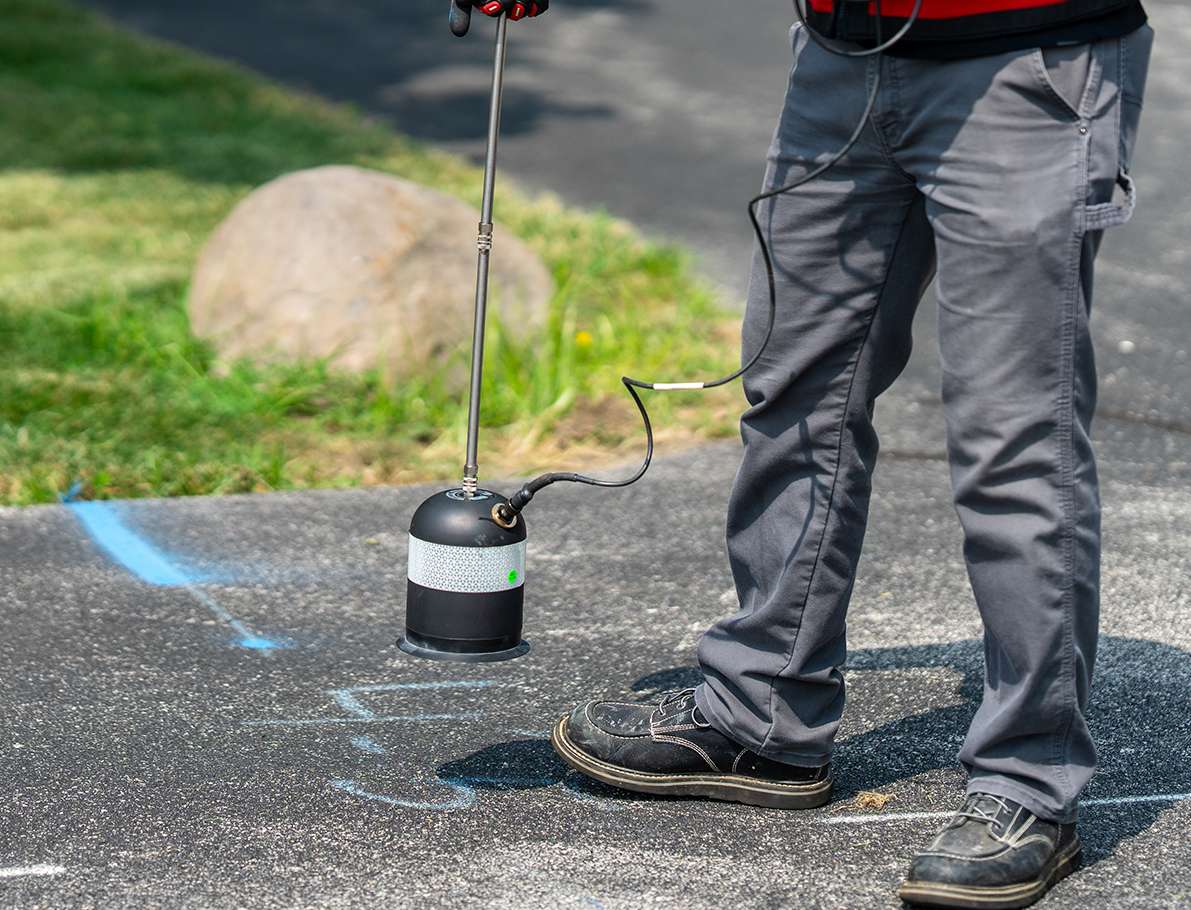
Discovering a mysterious damp spot on the floor or noticing an unexplained increase in the water bill leaves many homeowners suspecting a hidden plumbing leak beneath their concrete slab. Unlike leaks in exposed pipes, those under a slab foundation remain out of sight and are notoriously difficult to locate. Breaking through concrete without knowing the exact leak location can lead to unnecessary repairs, extra costs, and significant disruption. The solution lies in technology: acoustic sensors now offer a precise, non-destructive way to detect leaks under concrete, transforming how professionals handle these hidden threats.
Hidden Challenges of Detecting Leaks Beneath Concrete Slabs
Concrete slab foundations present unique difficulties for leak detection. Pipes are embedded deeply within or underneath the slab, making visual inspections impossible without invasive demolition. Water from a slab leak can travel along unpredictable paths, sometimes surfacing far from the actual break. This means traditional approaches, like thermal imaging or moisture meters, often provide only a general area, not an exact point of failure.
Another complication is background noise—sounds from appliances, footsteps, and even road traffic can mask the subtle noise of a water leak. Specialized techniques are required to filter out this interference. Homeowners facing these challenges benefit from a targeted approach, where advanced detection tools focus specifically on the unique environment of slab foundations. Standards for leak detection under slab foundations detail the complexities and risks of traditional methods, highlighting why precise tools are preferred.
Professional acoustic Water Leak Detection Service providers understand that guessing or making exploratory holes is rarely effective. Instead, they rely on technology that can “listen” through thick concrete, distinguishing the telltale sound of water escaping from pressurized pipes.
Mechanics of Acoustic Listening Equipment in Plumbing Diagnostics
Acoustic listening devices use highly sensitive microphones to pick up the distinct noises produced by water leaking from pipes. These devices are calibrated to detect minute vibrations transmitted through concrete, soil, and pipe materials. By amplifying these sounds and filtering out ambient noise, technicians can isolate leak-related signals even in busy household environments.
Modern acoustic sensors often include a digital interface, allowing for real-time frequency analysis and visual representation of the sound spectrum. This setup helps professionals identify the exact frequency range associated with water leaks, which is usually different from background noises. Acoustic Water Leak Detection Service specialists use this information to narrow down the leak location with impressive accuracy.
Industry guides on acoustic leak detection techniques explain how this method offers a combination of sensitivity and selectivity, making it ideal for complex slab foundation scenarios where other diagnostics fall short.
Pinpointing Micro Fractures Through Sound Wave Analysis
Micro fractures—tiny hairline cracks in pipes—often escape notice until they cause significant water loss or property damage. Acoustic sensors excel at identifying these subtle leaks by capturing the high-frequency “hissing” or “gurgling” sounds water produces as it escapes under pressure. This sensitivity is particularly valuable in slab foundations, where small leaks can persist undetected for long periods.
Technicians use specialized headphones and control units to scan the surface of the slab, systematically listening for variations in sound intensity. By comparing the loudness and frequency of detected noises at different points, they can triangulate the leak site with minimal guesswork. This process is key for ensuring that repairs are targeted and effective, reducing the likelihood of future leaks in the same area.
When booking a Water Leak Detection Service, property owners gain access to non-invasive diagnostics that can differentiate between background noise and the signature sounds of micro fractures. This technology-driven approach means less disruption and more confidence in the repair process.
Minimizing Property Damage With Non Invasive Leak Location Techniques
Traditional slab leak detection methods often required breaking through concrete in multiple places, resulting in unnecessary property damage. Acoustic sensors change this approach by enabling non-invasive surveying of the entire slab area before any demolition occurs. The technician can mark the precise area for repair, limiting the scope of excavation to a single, targeted location.
This reduction in damage translates to lower repair costs and faster project completion, as only the affected area needs attention. Homeowners also avoid the inconvenience and mess of widespread demolition. Non-invasive techniques made possible by acoustic sensors help preserve the structural integrity of the slab and flooring materials.
By combining advanced listening technology with methodical inspection routines, professionals can deliver accurate diagnoses while maintaining the appearance and value of the property. This is a significant advantage over older, more disruptive methods.
Conclusion
When facing a possible leak under a slab foundation, request a detection service that uses acoustic listening technology. This approach increases accuracy, limits property disruption, and delivers targeted repairs. Choose a provider who can demonstrate their ability to locate even the smallest leaks with minimal intrusion to your home.
