
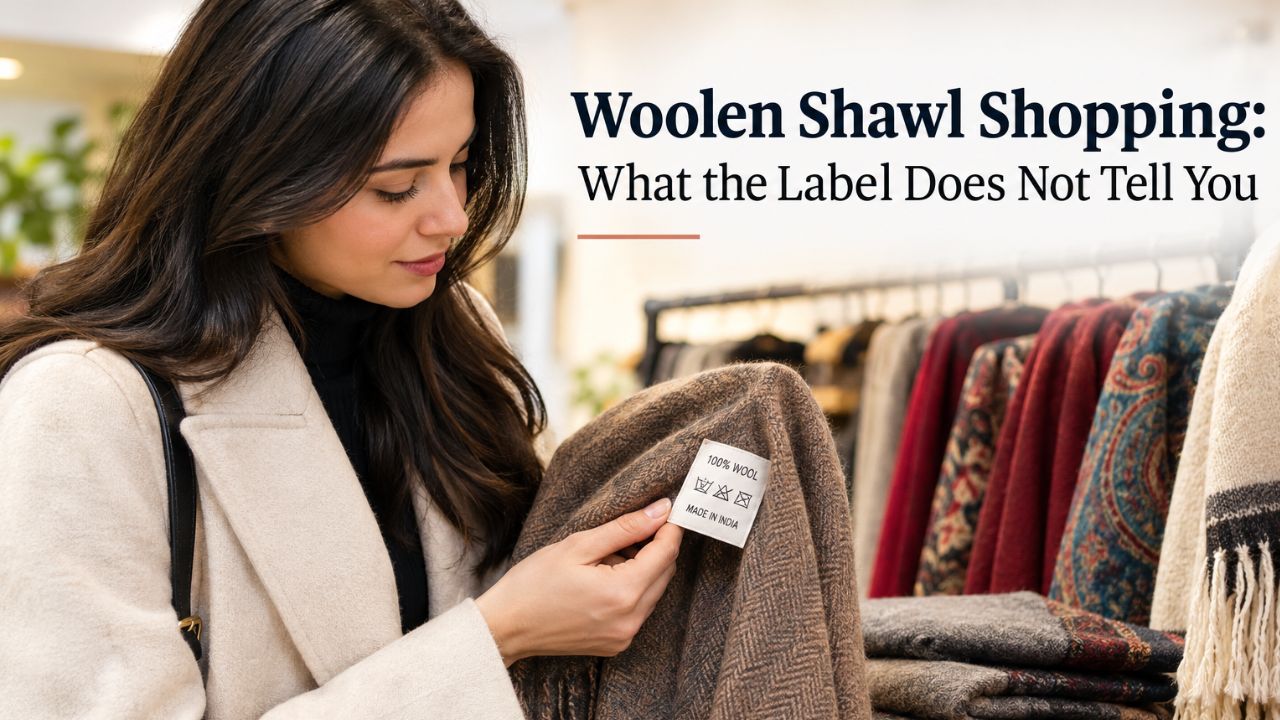
Buying a woolen shawl may seem simple: check the label, choose a colour, compare prices, and make your purchase. However, the information printed on a product label does not always tell the complete story. Fabric composition, weaving quality, warmth, durability, and maintenance requirements can all affect how a shawl performs after you bring it home.
For shoppers comparing a men’s wool shawl in Pakistan, understanding these details is particularly important. Two shawls may look almost identical but differ significantly in comfort, construction, and long-term value. Some products prioritise appearance, while others are designed for everyday warmth and durability.
Whether you are browsing online stores or visiting local markets, knowing what to inspect beyond the label can help you make a more informed decision. Here are six important factors to consider before choosing a woolen shawl.
1. The Word “Wool” Does Not Always Explain the Fabric
One of the first things shoppers notice is the material description. A product labelled “woolen shawl” may sound straightforward, but the exact fibre composition can vary.
Some shawls are made primarily from natural sheep’s wool, while others contain acrylic, polyester, or a mixture of natural and synthetic fibres. These materials can produce different levels of softness, warmth, breathability, and ease of care.
Natural wool is valued for its insulation and ability to help regulate temperature. Synthetic fibres can make a shawl more affordable and may offer practical advantages, depending on the blend and construction.
The important point is that the product name alone does not establish the exact composition.
For shoppers comparing wool shawls for men, this information makes it easier to evaluate products fairly. A lower-priced blend may be suitable for everyday use, while a natural-wool option may appeal to someone seeking particular fibre characteristics.
Shopping tip: Compare the composition of at least two or three products before deciding which offers the best value.
2. Softness Does Not Automatically Mean Better Quality
A soft shawl can feel luxurious in a store or look appealing in product photographs. However, softness alone is not a reliable measure of overall quality.
Different wool fibres have different textures. Some natural wool products may feel slightly coarse, while finer fibres can feel smoother against the skin. Processing methods, yarn thickness, fabric finishing, and blends can also influence how a shawl feels.
A very soft surface does not necessarily mean the shawl will retain its texture after repeated use. Likewise, a slightly textured wool shawl is not automatically inferior.
If possible, gently feel the fabric before buying. Check whether it feels comfortable around the neck and shoulders, and look for obvious rough patches or inconsistent areas.
For online shopping, examine close-up photographs and read customer reviews that discuss comfort after wearing the product. Reviews mentioning excessive shedding, pilling, or changes in texture after washing may provide useful context.
When evaluating a men’s wool shawl, consider the intended use. A shawl worn for several hours at work or during travel should feel comfortable, while one intended mainly for occasional formal events may be selected with greater emphasis on appearance.
The best choice balances comfort, construction, and practicality rather than relying on a single quality indicator.
3. Thickness Is Not the Same as Warmth
A thick shawl may appear ideal for winter, but thickness alone does not determine how warm it will feel.
Warmth depends on several factors, including fibre properties, fabric density, trapped air, overall construction, and how well the shawl covers the body. A lightweight wool shawl can provide useful insulation without feeling bulky, while a heavier product may be preferable for particularly cold conditions.
This distinction matters when shopping for men shawl Pakistani styles, which range from lightweight options for layering to substantial winter shawls designed for greater coverage.
Consider where and when you plan to wear your shawl:
- Everyday wear: Choose a practical weight that is comfortable for commuting, shopping, and routine activities.
- Office use: Consider a moderately lightweight shawl that sits neatly over formal clothing.
- Outdoor winter use: Look for sufficient coverage and a construction appropriate for colder conditions.
- Weddings and formal gatherings: Balance warmth with drape, texture, and appearance.
Dimensions also matter. A shawl that is too narrow or short may not provide the coverage you expect, even if its fabric is thick.
Before ordering online, check the listed measurements and compare them with a shawl you already own. This simple step can help prevent disappointment when the package arrives.
4. The Weaving and Finishing May Reveal More Than the Label
Fabric composition tells you what a shawl contains, but it does not explain how well the product has been made.
Construction quality influences how a shawl looks, drapes, and withstands regular use. Uneven weaving, weak edges, poorly secured fringes, and visible defects can affect both appearance and durability.
Spread the shawl across a flat surface if you are shopping in person. Look for consistent texture, balanced patterns, and an even finish. Check the borders for loose threads and examine the fringes to see whether they appear securely attached.
Traditional patterns and decorative details can make Pakistani wool shawls particularly attractive, but an appealing design should not distract you from the fabric’s condition.
For online shoppers, look for photographs showing the entire shawl, the border, and a close-up of the weave. If these details are missing, ask the seller for additional images.
Remember that minor variations may occur in handmade or hand-finished products. The goal is not to demand absolute uniformity but to identify defects that could affect usability or value.
5. The Price Tag Does Not Tell You the Cost Per Wear
Price is an important consideration when comparing wool shawls for men, but the cheapest option is not necessarily the most economical.
A shawl’s price may reflect its fibre composition, dimensions, production method, craftsmanship, brand positioning, and decorative details. However, a high price does not independently prove that the product is superior.
Instead of comparing prices alone, assess what each product offers.
For example, a moderately priced shawl with a suitable fabric blend, secure finishing, and practical dimensions may offer better value for everyday wear than an expensive product chosen primarily for its appearance.
It can also help to consider cost per wear. A shawl that you wear regularly for several winters may justify a higher initial cost than one reserved for occasional use, provided its quality and durability meet your expectations.
Before checking out, compare:
- Fibre composition and stated percentages.
- Size, weight, and coverage.
- Weaving and finishing quality.
- Delivery charges and additional fees.
- Exchange, refund, and warranty terms, where applicable.
6. Care Instructions Can Determine How Long Your Shawl Lasts
One detail shoppers frequently overlook is maintenance.
Woolen shawls may require different cleaning methods depending on their fibre composition, construction, dyes, and finishing. Some products can tolerate careful handwashing, while others require professional cleaning or specific handling.
Do not assume that every wool shawl can be washed in the same way. High temperatures, harsh detergents, aggressive wringing, and unsuitable drying methods can cause shrinkage, distortion, or fibre damage.
Before buying, check whether the seller provides clear care instructions. Consider whether those requirements fit your routine and budget.
Storage is equally important. Keep the shawl clean and completely dry before storing it, and follow appropriate precautions against fabric pests. Avoid hanging delicate shawls for extended periods if doing so could distort their shape.
For online purchases, also review the return policy. Understand the deadline for reporting defects and whether exchanges are permitted when the delivered item differs substantially from its description.
Final Thoughts: Look Beyond the Label Before You Buy
Choosing the right woolen shawl involves more than checking a product name or selecting an attractive design. Fibre composition, softness, warmth, construction, price, and care requirements all contribute to the overall buying experience.
When comparing a men’s wool shawl with other wool shawls for men, focus on your actual needs rather than promotional claims. Consider how often you will wear it, the temperatures you expect to encounter, and the amount you are comfortable spending.
For shoppers exploring men shawl Pakistani collections, the most useful approach is to compare products carefully, read detailed specifications, and ask questions when important information is missing.
