
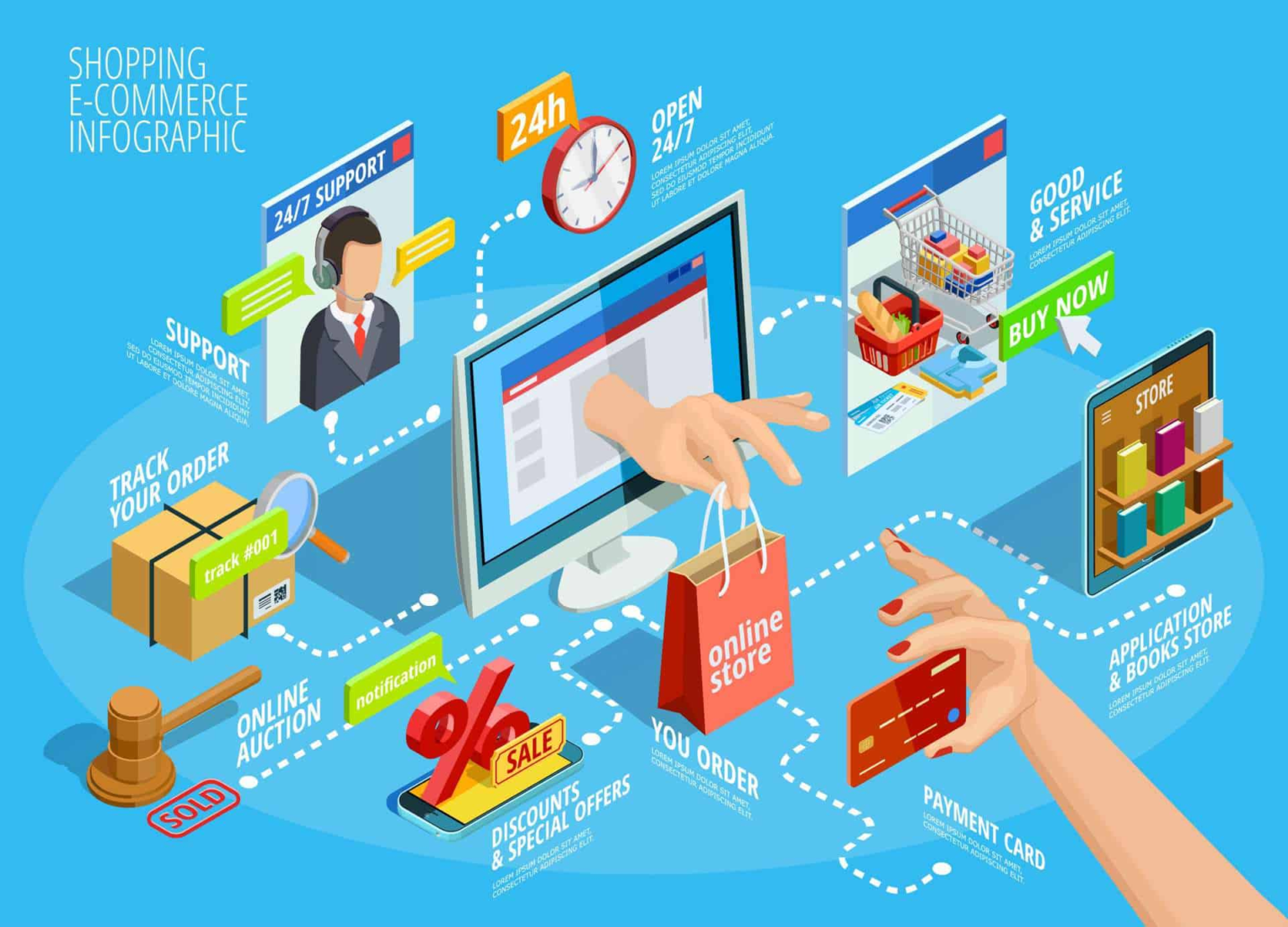
Ecommerce businesses collect valuable customer information through purchases, browsing activity and customer service interactions. However, much of that data remains disconnected from search engine optimization strategies. Integrating customer relationship management (CRM) insights with SEO helps retailers understand buying behavior, identify relevant search opportunities and create content that better reflects customer needs.
Marketing and ecommerce leaders highlight practical ways to connect CRM intelligence with organic search performance:
- Segment customers using purchase history and preferences.
- Connect CRM insights with commercial keyword strategies.
- Identify customer questions that deserve dedicated content.
- Coordinate marketing data across ecommerce platforms.
- Personalize category content around customer needs.
- Use lifecycle information to improve content relevance.
- Create product guides for different types of shoppers.
- Identify opportunities for repeat purchases.
- Measure organic search performance against customer value.
- Improve product descriptions using customer feedback.
1. Segment Customers Using Purchase History and Preferences
Rytis Lauris, Co-Founder and CEO of Omnisend, brings ecommerce marketing automation expertise to customer segmentation. His perspective emphasizes understanding what customers purchase and how their interests change over time.
Retailers should organize CRM records by purchase frequency, product categories and customer preferences.
These segments can inform keyword research and content planning. For example, repeat buyers may need replacement guides, while first-time shoppers benefit from educational comparisons. Public SEO content can serve both audiences without exposing individual customer information.
2. Connect CRM Insights With Commercial Keyword Strategies
Matt Bowman, President of Thrive Internet Marketing Agency, emphasizes that search strategies become more valuable when businesses understand which customers generate meaningful revenue. Traffic alone cannot explain whether SEO attracts the right audience.
An ecommerce SEO agency can use aggregated CRM data to identify profitable customer segments, frequently purchased products and recurring purchasing questions.
Businesses should connect these insights with keyword research, collection page optimization and content development. This helps prioritize organic search opportunities based on customer demand and commercial value rather than search volume alone.
3. Turn Customer Questions Into Searchable Content
Ross Simmonds, Founder and CEO of Foundation Marketing, brings content distribution expertise to identifying useful topics. His approach emphasizes creating resources that answer real audience questions instead of publishing content simply to meet production targets.
Businesses should review CRM notes, customer support conversations and sales inquiries for recurring questions.
Turn those insights into buying guides, comparison articles and product FAQs. Organizing content around genuine customer concerns improves relevance while expanding opportunities to capture long-tail searches.
4. Connect Marketing Systems Without Creating Data Silos
Xavier Rivera, CEO and Co-Founder of i-Marketing Consulting, brings experience in ecommerce strategy, CRM and omnichannel marketing. His approach focuses on making customer information useful across departments instead of leaving valuable insights scattered between disconnected platforms.
Businesses should integrate CRM records with ecommerce analytics, customer service information and marketing automation tools to develop a clearer understanding of purchasing behavior.
Establish consistent reporting standards, synchronize relevant customer data and use aggregated insights to identify emerging product interests. This helps marketing teams improve SEO content planning, reduce duplicated work and create more relevant shopping experiences.
5. Build Collection Pages Around Customer Needs
Paul Rogers, Co-Founder of Vervaunt, brings ecommerce consulting expertise to website architecture and customer experience. His perspective emphasizes organizing online stores around how customers shop rather than internal product classifications.
Retailers should analyze CRM purchase patterns to identify frequently purchased product combinations and important customer segments.
Use these insights to improve collection descriptions, navigation and buying advice. Better organization helps shoppers discover relevant products while supporting commercial search visibility.
6. Improve Product Descriptions Using Customer Feedback
Michael Webb, CEO of BagMasters, brings a practical product-focused perspective to ecommerce personalization. Customers comparing bags need clear information about dimensions, materials, customization options and intended applications.
Retailers should review CRM inquiries to identify specifications customers frequently request.
Update product descriptions, comparison charts and FAQs to address those questions directly. Clear information helps customers choose suitable products while improving relevance for detailed product searches.
7. Create Buying Guides Based on Real Customer Questions
Caleb Lathrop, Director of Operations and E-commerce at RIDE88, approaches product information from a cyclist’s perspective. Riders shopping for bike racks want straightforward answers about fit, installation and secure transportation.
Retailers serving mountain, road, BMX and e-bike riders should use customer inquiries to identify common compatibility questions.
Create guides explaining bike weight limits, mounting requirements and rack suitability for trucks, trailers or vans. Practical information helps customers choose equipment that works for their setup.
8. Identify Repeat Purchase Opportunities Through Customer Behavior
Val Geisler, Customer Messaging Strategist associated with Fix My Churn, brings lifecycle marketing expertise to understanding repeat purchases. Her perspective emphasizes recognizing when customers need additional guidance rather than immediately sending another promotion.
Businesses should analyze purchase intervals, customer feedback and product usage patterns.
Use these insights to develop replenishment guides, accessory recommendations and maintenance content. Relevant resources support organic discovery while encouraging existing customers to return when they have a genuine need.
9. Measure Organic Search Against Long-Term Customer Value
Neil Hoyne, Chief Strategist at UI Master, focuses on customer analytics and long-term business value. His perspective emphasizes understanding which customer relationships contribute meaningful growth rather than evaluating acquisition channels through immediate conversions alone.
Retailers should connect organic landing page data with aggregated CRM revenue and retention metrics.
Compare customer acquisition costs, repeat purchases and lifetime value across product categories. This helps prioritize SEO investments that attract valuable customers rather than traffic with limited commercial potential.
10. Use Customer Lifecycle Data to Improve Content Relevance
Kath Pay, Founder and CEO of Holistic Email Marketing, specializes in customer lifecycle communication. Her approach emphasizes recognizing that new customers and experienced buyers often need different information.
Retailers should examine CRM lifecycle stages to identify questions customers ask before and after purchasing.
Create beginner guides, maintenance resources and product upgrade comparisons. These resources can attract organic visitors while supporting personalized email journeys for customers who have consented to receive communications.
Frequently Asked Questions
1. How does CRM data improve ecommerce SEO?
CRM data reveals purchasing patterns, customer questions and product preferences that businesses can use to improve keyword research, content planning and commercial landing pages.
2. Can CRM data personalize organic search results?
Not directly. Businesses generally cannot control personalized search rankings, but CRM insights can help them create content for different customer needs and purchasing stages.
3. Which CRM metrics are most useful for SEO?
Purchase frequency, customer lifetime value, product preferences, repeat purchase rates and recurring support questions can help guide optimization priorities.
4. How can businesses protect customer privacy when using CRM data?
Use aggregated or appropriately anonymized information, respect consent preferences and limit access to personal data. Follow applicable privacy regulations when integrating marketing systems.
5. How should ecommerce businesses measure CRM-driven SEO performance?
Monitor organic revenue, conversion rates, customer retention, average order value and lifetime value alongside rankings and search traffic. These metrics help determine whether SEO attracts commercially valuable customers.
