
Introduction
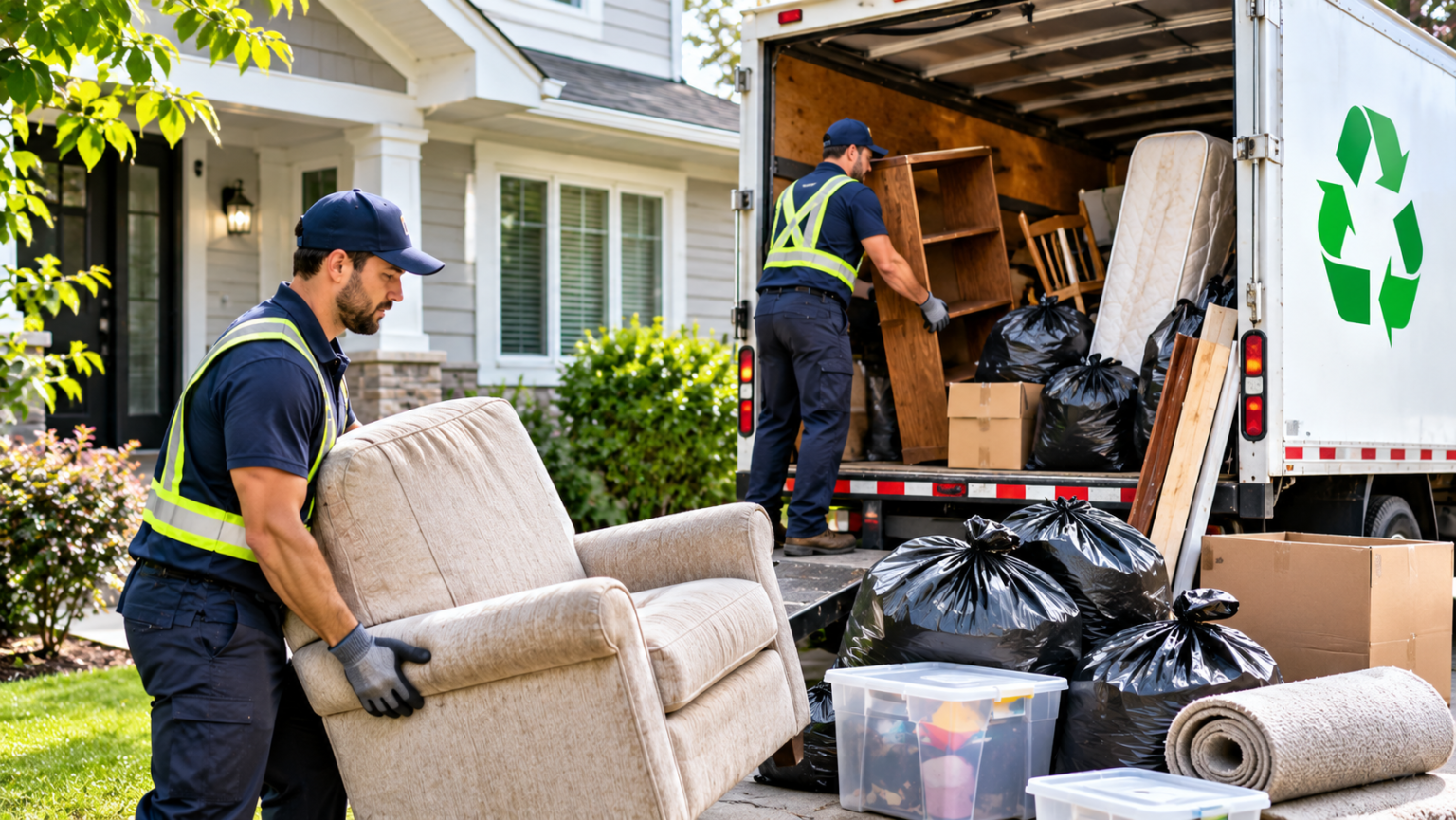
Keeping a property clean, organized, and free from unwanted clutter can improve its appearance, functionality, and overall comfort. Over time, households and businesses often accumulate old furniture, broken appliances, damaged equipment, packaging materials, and other items that take up valuable space. Managing this unwanted material can become difficult when it involves heavy objects, large quantities of waste, or items that require special handling. Junk removal provides a practical way to clear unnecessary belongings and restore order to indoor and outdoor areas. With proper planning, responsible disposal methods, and an understanding of recycling opportunities, property owners can create cleaner environments while reducing unnecessary waste. Whether preparing for a renovation, organizing a garage, moving to a new property, or clearing a commercial space, an effective approach helps make the entire process more manageable.
Understanding the Importance of Decluttering
Clutter can affect how efficiently people use their homes, offices, storage rooms, and outdoor areas. Unused furniture and discarded materials may block walkways, occupy storage space, and make routine cleaning more difficult. In some situations, accumulated items can also create trip hazards, collect dust, or obstruct access to essential equipment. Organizing belongings and removing unnecessary objects helps create a more functional environment where frequently used items are easier to locate. Before beginning a cleanup project, property owners should identify which belongings are still useful, which can be donated or recycled, and which need appropriate disposal. This process encourages thoughtful decisions and helps prevent usable items from being discarded unnecessarily.
Recognizing Different Types of Unwanted Items
Residential and commercial properties can accumulate many different categories of unwanted belongings. Common examples include damaged furniture, outdated electronics, broken household equipment, old mattresses, cardboard packaging, scrap materials, and unused office supplies. Renovation projects may generate discarded cabinets, flooring, fixtures, and other construction-related materials. Outdoor areas may contain damaged garden furniture, fallen branches, broken equipment, and items that have deteriorated through exposure to weather. Identifying each category before starting work helps determine the most appropriate handling and disposal method. Some items may be suitable for donation or resale, while others can be processed through recycling facilities. Certain materials require specialized collection because they may present environmental or safety concerns.
Planning an Efficient Cleanup Project
A successful cleanup begins with a clear plan that identifies the areas requiring attention and the amount of material that needs to be handled. Property owners can start by inspecting garages, basements, attics, storage rooms, offices, and outdoor spaces to estimate the project’s size. Creating separate groups for reusable belongings, recyclable materials, general waste, and items requiring special handling can make the process more organized. It is also helpful to establish a realistic schedule and ensure that there is enough room to sort and temporarily store different categories. Junk removal becomes easier when unnecessary objects are identified in advance and access routes are kept clear. A structured plan can reduce wasted effort, improve safety, and help prevent useful belongings from being discarded accidentally.
Clearing Residential Properties
Homes often accumulate unwanted belongings as families move, replace furniture, complete renovations, or reorganize their living spaces. Old sofas, damaged tables, broken appliances, unused exercise equipment, and outdated decorations can occupy valuable rooms for years. Clearing these objects can make bedrooms, living rooms, garages, and storage areas more comfortable and practical. Homeowners should begin by identifying items that no longer serve a useful purpose and deciding whether they can be donated, sold, recycled, or discarded. Large objects should be handled carefully to avoid damaging walls, floors, and doorways. A room-by-room approach allows families to work at a manageable pace while maintaining a clear distinction between valuable belongings and unwanted materials.
Organizing Garages, Basements, and Storage Areas
Storage spaces frequently become overcrowded because items are placed aside with the intention of using them later. Over time, boxes, broken tools, old sporting equipment, unused decorations, and damaged furniture can make these areas difficult to navigate. Clearing unnecessary objects creates more room for tools, seasonal belongings, household supplies, and equipment that people actually use. Before moving heavy items, property owners should inspect the surrounding area for unstable stacks, sharp edges, and blocked pathways. Sorting belongings into clearly identified groups makes it easier to decide what should remain in storage. An organized storage area also supports routine cleaning and helps people find important items without moving multiple boxes or objects.
Supporting Office and Commercial Cleanouts
Businesses can accumulate unwanted desks, chairs, shelving units, electronic equipment, packaging, and outdated supplies as their operations change. Office relocations, renovations, and equipment upgrades may create large amounts of material that must be cleared within a limited period. A well-organized cleanout helps restore usable floor space and prepare the premises for new furniture, employees, or business activities. Companies should identify reusable office equipment, protect confidential information stored on electronic devices, and separate recyclable materials from general waste. Commercial junk removal should be scheduled to minimize disruption to employees, customers, and daily operations. Careful coordination helps businesses maintain a professional environment while managing unwanted items responsibly and efficiently.
Choosing Between DIY Cleanup and Professional Assistance
Small cleanup projects may be manageable for property owners who have sufficient time, suitable transportation, and the necessary equipment. However, larger projects can involve heavy furniture, bulky appliances, construction debris, and substantial quantities of waste that require additional labor and planning. Professional assistance may be useful when items are difficult to lift, access is restricted, or disposal requirements are complicated. Before deciding on an approach, property owners should consider the project’s size, physical demands, transportation needs, and expected disposal costs. They should also evaluate whether specialized equipment or trained personnel are necessary. Choosing the right approach can reduce physical strain, improve efficiency, and help ensure that unwanted materials are handled appropriately.
Understanding Responsible Recycling Practices
Recycling is an important part of responsible waste management because many discarded materials can be processed into useful resources. Metals, cardboard, certain plastics, glass, and some electronic components may be accepted through appropriate recycling programs. Separating these materials before collection can improve sorting efficiency and reduce the quantity of waste sent to landfills. However, recycling rules differ according to material type and the capabilities of individual facilities, so property owners should verify acceptance requirements before transporting items. Electronics may contain valuable recoverable materials as well as components that require specialized processing. Responsible junk removal prioritizes appropriate reuse and recycling whenever practical, helping conserve resources while reducing the environmental impact of unnecessary disposal.
Donating and Reusing Usable Belongings
Not every unwanted item needs to be thrown away. Furniture in good condition, usable household goods, working appliances, books, and suitable office supplies may benefit another household or organization. Donating appropriate belongings can extend their useful life and reduce the demand for newly manufactured products. Some items may also be sold through resale platforms or passed along to friends and family members who need them. Before arranging a donation, property owners should inspect the item’s condition, cleanliness, and safety. Charities and donation centers may have specific requirements concerning accepted products and collection arrangements. By considering reuse before disposal, people can make cleanup projects more sustainable and prevent functional belongings from becoming unnecessary waste.
Handling Heavy and Bulky Objects Safely
Large objects require careful handling because lifting and carrying them incorrectly can cause injuries or property damage. Sofas, refrigerators, washing machines, filing cabinets, and heavy tables may be difficult to maneuver through narrow hallways or staircases. Before moving an object, people should assess its weight, dimensions, stability, and route to the exit. Clearing obstacles, protecting floors, and using suitable moving equipment can reduce risks. Heavy items should not be lifted beyond a person’s physical capability, and assistance should be arranged when necessary. Appliances may also need to be disconnected properly before removal. Careful preparation helps protect workers and occupants while reducing the possibility of damaging walls, doorframes, flooring, or other nearby belongings.
Managing Construction and Renovation Debris
Home improvement and renovation projects often generate materials that require organized collection and disposal. Discarded drywall, wood offcuts, broken tiles, old cabinets, metal components, and packaging can quickly fill available space. Separating materials by category makes it easier to identify recycling opportunities and determine the appropriate disposal route. Property owners should also be aware that certain building materials may require specialized handling, particularly when their age or composition creates potential health concerns. Suspected asbestos-containing materials, lead-contaminated debris, and other hazardous substances should not be handled as ordinary household waste. Qualified professionals should assess potentially dangerous materials and follow applicable safety requirements. A planned debris management process keeps renovation areas more organized and helps maintain safer working conditions.
Understanding the Cost of Waste Collection
The cost of clearing unwanted items depends on several factors, including the quantity of material, the size and weight of objects, the amount of labor required, and the distance involved in transportation. Some projects may also require special equipment, additional workers, or separate arrangements for restricted materials. Property owners should request clear estimates that explain which services are included and whether additional disposal charges may apply. Preparing items in an accessible collection area can sometimes reduce the amount of labor required, although safety should always remain the priority. Junk removal costs can be easier to manage when the project is organized in advance and unnecessary belongings are sorted before collection. Comparing service details rather than price alone helps people make informed decisions.
Reducing Waste Through Better Purchasing Habits
Preventing unnecessary waste can reduce the frequency and expense of future cleanup projects. Before purchasing new furniture, appliances, tools, or household products, consumers should consider whether the item is necessary and whether an existing product can be repaired or reused. Choosing durable goods that can be maintained over time may reduce the need for frequent replacements. Selling or donating usable belongings before purchasing alternatives can also prevent overcrowding. Businesses can adopt similar practices by tracking inventory, maintaining equipment, and selecting products with reusable packaging where practical. Responsible purchasing habits help reduce the amount of material entering the waste stream and support a more organized living or working environment. Small changes in everyday decisions can produce meaningful long-term benefits.
Maintaining a Clean and Organized Property
Once unwanted items have been cleared, maintaining the results becomes easier with a consistent organization routine. Property owners can assign specific storage areas to tools, seasonal decorations, household supplies, and other frequently used belongings. Regularly reviewing cupboards, garages, and storage rooms helps identify items that are no longer needed before clutter accumulates again. Clear containers, shelves, labeled boxes, and practical storage systems can improve accessibility and make it easier to maintain order. Families and employees should understand where items belong and how unwanted materials should be handled. A simple maintenance schedule can prevent small piles of clutter from becoming a major cleanup project. Consistent organization supports a cleaner, safer, and more comfortable environment.
Avoiding Common Cleanup Mistakes
Several common mistakes can make a cleanup project more difficult than necessary. Beginning without a plan may lead to disorganized piles, misplaced belongings, and repeated handling of the same objects. Mixing recyclable materials with general waste can limit recovery opportunities, while ignoring special disposal requirements may create environmental or safety concerns. Attempting to move heavy objects without suitable equipment can also result in injuries or property damage. Property owners should avoid assuming that every unwanted item belongs in ordinary waste collection and should check relevant requirements when necessary. Separating materials, protecting valuable belongings, and arranging appropriate transportation before starting work can improve efficiency. Careful preparation helps prevent delays and ensures that the cleanup process remains organized from beginning to end.
Conclusion
Maintaining a clean and organized property requires thoughtful planning, responsible handling, and consistent attention to unwanted belongings. From clearing residential storage areas and commercial premises to managing renovation debris and identifying recycling opportunities, each step contributes to a more functional environment. Effective junk removal helps property owners reclaim valuable space, improve accessibility, and reduce unnecessary clutter while supporting more responsible waste management practices. By sorting reusable items, choosing suitable disposal methods, handling heavy objects safely, and planning realistic budgets, individuals and businesses can make cleanup projects more manageable. Regular organization and careful purchasing habits further help prevent clutter from returning. With a practical approach and attention to environmental responsibility, any property can become cleaner, safer, and easier to maintain over time.
