
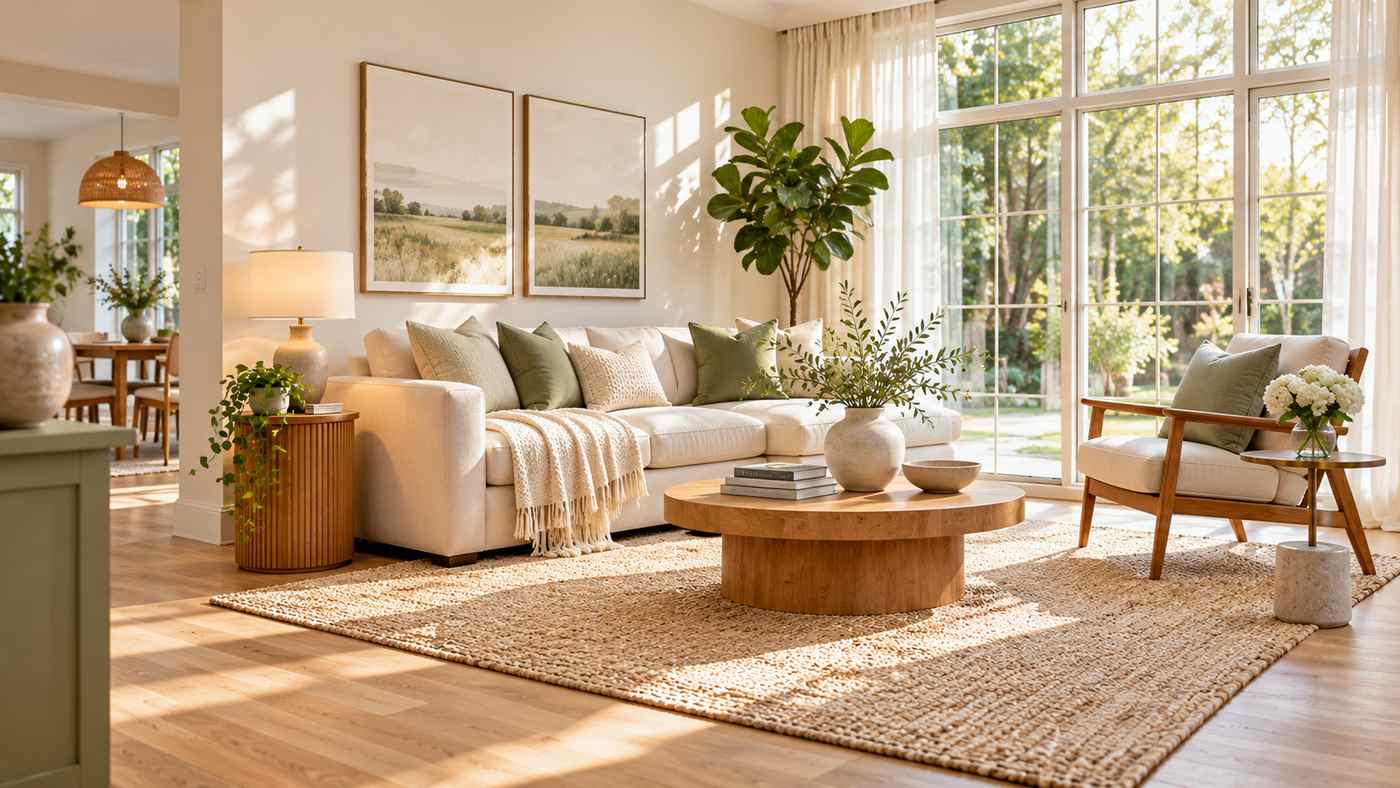
A beautiful home does not need expensive furniture, major renovations, or perfectly coordinated decorations. Sometimes, a few thoughtful adjustments can completely change how a room looks and feels. Natural sunlight, comfortable furniture arrangements, soft colors, and carefully selected accessories can create a space that feels refreshing without sacrificing warmth.
Learning how to make your home feel lighter is about more than painting every wall white or removing your favorite possessions. The goal is to create visual breathing room while maintaining the comfort and personality that make your house feel like home.
Whether you live in a spacious suburban house, a compact city apartment, or a cozy rental, small decorating decisions can make everyday spaces feel more open and welcoming.
In this guide, discover 11 practical ways to brighten your interiors, avoid common decorating mistakes, and create a home that feels balanced, comfortable, and effortlessly stylish.
What Does It Mean to Make Your Home Feel Lighter?
A lighter home is not necessarily a minimalist home. Instead, it is a space where furniture, lighting, color, and decorative details work together without overwhelming the room.
You might notice that an inviting living room has comfortable seating, appropriately sized rugs, uncluttered surfaces, and natural light flowing through the windows.
An equally comfortable bedroom may feature layered bedding, soft lamps, pale walls, and a few meaningful decorative pieces.
The important idea is balance.
Too much furniture can make a room feel crowded, while removing almost everything can leave it looking empty and impersonal.
Good interior design creates enough open space for comfortable movement while maintaining warmth through materials, lighting, and personal touches.
Why Some Homes Feel Dark, Heavy, or Unwelcoming
Before purchasing new decorations, it helps to understand why a room may feel uncomfortable.
Heavy curtains can restrict daylight. Oversized furniture may interrupt movement. Too many competing colors and patterns can make surfaces appear visually busy.
Interestingly, rooms can also feel unwelcoming when they have too little furniture or lack appropriately sized rugs.
Interior designers interviewed by The Spruce explain how exposed flooring, identical furniture sets, limited lighting, crowded entryways, and excessive patterns can affect a room’s atmosphere.
Their decorating advice offers a useful starting point for homeowners who want to make your home feel lighter without making interiors feel cold or unfinished.
The following ideas build on those principles with practical adjustments suitable for different budgets and home styles.
11 Easy Ways to Make Your Home Feel Lighter
1. Maximize Natural Light Throughout Your Rooms
Natural daylight is one of the simplest ways to create an open and refreshing atmosphere.
Start by examining your windows. Heavy drapes, bulky blinds, and furniture positioned directly in front of the glass may prevent daylight from reaching the room.
Consider replacing thick curtains with lightweight linen or sheer window treatments where privacy and insulation needs allow.
Position curtain rods so the panels can open beyond the window frame, exposing more glass.
Keep large furniture away from windows when possible.
Clean window glass regularly, and consider how nearby plants or decorations affect incoming light.
These changes can improve daylight distribution without requiring expensive alterations.
2. Choose Warm, Light-Reflecting Wall Colors
Paint can significantly influence the perceived brightness of an interior.
Soft ivory, warm white, cream, pale beige, light greige, and muted sage green are useful starting points for airy decorating.
However, not all light colors behave the same way.
Paint manufacturers use Light Reflectance Value (LRV) to describe how much visible light a paint color reflects. Higher values generally indicate greater light reflection.
A bright white with cool undertones may look beautiful in one home but harsh in another.
Test paint samples at different times of day before choosing a final color.
North-facing rooms may benefit from warmer undertones, while rooms receiving strong sunlight can accommodate a broader range of shades.
3. Use Layered Lighting Instead of One Harsh Fixture
A single ceiling light often creates an unbalanced atmosphere.
Even when the room is technically bright, the lighting may feel flat or overly clinical.
Layered lighting combines several sources with different purposes.
Ambient lighting provides general illumination through ceiling fixtures or other broad light sources.
Task lighting supports activities such as reading, cooking, and working.
Accent lighting highlights artwork, shelving, architectural details, or decorative objects.
For a comfortable living room, try combining an overhead fixture with a table lamp and a floor lamp.
Warm-white bulbs, often around 2700K to 3000K, can create a softer residential atmosphere.
Dimmers may also help adjust illumination throughout the evening.
4. Select Rugs That Fit Your Furniture Arrangement
A room with attractive hardwood flooring can still feel unfinished if there is too much exposed floor surrounding the furniture.
An undersized rug may make seating pieces appear disconnected.
Choose an area rug that visually anchors the furniture.
In many living rooms, positioning at least the front legs of the sofa and chairs on the rug creates a more unified arrangement.
Larger rooms may accommodate rugs that extend beneath all the principal seating.
Light neutral rugs, textured wool, low-pile designs, and natural-fiber options can add warmth without overwhelming the space.
Before buying, mark the intended rug dimensions on the floor with painter’s tape to evaluate the proportions.
5. Avoid Perfectly Matching Furniture Sets
Matching sofas, chairs, side tables, and storage units can create an orderly appearance.
However, identical pieces throughout a room may sometimes make an interior feel more like a furniture showroom than a personal home.
Try combining complementary rather than identical furnishings.
A cream sofa might pair beautifully with a vintage wooden coffee table, a contemporary accent chair, and a small metal side table.
The pieces do not need identical finishes to feel coordinated.
Instead, connect them through repeating colors, materials, or proportions.
This approach introduces personality and allows rooms to develop naturally over time.
6. Reduce Visual Clutter Without Removing Personality
Clutter can make even a spacious room feel busy.
Begin with surfaces that attract miscellaneous objects, such as coffee tables, kitchen counters, bedside tables, and entryway shelves.
Remove items that no longer serve a practical or decorative purpose.
Use attractive baskets, drawer organizers, cabinets, and closed storage to manage everyday necessities.
However, avoid removing every photograph, book, or sentimental object.
A home should reflect the people who live there.
Display a smaller collection of meaningful objects where each piece has space to be appreciated.
The goal is intentional organization rather than creating an empty interior.
7. Simplify Your Color Palette
A room filled with numerous competing colors can feel visually overwhelming.
Choose a primary background color and support it with a limited selection of complementary shades.
For example, warm ivory walls, a soft beige sofa, pale oak furniture, and muted olive accessories create a coordinated natural palette.
You can still introduce colorful artwork or patterned cushions.
The key is allowing selected features to stand out rather than making every surface compete for attention.
Repeating a few colors throughout the room provides visual continuity.
This is especially helpful in open-plan homes where different functional areas are visible together.
8. Incorporate Natural Materials and Soft Textures
A bright room should still feel comfortable.
Natural textures create warmth without necessarily introducing intense colors.
Consider materials such as linen, cotton, wool, rattan, oak, stone, and woven textiles.
For example, a light wooden coffee table can soften a room containing sleek metal fixtures and polished flooring.
A knitted throw adds comfort to a minimalist sofa.
Decorative cushions in complementary fabrics bring depth to a neutral color scheme.
Mixing smooth and textured materials creates visual interest while keeping the overall atmosphere understated.
Select durable finishes appropriate for pets, children, and everyday maintenance.
9. Improve Furniture Placement and Walking Space
Sometimes a room feels smaller because of how furniture is arranged.
Large sofas, cabinets, and side tables can interrupt natural movement when placed without considering circulation.
Start by identifying the main walking routes.
Arrange seating so people can move comfortably between doors, windows, and frequently used areas.
Avoid forcing oversized furniture into narrow corners.
In smaller rooms, a visually lighter chair with exposed legs may work better than a bulky upholstered piece.
Consider whether every item genuinely contributes to the room’s function.
Removing or relocating one unnecessary piece can sometimes make a larger difference than buying several new accessories.
10. Create a More Open and Welcoming Entryway
Your entryway establishes the first impression of your home.
An oversized console table or unnecessary decorative furniture can make a small foyer feel cramped.
Instead, choose storage and accessories that suit the available space.
A narrow wall-mounted shelf, compact shoe cabinet, or practical coat hooks may provide enough functionality without obstructing movement.
A mirror can make the entrance feel more visually open and provide a convenient place to check your appearance.
Keep everyday essentials organized and maintain a clear pathway.
A simple, functional entrance often feels more inviting than one filled with decorative furniture.
11. Add Greenery and Meaningful Finishing Touches
Plants and natural elements can introduce freshness to an interior.
A medium-sized indoor tree, small potted plant, or simple vase of branches can soften straight architectural lines.
Choose plants suited to the light conditions and maintenance requirements of your home.
For households with pets, confirm that selected plants are safe for the animals present.
You can also add personality through framed photographs, carefully chosen artwork, handmade ceramics, or a favorite collection of books.
These finishing details prevent a light-colored interior from feeling sterile.
The best decorations contribute something meaningful without overwhelming the surrounding space.
How to Make Different Rooms Feel Brighter
Every room has different functional requirements, so decorating adjustments should reflect how each space is used.
Living Room
Focus on comfortable seating, a properly sized area rug, balanced furniture placement, and layered lighting.
Use a mixture of ambient and decorative lighting rather than relying only on recessed ceiling fixtures.
A few contrasting accessories can add interest to a predominantly neutral living room.
Bedroom
A light bedroom benefits from soft bedding, uncluttered bedside tables, and lighting that supports relaxation.
Choose coordinated bedding rather than numerous competing patterns.
Use curtains that provide suitable privacy and light control while maintaining a visually calm appearance.
Kitchen and Dining Area
Keep countertops organized and introduce practical storage where possible.
Under-cabinet lighting can illuminate work surfaces and contribute to layered lighting.
Consider lighter textiles, simple table accessories, and coordinated finishes to create continuity.
Small Apartments
Prioritize multifunctional furniture, vertical storage, and comfortable movement.
Choose appropriately scaled furniture rather than trying to fill every available corner.
Mirrors can help create visual depth when positioned to reflect attractive views or available light.
Budget-Friendly Ideas That Make a Noticeable Difference
Creating a brighter home does not require a complete renovation.
Start with improvements that cost little or nothing.
Rearrange furniture to improve movement, remove unnecessary items, and reposition existing lamps.
Open curtains during daylight hours and reorganize decorative collections.
If your budget allows, consider purchasing a properly sized rug, adding a floor lamp, or replacing heavy curtains with lighter window treatments.
Secondhand furniture and vintage accessories can also introduce personality without requiring expensive matching collections.
Choose improvements according to your room’s actual needs, not simply current decorating trends.
Frequently Asked Questions
1. What colors make a home feel lighter?
Warm whites, cream, light beige, greige, pale blue, and soft green can create an airy appearance. The best choice depends on natural light, room orientation, and existing finishes.
2. How can I make a dark living room feel brighter without painting?
Open window coverings, reposition furniture, add layered lighting, reduce visual clutter, and use lighter textiles or reflective accessories.
3. Does removing furniture make a room feel bigger?
Sometimes. Removing unnecessary furniture can improve circulation, but excessively sparse arrangements may feel cold or unfinished. Proper furniture scale and balance matter more.
4. How do I make my home feel lighter but still cozy?
Combine a restrained color palette with warm lighting, natural materials, comfortable furniture, appropriately sized rugs, and meaningful personal decorations.
Conclusion
Making your home feel lighter does not mean abandoning comfort, color, or personal style. The most successful improvements come from thoughtful choices involving natural light, furniture proportions, balanced colors, and practical organization.
Start with one room, identify what makes it feel heavy or unwelcoming, and make a few purposeful changes
