
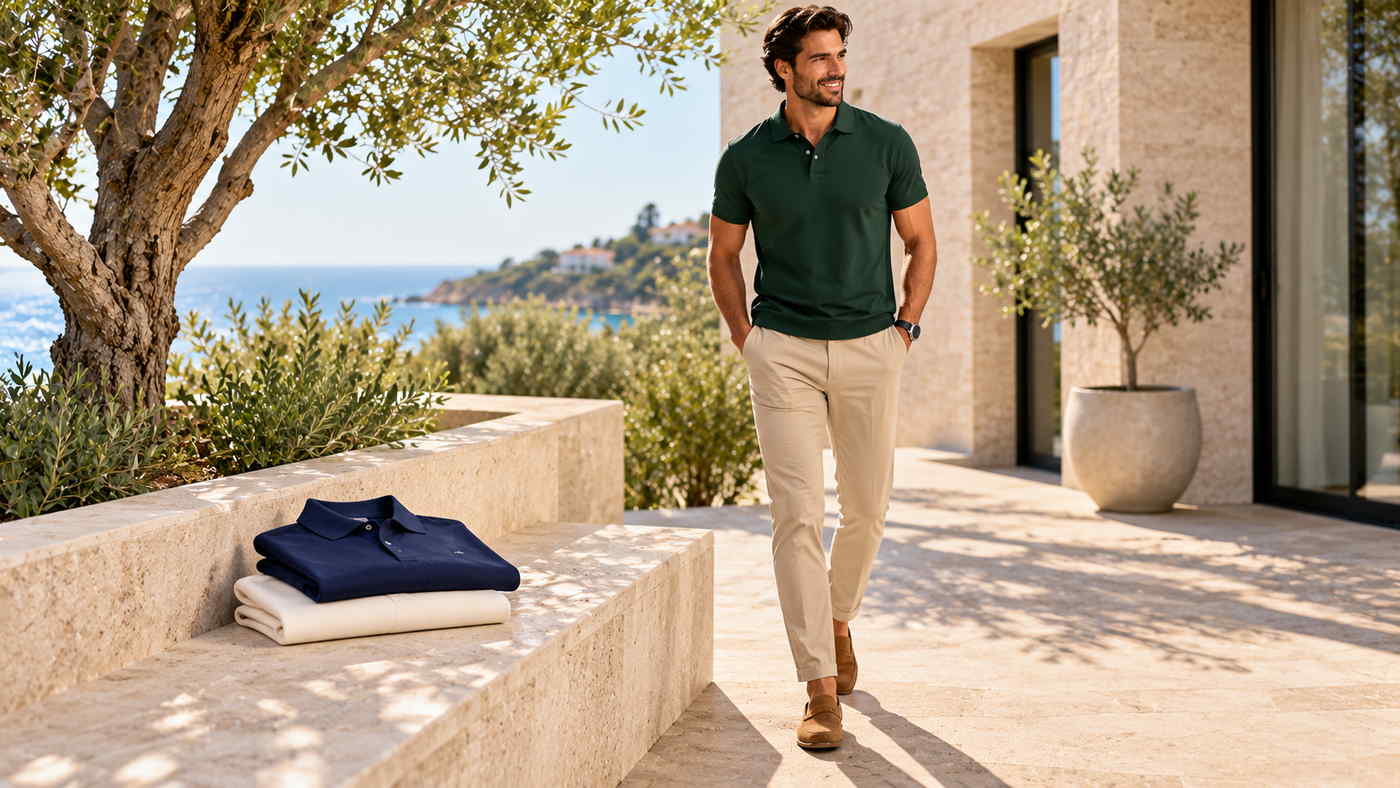
Finding clothing that balances comfort, versatility, and style is not always easy. Some shirts look too formal for everyday activities, while others appear too casual for work or social gatherings. This is where polo shirts for men offer a practical solution.
With their recognizable collars, short button plackets, and comfortable fabrics, polo shirts combine the relaxed feeling of a T-shirt with the cleaner appearance of a collared shirt.
Whether you are dressing for a casual office, weekend outing, summer vacation, or dinner with friends, a well-fitting polo can help create a polished look without requiring complicated styling.
This guide explores the most important polo shirt styles, fabrics, fits, and colors, along with nine practical tips for choosing the right options for your wardrobe.
Why Polo Shirts Remain a Men’s Fashion Essential
Polo shirts have remained popular because they work across different seasons, occasions, and personal styles.
Their roots are closely associated with sports, particularly tennis, where breathable cotton piqué shirts helped provide greater comfort and freedom of movement than traditional formal sporting attire.
Over time, the polo developed into a familiar piece of casual American fashion.
Today, men’s polo shirts are available in a variety of materials, including cotton, stretch blends, performance fabrics, and refined knitted constructions.
They can be paired with jeans, chinos, tailored trousers, and shorts.
The key to making them look good is choosing an appropriate fit, understanding fabric characteristics, and coordinating the shirt with the rest of your outfit.
Different Types of Polo Shirts for Men
Not all polo shirts are designed for the same purpose. Understanding their differences makes shopping easier.
Classic Piqué Polo Shirts
Piqué polos feature a textured knit structure traditionally associated with tennis clothing.
The fabric often provides a balanced combination of breathability, structure, and everyday comfort.
A classic cotton piqué polo works particularly well with chinos, jeans, and casual shorts.
Its slightly textured surface makes it suitable for people who prefer a timeless, understated appearance.
Smooth Cotton Polo Shirts
Smooth cotton polos generally have a finer surface than traditional piqué designs.
Some use interlock knitting, which creates a soft and relatively substantial fabric.
These styles can look more refined and may work well for business-casual outfits.
Pair a smooth cotton polo with tailored trousers and loafers for a simple, coordinated appearance.
Performance Polo Shirts
Performance polos use fabrics selected for characteristics such as moisture management, stretch, and quick drying.
They may be useful for outdoor activities, travel, golf, or particularly warm weather.
However, performance characteristics vary between individual products.
Always review the fabric composition and stated product features before assuming a particular shirt provides UV protection or moisture-wicking performance.
Long-Sleeve and Knitted Polos
Long-sleeve polos provide additional coverage and can be useful during transitional seasons.
Sweater polos and other knitted designs offer a more substantial texture, making them suitable for slightly dressier outfits.
A fine-knit polo under a casual jacket can create a polished look without requiring a traditional dress shirt.
How to Choose the Right Polo Shirt Fit
Fit is one of the most important considerations when selecting men’s clothing.
Even a premium polo shirt may appear awkward if it is too tight across the shoulders or excessively loose around the waist.
Slim Fit vs. Regular Fit
Slim fit polos sit closer to the chest and torso, creating a more tailored silhouette.
They may suit people who prefer a fitted appearance, provided the fabric does not pull uncomfortably when moving.
Regular fit polos generally offer more room through the body and sleeves.
They are useful for people who prefer classic styling and additional movement space.
Tommy Hilfiger’s official polo guide distinguishes its slim and regular fits by their construction and overall silhouette.
Exact measurements vary by brand and product, so size labels alone should not determine your choice.
Check These Three Fit Details
First, shoulder seams should generally sit near the natural shoulder edge.
Second, the sleeves should allow comfortable arm movement without appearing disproportionately wide or tight.
Third, the hem should provide appropriate coverage when standing, sitting, or reaching.
Try moving naturally rather than judging the shirt only while standing still in front of a mirror.
Best Fabrics for Comfort and Everyday Wear
Fabric affects how a polo shirt looks, feels, and performs throughout the day.
Cotton
Cotton is popular for its natural feel and comfortable everyday wear.
Traditional cotton piqué is often a good choice for casual clothing, while smoother cotton constructions can create a neater appearance.
However, cotton garments can vary in thickness, softness, and shrinkage behavior.
Cotton Blends
Cotton blended with elastane may provide additional stretch.
Cotton-polyester blends can offer different drying, durability, and moisture-management characteristics depending on their construction.
For example, Tommy Hilfiger offers certain wicking piqué polos made from a cotton and polyester blend.
This does not mean every shirt within a brand uses the same fabric combination.
Linen Blends and Knitted Fabrics
Linen blends may provide a light, textured appearance suitable for warm-weather styling.
Knitted polos can create a more elevated look, particularly when paired with tailored clothing.
Choose fabric according to climate, activities, personal comfort, and the amount of maintenance you are willing to perform.
9 Smart Tips for Buying and Styling Polo Shirts
1. Start With Versatile Neutral Colors
Navy blue, white, charcoal, black, and beige are useful starting points.
These shades pair easily with many trousers and shoes.
A navy polo with stone chinos creates a dependable casual outfit, while a cream polo with dark denim offers a clean, contemporary appearance.
2. Prioritize Fit Over Brand Names
A familiar label does not guarantee that every design will fit you perfectly.
Compare shoulder placement, chest room, sleeve shape, and overall length.
A moderately priced shirt that fits well can create a better appearance than an expensive one with unsuitable proportions.
3. Match the Fabric to the Weather
For warm summer days, consider breathable fabrics and comfortable cuts.
For active outdoor use, suitable moisture-wicking materials may be helpful.
During cooler months, long-sleeve or knitted polos can offer additional styling options.
4. Pair Polos With Well-Fitting Chinos
Chinos are among the easiest trousers to coordinate with polo shirts.
Beige, navy, olive, and gray chinos work particularly well with solid-colored polos.
For smart-casual events, complete the outfit with clean leather sneakers or loafers.
5. Experiment With Textures
A classic piqué polo introduces subtle texture without requiring bold patterns.
Alternatively, a finely knitted polo can provide a more refined appearance.
Keep the other pieces relatively simple when the shirt has a distinctive fabric or design.
6. Avoid Overly Tight Collars
A polo collar should sit comfortably around the neckline.
When buttoned, it should not create uncomfortable pressure.
If the collar spreads awkwardly or pulls across the chest, consider a different size or cut.
7. Choose Suitable Sleeve Lengths
Traditional short sleeves often finish around the middle of the upper arm, although current styles vary.
Long sleeves can provide useful versatility in cooler weather.
The best proportion depends on your personal preferences and the overall fit of the garment.
8. Keep Logos and Patterns Balanced
Solid colors and minimal branding offer flexibility.
Striped or color-blocked polos can also look stylish, particularly when combined with neutral trousers.
Avoid combining several visually dominant patterns unless you are deliberately creating a bold outfit.
9. Invest in Pieces You Will Actually Wear
Instead of purchasing numerous similar shirts, build a small selection suited to your lifestyle.
A classic navy polo, a light-colored cotton option, and one performance or knitted design may provide a useful foundation.
Add additional colors or fabrics when they serve a clear purpose.
How to Style Polo Shirts for Different Occasions
Casual Weekend Outfits
For an everyday look, pair a regular-fit polo with straight-leg jeans.
White sneakers, a simple watch, and minimal accessories complete the outfit.
A relaxed polo and lightweight shorts can also work well for summer outings.
Keep the overall proportions balanced, especially when combining looser trousers with a fitted shirt.
Business-Casual Clothing
A smooth cotton or fine-knit polo can be a useful alternative to a button-down shirt in workplaces with flexible dress codes.
Choose a clean, solid-colored shirt and combine it with tailored chinos or trousers.
A casual blazer can provide additional structure.
Always follow your workplace’s dress requirements, as some offices still expect traditional collared dress shirts.
Summer Travel and Vacations
Lightweight polos can be convenient when traveling because they work for multiple occasions.
A short-sleeve polo with chino shorts is suitable for relaxed daytime activities.
For an evening meal, switch to tailored trousers and loafers.
Select fabrics according to the destination’s weather and expected activities.
What to Check When Shopping Online
Online shopping makes it convenient to compare polo shirt styles, colors, and fabrics.
However, product photographs do not always communicate the precise fit or texture.
Review the size chart, fabric composition, fit description, and washing instructions before ordering.
It is also important to check the store’s shipping and return policies.
For example, shoppers browsing polo shirts for men through Tommy Hilfiger’s UAE storefront should confirm regional delivery eligibility and product availability.
American customers can separately explore the brand’s US collection.
Regional websites may offer different selections, pricing, sizing availability, and return arrangements.
How to Care for Polo Shirts Properly
Proper maintenance helps preserve a polo shirt’s appearance.
Always begin by reviewing the garment’s care label.
In the United States, the Federal Trade Commission’s Care Labeling Rule requires covered apparel to provide appropriate cleaning instructions.
Washing and Drying
Follow the specified washing temperature and cycle.
Sorting garments by similar colors can help reduce unwanted color transfer.
Avoid excessive heat when the label warns against it, and follow the recommended drying method.
Some polo shirts can be machine dried, while others may require more delicate handling.
Maintaining the Collar and Shape
Straighten the collar after washing and before drying.
Avoid unnecessary stretching or twisting of damp fabrics.
Fold or hang the shirt according to its construction and storage needs.
If ironing is permitted, follow the recommended temperature rather than applying high heat automatically.
Common Mistakes to Avoid When Buying Men’s Polos
A frequent mistake is selecting a shirt only because it looks attractive on a model.
Fit, body proportions, and comfort can differ significantly between individuals.
Another mistake is assuming that every cotton polo has the same fabric weight and feel.
Always examine the product description.
Avoid buying several unfamiliar sizes without checking measurements and return conditions.
Finally, do not neglect garment care. Even good-quality clothing can deteriorate prematurely when washed or dried incorrectly.
Frequently Asked Questions
1. What are the best polo shirts for men?
The best polo shirts combine a comfortable fit, suitable fabric, reliable construction, and styling that matches the wearer’s needs. Cotton piqué and smooth cotton are popular everyday options.
2. Should polo shirts be tight or loose?
A polo should fit comfortably through the shoulders, chest, and torso without excessive pulling or unnecessary bulk. Slim and regular fits offer different silhouettes.
3. Can men wear polo shirts for business casual?
Yes, many business-casual environments allow polos. Solid-colored cotton or knitted styles paired with tailored trousers are often appropriate, depending on workplace policies.
4. What pants look best with polo shirts?
Chinos, well-fitting jeans, tailored trousers, and casual shorts all work with polo shirts. Choose combinations according to the occasion and overall outfit proportions.
Conclusion
Polo shirts for men remain a dependable wardrobe essential because they combine casual comfort with timeless style.
Choosing the right shirt involves understanding fabric quality, fit, color, and how the garment works with your existing clothing.
Whether you prefer a classic cotton piqué polo, a smooth everyday design, or a modern performance option, focus on comfort and versatility.
A small collection of thoughtfully selected polos can support polished outfits for work, weekends, and travel.
