
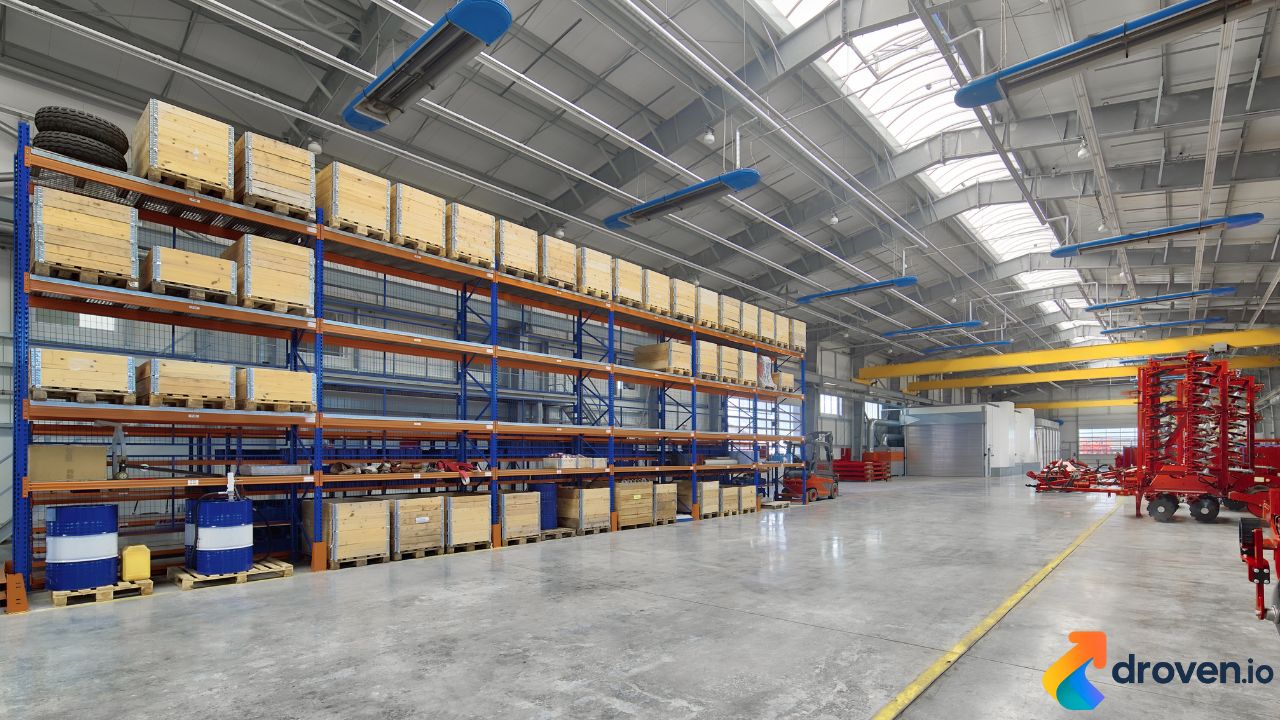
Modern industries often require large storage spaces that are durable, flexible, and cost-effective. One of the most practical solutions for such needs is the wide span sheds structure. These sheds are designed with large open interiors and minimal internal columns, allowing businesses to maximize usable space.
Wide span sheds are commonly used across agriculture, manufacturing, warehousing, and logistics sectors. Their design offers strong structural support while providing expansive areas for equipment, storage, and operational activities.
What Are Wide Span Sheds?
Wide span sheds are large structural buildings designed to cover wide areas without the need for multiple interior support columns. These structures typically use steel frames and engineered roofing systems that allow large spans across open spaces.
Because there are fewer internal supports, wide span sheds provide unobstructed floor areas that are ideal for storing machinery, vehicles, and large materials.
These structures are known for their durability, efficiency, and adaptability across multiple industries.
Key Features of Wide Span Sheds
Wide span sheds are engineered with several structural features that make them suitable for large-scale applications.
Large Open Interior Space
The main feature of wide span sheds is their ability to provide large interior areas without internal columns. This allows easy movement of vehicles, machinery, and equipment.
Strong Steel Framework
Most wide span sheds are built using structural steel frames, which provide strength, stability, and resistance to environmental conditions.
Flexible Design Options
These sheds can be customized to meet different business needs, including variations in height, width, roofing style, and ventilation systems.
Cost-Effective Construction
Wide span sheds often require fewer materials and less construction time compared to traditional buildings.
Benefits of Wide Span Sheds
Businesses choose wide span sheds because they offer several practical advantages.
Maximum Space Utilization
Without internal columns blocking the floor area, the entire interior space can be used efficiently.
Faster Construction
Prefabricated steel components allow wide span sheds to be constructed quickly compared to conventional buildings.
Durability and Strength
Steel structures are highly resistant to weather conditions, corrosion, and structural damage.
Adaptability
Wide span sheds can be modified or expanded to accommodate future business growth.
Common Applications of Wide Span Sheds
Wide span sheds are used in many industries where large covered spaces are required.
Agricultural Storage
Farmers often use wide span sheds to store tractors, harvesters, grain, and agricultural equipment.
These sheds also protect machinery from weather exposure.
Industrial Warehouses
Manufacturing and logistics companies use wide span sheds as warehouses for storing raw materials, finished goods, and machinery.
Aircraft Hangars
The aviation industry uses wide span sheds as aircraft hangars because they require large unobstructed interiors.
Vehicle Storage and Workshops
Transport companies use wide span sheds to store trucks, buses, and heavy vehicles.
They also serve as maintenance workshops.
Sports and Recreational Facilities
Large indoor sports arenas and training facilities sometimes use wide span shed structures to provide large covered areas.
Materials Used in Wide Span Shed Construction
Wide span sheds are typically constructed using durable and long-lasting materials.
Structural Steel
Steel frames form the primary support structure of most wide span sheds due to their strength and reliability.
Metal Roofing Sheets
Galvanized steel or aluminum sheets are commonly used for roofing because they resist corrosion and weather damage.
Insulated Panels
Some wide span sheds include insulated panels that help regulate indoor temperatures.
Concrete Foundations
Strong concrete foundations ensure stability and long-term durability of the structure.
Design Considerations for Wide Span Sheds
Designing a wide span shed requires careful planning to ensure safety and functionality.
Important design factors include:
- span width and building height
- load-bearing capacity
- ventilation and airflow systems
- lighting requirements
- drainage and roofing design
Engineers typically analyze structural loads such as wind pressure, rainfall, and snow accumulation before construction.
Maintenance of Wide Span Sheds
Regular maintenance helps extend the lifespan of wide span sheds.
Maintenance tasks may include:
- inspecting steel frames for corrosion
- cleaning roofing panels
- checking fasteners and structural connections
- maintaining drainage systems
Proper maintenance ensures the structure remains safe and functional for many years.
Why Businesses Prefer Wide Span Sheds
Many industries choose wide span sheds because they combine structural efficiency with cost savings.
These structures provide:
- large uninterrupted working spaces
- flexible building layouts
- quick installation timelines
- long-term durability
For businesses that require large storage or operational areas, wide span sheds offer an effective infrastructure solution.
Future Trends in Wide Span Shed Construction
Construction technology continues to improve the design and performance of wide span sheds.
Emerging trends include:
- energy-efficient roofing materials
- solar panel integration
- advanced steel engineering techniques
- smart ventilation systems
These innovations help businesses reduce operational costs while improving sustainability.
Conclusion
Wide span sheds provide a practical and efficient solution for industries that require large, unobstructed spaces. Their strong steel structures, flexible designs, and cost-effective construction make them ideal for agricultural, industrial, and commercial applications.
By offering maximum interior space and long-term durability, wide span sheds remain one of the most reliable building solutions for modern storage and operational needs.
FAQs
What are wide span sheds used for?
Wide span sheds are commonly used for warehouses, agricultural storage, aircraft hangars, and industrial facilities.
Why are wide span sheds built without internal columns?
The design allows for large open spaces that maximize usable floor area.
What materials are used in wide span shed construction?
They are typically built with structural steel frames, metal roofing sheets, and concrete foundations.
Are wide span sheds durable?
Yes, steel structures provide high strength and resistance to weather conditions.
Can wide span sheds be customized?
Yes, they can be designed with different sizes, heights, ventilation systems, and roofing options to meet specific needs.
