
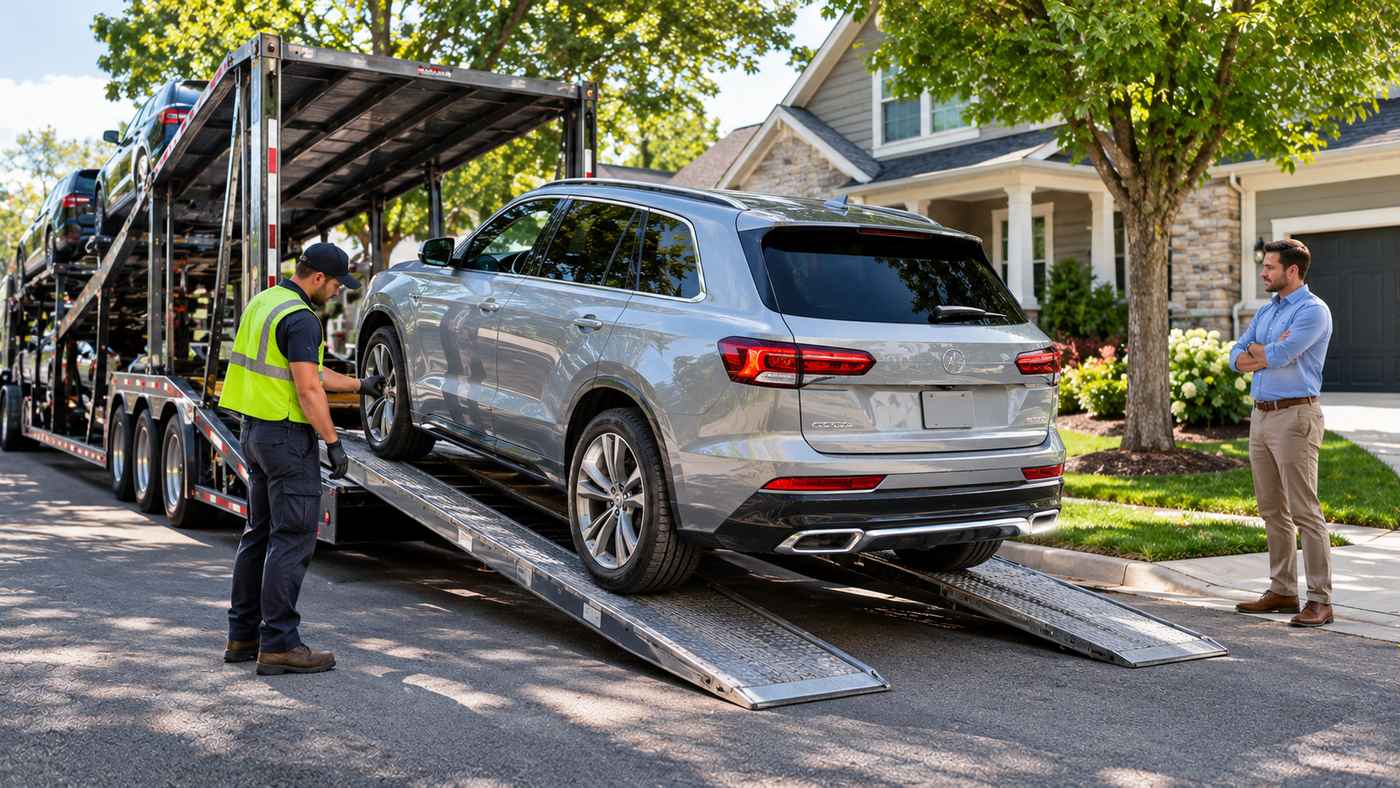
Moving a vehicle across cities or states can be challenging when you have limited time, unfamiliar transportation routes, or multiple relocation responsibilities. door to door auto transport offers a practical solution by arranging vehicle pickup and delivery at addresses selected by the customer, subject to safe truck access. Rather than driving hundreds or thousands of miles, vehicle owners can arrange professional transportation while focusing on other priorities.
However, choosing a reliable car shipping provider requires more than finding an affordable quote. Understanding carrier qualifications, transportation methods, insurance coverage, scheduling requirements, and vehicle preparation can help prevent unnecessary complications.
This comprehensive guide explains how residential vehicle shipping works, what influences transportation costs, and seven essential strategies for selecting a trustworthy service.
What Is Door to Door Auto Transport?
Door to door auto transport is a vehicle shipping service where a professional carrier collects a car from a designated location and transports it to a requested destination.
Pickup and delivery locations may include residential properties, offices, dealerships, storage facilities, or other accessible addresses.
The service is commonly used for interstate relocations, online vehicle purchases, seasonal travel, military transfers, and long distance vehicle transportation.
Unlike driving a vehicle yourself, professional auto shipping allows the car to travel on a specialized transportation trailer.
The service offers several practical advantages:
- Convenient vehicle collection and delivery.
- Reduced mileage added to the vehicle.
- Less personal driving time and travel planning.
- Transportation options for different vehicle types.
- Professional equipment designed for vehicle loading and securement.
- Flexible arrangements for residential and commercial locations.
These benefits make door to door auto transport attractive to individuals and businesses seeking a manageable vehicle relocation process.
Does Door to Door Shipping Mean Directly Outside Your Home?
Not necessarily.
Large vehicle carriers require substantial space for turning, parking, loading, and unloading. Narrow residential streets, low bridges, overhead branches, and local commercial vehicle restrictions may prevent direct access.
When this happens, the driver generally coordinates a nearby safe meeting location, such as a shopping center parking lot or another accessible area.
Consumer Reports confirms that large carriers may need customers to meet them away from their residential addresses when truck access is restricted. Consumer Reports
Communicating potential access difficulties before booking helps reduce last minute complications.
Door to Door Shipping vs Terminal Shipping
Understanding the differences between transportation methods can help customers select a suitable service.
With door to door shipping, the carrier arranges pickup and delivery near the locations specified in the booking.
Terminal shipping requires the vehicle owner or another authorized person to leave the car at a designated facility and collect it from another terminal.
Terminal services may offer scheduling flexibility in certain situations, but customers must account for travel to the facility, storage conditions, and any additional charges.
Door to door shipping generally offers greater convenience, particularly when customers are moving to unfamiliar locations or cannot easily visit transportation terminals.
How Does Door to Door Auto Transport Work?
The transportation process usually involves several stages, beginning with a shipping estimate and ending with an inspection at delivery.
Understanding each stage helps vehicle owners organize their schedules and recognize potential problems.
Step 1: Request a Vehicle Shipping Quote
Customers begin by providing the transportation company with relevant shipment information.
A typical quote request includes:
- Vehicle make, model, and year.
- Pickup city and postal code.
- Delivery city and postal code.
- Preferred transportation dates.
- Vehicle operating condition.
- Preferred open or enclosed transportation method.
- Any modifications affecting vehicle dimensions or ground clearance.
Accurate information helps providers estimate the necessary equipment, route availability, and transportation requirements.
A quote based on incomplete information may need revision when the carrier learns additional details.
Step 2: Confirm Booking and Carrier Assignment
After reviewing the estimate, the customer confirms the booking according to the company’s agreement.
Some businesses operate their own transportation equipment, while others arrange shipping through independent carriers.
Customers should establish which company will physically move the vehicle.
Before pickup, confirm the carrier’s identity, transportation arrangements, payment terms, and relevant insurance documentation.
Step 3: Prepare the Vehicle for Collection
Before the scheduled pickup, the owner should clean the vehicle, remove valuables, check its operating condition, and photograph its exterior.
The driver and customer ordinarily inspect the vehicle before loading.
Existing scratches, dents, and other visible damage should be documented on the vehicle condition report or bill of lading.
Once the inspection is completed, the vehicle is loaded and secured according to the carrier’s procedures.
Step 4: Transportation and Delivery
During transportation, the driver follows an assigned route that may involve collecting or delivering other vehicles.
Traffic conditions, weather, regulatory driving limits, equipment problems, and route changes can affect arrival estimates.
At delivery, the recipient should inspect the vehicle before completing the final paperwork.
Any newly discovered damage should be recorded immediately, following the carrier’s documented claims procedures.
7 Essential Tips for Choosing Reliable Door to Door Auto Transport
Selecting the right transportation provider requires evaluating safety, cost, communication, and service quality.
The following seven recommendations can help customers make informed shipping decisions.
1. Verify the Transportation Company’s Registration and Reputation
One of the most important steps is confirming that the company operates under the appropriate transportation authority.
In the United States, interstate auto transport brokers and motor carriers are subject to Federal Motor Carrier Safety Administration registration requirements.
The FMCSA advises consumers to distinguish between companies arranging transportation and companies physically moving vehicles. FMCSA
A professional website alone does not prove that a company is properly authorized.
Before booking, investigate the company’s identity and regulatory information.
How to Verify a Vehicle Shipping Company
Start by requesting the company’s USDOT or MC identification number, as applicable.
Check the available public information through the FMCSA’s official company search systems.
Look for:
- The registered business name.
- Applicable operating authority.
- Company contact information.
- Relevant safety information.
- Consistency between registration records and booking documents.
Additionally, review customer experiences across independent platforms.
Pay particular attention to complaints involving unexpected charges, poor communication, missed pickup windows, or unresolved damage claims.
A history of transparent responses and clearly explained procedures is more useful than an impressive rating without supporting detail.
2. Compare Complete Shipping Quotes Instead of Choosing the Lowest Price
An inexpensive quote may appear attractive, but the lowest advertised price is not necessarily the most suitable offer.
Transportation estimates can vary because companies calculate carrier availability, route demand, equipment requirements, and operating expenses differently.
When comparing providers, ask exactly what the quoted amount includes.
Important questions include:
- Is the quote for door to door auto transport?
- Does the amount include the carrier’s transportation charge?
- Are fuel adjustments or other fees possible?
- Is the price guaranteed or subject to carrier acceptance?
- When is payment required?
- What are the cancellation and refund conditions?
Request written confirmation of the agreed terms.
Avoid relying exclusively on verbal promises because misunderstandings can occur when different representatives handle booking and dispatch.
The objective is to find a reasonable price supported by transparent service conditions.
3. Select the Appropriate Transportation Method
Customers typically choose between open and enclosed auto transportation.
The right option depends on vehicle value, condition, protection requirements, and budget.
Open Auto Transport
Open transportation uses trailers that carry vehicles on exposed loading decks.
It is commonly used to transport standard passenger cars, SUVs, and other everyday vehicles.
Open carriers can accommodate multiple automobiles, making them a practical option for many shipments.
However, transported vehicles remain exposed to outdoor conditions, including road dust, rain, and debris.
Enclosed Auto Transport
Enclosed transportation uses trailers with protective walls and roofing.
This service is often considered for classic cars, luxury vehicles, collector automobiles, and vehicles with specialized finishes.
The enclosed environment reduces exposure to weather and road debris during transportation.
However, enclosed shipping generally costs more because equipment availability and trailer capacity differ from open transportation.
Customers should evaluate the vehicle’s replacement value, condition, and protection requirements before selecting a service.
4. Book Early and Maintain Reasonable Scheduling Flexibility
Transportation schedules depend on more than the distance between pickup and delivery addresses.
Carriers must coordinate several shipments while considering traffic conditions, equipment availability, driver schedules, and route demand.
Booking ahead provides additional time to review service providers and arrange suitable transportation.
Customers with flexible pickup dates may have access to more carrier options.
When scheduling door to door auto transport, clarify whether the company is offering an estimated pickup window or a guaranteed appointment.
These arrangements are not interchangeable.
A requested shipping date does not automatically establish a guaranteed collection date.
Customers should also understand how delivery estimates are communicated and what happens when delays occur.
If the vehicle must arrive before an important event, explain that requirement before signing the agreement.
For especially time sensitive shipments, ask whether the provider offers a documented expedited service and what additional conditions apply.
5. Prepare Your Vehicle to Reduce Pickup Problems
Proper vehicle preparation protects personal belongings, supports accurate inspections, and helps the carrier load the automobile efficiently.
Begin by washing the exterior so scratches and existing cosmetic damage are easier to identify.
Remove valuable items and unnecessary personal belongings from the interior.
Many transportation companies restrict the amount and type of personal property permitted inside shipped vehicles.
Customers should confirm these restrictions directly rather than assuming belongings are covered by the carrier’s insurance.
Other important preparation steps include:
- Remove or deactivate toll payment transponders.
- Secure loose accessories and removable exterior equipment.
- Check for visible fluid leaks.
- Confirm that the battery is sufficiently charged.
- Ensure the tires are suitable for safe loading.
- Provide a working key or key fob.
- Communicate unusual vehicle starting or operating procedures.
- Disable alarms when instructed by the carrier.
Ask the transporter about its preferred fuel level before pickup.
If the vehicle is inoperable, disclose that condition when requesting the quote.
Nonrunning vehicles may require additional loading equipment and different transportation arrangements.
Taking these steps before collection can prevent avoidable delays.
6. Document the Vehicle’s Condition at Pickup and Delivery
A detailed vehicle inspection provides an important record if questions arise about damage during transportation.
Before releasing the car, take clear photographs showing its condition.
Photograph the front, rear, sides, roof where practical, wheels, and any existing damage.
For additional documentation, capture the odometer reading and relevant interior areas.
Ensure the images are clear and retain their original timestamps when possible.
Why the Bill of Lading Matters
The bill of lading is an important transportation document that commonly records shipment information and vehicle condition.
Review it carefully before signing.
Confirm that any existing damage is accurately noted during pickup.
Keep a copy of the completed documentation throughout the shipment.
At delivery, inspect the automobile before signing the final condition acknowledgment.
If new damage is visible, record the discrepancy on the delivery paperwork and take supporting photographs.
Do not sign a statement confirming an undamaged delivery when you have identified damage that has not been documented.
Accurate records can make subsequent communication with the carrier and insurer more effective.
7. Understand Insurance Coverage and Communication Responsibilities
Insurance is a critical consideration when selecting door to door auto transport.
However, not every transportation policy provides identical protection.
Commercial motor carriers have federal financial responsibility requirements, but liability coverage for the trucking operation is not the same as insurance covering vehicles being transported.
The FMCSA identifies different insurance and financial responsibility requirements according to the type of transportation business. FMCSA
Therefore, customers should request information about the assigned carrier’s cargo coverage.
Important details include:
- Whether the specific vehicle is covered.
- Applicable policy limits.
- Relevant exclusions.
- Deductibles or other claim conditions.
- Whether loading and unloading are included.
- The procedure for reporting damage.
Customers may also contact their personal automobile insurer to determine whether existing coverage applies during professional vehicle shipping.
Equally important is communication.
Confirm who will provide shipment updates, how to contact the driver or dispatcher, and whom to notify about delays.
Transparent communication and clearly documented responsibilities help customers manage transportation uncertainties.
What Determines the Cost of Door to Door Auto Transport?
The cost of shipping a vehicle varies according to the shipment’s requirements and prevailing transportation conditions.
There is no universally accurate fixed rate for every route.
A reliable estimate should consider the details of the actual shipment rather than applying a single advertised price.
Transportation Distance and Route Accessibility
Distance is a major pricing factor because longer routes generally require more driving time, fuel, and operational resources.
However, distance alone does not determine the final cost.
A shipment along a frequently traveled transportation corridor may attract different pricing from a similar distance involving remote locations.
Carrier access also matters.
Difficult residential streets, unusual loading requirements, and destinations far from established routes can affect transportation arrangements.
Vehicle Size, Weight, and Operating Condition
Larger and heavier vehicles occupy different amounts of trailer capacity.
SUVs, pickup trucks, and modified vehicles may therefore require different pricing from standard compact cars.
Nonrunning vehicles may incur additional charges because specialized loading equipment or extra handling may be necessary.
Customers should disclose vehicle modifications that affect height, width, weight, or ground clearance.
Seasonal Demand and Service Selection
Demand fluctuates throughout the year.
Relocation patterns, seasonal travel, and carrier availability can influence route pricing.
Open transportation is generally more economical than enclosed transportation, although actual estimates vary.
Expedited service may also increase the cost when special scheduling arrangements are required.
The most effective way to assess value is to compare written estimates for the same vehicle, route, transportation method, and pickup window.
Common Challenges During Vehicle Shipping
Even carefully planned vehicle transportation can involve unexpected circumstances.
Understanding these issues makes them easier to manage.
Delayed Pickup or Delivery
Weather, traffic congestion, mechanical problems, and scheduling changes can affect transportation timelines.
Customers should request updated estimates when delays occur and retain relevant communication records.
For time sensitive shipments, review the provider’s scheduling commitments before booking.
Restricted Residential Access
Some neighborhoods cannot accommodate large commercial trailers.
The carrier may arrange pickup or delivery at a nearby safe location instead.
Informing the dispatcher about road restrictions beforehand helps avoid confusion.
Unexpected Price Changes
Price disputes can arise when the original estimate excludes important information or the agreement permits certain adjustments.
Review the complete payment structure and request written clarification before authorizing additional charges.
Vehicle Damage Disputes
Damage disagreements become more difficult when inspection records are incomplete.
Clear photographs, accurate condition reports, and prompt reporting provide useful evidence.
Customers who believe a carrier or broker has engaged in deceptive or unauthorized practices can review the FMCSA complaint process. FMCSA
Who Should Consider Door to Door Auto Transport?
Door to door auto transport is suitable for several types of vehicle owners.
Individuals Relocating to Another State
People moving for employment, education, or family reasons may prefer transporting their vehicles while traveling separately.
This can simplify relocation logistics and reduce the need for extended personal driving.
Online Vehicle Buyers
Purchasing a vehicle from an out of state dealership or private seller may require transportation to the buyer’s location.
Professional shipping can help arrange vehicle collection without requiring the purchaser to make a long distance trip.
Military Personnel and Their Families
Military relocations frequently involve detailed scheduling and transportation arrangements.
Vehicle shipping may be useful when personal travel plans do not allow someone to drive an additional automobile.
Customers should verify whether any applicable relocation benefits or reimbursements cover their particular shipment.
Owners of Classic and Luxury Vehicles
Owners of valuable or collectible automobiles may prefer professional transportation with specialized handling requirements.
Enclosed carriers can provide additional protection from external exposure.
The carrier’s experience, loading equipment, and insurance arrangements should be carefully evaluated.
How to Choose a Vehicle Shipping Service With Confidence
Before confirming a booking, consider the entire service experience rather than focusing exclusively on price.
A trustworthy provider should clearly explain its role, identify the transportation arrangements, disclose important charges, and provide accessible customer support.
The booking agreement should establish the agreed service, relevant scheduling conditions, payment requirements, and cancellation terms.
The provider should also explain how vehicle inspections work and where customers can obtain information about insurance and damage claims.
Customer reviews can contribute useful context, but they should support independent verification rather than replace it.
For interstate United States transportation, the FMCSA’s official resources provide a valuable starting point for checking registration and regulatory information.
Most importantly, customers should understand the agreement before releasing their vehicle.
Frequently Asked Questions
1. What is door to door auto transport?
Door to door auto transport is a service in which a carrier collects and delivers a vehicle at or near the customer’s specified addresses, subject to safe and legal truck access.
2. How much does door to door auto transport cost?
Pricing depends on transportation distance, vehicle size, route demand, carrier availability, shipment timing, and whether open or enclosed transportation is selected.
3. Is door to door auto transport safe for vehicles?
Professional vehicle shipping can be a practical option when the carrier uses appropriate loading equipment and securement procedures. Verify the company’s authority, insurance, and handling practices before booking.
4. How long does door to door auto transport take?
Transit time depends on distance, routing, traffic, weather, and carrier scheduling. Request estimated pickup and delivery windows rather than assuming a guaranteed arrival date.
5. Can I leave personal belongings inside my car during shipping?
Carrier policies vary, and personal belongings may be restricted or excluded from cargo insurance. Remove valuables and confirm the company’s rules before pickup.
6. What happens if my vehicle is damaged during transportation?
Document the damage on the delivery inspection, take photographs, notify the carrier promptly, and follow the applicable claims process. Keep copies of all shipping documents.
Conclusion
Door to door auto transport provides a convenient way to move vehicles without undertaking a lengthy personal driving journey. Choosing an appropriately authorized carrier, reviewing transportation costs, preparing the vehicle, and understanding insurance coverage can make the experience more predictable. Careful documentation and clear communication are equally important throughout pickup, transportation, and delivery. By following these seven practical recommendations, vehicle owners can make informed decisions and approach their next shipment with greater confidence.
