
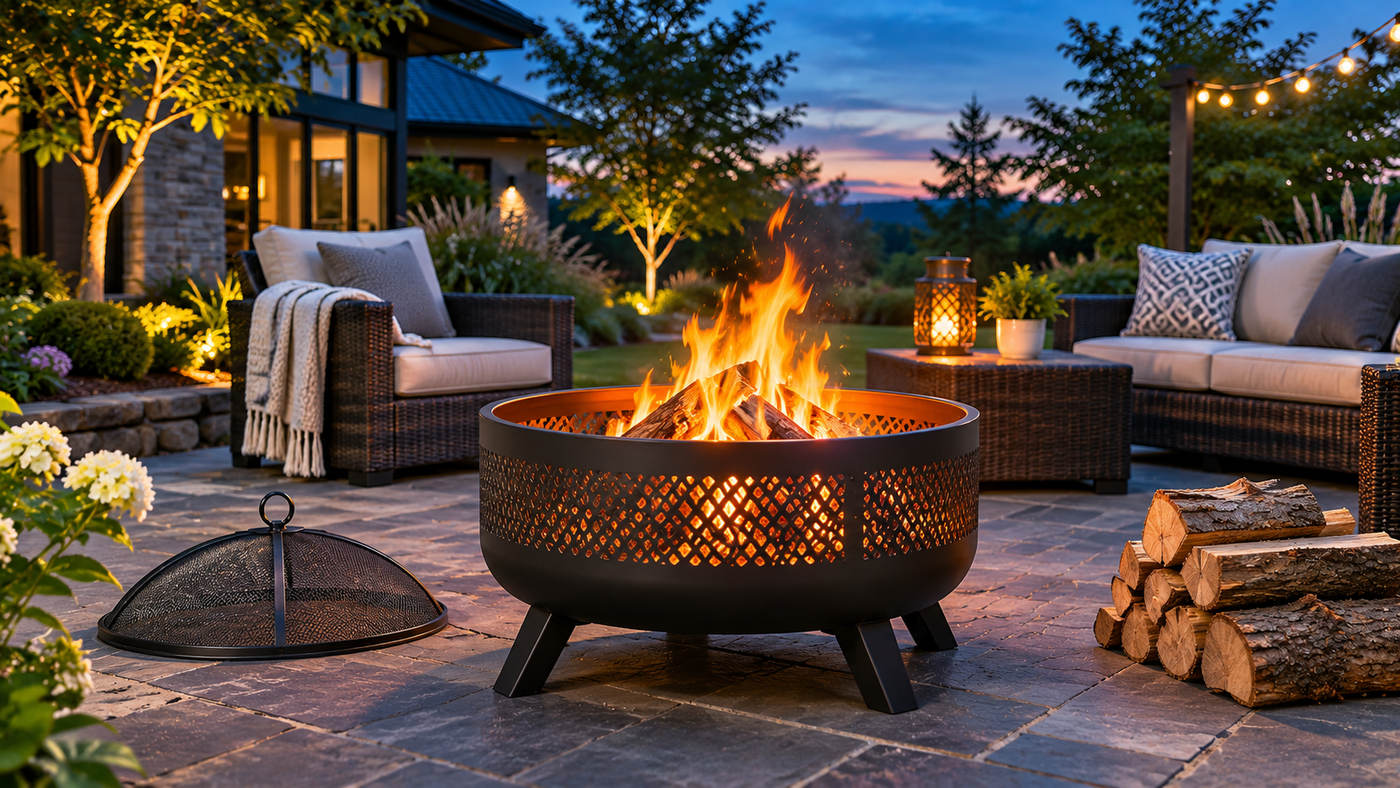
Creating a comfortable outdoor living space is one of the most rewarding ways to improve your home’s atmosphere. Whether you have a spacious backyard, a landscaped garden, or a dedicated patio, adding warmth and attractive lighting can transform an ordinary outdoor area into a welcoming gathering place. A thoughtfully selected fire feature encourages relaxation, conversation, and memorable evenings with family and friends.
Modern fire pits are available in a wide variety of designs, materials, sizes, and fuel configurations. From traditional wood-burning models to convenient propane options and innovative smokeless designs, homeowners can find solutions that complement different outdoor spaces and lifestyles.
However, selecting the right fire feature involves more than choosing an attractive design. Fuel requirements, placement, maintenance, local regulations, and safety considerations all influence the overall experience.
This comprehensive guide explains the different types of fire pits, their benefits, essential buying considerations, practical design ideas, and maintenance tips to help homeowners create a comfortable and attractive outdoor environment.
What Are Fire Pits and Why Are They Popular?
A fire pit is an outdoor structure or appliance designed to contain a controlled fire for warmth, atmosphere, and, where specifically designed for it, cooking.
Traditional models commonly use wood, while modern alternatives may operate on propane or natural gas. Many are manufactured from steel, cast iron, stone, or other heat-resistant materials.
Fire pits have become popular additions to outdoor living areas because they combine practical functionality with visual appeal.
Create a Comfortable Gathering Space
An outdoor fire feature naturally creates a focal point for seating areas.
Family members and guests can gather around the warmth, enjoy conversations, and spend time outdoors during cooler evenings.
This makes fire pits particularly suitable for patios, gardens, and dedicated entertainment areas.
Extend Outdoor Enjoyment
Cool temperatures can limit how frequently people use their outdoor spaces.
A suitable fire feature can provide localized warmth and encourage people to enjoy their patios during cooler seasons.
Actual comfort depends on factors such as wind, outdoor temperature, fuel type, and fire pit size.
Add Visual Interest to Backyard Design
The appearance of flames can complement different landscaping styles.
A minimalist steel design may suit a contemporary patio, while a stone-inspired structure can create a more traditional atmosphere.
Fire pits can become an important visual element even when they are not in use.
Different Types of Fire Pits for Outdoor Living
Choosing the right type of fire pit is an important first step.
Different designs offer distinct advantages, operating requirements, and maintenance responsibilities.
1. Wood-Burning Fire Pits
Wood-burning fire pits offer a traditional outdoor fire experience.
They produce the familiar sound of crackling logs, visible flames, and natural wood aromas.
These models are available in several shapes, including round bowls, square structures, and decorative metal containers.
Advantages of Wood-Burning Fire Pits
Wood-burning models appeal to homeowners who enjoy a traditional campfire atmosphere.
They also provide flexibility in design and do not require a gas connection.
Some purpose-built models include cooking grates, although cooking should only be attempted when the manufacturer specifically approves the appliance for that use.
Important Considerations
Wood produces smoke, sparks, ash, and embers.
Homeowners must follow local burning regulations, maintain suitable clearances, and use the appliance responsibly.
Wood-burning models also require cleaning and appropriate firewood storage.
2. Propane Fire Pits
Propane fire pits use gas fuel to create controlled flames.
Many include adjustable controls that allow users to change the flame intensity.
These models are commonly selected by homeowners who prefer convenient ignition and minimal ash cleanup.
Advantages of Propane Models
Propane eliminates the need to store and handle firewood.
It generally produces less visible smoke than a traditional wood fire and offers straightforward operation when the appliance is properly maintained.
Some designs feature integrated propane cylinder compartments or decorative fire glass.
Important Considerations
Propane appliances must be used according to manufacturer instructions.
Cylinder storage, connections, ventilation, and approved clearances are essential safety considerations.
Gas fire pits should never be operated indoors or in enclosed spaces.
3. Smokeless Fire Pits
Smokeless fire pits are designed to reduce visible smoke through improved airflow and combustion.
Some wood-burning models use double-wall construction and secondary combustion to burn a portion of the gases and particles that would otherwise contribute to smoke.
However, the word smokeless does not mean completely smoke-free.
Why Smokeless Designs Are Popular
Reduced smoke can make gatherings more comfortable, particularly when guests are seated around the fire.
These models can also reduce the amount of smoke directed toward outdoor furniture and clothing.
What Buyers Should Know
Performance varies depending on design, fuel quality, weather conditions, and operating practices.
Wet wood and poor airflow can still produce substantial smoke.
4. Outdoor Fireplaces and Chimineas
Outdoor fireplaces and chimineas provide alternative ways to introduce fire into a backyard.
A chiminea typically features an enclosed fire chamber with a chimney-like structure.
Outdoor fireplaces may have larger architectural designs and dedicated openings for viewing flames.
These options can create a more defined visual centerpiece.
However, installation, ventilation, clearance, and maintenance requirements may differ from those of open fire pits.
7 Essential Factors to Consider Before Buying a Fire Pit
Selecting the right fire feature requires evaluating your outdoor environment and intended use.
The following seven considerations can help narrow your choices.
1. Choose the Right Size for Your Backyard
Fire pit size affects both visual appearance and practical functionality.
A large model may overwhelm a compact patio, while a very small design may look disproportionate in a spacious entertainment area.
Measure the Available Space
Before selecting a product, measure the area where it may be installed.
Consider the appliance’s dimensions, required clearances, nearby structures, and seating arrangements.
Do not assume that a fire pit will fit safely simply because its base fits within the available patio space.
Consider Seating Requirements
Think about how many people are likely to use the area.
A small household may prefer a compact fire feature, while a larger family may want a layout that supports more seating.
Leave appropriate space for people to move safely around furniture without approaching hot surfaces.
Match the Design to the Landscape
Round fire pits often work well as central gathering features.
Square and rectangular models may complement modern patios with linear architectural elements.
The choice depends on personal style and the overall layout.
2. Prioritize Safe Placement and Clearances
Safety should be the most important consideration when planning a fire pit installation.
Open flames, radiant heat, sparks, and hot surfaces can create hazards when appliances are placed too close to combustible materials.
Maintain Safe Distances
The U.S. Fire Administration recommends keeping outdoor fire pits and fireplaces at least 10 feet away from homes and materials that can burn.
Always follow any greater clearance required by the manufacturer or local fire code.
Keep fire features away from fences, overhanging branches, patio covers, and other combustible objects.
Choose a Suitable Surface
Use the appliance only on a stable, level, noncombustible surface permitted by the manufacturer.
Stone, concrete, or properly designed heat-resistant surfaces may be suitable for some models.
Wooden decks and composite surfaces present additional fire and heat risks. Do not place an appliance on these surfaces unless its instructions and applicable rules expressly permit that installation.
Keep Children and Pets Away
Create a supervised safety zone around the fire.
The U.S. Fire Administration recommends keeping children and pets at least three feet away from fire pits.
Hot metal components can remain dangerous even after visible flames have disappeared.
Check Local Regulations
Municipalities and residential communities may restrict open burning, fuel types, fire pit placement, or use during periods of elevated fire danger.
Confirm applicable rules before purchasing or operating an outdoor fire feature.
3. Select the Most Suitable Fuel Type
Fuel choice influences convenience, atmosphere, operating expenses, and maintenance.
Wood for a Traditional Experience
Wood-burning models offer the familiar crackle and appearance of a campfire.
They are often preferred by homeowners who enjoy tending a small outdoor fire.
However, wood requires storage, ash removal, and attention to smoke direction.
Propane for Convenient Operation
Propane models can be useful for people who want predictable ignition and adjustable flames.
They avoid the routine ash removal associated with wood-burning models.
However, fuel cylinders need appropriate storage, inspection, and replacement.
Natural Gas for Certain Permanent Installations
Natural gas fire features may suit outdoor areas with a properly installed gas supply.
Installation should be performed by qualified professionals in accordance with applicable codes and manufacturer specifications.
Evaluate Long-Term Operating Costs
Consider fuel availability and expected frequency of use.
A fire pit used occasionally may have different operating priorities from one used several evenings each week.
The most economical choice depends on local fuel prices and actual usage.
4. Compare Materials and Durability
Material selection influences how a fire pit looks, performs, and withstands outdoor exposure.
Steel Fire Pits
Steel is widely used because it can be formed into different shapes and decorative patterns.
Some models include protective coatings designed to reduce corrosion.
However, finishes can deteriorate with repeated exposure to moisture and high temperatures.
Stainless Steel
Suitable stainless steel grades can provide useful corrosion resistance.
The performance depends on the alloy, manufacturing quality, and environmental conditions.
Stainless steel is not entirely immune to discoloration or corrosion.
Cast Iron
Cast iron can retain heat effectively and offers a traditional appearance.
However, its weight and susceptibility to rust require consideration.
Proper cleaning and storage can help maintain the surface.
Stone and Stone-Effect Designs
Stone-style fire features can complement landscaped gardens and permanent outdoor entertaining areas.
Structural design and material suitability are important because not every decorative stone or concrete product is appropriate for direct exposure to intense heat.
Use only products and components intended for the specific fire application.
5. Create a Comfortable Outdoor Seating Layout
A fire pit can become the center of an attractive outdoor living area when the surrounding furniture is arranged thoughtfully.
Arrange Seating for Conversation
Consider positioning chairs in a layout that allows guests to interact comfortably.
Circular and semi-circular arrangements can encourage conversation.
Maintain the manufacturer’s required separation between seating and the fire.
Choose Appropriate Outdoor Furniture
Look for materials suited to outdoor weather conditions.
Patio furniture may include aluminum frames, suitable outdoor fabrics, or treated wood components.
Keep cushions, blankets, and other combustible items beyond the required safety clearances.
Add Lighting Carefully
Outdoor lighting can improve visibility and create atmosphere.
Pathway lights and landscape lighting may help guests navigate the area safely after dark.
Use suitable outdoor-rated electrical equipment and maintain safe distances from heat sources.
Consider Wind Direction
Wind can affect flame behavior, smoke movement, and comfort.
Avoid locations where prevailing winds may push smoke toward doors, windows, or seating.
Do not operate the appliance during unsafe wind conditions.
6. Look for Useful Features and Accessories
Additional features can influence usability, maintenance, and convenience.
Spark Screens
Some wood-burning models include metal spark screens designed to help limit escaping sparks.
These should be used according to the manufacturer’s instructions.
A spark screen does not remove the need for supervision or safe placement.
Fire Pokers and Handling Tools
Purpose-designed tools allow users to adjust burning logs without reaching directly into the fire.
Use suitable heat-resistant equipment and follow safe handling practices.
Protective Covers
A weather cover can help protect a cooled, unused fire pit from rain and debris.
Never cover a hot appliance.
Confirm that the cover is compatible with the specific product.
Integrated Log Storage
Some outdoor fireplaces and fire pit designs provide compartments for storing logs.
Only use these compartments as instructed, and keep additional firewood away from hot surfaces.
Cooking Accessories
Certain products include approved grilling attachments.
For example, Sunjoy’s outdoor collection includes a 2-in-1 chiminea and grill design alongside wood-burning fire bowls, smokeless models, and outdoor fireplaces.
Always confirm cooking suitability from the exact product specifications rather than assuming that any fire pit can safely function as a grill.
7. Consider Budget, Maintenance, and Long-Term Value
A fire pit should fit your budget while meeting relevant performance and safety requirements.
The lowest purchase price does not always provide the best long-term value.
Compare Product Features
Evaluate the material, dimensions, fuel type, construction, included accessories, and warranty terms.
A well-made product suitable for your environment may offer better value than an attractive model requiring frequent replacement.
Include Operating Expenses
Wood, propane, cleaning products, and replacement components can create ongoing costs.
Some permanent installations may also involve professional labor or site preparation.
Review Maintenance Requirements
Wood-burning models generally require ash removal and surface cleaning.
Gas models need appropriate inspections of burners, connections, and other components according to the manufacturer’s instructions.
Check Assembly and Warranty Information
Before buying, review assembly requirements, maintenance guidance, warranty coverage, and replacement-part availability.
Clear documentation can help avoid unexpected installation and servicing problems.
Fire Pit vs. Outdoor Fireplace: Which Is Better?
Both options provide outdoor warmth and visual appeal, but they create different experiences.
| Feature | Fire Pit | Outdoor Fireplace |
|---|---|---|
| Typical layout | Central gathering feature | More directional focal point |
| Common design | Open bowl or contained burner | Structured fire chamber |
| Installation | Portable or permanent | Often larger or more permanent |
| Seating | Often arranged around the unit | Often arranged facing the opening |
| Maintenance | Depends on fuel and model | Depends on construction and fuel |
| Space requirements | Compact options available | Many require more dedicated space |
A fire pit may suit a flexible backyard seating area.
An outdoor fireplace may be preferable for homeowners who want a more architectural feature.
Neither is inherently safer; installation and operating requirements depend on the actual appliance.
Creative Fire Pit Ideas for Different Backyard Styles
Thoughtful landscaping can help a fire feature complement the surrounding outdoor space.
Modern Minimalist Patio
Choose a simple metal design with clean lines and a restrained color palette.
Pair it with suitable patio furniture, natural stone paving, and subtle landscape lighting.
Avoid overcrowding the area with decorative objects near the appliance.
Rustic Garden Retreat
A traditional wood-burning design can complement a garden with natural materials and soft landscaping.
Stone pathways and carefully placed seating can create a relaxed atmosphere.
Keep vegetation and wooden accessories outside the necessary fire safety clearances.
Contemporary Outdoor Lounge
A gas fire feature can form part of an organized patio lounge.
Choose furniture designed for outdoor conditions and incorporate comfortable seating at an appropriate distance.
Small Backyard Gathering Area
Compact designs can work well when space is limited.
However, restricted space does not justify reducing required safety clearances.
If the available area cannot accommodate an open flame safely, consider suitable non-flame outdoor lighting or other heating alternatives.
Spacious Entertainment Backyard
A larger backyard may allow a dedicated fire feature area separate from dining and cooking spaces.
Pathways, lighting, and a clearly defined layout can improve movement and organization.
How to Maintain a Fire Pit Properly
Routine maintenance helps preserve appearance and identify potential problems.
The correct procedure depends on the appliance and its materials.
Cleaning Wood-Burning Fire Pits
Allow the fire and ashes to cool completely before cleaning.
Use appropriate tools and follow the manufacturer’s ash disposal guidance.
Ash may retain heat long after visible flames disappear, so it should be handled cautiously and stored only in a suitable covered metal container placed away from combustibles.
Maintaining Metal Surfaces
Inspect exposed surfaces for rust, coating damage, and other signs of deterioration.
Clean according to the manufacturer’s recommendations.
Avoid applying unsuitable chemicals or coatings to surfaces that become extremely hot.
Inspecting Gas Components
Check the appliance according to the manufacturer’s maintenance instructions.
If there is a suspected gas leak, stop using the unit and follow appropriate safety procedures.
Never test for gas leaks using an open flame.
Protecting the Appliance From Weather
Keep the appliance clean and dry when not in use.
Use an appropriate cover only after it has cooled completely.
Follow manufacturer guidance for seasonal storage, especially where freezing temperatures or prolonged moisture exposure may affect components.
Environmental and Health Considerations
Outdoor fire features can produce pollutants, and the extent depends on the fuel and combustion conditions.
Wood smoke contains particulate matter and other substances that can affect air quality.
Individuals with asthma, other respiratory conditions, or sensitivity to smoke may experience additional discomfort.
Use Dry, Seasoned Firewood
Properly seasoned wood generally burns more efficiently and produces less smoke than wet wood.
The U.S. Environmental Protection Agency’s historical Burn Wise guidance recommends wood with a moisture content below 20 percent.
Dry wood should be stored appropriately and protected from excessive moisture.
Avoid Burning Treated Materials
Never burn painted or chemically treated wood, plastics, garbage, or unsuitable construction materials.
These can release harmful pollutants and create additional fire hazards.
Respect Neighbors and Local Air Quality Rules
Consider how smoke may travel into nearby homes or outdoor seating areas.
Some areas restrict wood burning during poor air quality conditions or elevated wildfire risk.
Follow local advisories and regulations.
Understand Smokeless Claims
Reduced-smoke designs can improve comfort, but they still produce combustion emissions.
They should never be used inside homes, garages, enclosed patios, or other inadequately ventilated spaces.
Common Fire Pit Buying Mistakes to Avoid
Several mistakes can reduce the usefulness or safety of an outdoor fire feature.
Choosing a fire pit that is too large: A product may fit physically while leaving inadequate clearance for people and surrounding materials.
Ignoring local regulations: Outdoor burning restrictions may limit where and when an appliance can be used.
Selecting the wrong fuel type: Consider whether you prefer maintaining a wood fire or using a properly installed gas appliance.
Underestimating maintenance: Wood-burning products require additional attention to ash, smoke, and firewood.
Buying based only on appearance: Review specifications, construction quality, safety information, and warranty coverage.
Using the wrong surface: Improper placement can damage decking or create a serious fire hazard.
Leaving a fire unattended: Even a small fire can become dangerous when supervision is absent.
Avoiding these errors can help homeowners make more confident decisions.
How to Choose the Best Fire Pit for Your Needs
Before purchasing, consider the following checklist:
- Determine whether you prefer wood, propane, or another approved fuel.
- Measure the available space and required safety clearances.
- Check local outdoor fire regulations.
- Compare construction materials and durability.
- Review assembly and maintenance instructions.
- Evaluate seating arrangements and access routes.
- Consider smoke exposure and neighboring properties.
- Check whether useful accessories are included.
- Review warranty information and replacement parts.
- Choose a product that matches your budget and intended use.
Taking time to compare these factors can help narrow the available options.
Frequently Asked Questions About Fire Pits
1. Are fire pits safe to use in a backyard?
Fire pits can be used safely when appropriate precautions are followed. Use the appliance outdoors, maintain required clearances, supervise the fire, keep children and pets away, and comply with manufacturer instructions and local regulations.
2. Which is better: wood-burning or propane fire pits?
Wood-burning models provide a traditional campfire experience, including crackling logs and natural flames. Propane models offer convenient ignition and less ash. The better choice depends on your preferences, available space, operating requirements, and local rules.
3. Do smokeless fire pits really produce no smoke?
No. Smokeless fire pits are designed to reduce visible smoke, but they can still produce emissions. Fuel quality, airflow, and weather conditions affect performance.
4. Can a fire pit be left outside during winter?
Many outdoor fire pits are designed to withstand normal weather exposure, but durability depends on the materials and manufacturer recommendations. Cleaning, drying, covering, and appropriate seasonal storage can help reduce deterioration.
Conclusion
Fire pits can transform ordinary outdoor areas into inviting spaces for relaxation and social gatherings. Whether you prefer the traditional atmosphere of a wood-burning model, the convenience of propane, or the reduced smoke of an advanced design, choosing the right product requires attention to size, construction, maintenance, and safety. With thoughtful placement and appropriate care, a well-selected fire pit can become an attractive and enjoyable feature of your backyard for years to come.
