
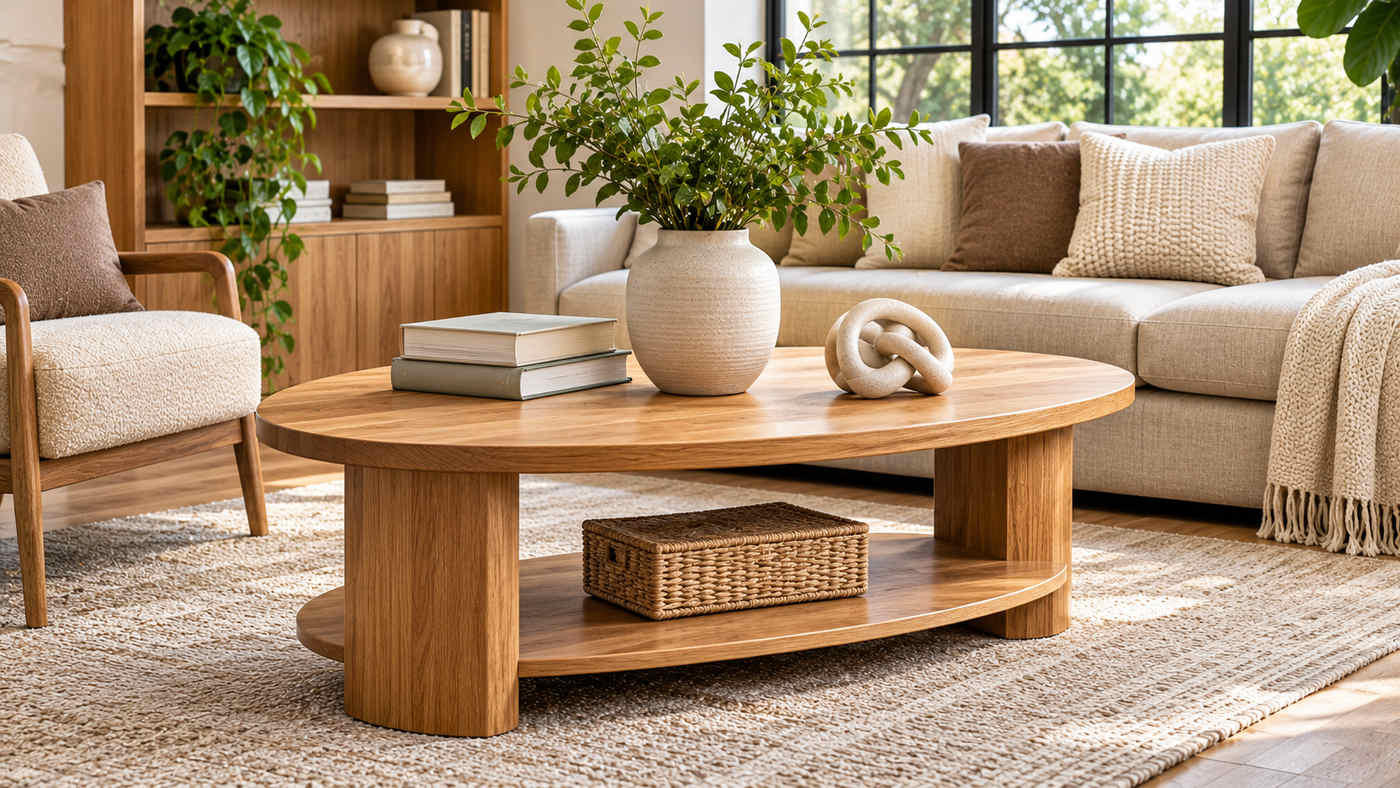
A living room can look beautiful in photographs and still feel awkward in daily use when its furniture does not fit the space. The coffee table often determines whether people can move comfortably, reach a drink, enjoy a board game, or keep everyday items organised. Selecting one is not just a question of finding a finish that matches the sofa. Height, width, shape, surface durability, storage, and stability all influence how successfully the piece serves a household. A thoughtful purchase balances appearance with the way people really live, including children, pets, occasional guests, and changes in furniture arrangements.
This guide explains seven practical buying decisions, how to calculate a suitable size, which materials suit different lifestyles, and how to evaluate quality before ordering. The goal is a living space that feels deliberate without sacrificing comfort or safe movement.
What Makes a Good Coffee Table?
A good coffee table provides a useful surface within comfortable reach of the main seating while preserving natural routes through the room. It should be stable under normal use, have a finish suited to the household, and support the activities planned for it. In some homes, that means a simple surface for drinks and books. In others, it means concealed storage, a raised work surface, or a pair of smaller tables that can be moved when guests arrive.
Furniture designers often suggest a table about two thirds of the sofa’s length, with its top around the height of the sofa seat or slightly below. These are starting points, not building rules. A sectional, unusually low sofa, mobility needs, or narrow floor plan can call for another arrangement. Real measurements and an in-room test matter more than strict adherence to a styling formula.
Function Should Guide the Design
Before choosing a coffee table, list what it will hold during an ordinary week. Consider a remote control, drinks, a laptop, reading material, or children’s games. This short exercise reveals whether a clear top, drawers, nesting pieces, or a lift top mechanism would genuinely be useful.
Why Proportion Changes the Entire Room
An oversized piece can obstruct circulation and dominate the seating area. One that is too small may force everyone to lean forward or stand up to reach it. The goal is not maximum surface area but a comfortable relationship between furniture and walking space.
Start With the Sofa, Not the Showroom Display
Measure the sofa’s usable seating length and height, then the open floor area. Showroom styling can make a large table appear compact because surrounding furniture is spaced unusually far apart.
7 Essential Tips for Choosing the Right Coffee Table
1. Measure Length, Height, and Walking Clearance
Start by measuring the sofa from end to end and noting how high the seat cushion sits above the floor. As a practical proportion, many designers suggest a table around two thirds as long as the sofa. For example, an 84 inch sofa suggests a surface around 56 inches long, assuming the room offers sufficient clearance. A shorter model may work better beside a chaise or in a narrow apartment.
The height of a coffee table deserves equal attention. Many conventional models are roughly 16 to 18 inches tall, but the right height depends on the actual seating. A tabletop level with the cushion or about one or two inches below it is often easy to reach. Measure from the floor to the cushion, and consider how far the cushion compresses when occupied. For a low lounge sofa, a lower surface can feel more comfortable than a typical showroom piece.
As a starting guideline, leave approximately 14 to 18 inches between the front of the sofa and the table. Where people walk around the opposite side, a wider route of about 30 to 36 inches may be helpful. These are design recommendations, not universal accessibility or building requirements. Adapt them to household mobility, door openings, and actual traffic patterns.
Test the Footprint Before Paying
Use painter’s tape to outline the coffee table dimensions on the floor. Sit on the sofa, extend your legs, walk through the room, and imagine reaching the far side. This low cost test often reveals problems that product photos conceal.
2. Choose a Shape That Supports the Seating Layout
Rectangular designs usually suit a conventional sofa and can provide a generous surface without excessive depth. An oval shape offers similar length with softer transitions around the ends. Round pieces can work well in compact spaces or between several seats because there are no sharp corners to pass. Square designs can serve a large sectional or a group of chairs arranged around a central point.
For a narrow living room, consider an elongated but shallow coffee table rather than a broad square one. In an open plan space, a substantial round design may help establish a clear seating zone. A pair of nesting tables can provide flexible reach from different seats and move aside for entertaining or exercise. However, nested pieces must be checked for stability when pulled apart.
The shape should also reflect where people approach the seating. A table placed in front of a hallway entry needs more careful edge clearance than one surrounded by generous floor space. In rooms with children learning to walk, rounded edges may reduce some collision risks, though they cannot eliminate injuries from falls or unstable furniture.
Balance Reach With Circulation
Sit in each main seat and check whether useful portions of the surface are comfortably accessible. A beautiful shape that serves only the person in the middle of the sofa may not be the best functional choice.
3. Compare Materials for Durability and Upkeep
Solid wood offers natural grain and can sometimes be repaired or refinished, depending on the finish and construction. It also responds to changing humidity and may show marks from standing water, heat, or sharp objects. Wood veneer can provide an attractive natural surface over engineered board, but its durability depends on veneer quality, edge finishing, and protection against moisture. Do not assume that every product described as wood has the same construction.
A glass coffee table may make a small room feel visually open, but fingerprints, sharp contact, and the safety of the glass deserve attention. The United States Consumer Product Safety Commission describes tempered glass as a safety measure for horizontal tabletops under a relevant voluntary standard. Tempered glass can still break, so confirm the product’s construction and inspect its edge support and stability rather than assuming it is unbreakable.
Stone, including marble and travertine, offers strong visual character but can be heavy and may need protection against stains or etching depending on the material and surface treatment. Metal can provide a slim structure, although certain finishes scratch or reveal fingerprints. Engineered surfaces may be convenient to clean, but inspect their edges and joint details carefully.
Ask for Care Instructions Before Buying
The right coffee table material is one you can maintain realistically. Ask which cleaners, heat limits, coasters, and protective treatments the manufacturer recommends. A beautiful surface that needs constant protection may not fit an active family household.
4. Decide Whether Storage Is Truly Necessary
Storage is valuable when it addresses a repeat problem rather than adding unnecessary visual bulk. A lower shelf can hold reading material or a shallow basket, while drawers hide small accessories. A trunk style table may hold blankets or games, but the lid needs safe and convenient access. A lift top design can create a raised surface for occasional laptop use or meals, provided the mechanism is robust and used according to its specifications.
When evaluating a storage coffee table, test how the compartments open while someone is seated. Drawers may require space that is normally occupied by the user’s knees. A heavy lid can become difficult to control, and a poorly balanced lifting top may create pinch points. Check the weight capacity both when the surface is lowered and, if applicable, when raised.
For households with children, consider whether small fingers can become trapped in moving parts and whether storage contains items that need to be kept out of reach. A lift top should not be treated as a replacement for a properly designed desk for long hours of computer work. Its height and stability may be convenient for brief tasks but unsuitable for sustained posture.
Avoid Turning Storage Into Clutter
Before choosing a coffee table with extra compartments, identify what will go inside and how often it is needed. A simple surface with a separate storage cabinet may be more useful if the table’s contents will rarely be accessed.
5. Check Stability, Construction, and Household Safety
A stable base matters more than a fashionable silhouette. On a showroom floor, apply gentle pressure in different directions to assess ordinary wobble without misusing the display. Look at how legs join the frame, whether fasteners are accessible, and whether the tabletop appears securely supported. On uneven floors, suitable adjustable feet may help, but they cannot compensate for weak structural construction.
For families, a coffee table should be assessed for exposed corners, heavy removable tops, sharp hardware, and mechanisms that could pinch fingers. Avoid placing heavy decorative objects where young children could pull them down. Keep small hazardous items out of accessible storage. If choosing glass, verify that the type and construction are intended for furniture and follow the manufacturer’s safety guidance.
A mobile table on casters may be useful in a multipurpose room, but check whether the wheels lock reliably and whether the surface remains stable when in use. Likewise, a pedestal or sculptural base can look striking without offering equal resistance to tipping in every direction. Product load limits and assembly requirements are relevant even for furniture that is not designed to carry a person.
Never Treat the Table as a Step Stool
Even a sturdy coffee table is not automatically engineered for someone to stand on it. Use an appropriate step stool or ladder and supervise children around furniture that can be climbed.
6. Match the Design to the Room Without Overdecorating
The ideal centrepiece should complement the broader living room rather than compete with every other item. In a minimalist interior, a simple oak or stone surface can bring warmth and texture. In a traditional room, turned legs or a softly detailed frame may relate well to existing woodwork. Metal and glass can suit industrial or contemporary furniture, while sculptural organic shapes provide a focal point in otherwise restrained spaces.
Consider colour, material contrast, and visual weight. A dark solid base may look imposing beside low, delicate seating, whereas a lightweight open frame can offer visual relief. If the sofa, rug, and flooring all share a similar tone, a contrasting finish can help define the coffee table without making the space feel crowded.
Styling is most successful when enough of the surface remains usable. A small tray can gather remotes, coasters, or candles; a single vase may add height; and a few books can introduce visual interest. Leave room to put down a drink safely and avoid obstructing sightlines across the seating area. Keep open flames away from flammable materials and children, or use safer alternatives.
Let Texture Do Some of the Work
A matte timber finish, woven basket, or ceramic accessory can create depth without many separate objects. Choose a small number of elements and adjust them as the room changes.
7. Compare Total Value, Delivery, and Long Term Flexibility
Price alone does not establish quality. A low cost coffee table may be a good choice for a temporary space, while a more durable model may justify a higher price when it will be used daily for years. Compare the exact materials, tabletop thickness, frame joints, finish warranty, and assembly requirements rather than paying for a product description that sounds luxurious.
Review shipping charges, delivery access, return terms, packaging disposal, and what happens if the item arrives damaged. Large stone or solid wood designs may require more than one person to move safely. Check whether furniture comes assembled and whether it can pass through stairwells, doorways, and lifts before ordering. Product dimensions should include any overhanging top or extended mechanism.
Think about future furniture changes. An adaptable shape and neutral finish may work with a different sofa, while a very specialised size may limit rearrangement. If sustainability is a concern, ask about repairable construction, verified material sourcing, replacement hardware, and the potential for resale instead of relying on vague environmental claims.
Inspect the Return Policy Closely
Check the time allowed for returns, the condition requirements, and whether return freight or restocking fees apply. Photograph packaging damage before assembly and keep essential paperwork until you are satisfied with the purchase.
Which Coffee Table Style Works Best in Different Homes?
Every living room imposes different practical requirements. A small apartment may benefit from a compact round design that leaves a clear walking route. A large family room can accommodate a longer top with space for shared activities. A rental home may call for something lightweight and easy to transport, while a permanent residence may justify more substantial materials.
Small Apartments and Narrow Living Rooms
Choose a modest footprint, rounded corners where appropriate, and an open base that leaves the floor visible. Nesting designs can offer occasional extra surface area without requiring the same permanent space. Measure the usable circulation path before choosing a broad top, and avoid assuming transparent glass solves a physical clearance problem.
Family Living Rooms With Children or Pets
Prioritise reliable stability, sensible corners, an easy to clean finish, and minimal small removable components. Test drawers or lifting mechanisms for pinch hazards and follow the assembly instructions exactly. Rounded edges can help with collisions, but active supervision and safe household habits are still important.
Contemporary Rooms and Open Plan Interiors
A long rectangular coffee table can align with a straight sofa and create a visual anchor. A round or organic shape may soften a room dominated by straight architectural lines. Match the scale to the seating group rather than the dimensions of the entire open plan floor.
Multipurpose Rooms and Work From Home Spaces
A lifting surface or movable nesting set may provide useful flexibility for short tasks. Check comfort, load ratings, and ease of adjustment, and keep a suitable desk or dining table available for work requiring ergonomic support or more equipment.
Frequently Asked Questions
1. What is the ideal coffee table height?
The tabletop is often easiest to use when level with the sofa seat or about one to two inches lower. Measure your own seating instead of relying on a fixed standard height.
2. How far should a coffee table be from the sofa?
A common starting point is approximately 14 to 18 inches, leaving room for legs and comfortable reach. Adjust for the room layout and household mobility needs.
3. Is a round or rectangular coffee table better?
Round designs can improve movement around compact seating groups, while rectangular tables often suit long sofas. Choose based on reach, walking space, and room shape.
4. Which coffee table material is easiest to maintain?
There is no universal winner. Sealed finishes and wipeable surfaces may be convenient, but durability depends on the specific construction and recommended care methods.
5. Are lift top coffee tables suitable for laptops?
Some work well for brief laptop use if the mechanism is stable and the raised surface has an appropriate load rating. They do not automatically replace an ergonomic workstation.
6. How can I make a coffee table safer for children?
Choose stable construction, consider softer edges, avoid accessible hazards and heavy loose objects, and follow assembly instructions. Supervision remains important around all furniture.
Conclusion
A well chosen coffee table should make the living room easier to use, not merely more photogenic. Start with sofa measurements and walking clearance, then weigh shape, materials, storage, and stability against the habits of the household. Check construction quality, delivery requirements, and surface care before buying, and use decoration sparingly enough to preserve the tabletop’s purpose. A thoughtful fit creates comfort, flexibility, and a more balanced space for everyday life.
