
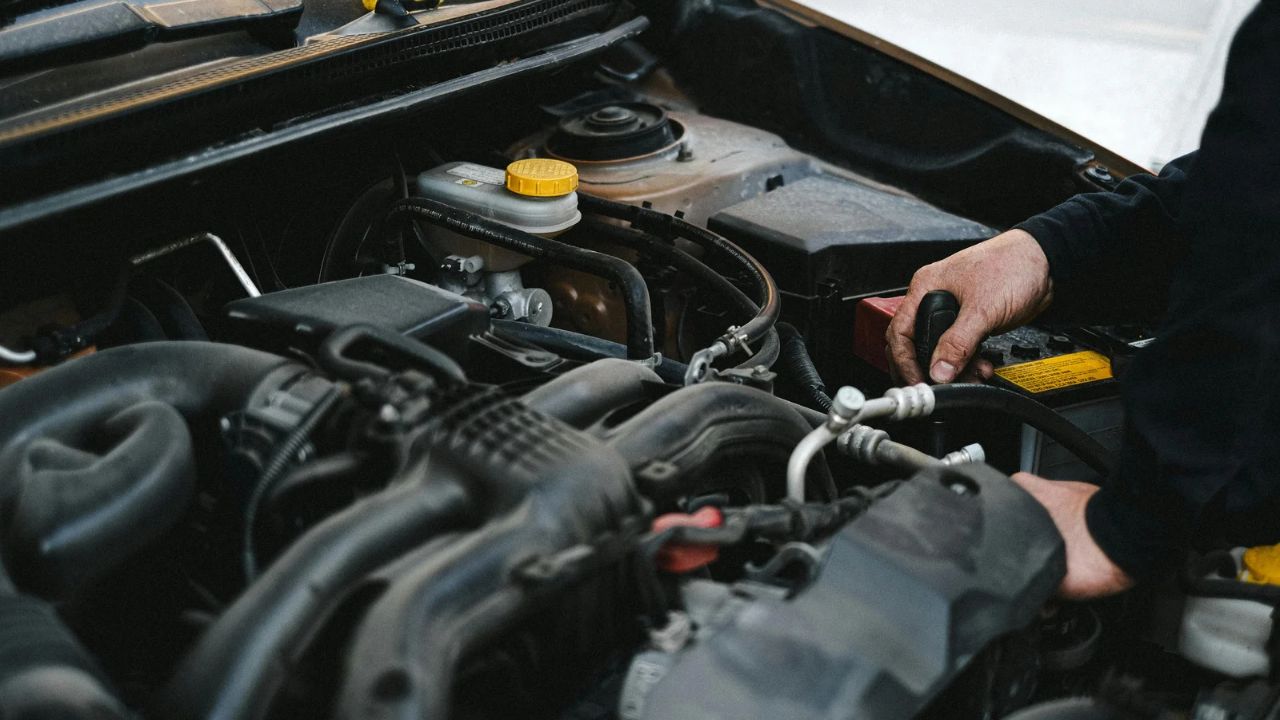
A belt tensioner is an essential part of a vehicle’s engine accessory drive system. It maintains appropriate tension on the serpentine belt, helping components such as the alternator, air conditioning compressor, and other belt driven accessories operate correctly. When the tensioner begins to fail, drivers may notice squealing noises, unusual belt movement, premature belt wear, or problems with connected accessories. Recognising these warning signs early can help prevent unexpected breakdowns and more expensive mechanical repairs.
Many drivers associate belt related noises with an ageing serpentine belt. However, the belt itself is not always responsible. A worn tensioner pulley, weakened spring mechanism, damaged bearing, or misaligned component can create similar symptoms.
Understanding how the tensioning system works makes troubleshooting more accurate. This guide explains common warning signs, possible causes, safe inspection methods, replacement considerations, and practical maintenance advice.
What Is a Belt Tensioner and Why Is It Important?
A belt tensioner is a mechanical component designed to maintain the correct amount of tension on an engine drive belt.
In many modern vehicles, a single serpentine belt transfers rotational power from the crankshaft pulley to several engine accessories.
The tensioner helps keep the belt engaged with those pulleys while accommodating minor changes in belt loading and operating conditions.
Without adequate tension, the belt can slip, vibrate, produce noise, or lose its correct position.
Excessive tension can also place unnecessary stress on accessory bearings and other components.
A properly functioning tensioning system helps maintain stable belt operation without creating avoidable mechanical loads.
How Does a Belt Tensioner Work?
Most modern accessory drive systems use an automatic tensioner.
This component typically contains a spring mechanism, a pivoting arm, and a pulley. Many designs also incorporate damping to control unwanted movement.
The spring applies force through the arm and pulley to maintain belt tension.
As operating conditions change, the arm can move within its designed range.
Controlled movement helps the belt remain engaged as accessory loads fluctuate.
Over time, wear in the spring, pivot, damping mechanism, or pulley bearing can reduce the tensioner’s effectiveness.
Different Types of Belt Tensioners
Automatic Spring Loaded Tensioners
Automatic tensioners use a spring mechanism to maintain belt tension without routine manual adjustment.
They are common in serpentine belt systems and are designed to respond to normal operating variations.
Manual Adjustment Systems
Some vehicles use an adjustable accessory mounting arrangement or manually adjusted tensioning mechanism.
These systems require belt tension to be set using the correct procedure and specifications.
Hydraulic Tensioners
Certain belt drive systems use hydraulic damping or hydraulic tensioning components.
These mechanisms may control belt movement or maintain tension through a combination of mechanical and hydraulic forces.
Their construction and maintenance requirements vary by application.
Serpentine Belt Tensioner vs Timing Belt Tensioner
These components perform related functions but operate in different engine systems.
A serpentine belt tensioner controls the belt driving external engine accessories.
A timing belt tensioner maintains tension in the timing belt responsible for synchronising important internal engine components.
Failure of a timing belt system can cause serious internal damage in some engines.
The diagnosis and replacement procedures are different. This article primarily discusses accessory drive belt tensioners unless otherwise stated.
9 Warning Signs of a Failing Belt Tensioner
A failing tensioner can produce several symptoms. Some appear gradually, while others develop suddenly after a pulley bearing or internal component becomes damaged.
No single symptom confirms a defective tensioner. Similar problems can originate from the belt, accessories, pulleys, or other engine components.
1. Squealing Noise During Engine Startup
A high pitched squealing sound when starting the engine is one of the more recognisable symptoms of an accessory belt problem.
The noise may occur when the belt slips against a pulley because it cannot maintain adequate friction.
A weakened tensioner can contribute to this condition by failing to apply sufficient force.
However, a contaminated or worn belt, pulley misalignment, or excessive accessory load can create similar sounds.
When the Noise Becomes More Noticeable
Squealing may become apparent during startup, acceleration, or changes in accessory demand.
For example, engaging the air conditioning compressor can change the load on the belt system.
If the noise appears repeatedly, the complete accessory drive should be inspected rather than replacing the belt immediately.
2. Repeated Chirping From the Engine Compartment
A chirping sound often differs from a continuous squeal.
It may occur rhythmically as the engine runs and can become more frequent when engine speed increases.
Pulley alignment problems, belt tracking irregularities, and worn rotating components may contribute to this sound.
A damaged tensioner pulley can sometimes cause the belt to approach other pulleys at an incorrect angle.
This creates an opportunity for abnormal belt contact and noise.
The important diagnostic step is identifying whether the sound comes from alignment, belt condition, or a rotating component.
Replacing the tensioner without checking these possibilities may leave the original problem unresolved.
3. Rattling, Grinding, or Rough Pulley Noise
A worn pulley bearing may produce rattling, grinding, or rumbling sounds.
The noise can develop as the bearing loses its smooth rotation.
In severe cases, a damaged bearing may generate excessive heat or restrict pulley movement.
Other engine accessories contain bearings that can produce similar noises.
Therefore, identifying the location of the sound is essential.
A qualified technician may inspect individual pulleys after safely releasing and removing the belt.
Any pulley that feels rough, has excessive play, or fails to rotate as designed requires further examination.
4. Excessive Movement of the Tensioner Arm
An automatic tensioner arm is designed to move within a controlled operating range.
Small movements can be normal because engine speed and accessory loads change continuously.
However, unusually large oscillations, repeated impacts against mechanical stops, or unstable movement may indicate a problem.
Possible causes include weakened damping, damaged internal components, belt irregularities, or excessive vibration from another accessory.
A faulty crankshaft vibration damper can also affect belt system behaviour in some vehicles.
Why Excessive Movement Matters
Uncontrolled movement can create inconsistent belt tension.
This may increase belt vibration, noise, and wear.
Because moving engine components present a serious injury risk, running engine observations should be made from a safe distance by someone trained to recognise these conditions.
Never attempt to touch or adjust a moving tensioner.
5. Serpentine Belt Fluttering or Slipping
A belt should generally follow a stable path around its pulleys.
Visible fluttering or repeated slipping can suggest that the accessory drive is not operating correctly.
A weakened tensioner may fail to control belt movement adequately, particularly when load conditions change.
However, damaged accessory pulleys, belt contamination, incorrect belt length, and pulley alignment problems can produce similar symptoms.
A slipping belt may also create a burning rubber smell or leave deposits around nearby components.
These symptoms deserve prompt inspection because continued slipping can damage the belt and reduce accessory performance.
6. Premature Belt Wear or Frayed Edges
A serpentine belt can deteriorate through normal ageing and use.
Nevertheless, unusual wear patterns may reveal problems elsewhere in the system.
Frayed edges, uneven rib wear, polished surfaces, missing material, or abnormal belt dust can indicate mechanical issues.
A tensioner pulley that is tilted or misaligned may cause the belt to contact surfaces incorrectly.
Excessive vibration and poor belt tracking can accelerate deterioration.
Inspecting the Wear Pattern
Look at the entire accessible belt rather than concentrating on one location.
Pay attention to the ribbed contact surface and belt edges.
Visible damage may justify replacement, but the underlying cause must also be corrected.
Installing a new belt on a defective tensioning system can allow the same damage to develop again.
7. Belt Tracking Outside the Correct Pulley Position
The belt should travel along its intended pulley path.
If it moves toward the outer edge of a pulley or rides outside the correct grooves, the system may have an alignment problem.
A worn tensioner pivot, incorrectly positioned pulley, bent bracket, or unsuitable replacement component can affect tracking.
Belt routing mistakes after previous maintenance can also create serious problems.
Incorrect alignment may eventually cause the belt to come off its intended path.
This can interrupt the operation of important engine accessories.
A belt that repeatedly moves out of position should not be treated as a minor cosmetic issue.
8. Intermittent Accessory Performance Problems
The serpentine belt drives different accessories depending on the vehicle’s engine design.
In many vehicles, the alternator receives its rotational power through the accessory belt.
Some vehicles also use belt driven hydraulic power steering pumps, water pumps, and air conditioning compressors.
If the belt slips significantly or stops driving these components, their performance can be affected.
Possible symptoms include charging warnings, reduced air conditioning performance, or increased steering effort in vehicles with belt driven hydraulic steering.
However, these symptoms have multiple possible causes.
An alternator warning light, for example, does not automatically establish a tensioner fault.
Electrical and mechanical checks may be needed to identify the actual problem.
9. Visible Damage to the Tensioner Assembly
Some tensioner problems become apparent during a visual inspection.
A crooked pulley, damaged mounting bracket, cracked housing, severe corrosion, or abnormal wear around the pivot can indicate deterioration.
Certain hydraulic designs may also show leakage when their seals fail.
An automatic tensioner arm positioned outside its intended working range can suggest an incorrect belt length, assembly problem, or worn component.
Visual clues are valuable because they help narrow the inspection.
However, the absence of obvious damage does not guarantee that the internal mechanism is functioning correctly.
What Causes a Belt Tensioner to Fail?
Understanding the causes of tensioner failure can help prevent repeated repairs.
Although components naturally deteriorate over time, several operating conditions can accelerate wear.
Normal Mechanical Wear
Automatic tensioners experience repeated loading and movement whenever the engine operates.
Over extended use, springs, bearings, pivots, and damping components can deteriorate.
The rate of wear depends on component design, operating conditions, and maintenance history.
Pulley Bearing Deterioration
The pulley bearing supports continuous rotation while the engine runs.
Loss of lubrication, contamination, excessive load, or normal wear can affect its operation.
A damaged bearing may produce noise, heat, or restricted movement.
In severe cases, it can seize and contribute to belt damage.
Incorrect Belt Installation
A belt that is too short, too long, incorrectly routed, or incompatible with the vehicle can affect the operating position of the tensioner.
Improper installation may place components outside their intended working ranges.
Using the correct belt specification is essential.
Contamination and Environmental Exposure
Oil, coolant, road debris, and other contaminants can affect belt traction and accelerate deterioration.
Fluid leaks should be repaired rather than repeatedly cleaning or replacing the contaminated belt.
Exposure to moisture and corrosive substances can also damage certain exposed metal components.
Problems With Other Accessories
A defective alternator pulley, seized accessory bearing, or damaged crankshaft pulley can introduce abnormal vibration or resistance.
These conditions may place additional stress on the tensioning system.
This is why a complete accessory drive inspection is preferable to diagnosing components in isolation.
How to Diagnose Belt Tensioner Problems Safely
Accurate diagnosis begins with observing the symptoms and checking components systematically.
A proper inspection should establish whether the tensioner is defective or responding to a different problem.
Start With a Visual Inspection
Park the vehicle on a stable surface, switch off the engine, remove the key or disable the starting system as appropriate, and allow hot components to cool.
Inspect accessible sections of the serpentine belt for visible damage.
Look for frayed edges, abnormal wear, oil contamination, and incorrect belt positioning.
Examine the tensioner housing and mounting area for damage.
Never place your fingers between a belt and pulley.
Check Belt Alignment
Misalignment can produce noise and premature wear even when the tensioner spring remains functional.
Inspect whether the belt sits correctly within the pulley grooves.
Look for pulleys that appear tilted or positioned out of line.
Precise alignment checks may require suitable measuring equipment and mechanical experience.
Examine the Tensioner Mechanism
With the engine off, a trained technician can evaluate the tensioner using the appropriate procedure.
Some automatic tensioners can be moved with a correctly sized tool to assess their operating range and spring response.
However, spring loaded tensioners can store substantial force and may release suddenly.
What a Proper Inspection Should Establish
The mechanism should move according to its design without obvious binding or uncontrolled looseness.
The pulley bearing and mounting arrangement should also be examined.
A worn pivot, damaged damping mechanism, or irregular spring response can justify replacement.
Vehicle specific procedures matter because tensioner designs differ.
Inspect Other Pulleys
A noisy accessory pulley may be mistaken for a failed tensioner.
When access and vehicle design permit, a technician can remove the belt and inspect the rotating components individually with the engine switched off.
The inspection should include applicable idler pulleys and belt driven accessories.
This helps distinguish a defective tensioner from another mechanical fault.
Why Guesswork Can Become Expensive
Replacing components based only on a squealing noise may not resolve the problem.
An incorrect diagnosis can result in repeated labour, additional replacement parts, and continued belt damage.
A structured inspection is particularly valuable when several components show signs of wear.
When Should You Replace a Belt Tensioner?
There is no single universal replacement interval suitable for every vehicle.
The correct decision depends on the tensioner’s condition, the vehicle’s design, operating history, and specified maintenance requirements.
Replacement may be appropriate when the component has a damaged spring mechanism, excessive pivot wear, a defective pulley bearing, or other confirmed mechanical faults.
Should the Belt and Tensioner Be Replaced Together?
Not every serpentine belt replacement requires a new tensioner.
However, when a tensioner fails, the belt should be inspected carefully for secondary damage.
Likewise, if a worn belt is being replaced, inspecting the tensioner and other pulleys can identify developing problems before reassembly.
Replacing both parts may be sensible when each shows significant wear.
The decision should follow actual condition and vehicle requirements rather than an automatic assumption that all components must be replaced together.
Can Only the Tensioner Pulley Be Replaced?
Some tensioner designs allow the pulley to be replaced separately.
Other assemblies are supplied and serviced as complete units.
If the internal spring, arm, or damping mechanism is defective, replacing the pulley alone will not correct the underlying problem.
Confirm that the replacement method is supported by the specific component design.
Belt Tensioner Replacement: What the Process Involves
Replacing an accessory belt tensioner is a manageable workshop task on some vehicles, but it can be considerably more complex on others.
Access limitations, engine layout, mounting brackets, and special tooling can affect the procedure.
Step 1: Confirm the Correct Replacement Part
Identify the vehicle’s engine configuration and the appropriate tensioner assembly.
Different engine variants may use different belt layouts and component designs.
The new part should match the required mounting arrangement, pulley dimensions, and operating characteristics.
Step 2: Record the Belt Routing
Before removing the belt, confirm its correct routing around the accessory pulleys.
A clear routing diagram or photograph of the existing arrangement can help prevent reassembly mistakes.
Incorrect routing can affect accessory operation and damage components.
Step 3: Release Belt Tension Safely
On suitable automatic systems, the tensioner is moved using the specified tool and release direction.
This relieves belt tension so the belt can be removed.
The mechanism must be controlled carefully because stored spring force can cause sudden movement.
An inexperienced person should not attempt the operation without suitable equipment and vehicle specific instructions.
Step 4: Remove the Defective Assembly
Once the belt is safely released, the tensioner mounting components can be accessed.
The removal procedure varies by vehicle.
Some designs require additional components to be moved or removed before the tensioner can be accessed.
Step 5: Install and Check the New Component
The replacement assembly should be fitted using the correct fasteners and specified tightening procedure.
The belt must then be routed properly and seated within the appropriate pulley grooves.
Before normal operation, the installation should be checked for correct alignment, secure mounting, and appropriate tensioner position.
A qualified technician should investigate any remaining abnormal noise or movement rather than assuming the replacement has solved every problem.
How Much Does Belt Tensioner Replacement Cost?
Replacement cost varies according to vehicle design, part quality, workshop labour rates, and the complexity of the repair.
A relatively accessible tensioner may require less labour than a unit positioned behind other engine components.
The price can also increase when additional faults are discovered.
Factors That Affect Repair Cost
The main considerations include:
- Vehicle make, model, and engine configuration
- Original equipment or compatible replacement components
- Whether the pulley or complete assembly requires replacement
- Condition of the existing serpentine belt
- Additional idler pulley or accessory repairs
- Workshop labour and diagnostic requirements
Request an itemised estimate that separates parts, diagnosis, and labour.
If additional parts are recommended, ask what inspection findings support their replacement.
A clear estimate makes it easier to compare repair options without choosing solely on the lowest initial price.
How to Extend Belt Tensioner Service Life
Preventive maintenance cannot eliminate mechanical wear, but it can help identify developing problems before they create larger failures.
Inspect the Accessory Belt Regularly
Check the belt during appropriate routine maintenance.
Look for damaged ribs, contaminated surfaces, irregular tracking, and other visible signs of deterioration.
Modern belt materials do not always develop obvious surface cracks as they age, so appearance alone may not reveal every problem.
Repair Fluid Leaks Promptly
Oil and coolant contamination can damage belt materials and interfere with pulley traction.
Repairing leaks helps prevent repeated belt problems and reduces unnecessary exposure of nearby components.
Use Compatible Replacement Parts
The correct belt length, profile, tensioner configuration, and pulley alignment are important for reliable operation.
Components that appear similar are not necessarily interchangeable.
Avoid Temporary Noise Treatments
Applying belt dressing or other substances may temporarily change a noise without correcting its cause.
Such treatments can also contaminate parts or complicate diagnosis.
Mechanical problems should be identified and repaired rather than hidden.
Include the Tensioner in Routine Inspections
Whenever accessory belt maintenance is performed, inspect the condition of the tensioner and related pulleys.
This creates an opportunity to identify bearing wear, alignment problems, and unusual movement.
The goal is to replace components when their condition or maintenance requirements justify it, not unnecessarily.
Can You Drive With a Bad Belt Tensioner?
Driving with a suspected tensioner problem can carry risks, particularly when the belt is slipping heavily or showing signs of imminent failure.
A damaged pulley may seize, and a belt that comes off can stop driving connected accessories.
The consequences depend on the vehicle.
If the serpentine belt drives the water pump, losing belt operation can cause rapid engine overheating.
Charging capability may also be lost if the alternator is no longer driven.
Vehicles with belt driven hydraulic power steering can experience increased steering effort.
When to Stop Driving
Stop in a safe location and switch off the engine if the vehicle develops severe belt noise accompanied by overheating, smoke, a burning smell, or a charging warning suggesting belt failure.
Do not continue operating an overheating engine.
If the belt has detached, is visibly damaged, or an accessory pulley appears seized, professional inspection is the safer choice.
A minor unexplained noise may not indicate immediate failure, but it still deserves timely diagnosis.
Frequently Asked Questions
1. What are the most common symptoms of a bad belt tensioner?
Common symptoms include squealing, chirping, rattling, excessive tensioner movement, belt flutter, and abnormal belt wear. Other accessory drive faults can cause similar problems.
2. How long does a belt tensioner usually last?
Service life varies with vehicle design, component quality, driving conditions, and mechanical wear. There is no universal replacement mileage for every tensioner.
3. Can a bad belt tensioner cause engine overheating?
Yes, if the failing tensioner causes a belt driven water pump to stop operating. The risk depends on the vehicle’s cooling system design.
4. Is it safe to replace a belt tensioner yourself?
Some vehicles allow straightforward replacement, but spring tension, limited access, and incorrect belt routing can create hazards. Suitable tools and mechanical knowledge are essential.
5. Will replacing the serpentine belt fix a noisy tensioner?
Not if the noise originates from a damaged tensioner bearing, weak spring, or worn pivot. The actual source of the noise must be identified before replacement.
6. Should I replace the idler pulley when replacing a belt tensioner?
Not automatically. Replace an idler pulley when inspection reveals bearing damage, excessive play, misalignment, or another condition requiring replacement.
Conclusion
A properly functioning belt tensioner helps maintain stable serpentine belt operation and dependable performance from connected engine accessories. Recognising abnormal noises, belt tracking problems, pulley wear, and excessive tensioner movement can make diagnosis more effective. Careful inspection and correctly selected replacement components are more reliable than guessing or using temporary treatments. Addressing confirmed problems promptly can reduce the likelihood of belt failure, additional mechanical damage, and unexpected vehicle downtime.
