
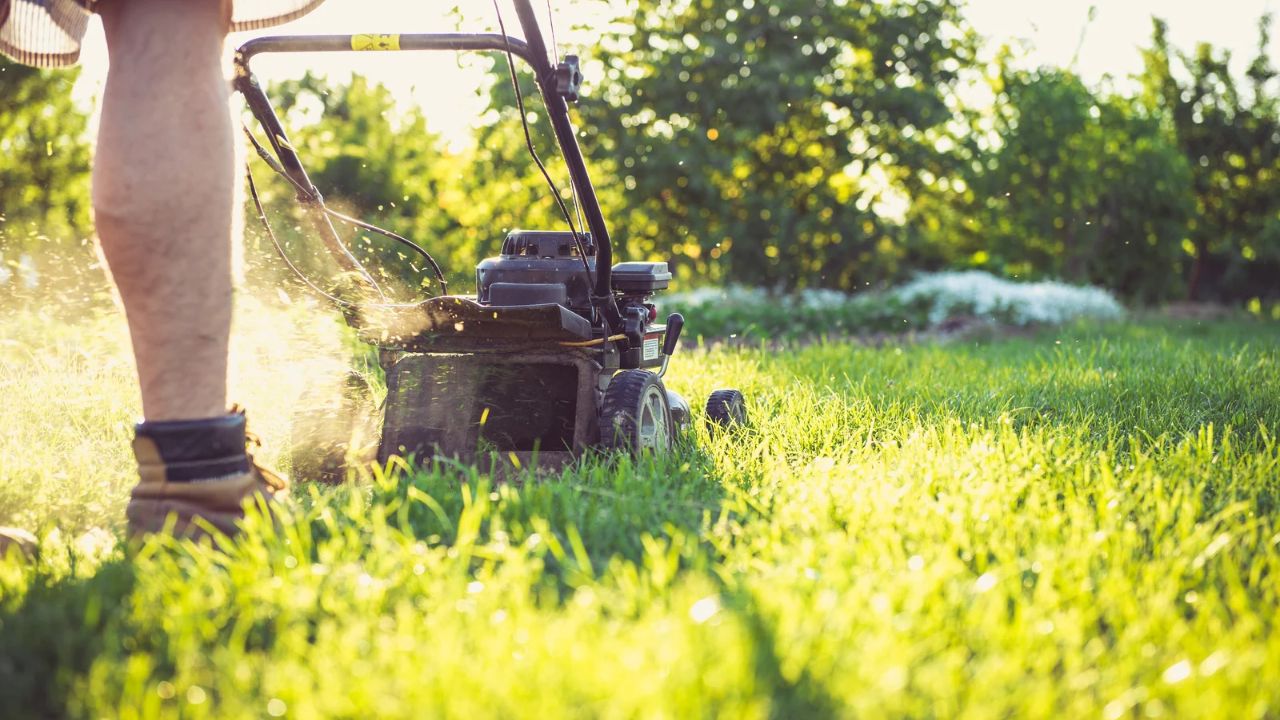
Finding lawn mower tires for sale is easy, but choosing replacements that fit your equipment and perform well on your lawn requires careful consideration. Whether you maintain a small residential garden, operate a riding mower, or manage commercial landscaping equipment, the right tires influence traction, steering response, stability, and turf protection. Tire size, tread design, load capacity, construction, and wheel compatibility all matter. Understanding these factors before purchasing helps prevent fitting problems, unnecessary expenses, and premature tire wear.
Lawn mower tires are specifically designed for equipment that travels across grass, soil, and changing outdoor surfaces. Unlike ordinary passenger vehicle tires, many mower tires operate at relatively low speeds and use tread patterns intended to balance traction with minimal damage to turf.
Different mower designs also place different demands on their tires. A front tire on a riding mower may primarily support steering, while a rear drive tire must transfer power to the ground. Zero turn mowers, garden tractors, and commercial machines may have additional requirements based on weight distribution and operating conditions.
Choosing a suitable replacement means considering how the tire will work with the machine rather than relying on appearance or price alone.
Why Choosing the Right Lawn Mower Tires Matters
Lawn mower tires do more than support the weight of the machine. They determine how effectively the mower moves across grass, handles uneven ground, and maintains traction while turning.
Poorly matched tires may reduce handling precision or leave unnecessary marks on the lawn. Incorrect dimensions can also create clearance problems or interfere with the mower’s intended operation.
Better Traction on Different Surfaces
A mower needs enough traction to move confidently across its normal operating surface.
Dry, level grass generally requires less aggressive tread than damp soil or uneven terrain. The appropriate tread design helps the mower maintain controlled movement without excessive wheelspin.
Improved Steering and Stability
Front and rear tires perform different functions on many riding mowers.
Front tires often support steering and directional control, while rear tires provide much of the driving traction.
Tire width, inflation pressure, and tread design influence how the machine responds during turns.
Reduced Damage to Grass
A carefully selected turf tire spreads the mower’s weight across a suitable contact area.
This can help reduce concentrated pressure on the lawn. However, excessive wheelspin, sharp turns, and mowing on saturated ground can still damage grass even when turf friendly tires are fitted.
Understanding Lawn Mower Tire Sizes Before Buying
Tire sizing is one of the most important aspects of replacement selection.
Many lawn and garden tires use a three number designation that describes their nominal dimensions in inches.
For example, a common mower tire size is 15×6.00-6.
What Does 15×6.00-6 Mean?
The numbers generally represent three measurements.
- 15 indicates the approximate overall tire diameter in inches.
- 6.00 indicates the nominal tire section width in inches.
- 6 indicates the rim diameter in inches.
These numbers help identify the intended fitment, but actual mounted dimensions may vary between tire designs.
A tire with the correct rim diameter is not automatically suitable if its overall width or outside diameter differs from the equipment manufacturer’s requirements.
Common Lawn Mower Tire Sizes
Several sizes frequently appear across riding mowers and garden tractors.
15×6.00-6 Lawn Mower Tires
This size is commonly associated with front wheel applications on certain riding lawn mowers.
The tire’s nominal overall diameter is 15 inches, with a 6 inch section width and a 6 inch rim diameter.
Check the exact mower model because tire configuration varies.
18×8.50-8 Lawn Mower Tires
This size is used on various lawn and garden machines, including rear wheel applications.
Its wider profile may provide an appropriate contact area for particular equipment designs.
However, tire construction and inflation requirements must also match the mower.
20×10.00-8 Lawn Mower Tires
Some garden tractors and riding mowers use this larger size.
The nominal 20 inch diameter and 10 inch section width make it suitable for specific wheel and equipment configurations.
A larger tire should never be installed merely because it appears to offer better traction.
Why Exact Size Matching Is Important
Changing tire dimensions can affect several aspects of machine operation.
These include ground clearance, wheel well clearance, steering geometry, and effective drive gearing.
Changes in tire diameter may also influence mower deck positioning and cutting height.
For these reasons, matching the original manufacturer’s specified dimensions is generally the safest starting point.
Eleven Expert Buying Checks for Lawn Mower Tires
Before choosing replacement tires, evaluate the following factors together.
These checks help buyers balance compatibility, performance, durability, and overall value.
1. Confirm Your Mower’s Exact Model
Begin by identifying the make and model of your lawn mower.
Find the identification plate and record the model number, product code, and any relevant manufacturing information.
Two machines from the same manufacturer may require different tires because of changes in wheel size, axle configuration, or equipment design.
Where to Find Tire Specifications
The owner’s manual is usually the most useful starting point.
It may identify the original tire size, inflation requirements, and approved replacement specifications.
If the manual is unavailable, check the existing tire sidewall and seek compatible fitment information for the exact machine.
Do not rely solely on general statements that a tire fits a particular mower brand.
2. Choose the Correct Tire Size
Match the complete tire size designation rather than considering only the wheel diameter.
For example, two tires designed for a 6 inch rim may have different overall diameters and section widths.
This can affect clearance, steering, and machine balance.
If you are considering an alternative tire size, confirm that the mower manufacturer approves the change.
Consider Mounted Tire Dimensions
The actual inflated dimensions may differ slightly from nominal measurements.
Where clearance is limited, review the manufacturer’s specified mounted width and diameter.
This is especially important around mower decks, wheel guards, steering components, and closely positioned mechanical parts.
3. Select a Suitable Tread Pattern
Tread design should match the terrain and the function of the wheel.
Different patterns provide different balances of grip, steering response, soil disturbance, and rolling resistance.
Turf Tread Tires
Turf tread tires use relatively gentle patterns intended to provide traction while limiting damage to maintained grass.
They are commonly used on riding mowers, garden tractors, and other lawn maintenance equipment.
These tires are often a practical choice for ordinary residential mowing.
Ribbed Lawn Mower Tires
Ribbed tires typically feature continuous grooves running around the circumference.
They are frequently used on steering wheels where directional stability and predictable rolling are important.
Their relatively smooth patterns may also reduce unnecessary disturbance to grass.
Lug Tread Tires
Lug tread tires use deeper, more prominent tread blocks.
They may provide additional traction on loose soil, rough ground, or certain damp surfaces.
However, aggressive tread can mark or tear maintained grass, particularly when wheels slip or turn sharply.
Choose this design only when the operating conditions justify it.
4. Check Load Capacity
Every mower tire must support the load placed on its wheel during normal operation.
The load capacity must account for the equipment’s weight and the distribution of that weight across its axles.
Additional attachments, carried equipment, and operating conditions may affect the load experienced by individual tires.
A replacement should meet or exceed the applicable equipment requirements.
Why Load Ratings Should Not Be Ignored
Using an under rated tire can increase the risk of excessive deformation, overheating, or structural failure.
A tire that fits the rim but cannot carry the required load is unsuitable.
Review the tire manufacturer’s load specifications alongside the mower’s operating requirements.
5. Understand Ply Ratings and Tire Construction
Many lawn mower tires have markings such as 2 ply rating, 4 ply rating, or 6 ply rating.
These designations describe strength or load classification and do not necessarily indicate the literal number of fabric layers inside a modern tire.
Higher rated constructions can support different loads when used at their specified operating conditions.
However, a higher ply rating does not automatically mean a tire is the best choice for every mower.
Consider Flexibility and Ground Conditions
Tire construction affects how the casing responds under load.
A relatively flexible tire may behave differently from a more rigid design.
For equipment operating on delicate turf, the complete tire specification matters more than choosing the highest available ply rating.
6. Decide Between Tubeless and Tube Type Tires
Lawn mower tires are available in different inflation configurations.
Understanding the distinction helps avoid installation problems.
Tubeless Mower Tires
Tubeless tires are designed to retain air through a suitable airtight tire and rim assembly without an inner tube.
They are common on many riding mowers and garden tractors.
The rim must be compatible and in appropriate condition for tubeless operation.
Tube Type Mower Tires
Tube type assemblies use an inner tube to retain air.
They require a compatible tire, tube, valve arrangement, and rim.
A tube may also be used in certain repair situations when the tire and rim manufacturers permit it.
Never assume that installing a tube makes a damaged or incompatible tire safe.
7. Check Rim and Wheel Compatibility
A suitable tire needs a suitable wheel.
Matching the rim diameter is essential, but rim width, profile, and construction must also be compatible with the tire.
For complete wheel and tire assemblies, additional measurements matter.
These can include the axle bore, hub length, bearing dimensions, and wheel offset.
Tire Only or Complete Wheel Assembly?
A tire only purchase may be appropriate when the existing rim is sound and compatible.
A complete assembly can make sense if the rim is damaged or the buyer needs a preassembled replacement.
However, a complete wheel must match the mower’s mounting arrangement.
Incorrect hub or bearing dimensions can prevent installation even when the tire size is correct.
8. Evaluate Your Typical Mowing Terrain
Think about where the mower spends most of its operating time.
A machine used on level residential grass has different traction needs from one operating across rough landscaping areas.
Flat Residential Lawns
Turf friendly tread patterns are generally a sensible starting point.
Predictable steering and limited grass disturbance are often more important than maximum traction.
Uneven or Rough Ground
Uneven surfaces may require additional attention to tire construction, traction, and stability.
Suitable tread can improve grip, but tires cannot make an unsuitable slope safe.
Always follow the mower manufacturer’s slope limits and operating guidance.
Damp Grass and Soft Soil
Wet conditions can increase slipping and soil disturbance.
More aggressive tread may improve traction in some circumstances, but it can also damage soft ground.
Avoid mowing saturated turf when wheel movement is likely to create ruts.
9. Compare Pneumatic and Flat Free Options
Not all mower wheels rely on conventional air filled tires.
Some equipment uses solid or semi solid wheels that do not require inflation.
Pneumatic Tires
Pneumatic tires contain pressurised air and provide a degree of cushioning.
They are common on riding mowers and many other outdoor machines.
Their pressure must be maintained within the equipment’s recommended specifications.
Flat Free Tires
Flat free designs eliminate routine air pressure checks and certain puncture related problems.
They can be useful on equipment originally designed for them.
However, solid wheels may have different cushioning, traction, and weight characteristics.
Replacing pneumatic tires with flat free alternatives should only be considered when the conversion is compatible with the mower’s intended design.
10. Compare Quality, Specifications, and Total Cost
Price matters, but the least expensive tire is not necessarily the best value.
A useful comparison considers the tire’s compatibility, construction, intended application, and expected maintenance requirements.
Look for clearly stated dimensions, load ratings, inflation requirements, and construction details.
Avoid products that provide insufficient information to verify suitability.
Why Total Cost Matters
The overall expense may include more than the tire itself.
Possible additional costs include mounting, valve replacement, inner tubes, disposal of old tires, and professional installation.
A complete wheel assembly may cost more initially but could simplify replacement in a suitable application.
Compare the entire repair expense before deciding.
11. Review the Seller’s Return Policy and Product Details
Before placing an order, confirm that the listing includes the information required to identify the correct tire.
Useful details include:
- Complete tire size
- Tread pattern and intended application
- Load capacity and ply rating
- Tubeless or tube type designation
- Recommended rim specifications
- Whether the product includes a wheel or tire only
- Return conditions and warranty information
Clear listings make it easier to distinguish genuinely compatible products from visually similar alternatives.
For unusual mower models, contacting the seller with exact specifications may help clarify available options.
How to Compare Lawn Mower Tires for Sale Online
Online shopping gives buyers access to a wide variety of lawn mower tire designs.
However, photographs can make products appear more similar than they really are.
Begin With Compatibility, Not Price
Start by filtering products using the required dimensions and technical specifications.
Once unsuitable options have been eliminated, compare tread designs, construction, and cost.
This approach reduces the risk of purchasing a cheaper tire that cannot be used safely.
Read Product Descriptions Carefully
Look beyond the product name.
A listing that identifies a popular mower brand does not necessarily guarantee compatibility with every model from that manufacturer.
Compare the complete specification with the information recorded from your equipment.
Check What Is Included
Some listings contain a single loose tire.
Others offer mounted wheel assemblies, pairs of tires, or additional components.
Confirm the quantity, package contents, and whether installation is required.
This prevents confusion when comparing apparently different prices.
When Should Lawn Mower Tires Be Replaced?
There is no universal replacement interval that applies to every mower tire.
Replacement depends on tread condition, casing integrity, age related deterioration, damage, and operating requirements.
Visible Cracks or Sidewall Damage
Cracking, exposed reinforcement, bulges, and cuts may indicate deterioration.
A tire with significant structural damage should be inspected and replaced when necessary.
Do not continue operating equipment with a tire that appears unsafe.
Repeated Air Pressure Loss
A tire that regularly loses air may have a puncture, leaking valve, damaged bead, or defective wheel.
Some problems can be repaired, but others require replacement.
The appropriate solution depends on the location and severity of the damage and the relevant repair guidance.
Uneven or Excessive Tread Wear
Uneven tread wear may result from incorrect inflation, mechanical problems, or unusual operating conditions.
Replacing the tire without addressing the underlying cause may lead to repeated wear.
Inspect the mower’s wheels, bearings, and relevant steering components when unusual patterns appear.
How to Replace Lawn Mower Tires Safely
Replacing a tire requires suitable equipment and an understanding of the wheel assembly.
The procedure differs between small walk behind mowers, garden tractors, and larger commercial machines.
Prepare the Mower
Park the equipment on a firm, level surface.
Shut down the engine, remove the ignition key where fitted, and follow the manufacturer’s procedures to prevent accidental operation.
Allow moving and hot components to come to a safe condition before working.
If the machine must be lifted, use suitable lifting equipment and approved support points.
Never rely solely on a hydraulic jack to support a raised mower.
Remove the Wheel Assembly
Follow the service manual for wheel removal.
Some wheels use retaining clips or axle fasteners, while others use bolts and hub assemblies.
Keep components organised and inspect them for wear or damage.
Mount the Replacement Tire
Tire removal and mounting require appropriate tools, particularly when dealing with tight beads or tubeless assemblies.
Incorrect procedures can damage the rim or tire and may cause serious injury during inflation.
If you lack suitable equipment or training, use a qualified tire service professional.
Inflate the Tire Correctly
Use the pressure recommended for the machine and tire combination.
The maximum pressure printed on a tire sidewall should not automatically be treated as the mower’s normal operating pressure.
Follow the specified bead seating and inflation procedures. Never exceed applicable safety limits.
Complete the Final Inspection
After installation, ensure the wheel is properly secured and the tire rotates without interference.
Check that the wheel has adequate clearance from surrounding components.
Recheck inflation pressure and observe the mower’s handling during an appropriate initial operating inspection.
How Tire Pressure Affects Mower Performance
Inflation pressure influences tire shape, contact area, traction, and handling.
Both underinflation and overinflation can create problems.
Problems Caused by Low Tire Pressure
Insufficient pressure can increase sidewall flexing and cause the tire to operate outside its intended conditions.
It may also affect steering response and contribute to irregular wear.
In severe cases, underinflation can create additional heat and stress in the tire.
Problems Caused by Excessive Pressure
Excessive pressure can change the tire’s contact characteristics and reduce cushioning.
It may increase concentrated ground pressure or influence the mower’s handling.
The correct pressure depends on the specific machine and tire.
Maintain Consistent Inflation
Check pressure when the tires are cold and use an accurate low pressure gauge suitable for mower tires.
On equipment requiring matching pressure across an axle, follow the manufacturer’s guidance.
Unequal inflation can affect machine balance and mowing consistency.
How Lawn Mower Tires Influence Cutting Quality
Tire condition can indirectly affect the appearance of a finished lawn.
A mower is designed to operate with a particular combination of tire dimensions, inflation pressure, and deck adjustment.
Changes to these conditions may alter the mower’s operating geometry.
Tire Diameter and Cutting Height
If replacement tires have a substantially different effective diameter, they may change the mower’s ride height.
On certain machines, this can affect deck positioning and the relationship between the cutting blades and the ground.
Use approved tire dimensions and adjust the deck according to the manufacturer’s instructions.
Unequal Tire Pressure and Uneven Cutting
Uneven inflation can cause some riding mowers to sit differently from their intended operating position.
This may contribute to inconsistent cutting results.
Before adjusting the mower deck to correct uneven cutting, check tire inflation and condition as directed in the service manual.
Traction and Lawn Appearance
Wheelspin can disturb grass and leave visible marks.
Appropriate tread, correct inflation, and careful operating technique can help reduce unnecessary turf damage.
Avoid abrupt acceleration and aggressive turning on soft or wet lawns.
Choosing Tires for Different Types of Lawn Mowers
Different mower categories have different wheel requirements.
Understanding the machine’s design helps buyers identify suitable replacement options.
Walk Behind Lawn Mowers
Many walk behind mowers use compact wheels rather than conventional pneumatic tires.
Depending on the design, these wheels may have moulded rubber or plastic tread surfaces.
Replacement may involve a complete wheel assembly instead of a separate tire.
Check axle diameter, wheel dimensions, and mounting details.
Riding Lawn Mowers
Riding mowers commonly use pneumatic tires with different front and rear sizes.
Front tires support steering, while rear tires often handle propulsion.
The manufacturer may specify particular turf tread patterns and load capacities.
Follow the complete fitment requirements for each axle.
Zero Turn Lawn Mowers
Zero turn machines often use front caster wheels and larger rear drive tires.
Their rear tires provide traction and play an important role in directional movement.
Because zero turn manoeuvres can place additional stress on turf during sharp turns, tread suitability and operating technique matter.
Front caster wheel compatibility also requires attention to axle, bearing, and wheel assembly dimensions.
Garden Tractors
Garden tractors may perform tasks beyond ordinary grass cutting.
Depending on the equipment, these tasks can include towing approved attachments or carrying additional working loads.
Select tires that meet the tractor manufacturer’s requirements for the intended applications.
Do not assume that a more aggressive tread or heavier construction automatically increases the machine’s approved working capacity.
Maintaining Replacement Lawn Mower Tires
Routine maintenance helps preserve tire condition and identify problems early.
It also supports more consistent mower operation.
Inspect Tires Before Regular Use
Look for cuts, foreign objects, unusual wear, and visible deformation.
Check that the tires are properly inflated and that the wheels are securely mounted.
Remove embedded debris only when it can be done safely without damaging the tire.
Keep Tires Clean
Grass clippings, mud, and accumulated debris can hide damage.
Clean the tires using methods compatible with the tire and mower materials.
Avoid harsh chemicals or inappropriate cleaning products that could affect rubber components.
Store Equipment Properly
When storing a mower for an extended period, follow the manufacturer’s storage recommendations.
Avoid unnecessary exposure to direct sunlight, standing water, and sources of excessive heat when practical.
Maintain appropriate tire pressure and inspect the machine before returning it to service.
Investigate Recurring Problems
If a replacement tire repeatedly loses pressure or wears unusually quickly, investigate the cause.
Valve problems, damaged rims, mechanical faults, and incorrect inflation can all contribute.
Addressing the underlying issue is more useful than repeatedly replacing the same component.
Common Buying Mistakes That Lead to Poor Tire Performance
Even experienced equipment owners can overlook important fitment details.
Avoiding the following errors can make purchasing decisions more reliable.
Assuming Every Tire With the Same Size Is Identical
Two tires may share the same nominal size but have different tread patterns, load ratings, or casing characteristics.
Always compare the full specifications.
Choosing Aggressive Tread for Every Surface
Deep tread may be useful in specific conditions, but it is not automatically better for ordinary lawns.
For maintained grass, a suitable turf design often provides a better balance between grip and surface protection.
Ignoring the Difference Between Tire and Wheel Listings
A tire only product does not include the rim unless the seller explicitly states otherwise.
Check the package description to avoid ordering the wrong item.
Using Passenger Vehicle Tire Assumptions
Lawn mower tires have their own application requirements and may carry NHS markings indicating non highway service.
They should not be treated as ordinary road vehicle tires.
Always use products appropriate for the intended equipment.
Replacing Only One Tire Without Checking the Other
If one tire is worn or damaged, inspect the corresponding tire on the same axle.
Differences in tire dimensions, wear, or construction may affect operation.
Follow manufacturer recommendations concerning matched tires and replacement practices.
Finding Long Term Value in Replacement Mower Tires
A successful purchase is not simply the cheapest option available.
It is a tire that meets the equipment’s requirements and remains suitable for the intended workload.
Prioritise Reliable Fitment
Correct sizing and construction are fundamental.
A tire that fits properly and meets the machine’s specifications is more valuable than an unsuitable product with an attractive price.
Consider the Intended Frequency of Use
An occasional residential mower and a commercial landscaping machine may experience very different operating conditions.
Frequent use can increase the importance of durability, service availability, and maintenance planning.
However, the manufacturer’s recommended specifications remain the starting point for both.
Compare Complete Purchase Costs
Consider installation, additional components, and any necessary professional assistance.
Buying a complete wheel assembly may be convenient in some situations, while a tire only replacement may be more economical when the existing rim is reusable.
Evaluate both options based on the actual condition and configuration of the machine.
Avoid Unnecessary Equipment Replacement
A mower with otherwise serviceable components may only require replacement tires to return to proper operation.
Maintaining existing equipment can be a practical way to manage ownership costs.
The decision should still consider safety, repair feasibility, and the overall condition of the machine.
Frequently Asked Questions
What should I check when looking for lawn mower tires for sale?
Check tire size, tread pattern, load capacity, ply rating, rim compatibility, and the mower manufacturer’s recommended specifications before purchasing.
What is the best tread pattern for residential lawn mower tires?
Turf tread patterns are generally suitable for maintained residential lawns because they balance traction with relatively gentle contact on grass.
Are all 15×6.00-6 lawn mower tires interchangeable?
No. Tires with the same nominal size can differ in construction, load ratings, and other specifications. Confirm compatibility with the exact mower and rim.
Are tubeless lawn mower tires better than tube type tires?
Neither design is universally better. The correct choice depends on the tire, rim, and mower specifications, along with the intended operating conditions.
How often should lawn mower tires be replaced?
Replace them when damage, excessive wear, deterioration, or other unsafe conditions make continued use unsuitable. There is no universal replacement schedule.
Can I install larger tires on my riding lawn mower?
Only when the manufacturer approves the alternative size and its fitment. Larger tires can affect clearance, handling, gearing, and mowing height.
Conclusion
Choosing suitable replacement lawn mower tires begins with accurate measurements, verified compatibility, and an understanding of how the equipment operates. Tire size, tread design, load capacity, wheel construction, and inflation requirements all influence performance and safety. Buyers comparing replacement options should prioritise the mower manufacturer’s specifications over appearance or price alone. With the right selection and consistent maintenance, mower tires can support dependable operation, controlled traction, and better care of maintained lawns.
