
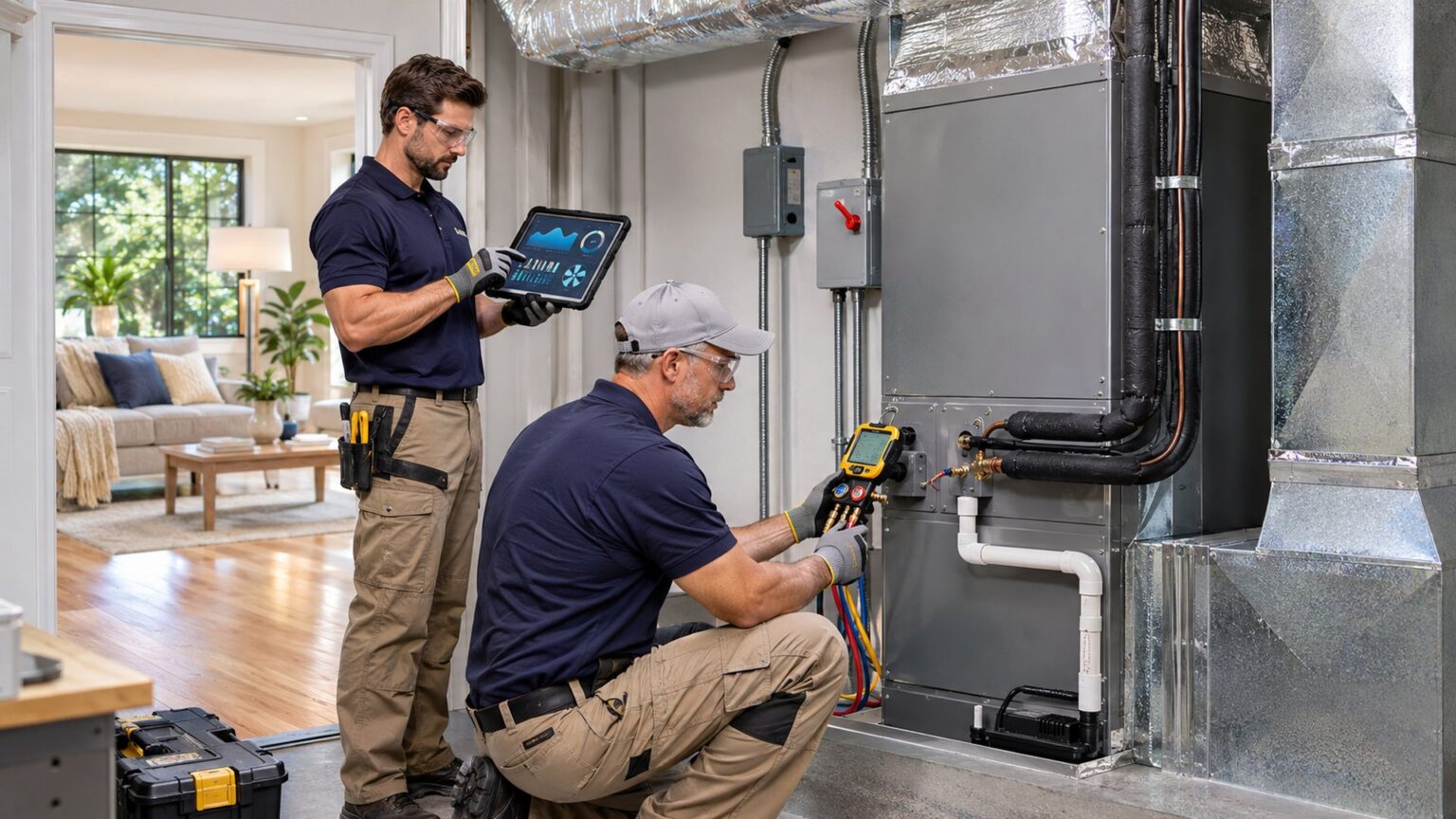
Hiring an hvac installation contractor is one of the most important steps in replacing a heating or cooling system. The right professional does more than connect equipment. They calculate your home’s heating and cooling needs, inspect airflow, explain costs, and verify that the system works after installation. A poor fit can leave rooms uncomfortable, raise energy use, or cause early repairs. This guide shows how to compare installers, understand quotes, and check the finished work before paying the final bill.
What Does an HVAC Installation Contractor Actually Do?
An HVAC installer designs or installs heating, ventilation, and air conditioning equipment. Residential projects may involve a furnace, central air conditioner, heat pump, or ductless mini split. Some projects replace an existing unit. Others need new ducts, electrical work, controls, or ventilation.
Good installation starts with a site visit. A contractor should review your home’s layout, insulation, windows, and existing equipment. They should also ask about hot and cold rooms, noise, humidity, and recent renovations.
Installation Is More Than Equipment Replacement
Two homes with the same floor area can need different systems. A shaded, well-insulated home may lose less heat than a house with large windows and air leaks. Simply copying the old unit’s capacity can repeat an earlier sizing mistake.
An experienced hvac installation contractor should explain what the building needs before recommending a brand or model. Their proposal should show how the system, ducts, and controls will work together.
Seven Essential Checks Before You Hire an HVAC Installer
The best hiring decision comes from comparing measurable work, not sales claims. Use these seven checks during estimates, then ask every bidder the same questions.
1. Verify Licensing, Insurance, and Relevant Training
Contractor license rules differ by state, county, and city. Some jurisdictions license HVAC contractors directly. Others require additional trade registrations or permits. Verify the requirements where the property is located.
Ask for the contractor’s business name, license details where applicable, and proof of appropriate insurance. Confirm who will supervise the job and whether subcontractors will perform electrical or gas work.
Ask About Refrigerant Qualifications
In the United States, technicians performing covered refrigerant work must meet applicable EPA Section 608 certification rules. Certification does not replace a local contractor license. Ask who will handle refrigerant connections and whether that person holds the required credentials.
Product-specific training can also matter. Modern refrigerants and heat pump controls require correct handling and commissioning. A company should be able to explain its technicians’ experience with your proposed equipment.
2. Require a Heating and Cooling Load Calculation
Oversized equipment is not automatically better. It may cycle on and off frequently, deliver uneven temperatures, or struggle with humidity control. Undersized equipment can also fail to meet a home’s needs during severe weather.
A careful installer should calculate the building’s heating and cooling loads. For many U.S. homes, ACCA Manual J is a recognized method. The assessment considers climate, insulation, windows, infiltration, and other relevant features.
Equipment Selection Should Follow the Calculation
Manual S helps match equipment to calculated loads and manufacturer performance data. Ask for the selected capacity and a plain explanation of why it fits. A rough estimate based only on square footage is not a substitute for proper sizing.
Room comfort also matters. Tell the contractor about a bedroom that stays hot or a downstairs area that feels cold. These problems may involve ducts or building conditions rather than total system capacity.
3. Inspect Ductwork and Airflow Before Reusing It
A new high-efficiency unit cannot overcome every problem in an old duct system. Leaks, restrictions, poor return airflow, and damaged insulation can reduce comfort and waste energy.
Ask for an inspection of accessible ducts and return paths. The contractor should explain whether existing ducts can support the proposed airflow. If new ductwork is needed, ask how it will be designed and sized.
Do Not Overlook Rooms With Weak Airflow
A distant bedroom may have a crushed branch duct, limited return path, or another issue. Replacing the central unit alone might not solve it. Where practical, request airflow checks and a plan for correcting known problems.
For new residential duct designs, Manual D is a common design reference. Existing systems may need repairs, adjustments, or additional testing rather than a complete rebuild.
4. Compare Written Quotes Line by Line
The lowest number on a proposal may omit work another bidder includes. Request a written scope that identifies the indoor and outdoor equipment, model numbers, capacity, efficiency rating, and installation tasks.
Quotes should also describe permits, removal of old equipment, disposal, electrical changes, refrigerant lines, drainage, thermostat work, and final testing. Ask what is excluded and what could cause a change order.
Separate Equipment Cost From Installation Work
A quote can look attractive because it uses a less suitable system or skips duct repairs. Compare the complete outcome rather than the equipment price alone. Confirm whether taxes, inspections, and any required accessories are included.
Use the same questions for each contractor. For example, ask whether they will replace the filter cabinet, test the condensate drain, and document airflow. Written answers make bids easier to evaluate.
5. Choose Equipment That Fits Your Climate and Home
Central air conditioners, furnaces, heat pumps, and ductless units serve different needs. A heat pump can provide both heating and cooling. A ductless system may work well for a room addition or a home without suitable ducts.
In colder locations, check heating performance at local design temperatures. In hot and humid areas, moisture control deserves attention. For either climate, equipment selection should follow calculated loads.
Read Efficiency Ratings in Context
You may see SEER2 for cooling, HSPF2 for heat pump heating, or AFUE for certain fuel-burning furnaces. These ratings describe different measures and cannot be compared as if they mean the same thing.
Higher rated equipment can reduce energy use in suitable conditions. Actual savings depend on weather, controls, utility prices, the building, and installation quality. Avoid accepting guaranteed savings without a credible analysis.
If the contractor recommends a unit, request the expected benefits in writing. Ask which benefits come from the equipment and which depend on duct repairs or controls. This helps separate useful upgrades from features your home may not need.
6. Confirm the Installation Plan and Safety Details
Ask how long the crew expects to work and what areas need access. The schedule should include removal, installation, testing, and any required inspection. Unexpected wiring or duct issues may change that plan.
Combustion equipment needs proper venting and safety checks. Cooling systems need correct condensate drainage. Electrical components must be installed to applicable requirements. These are not optional finishing details.
Discuss New Refrigerant Equipment
Some newer comfort systems use refrigerants with different safety and equipment requirements than older models. Ask how the installer will match components and follow the manufacturer’s instructions, including any relevant detection or ventilation provisions.
Do not attempt to connect refrigerant lines or modify gas and electrical components yourself. These tasks belong with qualified professionals using the right tools and procedures.
7. Ask for Commissioning, Documentation, and Support
Installation is not complete just because cool or warm air comes from a vent. Commissioning confirms that the installed system operates as designed. The required checks vary by equipment type.
Ask how technicians will verify airflow, electrical readings, controls, safety devices, condensate drainage, and refrigerant charge where applicable. Request startup records and operating instructions.
Understand the Two Types of Warranty
A manufacturer warranty usually applies to covered equipment parts under stated terms. A contractor workmanship warranty concerns installation work. Ask who handles each claim, what labor is included, and whether registration is required.
Before the crew leaves, learn how to change filters, use the thermostat, and report a problem. Save the invoice, equipment model numbers, and service contact information.
Four Home Situations That Change the Installation Plan
A House With No Existing Ducts
A ductless heat pump may serve individual rooms without adding a full duct network. Yet outdoor unit placement, indoor head locations, drainage, and electrical capacity still need careful planning. Ask how the installer will serve hallways, bathrooms, and closed bedrooms. One indoor unit may not heat or cool the entire house evenly.
A Two-Story Home With Uneven Temperatures
An upstairs room can stay warmer because of sun exposure, air leaks, or poor return airflow. New equipment should address the cause, not just increase capacity. Ask whether zoning, duct changes, or building repairs would help. A zoning design also needs controls that keep airflow within the equipment’s safe limits.
A Home Switching From Gas to a Heat Pump
Changing the main heating source involves more than replacing a box. The contractor should check winter heating loads, available electrical service, backup heat needs, and local energy costs. Discuss whether existing ducts can handle the selected system. If gas appliances remain, their venting and safety requirements still apply.
A Home After Insulation or Window Upgrades
Better insulation, air sealing, and windows can change heating and cooling loads. The old equipment size may no longer be a sound guide. Share details of recent work before the load calculation. This gives the installer a more accurate view of the home and reduces the risk of repeating a poor match.
A thoughtful proposal should explain which of these issues applies, which work is needed, and which choices remain optional. That keeps the scope tied to your home instead of a generic equipment package.
How Much Does Professional HVAC Installation Cost?
There is no reliable single price for every home. An HVAC installation contractor must consider the building, system type, local labor costs, access, and code requirements. A straightforward replacement may cost less than a conversion that needs new ducts or electrical capacity.
Main Factors That Change the Quote
Equipment size, efficiency, and features affect materials. Labor rises when installers must work in a tight attic, move equipment, or modify ductwork. Permits, inspections, and disposal also influence the final amount.
A home changing from a furnace and air conditioner to a heat pump may need different controls or electrical work. Ask for these items separately so the comparison stays clear.
How to Compare Three Estimates Fairly
Provide each company with the same information about comfort problems, room use, and your priorities. Request comparable load calculations and written equipment specifications. Then compare what’s included, not just the total.
A more expensive proposal may address a leaking return duct that another company ignored. A cheaper proposal may still be appropriate if it meets the same documented needs. Ask both companies to explain the difference.
What Happens During the Installation Process?
Knowing the process helps you prepare the home and recognize incomplete work. The exact order can vary by system and local requirements.
Before Installation Day
The contractor should confirm equipment availability, schedule, access needs, and permit responsibilities. Clear the work areas and protect personal belongings nearby. Arrange safe access to the electrical panel and existing equipment.
Ask whether heating or cooling will be unavailable for part of the day. If someone in the home depends on stable indoor temperatures for health reasons, discuss a safe plan ahead of time.
Removing and Positioning Equipment
The crew should isolate the old system safely and handle refrigerant or fuel connections according to the applicable rules. They then install the new indoor and outdoor components in suitable locations.
Placement matters. Outdoor equipment needs proper clearances and a stable support surface. Indoor equipment needs access for filters, maintenance, and drainage. Equipment should not block required access or ventilation.
Connecting and Starting the System
Qualified technicians complete electrical, controls, drain, duct, and refrigerant work as required. They then inspect the installation before startup.
The first operating test checks more than whether the thermostat responds. It helps identify errors while the crew and tools are still on site. Any required local inspection should also be arranged.
What Should Be Tested Before Final Payment?
Ask the installer to walk through the completed system. A simple handover can reveal whether the contractor performed essential checks and whether you understand routine operation.
Airflow, Temperatures, and Controls
The system should deliver appropriate airflow and respond to thermostat commands. Ask whether measured performance agrees with the equipment’s installation requirements. Rooms with known comfort problems deserve special attention.
A thermostat set to the wrong mode or a poorly placed sensor can create complaints that look like equipment failure. The contractor should check relevant control settings and explain them.
Refrigerant, Drainage, and Safety Checks
For applicable cooling and heat pump systems, technicians should verify refrigerant charge using the manufacturer’s procedure. They should also check that condensate drains correctly and that safety devices work.
Fuel-burning equipment needs suitable combustion and venting checks. Ask for documented results relevant to your system. Do not treat a quick demonstration of cold air as a complete quality inspection.
Paperwork and Owner Training
Request manuals, warranty information, model and serial numbers, and any required permit or inspection documents. Keep a record of the final scope, including approved changes.
If available, request a signed commissioning checklist. It should record the tests performed, key measured readings, any remaining unresolved issues, and who will follow up.
Have the technician show you the filter location, shutoff controls, and normal thermostat settings. Ask which warning signs require a service call. This short conversation can prevent confusion later.
Red Flags When Comparing HVAC Companies
Be cautious when a salesperson recommends a system size without inspecting the home. Treat verbal-only quotes, vague model descriptions, and pressure to sign immediately as reasons to ask more questions.
A contractor should not dismiss known duct leaks or promise that larger equipment always solves comfort problems. Unsupported claims about energy savings or guaranteed repair-free operation are also warning signs.
Questions That Reveal Installation Quality
Ask, “Will you complete a load calculation?” Then ask, “What tests will you perform at startup?” A capable contractor should give specific answers without making the process sound mysterious.
Also ask who obtains permits and who returns if a system fails its first inspection. Clear responsibility matters as much as a competitive price.
Repair or Replace: How to Make the Call
Not every uncomfortable home needs new equipment. A dirty filter, failed control, leaking duct, or other repairable problem can sometimes explain poor operation.
Replacement may deserve consideration when equipment needs frequent repairs, uses an obsolete configuration, or no longer fits the home’s needs. Age alone should not decide the issue.
Look Beyond the First Year’s Cost
Compare repair expense, expected service life, comfort concerns, operating costs, and the condition of connected equipment. If a new system is proposed, ask how it will address the underlying problem.
A trustworthy hvac installation contractor should explain reasonable options, including repairs when suitable. The goal is a system that works for your home, not the biggest equipment sale.
Homeowner Preparation Checklist
Before the estimate, collect recent utility bills if available and note rooms that feel uncomfortable. Write down the age and model of existing equipment. Photograph accessible problem areas without opening electrical cabinets or moving hazardous components.
During each visit, ask the same core questions about sizing, ducts, permits, equipment choices, and commissioning. After receiving quotes, request clarification on missing items.
Keep Every Decision in Writing
If the contractor proposes a different model or additional ductwork, request a written change before work begins. Confirm its effect on cost, schedule, and warranty. Clear records protect both parties.
Frequently Asked Questions
How do I choose a reliable HVAC installation contractor?
Check applicable licensing, insurance, sizing methods, detailed quotes, duct inspection, and startup testing. Compare how clearly each company answers practical questions.
Does an HVAC installer need to perform a Manual J calculation?
For many U.S. residential projects, Manual J or an accepted equivalent provides a sound basis for sizing. Requirements vary by jurisdiction and project.
How long does a new HVAC installation take?
Timing depends on the equipment and site. A simple replacement differs from a project needing ducts, electrical upgrades, or inspections.
Should I replace my ductwork with a new HVAC system?
Not always. The existing ducts should be inspected for capacity, leakage, damage, and insulation before deciding on repairs or replacement.
What should an HVAC installation quote include?
It should identify equipment models, installation labor, required accessories, permits, removal, testing, warranties, and exclusions. Get changes in writing.
What tests should be completed after HVAC installation?
Relevant checks include airflow, controls, electrical measurements, drainage, safety devices, and refrigerant charge where applicable. Ask for documented startup results.
Conclusion
Hiring the right HVAC professional means looking beyond the equipment price. Proper load calculations, sound ductwork, safe installation, and thorough commissioning all affect comfort and reliability. Compare written proposals, ask for specific test results, and keep warranties and service records. A careful hiring process gives your home a better chance of consistent heating and cooling for years to come.
