
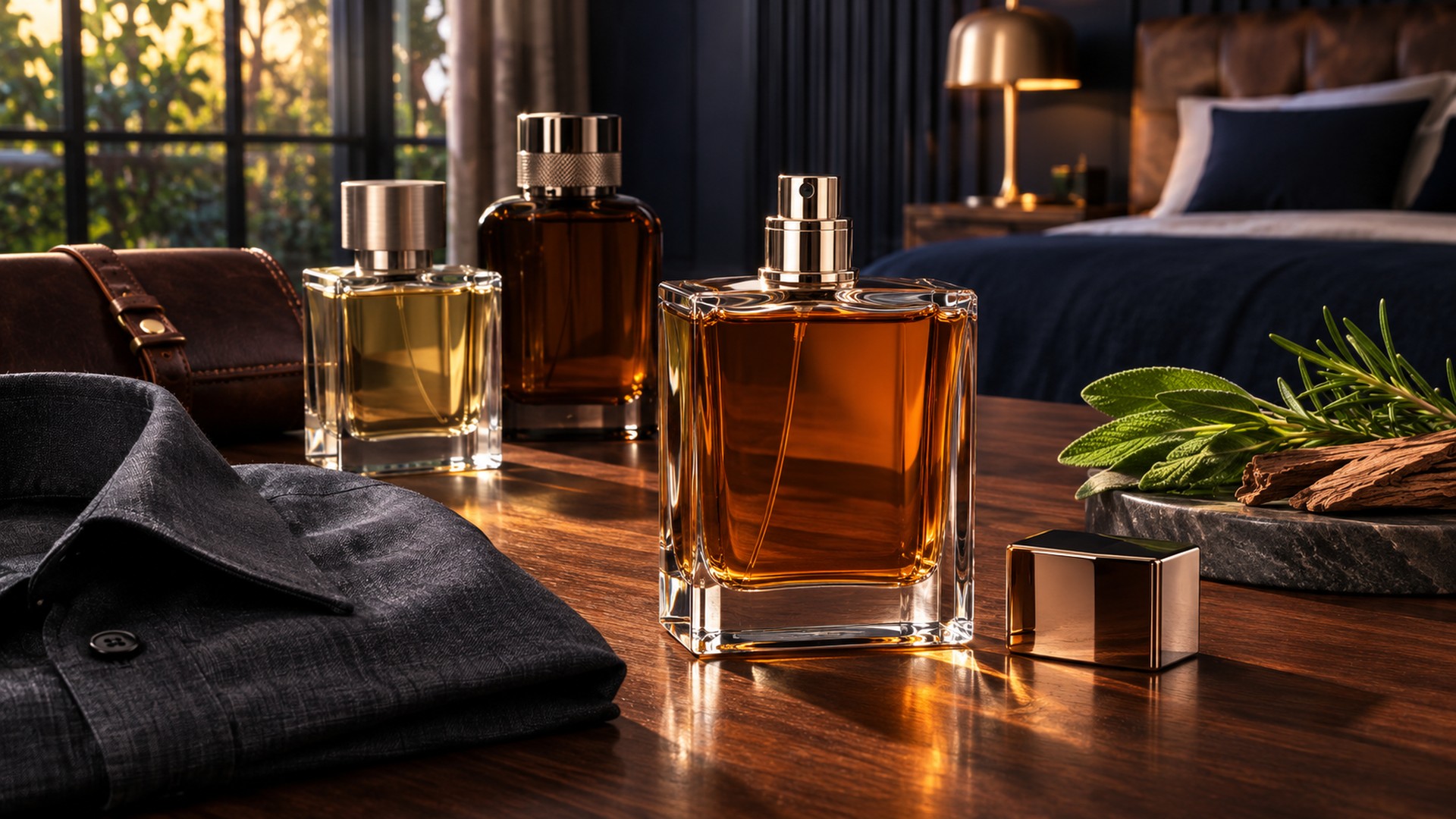
Choosing Men perfume is easier when you understand what a fragrance smells like on your skin, when you plan to wear it, and how much you want to spend. An appealing bottle or a popular recommendation cannot tell you whether a scent will suit your routine. The better approach is to compare fragrance families, test the development of the scent, and evaluate comfort, performance, and value before buying. This guide explains those decisions in practical terms so you can select and wear a fragrance with confidence.
A good fragrance does not need to be expensive, unusually strong, or marketed for a particular age. It should smell pleasant to you, fit the people and places around you, and be easy to use consistently. Start with a small number of options rather than buying several large bottles on impulse.
Men perfume Buying Basics: What Really Matters
Perfume is a mixture of fragrant ingredients carried in alcohol, water, oils, or another suitable base. Its character comes from the combination of those ingredients, not simply the concentration written on the package. Marketing categories such as men’s, women’s, and unisex can suggest a style, but they do not limit who can enjoy a scent.
When comparing fragrances, think about three separate questions. Do you like the smell after it settles? Is its strength suitable for your environment? And does its price make sense for how often you will wear it? Answering all three is more useful than relying on an online popularity ranking.
How Fragrance Notes Develop
Top notes create the first impression immediately after application. Middle notes become more noticeable as the opening changes, while base notes often contribute to the later character of the scent. These descriptions are a useful guide, but perfumes do not always change in three sharply separated stages. Your skin, the formula, and surrounding conditions influence what you notice.
Longevity, Projection, and Sillage
Longevity describes how long you can detect a fragrance. Projection describes how far its scent carries from the wearer. Sillage refers to the scent trail a person leaves while moving. A perfume can last for hours without projecting strongly, so avoid treating these terms as interchangeable. Strong projection is not necessarily desirable in shared workplaces or crowded transport.
14 Brilliant Ways to Find and Wear the Right Fragrance
1. Start With the Occasion Rather Than the Bottle
Decide where you plan to wear the fragrance most often. A close wearing scent may suit a classroom, office, or commute better than a powerful composition that fills a room. For outdoor gatherings or evenings, you may prefer something more noticeable. This does not mean that every event requires a different bottle. One versatile fragrance can be enough if its strength and character suit your routine.
2. Learn the Main Scent Families
Fresh fragrances commonly feature citrus, aromatic herbs, or aquatic impressions. Woody scents may suggest cedar, sandalwood, or vetiver. Amber styles often feel warm and resinous, while gourmand scents evoke edible notes such as vanilla or cocoa. Floral, green, leather, and spicy compositions offer other directions. These labels describe impressions, not necessarily the exact materials in the formula. Smelling examples from different families helps you recognise your preferences.
3. Choose Notes You Actually Enjoy
A list of advertised notes is a starting point, not a guaranteed description of how a fragrance will smell to you. Two perfumes that both mention bergamot and cedar can feel completely different because their ingredients and proportions vary. Instead of searching only for fashionable notes, notice what you enjoy in everyday life. You might prefer crisp citrus, dry woods, soft musk, or warm spices. Test the full composition before deciding.
4. Understand Eau de Toilette and Eau de Parfum
Eau de toilette, often abbreviated EDT, and eau de parfum, or EDP, typically signal different fragrance concentrations. An EDP may contain a higher proportion of aromatic materials than an EDT, but there is no universal formula that guarantees a specific strength or wear time. An EDT with a strong composition may outlast a softer EDP. Compare real performance and your preferences instead of assuming that the higher priced concentration is always better.
What About Parfum and Cologne?
Parfum commonly indicates a relatively concentrated product, although formulas differ. Cologne can describe a lower concentration, a fresh scent style, or simply part of a product name. Read the full product description, especially when comparing different brands, rather than using category terms as strict performance guarantees.
5. Test the Fragrance on Your Own Skin
Paper testing strips help narrow down options, but a skin test provides a better sense of how you will experience a fragrance while wearing it. Apply a small amount to clean, unbroken skin if you are comfortable doing so and have no reason to avoid the product. If you are sensitive to fragrance ingredients, review the label and consider professional advice. Never assume that a scent will behave exactly as it did on someone else.
6. Give the Dry Down Enough Time
The first few minutes can be dominated by lively top notes and the smell of the carrier alcohol. Allow the scent to settle before deciding whether you like it. Check it again later in the day to notice the middle and base character. If possible, wear a sample during a normal activity rather than judging it under bright shop lighting and strong competing scents. A perfume that seems exciting initially might become tiring after several hours.
7. Compare Only a Few Scents at Once
Testing many fragrances in quick succession can make it difficult to distinguish them. Begin with a small shortlist, label your test strips, and take breaks between comparisons. A visit to fresh air can help you reset your attention, although it does not guarantee an instant recovery from smell fatigue. Record brief notes about the opening, later scent, and comfort. Comparing three thoughtfully tested options is often more useful than rushing through fifteen.
8. Match Strength to Shared Spaces
Consider how your fragrance affects colleagues, passengers, family members, and guests. Some people experience discomfort around strong scents, and certain workplaces request fragrance free environments. Start with a conservative amount, especially with a new perfume. You can increase use cautiously if it is appropriate, but an overpowering application cannot be easily taken back. Courtesy is an important part of wearing fragrance well.
9. Apply Carefully to Suitable Areas
Apply fragrance to clean skin in an amount that suits the product. Common choices include the neck or wrists, but there is no requirement to use every suggested pulse point. Avoid eyes, irritated or broken skin, and sensitive areas. Do not rub freshly sprayed wrists together aggressively, since this spreads the product and may change the way it evaporates. Let the fragrance dry before putting on delicate clothing or jewellery.
10. Think About Weather Without Following Rigid Rules
Warm weather can make some fragrances feel more noticeable, while cold weather can change how strongly you perceive them. Lighter citrus or aromatic styles are often comfortable in warmer conditions, and richer woody or amber scents can suit cooler months. These are preferences rather than rules. A fresh fragrance can work in winter, and a warm scent can work in summer when applied thoughtfully. Let comfort guide you.
11. Consider Skin Comfort and Ingredient Sensitivities
Fragrance mixtures can contain ingredients that irritate or sensitise some people. A pleasant smell does not prove that a product is suitable for every wearer. Follow the label, stop using a product if you develop irritation, and seek professional advice for persistent reactions. Avoid spraying heavily on recently shaved or inflamed skin. If you want less fragrance exposure, wearing none is a valid choice.
12. Sample Before Purchasing a Full Bottle
Travel sizes, discovery sets, and small samples let you test a fragrance through different parts of your day. This is particularly useful for expensive products or scents with unusual notes. Wear the same option on more than one occasion if possible. Consider whether you still enjoy it after the excitement of the initial test has faded. A small purchase that prevents an unsuitable large purchase can be a sensible use of your budget.
13. Judge Value by Enjoyment and Actual Use
Bottle size and price should be considered together, but the lowest cost per millilitre is not automatically the best purchase. A large bottle that stays unused represents poor value. A smaller bottle of something you wear regularly may be more practical. Compare the final price, authenticity assurances, return terms, and your expected usage. Avoid buying solely because a perfume is advertised as exclusive, luxurious, or a compliment magnet.
14. Store Bottles to Protect Their Character
Keep perfume tightly closed and away from direct sunlight, strong heat, and large temperature swings. A cool, dry drawer or cupboard is often more suitable than a sunny windowsill or steamy bathroom. Storage cannot preserve a fragrance indefinitely, but it can reduce avoidable changes. If the scent develops an unusual odour, significant discolouration, or irritation, stop using it and assess its condition.
Choosing Fragrance for Work, Dates, and Everyday Wear
The best Men perfume for daily life should feel comfortable over several hours, not merely impressive during the first spray. For an office, consider a moderate application of a fresh, woody, or soft aromatic scent. For a relaxed weekend, personal taste can take a larger role. Dates and formal events may call for a more distinctive fragrance, but proximity to other people still matters.
Building a Small, Useful Collection
Many people do well with one everyday fragrance and one option for special occasions. If your needs differ significantly between summer and winter, a third scent may add flexibility. A collection should solve real needs rather than become a competition to own more bottles. Finish or regularly use what you already enjoy before buying another similar scent.
How to Make a Signature Scent Feel Personal
Wear the fragrance consistently enough to learn its character, and keep application appropriate for each setting. Personal style, grooming habits, and comfort contribute to the overall impression. No perfume can guarantee attraction, status, or a particular reaction from other people. The value of a signature scent is that it feels familiar and enjoyable to you.
Understanding Performance Without Falling for Myths
Marketing sometimes claims that a perfume lasts all day, projects for a fixed distance, or performs identically on everyone. Real experiences vary with formula, amount applied, environment, and individual perception. You may also become less aware of a scent after wearing it for a while, even when others can still notice it. This is one reason to avoid repeatedly adding more just because you cannot smell it strongly yourself.
Does Moisturised Skin Make Fragrance Last Longer?
Some wearers find that fragrance behaves differently on moisturised skin, but results are not uniform. If you use a moisturiser, choose one that agrees with your skin and does not clash with the perfume. Do not treat hydration as a guaranteed way to double longevity. Test any change over several wears before drawing conclusions.
Should You Spray Fragrance on Clothing?
Fabric may retain some scent impressions longer than skin, but perfume can stain or affect delicate textiles. If the manufacturer permits application to fabric, test a hidden area first and avoid silk, leather, and other sensitive materials unless their care guidance allows it. Spraying directly onto skin is generally the simpler starting point. Never use perfume to cover up unwashed clothing.
How to Compare Perfumes While Shopping Online
Online descriptions can help build a shortlist, but they cannot replace smelling the product. Look for clear information about size, concentration, returns, and seller policies. Be cautious with vague descriptions promising universal compliments or guaranteed performance. When authenticity matters, purchase through reputable channels and inspect packaging and product details. A low price alone cannot establish whether a product is genuine or suitable.
Practical Shopping Checklist
Before paying, confirm the bottle volume, fragrance version, expected delivery conditions, and applicable return restrictions. Check whether a sample is available and whether you can tolerate the risk of a blind purchase. Fragrances sold under similar names may have distinct formulas, so verify the exact version. Keep proof of purchase in case there is a problem with the order.
A Simple Routine for Testing Fragrance Over Several Days
A small testing diary can help you choose more accurately than memory alone. For each candidate, write down the date, weather, number of sprays, location of application, and the opening notes you notice. Revisit the scent after an hour and again later. Record whether it stays pleasant, becomes distracting, or feels too faint for your needs. Using similar conditions makes comparisons more meaningful, although it cannot remove every variable.
Compare Wear Experiences, Not Just First Impressions
Try each contender during a typical workday or weekend activity. Notice how the fragrance feels in close conversation and whether it works with your usual clothing and grooming products. You might discover that one perfume is exciting during a brief store visit but less comfortable over an entire afternoon. Keep the fragrance you enjoy repeatedly, not merely the one with the most dramatic opening.
Fragrance, Grooming Products, and Everyday Comfort
Scented body wash, deodorant, hair products, and aftershave can compete with perfume. You do not need to buy a matching product range, but combining several powerful scents may create a confusing result. Unscented or lightly scented grooming products can make it easier to assess your chosen fragrance. If you want to layer scents, test a modest combination first rather than assuming that two pleasant perfumes will blend well.
Travel and Storage Away From Home
For travel, consider a secure small atomizer or travel bottle that is compatible with the formula and properly labelled for personal identification. Check transport restrictions applicable to your airline and destination before packing liquids. Place bottles where they are protected from leaks and breakage. Avoid leaving fragrance in a hot vehicle, especially when it contains flammable alcohol. Carry only what you expect to use instead of risking a full bottle during every trip.
Build a Realistic Fragrance Budget
Set a budget before browsing. Compare the cost of samples against the price of a full bottle and remember that a larger size is worthwhile only if you enjoy wearing it regularly. If you are still exploring scent families, a few small samples can offer more useful experience than one expensive blind purchase. Save premium purchases for fragrances you have tested and genuinely prefer. A Men perfume purchase should support your routine, not become an obligation to finish a bottle you dislike.
Common Mistakes That Make Choosing Harder
One mistake is copying a friend’s choice without testing it. Another is assuming more sprays always produce better performance. Buying only the highest concentration, choosing a scent purely for its bottle design, and treating note lists as exact predictions can also lead to disappointment. A thoughtful selection process puts comfort and actual wear experience ahead of hype.
When to Reapply During the Day
There is no universal reapplication schedule. If you have a sample or travel spray, you can use a small additional amount when appropriate, provided the product’s directions and your surroundings allow it. Consider whether nearby people can already detect the fragrance before applying more. If you need a subtle scent for long hours, choosing a naturally quieter composition may be preferable to frequent spraying.
Frequently Asked Questions
1. What does Men perfume mean?
Men perfume is a retail term for fragrances marketed toward men. Scent preferences are personal, and people can wear any fragrance they enjoy.
2. Which perfume concentration lasts the longest?
Concentration can influence performance, but the formula matters too. Parfum or EDP is not automatically longer lasting than every EDT.
3. How many sprays of perfume should I use?
There is no fixed number that suits every fragrance. Start lightly, consider the setting, and adjust based on the product’s strength and comfort.
4. Where should I apply fragrance for daily wear?
Clean, unbroken skin on the neck or wrists is a common option. Avoid irritated areas, eyes, and excessive application around other people.
5. How can I choose a perfume without wasting money?
Test a sample on your skin, assess the dry down, compare a few options, and buy a bottle size that matches how often you expect to wear it.
6. Does perfume expire or change over time?
Fragrance can change with age and poor storage. Protect bottles from heat and sunlight, and stop using products that smell noticeably altered or cause irritation.
Conclusion
Choosing the right fragrance is about personal enjoyment, sensible testing, and respect for the people around you. Learn the scent families, compare how perfumes develop on your skin, and choose a concentration and price that fit your routine. Apply carefully, store bottles appropriately, and avoid buying into promises that no fragrance can guarantee. A well chosen scent should be easy to wear and worth returning to, whether you own one bottle or a small collection.
