
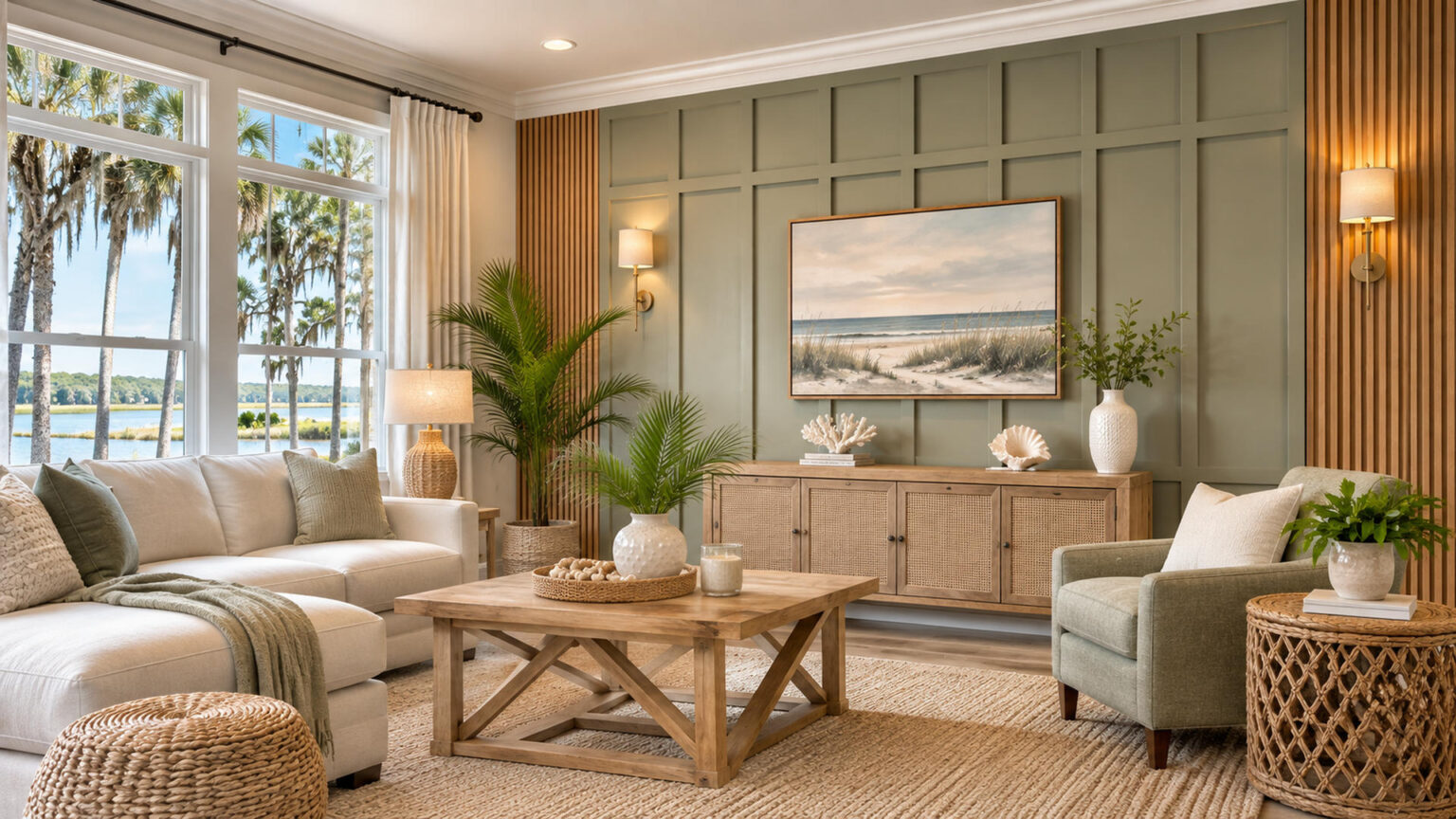
When researching custom accent walls St. Augustine FL, look beyond a fashionable paint color. The most successful feature walls reflect the room’s proportions, suit the home’s architecture, and handle Florida’s indoor humidity. Wood trim, decorative panels, textured finishes, and statement wallpaper can all add character. The right choice depends on the surface condition, material, installation method, and amount of maintenance you want. This guide explains practical design options, expected cost factors, and how to plan a professional result.
In St. Augustine, a restrained coastal palette can complement natural light, while traditional molding may feel appropriate in an older home. Start with the room itself, then choose details that make sense for the space.
Custom Accent Walls St. Augustine FL: What Works in Coastal Homes?
An accent wall is one wall designed to stand apart through color, texture, architectural detailing, or a combination of finishes. Unlike a basic paint change, a custom installation may include measured trim, wood slats, wall panels, decorative plaster, or integrated lighting. The goal is a purposeful focal point that connects with the rest of the interior.
St. Augustine homes span historic properties, established neighborhoods, and newer construction. A paneled wall that suits a traditional living room may look too formal in a small modern condo. Consider the ceiling height, daylight, furniture, and existing trim before selecting a style. Durability matters too, especially on exterior facing walls where leaks or condensation need attention before decorative materials are installed.
Seven Accent Wall Ideas Worth Considering
Their appearance and installation demands differ, so use them as starting points rather than a universal ranking.
1. Board and Batten for Timeless Dimension
Board and batten uses vertical trim and sometimes horizontal rails to create a measured pattern. It suits coastal cottages, transitional houses, and rooms that need structure without busy decoration. White, pale blue, warm gray, and soft green all pair well with natural wood furniture.
Choose the spacing based on the actual wall width, not a fixed social media template. Narrow panels can create a busy appearance, while very wide panels may look unfinished. Plan around switches, corners, baseboards, and windows so the layout feels intentional.
Keep the Trim Proportional
A tall room can support more generous rails and wider spacing. In a compact bedroom, a lower paneled section may feel calmer than covering the entire wall. Finish edges carefully where the trim meets existing molding.
2. Vertical Wood Slats for Modern Warmth
Vertical slat walls introduce rhythm and natural texture. They can make a low ceiling feel taller and provide a striking background behind a television or sofa. Pale oak inspired tones suit bright coastal rooms, while darker finishes create a more dramatic mood.
Material stability matters in Florida. Ask whether the slats are solid wood, engineered wood, or a wood look product. Confirm the manufacturer’s indoor conditions and fastening recommendations, particularly if the wall faces an outdoor exposure.
Plan for Movement and Cleaning
Wood based products can respond to moisture changes, so follow acclimation and expansion guidance. Grooves between slats collect dust, and deep patterns may be harder to wipe down. Select a finish you can maintain without specialized tools.
3. Shiplap With a Relaxed Coastal Feel
Horizontal shiplap can add a familiar coastal look to a family room, hallway, or guest bedroom. A narrow wall behind a bed may be more effective than wrapping every surface in the room.
Traditional wood boards and manufactured alternatives have different moisture and installation requirements. Check the product’s approved use and avoid installing panels over damp drywall. The grooves also need careful finishing so they do not become dirt traps.
4. Picture Frame Molding for Quiet Elegance
Picture frame molding creates decorative rectangles using applied trim. It fits traditional and transitional interiors and can make a dining room look more finished without adding another furniture piece. Painting the molding and wall the same color gives subtle depth.
Measure all openings before laying out the frames. Consistent margins around windows and door trim often matter more than making every rectangle identical. A skilled installer can adapt the pattern to real room dimensions instead of forcing a perfectly symmetrical design onto an uneven wall.
5. Textured Paint or Decorative Plaster
A gently textured finish can bring movement to a flat surface. Limewash style paints and specialty plaster finishes create a softer appearance than hard geometric panels. They may suit an entryway, bedroom, or calm reading space.
Preparation and product selection are essential. Some finishes require specific primers, approved substrates, and experienced application. Never assume a decorative coating solves an underlying moisture problem. Ask for a sample on a test board and view it in morning and evening light before approving the full wall.
6. Statement Wallpaper or a Subtle Mural
Wallpaper offers patterns that are difficult to achieve with paint alone. Botanical prints, fine geometric designs, and quiet coastal imagery can add interest behind a headboard or in a powder room. A mural can also create depth in a smaller space when its scale is carefully chosen.
For humid rooms, verify the product’s stated suitability, surface preparation requirements, and adhesive system. A washable label does not mean a wallpaper can tolerate active moisture intrusion. Professional installation may be worthwhile for complex patterns and expensive wallcoverings.
7. Custom Media Walls With Integrated Features
A media wall can combine decorative paneling with a television, low storage, and intentional cable management.
Safety takes priority over appearance. Confirm the wall can support mounted items and locate wiring before fastening panels. New electrical work should be planned with an appropriately qualified professional. Keep ventilation and service access clear around electronics or other installed equipment.
Choose the Right Feature Wall for Each Room
Think about how the wall will be seen, touched, cleaned, and lit over time.
Living Rooms and Shared Spaces
The wall behind a sofa or television often makes a natural focal point. If the room already includes colorful artwork, a restrained molding pattern may be better than a busy wallpaper. Check that the design does not compete with large windows or a fireplace.
Bedrooms and Guest Suites
A headboard wall can add warmth without taking up floor space. Soft panels, picture frame molding, and subtle texture work well where the goal is rest. Avoid thick projections that interfere with outlets, bedside lamps, or the position of the bed.
Home Offices and Dining Rooms
An office wall may need a professional background for video calls and enough space for shelves. Dining rooms can support bolder color or formal trim because furniture often leaves large areas of wall visible. In either room, position lighting to reveal texture without uncomfortable glare.
Bathrooms, Laundry Areas, and Entryways
These spaces need special care. An entryway sees scuffs, while bathrooms and laundry rooms may experience humidity or occasional splashes. Choose finishes approved for the actual exposure and ensure ventilation works. If moisture is persistent, correct the source before adding any wall treatment.
Plan for Florida Humidity Before Installing Panels
For custom accent walls St. Augustine FL, moisture control matters because the coastal climate can be humid. Decorative panels can conceal a problem rather than solve it if they cover water stained or damp materials. Examine the existing wall for peeling paint, soft drywall, musty smells, and recurring discoloration.
Florida health guidance emphasizes moisture control to reduce mold risk. Keeping indoor relative humidity below 60 percent, drying wet materials promptly, and venting moisture outside are sensible starting points. The finish you select should also follow the manufacturer’s recommendations for the room.
Fix Water Intrusion Before Decorating
A leaking window, roof issue, or plumbing problem must be repaired before trim or wallpaper goes over the affected area. Simply painting over staining can leave damage behind the finish. If water damage or mold is extensive, seek qualified evaluation and remediation rather than treating decoration as a repair.
Understand Material Compatibility
Solid wood, engineered panels, MDF trim, and PVC based products have different strengths. Equally, a moisture tolerant product does not make a wet wall safe. Ask how the substrate, fasteners, adhesives, and finish work together.
Compare Materials by Look, Maintenance, and Budget
Painted molding is versatile because the color can change without replacing the underlying pattern. Wood slats provide warmth but introduce joints and grooves that need cleaning. Decorative plaster brings subtle movement, while wallpaper delivers patterns with minimal physical depth.
High traffic spaces may benefit from washable finishes and durable edges. In a quiet bedroom, the feel of the surface and the way it catches light may be more important than frequent cleaning.
Ask for a Real Sample
A small physical sample is more reliable than a photo edited for a screen. Inspect the material beside your flooring, sofa fabric, and trim. Look at it under natural daylight and artificial light.
Think About Future Changes
Some accent walls are relatively easy to repaint, while removing heavy adhesive panels may damage drywall. If you expect to redecorate soon, choose a system that allows repair or removal.
What Does Custom Accent Wall Installation Cost?
Costs for custom accent walls St. Augustine FL properties vary with wall area, preparation, material, labor, and installation complexity. A single painted wall can cost far less than custom millwork with integrated lighting. Exact local pricing requires a site visit or detailed measurements, not a generic national average.
When comparing quotes, ask whether they include surface repair, primer, paint, trim, adhesive, finishing, cleanup, and disposal. A low estimate can become less attractive if preparation and electrical work are excluded.
Calculate the Surface Area First
For a rectangular wall, multiply its width by height to estimate square footage. A wall measuring 12 feet wide and 9 feet tall has 108 square feet before accounting for openings. Panel cuts, trim lengths, and pattern matching can create material waste beyond that simple area.
Budget for the Entire Project
Include design time, materials, installation, finishing, and any necessary repairs. Set aside a reasonable contingency if the wall’s condition is unknown. Ask how changes will be approved and priced before work begins.
What Makes Two Similar Quotes Different?
A contractor may price hand built trim differently from prefabricated panels. Corner details, ceiling height, wall unevenness, and a difficult pattern also affect time. Compare the specifications and finish standard, not only the total figure.
How Professional Installation Usually Works
A well organized project starts with an onsite assessment. The installer checks wall dimensions, condition, outlet locations, and the room’s existing trim. You then agree on a design drawing or clearly described pattern before materials are ordered.
Layout and Surface Preparation
The contractor may patch damaged drywall, remove loose material, and prime the surface as appropriate. Measuring from multiple points matters because older walls and ceilings are not always perfectly square. Dry fitting trim or marking the layout can help reveal awkward spacing early.
Installation, Finishing, and Cleanup
The chosen system is attached using the fasteners and adhesives permitted for that material and substrate. Joints may need careful caulking or filling before finishing. The final inspection should check alignment, edges, paint coverage, and whether outlets or fixtures remain accessible.
Confirm the Handover Details
Ask about curing or drying times, safe cleaning methods, and how to report a defect. Keep the product information and paint color for future repairs. Photograph the completed wall before moving heavy furniture back into position.
Check Local Rules and Historic Property Concerns
A St. Augustine mailing address does not always mean a home falls within city limits. Property location determines whether the City of St. Augustine or St. Johns County is the correct building authority. Confirm jurisdiction before assuming the same rules apply everywhere.
The city generally lists interior painting and decorating among work that usually does not need a permit. However, more involved alterations, electrical changes, and other regulated work can require approval. A decorative media wall is not automatically exempt merely because it looks cosmetic.
Older Homes and Protected Features
Historic preservation rules deserve attention where a building has protected features or proposed alterations affect its character. The city’s Historic Architectural Review Board mainly reviews qualifying historic and exterior work, but older properties can involve additional requirements. Ask officials before removing historic fabric, changing a significant architectural feature, or beginning uncertain work.
Verify Before the First Installation Day
Give the contractor the full scope, including lighting and built in storage. Ask who will determine permitting, obtain approvals, and arrange any required inspection. Homeowners should not rely on a social media claim that all accent walls are permit free.
How to Choose a Qualified Local Installer
If you search for custom accent walls St. Augustine FL, ask local installers for completed projects similar to the proposed design. Look closely at straight trim lines, consistent spacing, clean corners, and the quality of the painted finish.
Ask for a detailed scope, material brands, project schedule, payment stages, and warranty terms. Confirm appropriate licensing or registration for the actual work and verify insurance when relevant. If wiring is part of the project, clarify who will complete that portion.
Questions That Reveal Workmanship
Ask how the installer handles an uneven wall, a damp substrate, or a pattern interrupted by an outlet. A useful answer explains the method rather than promising perfection. Also ask how the team protects furniture and controls dust during cutting and sanding.
DIY or Professional Installation: Which Makes Sense?
A simple painted feature wall can be approachable for a careful homeowner. Straightforward molding may also be manageable when the surface is sound and the installer has appropriate tools. More complicated patterns, heavy panels, high ceilings, and integrated electrical features increase risk.
Professional help can be worthwhile when accurate layout and finishing matter most. A visible wall becomes a focal point, so crooked lines or poorly finished joints stand out. Never cut into a wall without checking for utilities and considering the correct fastening method.
Mistakes That Make Accent Walls Look Out of Place
One common mistake is making the feature wall too busy for the room. A large geometric pattern can compete with artwork, curtains, and furniture. Another is ignoring existing crown molding or baseboards, creating awkward joins that interrupt the design.
Rushing preparation causes lasting problems. Paint cannot hide loose drywall tape, and paneling should not be used to cover active moisture. Homeowners also underestimate outlet placement, television mounting heights, and cleaning needs. Solve those practical issues while the design is still on paper.
Make the Design Feel Intentional
Repeat at least one color, texture, or architectural detail elsewhere in the space. A light wood slat wall can relate to an oak table. Deep blue paneling can connect to cushions or artwork without matching everything exactly. Restraint often looks more polished than adding several competing focal points.
How to Keep a Finished Accent Wall Looking Good
Follow the finish manufacturer’s cleaning instructions and use gentle methods suited to the surface. Dust grooves and molding ledges regularly. Wipe marks promptly on washable paint, but avoid soaking wood, seams, or wallpaper edges.
Check for recurring moisture near windows or exterior walls and address it promptly. Retain a small quantity of matching paint and any spare decorative panels.
Frequently Asked Questions
What types of custom accent walls work best in St. Augustine?
Board and batten, wood slats, shiplap, decorative molding, and textured finishes can all work. Choose materials for the room’s moisture exposure and design.
How much do custom accent walls cost in St. Augustine FL?
Prices depend on wall size, materials, repairs, and labor. Get itemized local quotes for an accurate comparison rather than relying on a starting price.
Are wood accent walls suitable for Florida humidity?
They can be when the substrate is dry and the material is approved for indoor conditions. Follow acclimation, installation, and humidity guidance.
Do I need a permit for an indoor accent wall?
Simple painting or decorating may not need one, but electrical or structural changes can. Verify rules with the correct local building authority.
Can an accent wall be installed over damaged drywall?
Damage and moisture problems should be evaluated and repaired first. Covering an unstable or damp surface can hide issues and weaken the finished installation.
How do I choose the right accent wall contractor?
Review similar completed projects, verify qualifications, and request a written scope. Compare materials, preparation, finishing, and follow up terms before hiring.
Conclusion
A thoughtful accent wall should complement your home’s architecture while standing up to its everyday conditions. In St. Augustine, that means choosing a balanced design, checking for moisture, and understanding the full installation scope. Compare materials and professional quotes before making a decision, especially for complex media walls or older properties. With careful planning, one well designed surface can bring lasting character to the entire room.
