
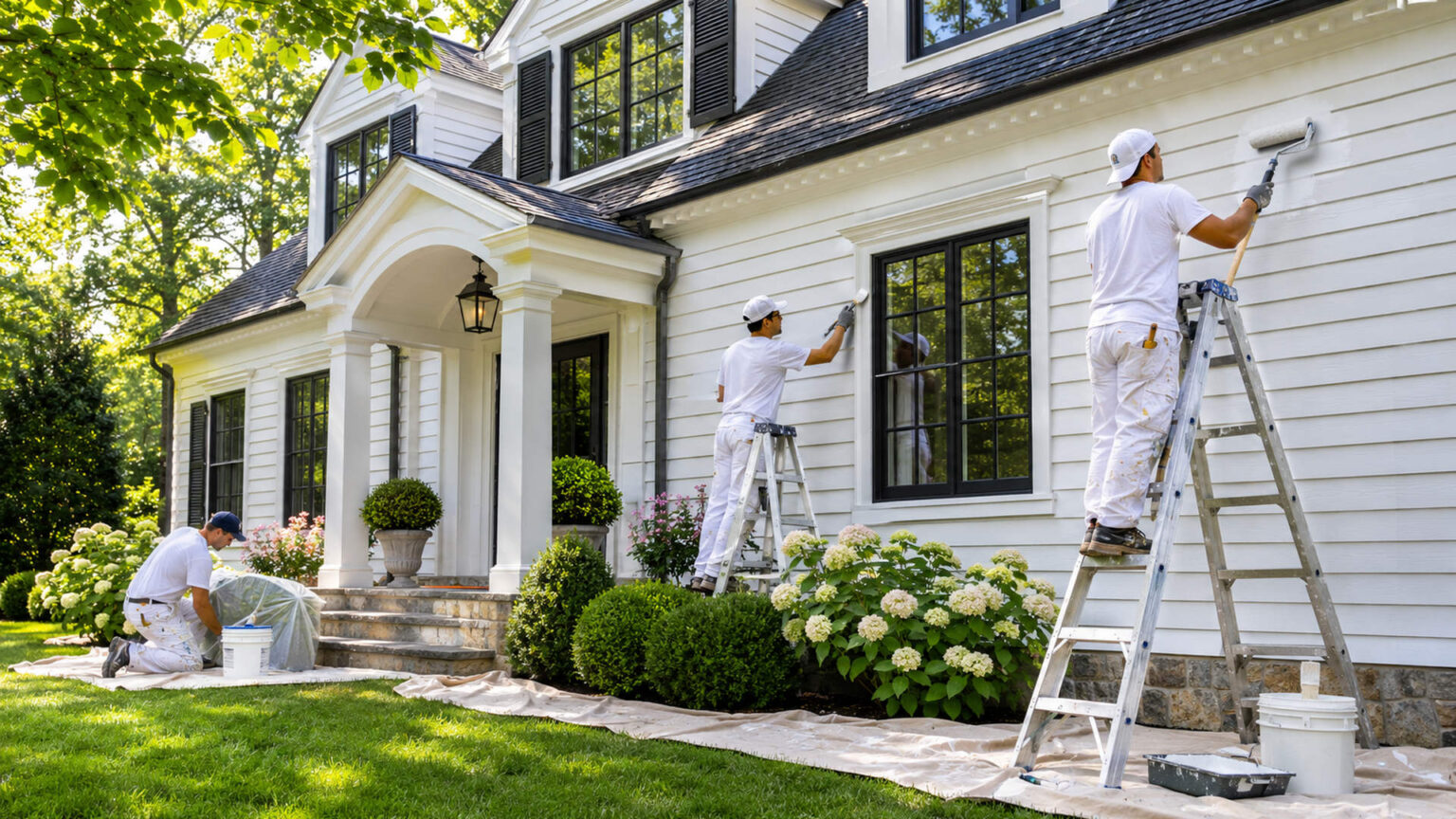
Choosing painters in Greenwich, CT involves more than finding someone who can apply a fresh coat of paint. A successful painting project requires careful surface preparation, appropriate materials, skilled application, and an understanding of the property’s condition. Whether you want to refresh your living room, restore weathered exterior siding, or update an entire property, the right painting professional can help you achieve an attractive and durable finish.
Greenwich homeowners often work with a wide range of architectural styles, including traditional Colonial houses, historic properties, contemporary residences, and waterfront homes. Each property presents different painting challenges. Understanding the services available, how estimates work, and what separates careful workmanship from rushed painting can help you make a confident decision.
Why Professional Painting Matters for Greenwich Homes
Professional painting improves the appearance of a property while helping protect suitable surfaces from everyday wear and environmental exposure. The benefits depend on the existing conditions, the quality of preparation, and the materials selected.
A properly planned project considers more than color. Painters must evaluate surface damage, existing coatings, moisture concerns, and the conditions in which the new paint will be applied.
Protecting Exterior Surfaces
Exterior paint acts as a protective coating on materials such as wood siding, trim, and certain masonry surfaces. When applied correctly over a properly prepared substrate, it helps limit exposure to moisture and sunlight.
However, paint cannot solve underlying water intrusion, structural deterioration, or persistent dampness. These issues need attention before the finishing work begins.
In Greenwich, properties near Long Island Sound may experience coastal moisture and wind exposure, while heavily landscaped homes can have shaded areas that remain damp longer after rainfall.
An experienced painting contractor should consider these differences when recommending preparation methods and coating systems.
Improving Interior Appearance
Interior painting can transform a room without requiring major construction.
Fresh colors can make a living area feel brighter, create a calmer bedroom atmosphere, or give dated walls a more contemporary appearance.
Professional application also provides more consistent coverage around architectural details, ceilings, door frames, and other areas where uneven cutting or roller marks are noticeable.
Interior Painting Services for Residential Properties
Interior painting includes several tasks that require different preparation methods and product choices.
Homeowners searching for painters in Greenwich, CT should look for professionals who can explain how they approach each surface rather than applying the same process throughout the house.
Living Rooms and Bedrooms
Living rooms and bedrooms generally benefit from smooth, consistent wall finishes and carefully selected colors.
Before painting, professionals should inspect walls for nail holes, small cracks, stains, peeling coatings, and previous patchwork.
Repair materials must dry properly before sanding and priming.
The choice of paint sheen matters too. Matte and eggshell finishes are common options for walls because they offer different balances of appearance, durability, and cleanability.
The best choice depends on how the room is used and the specific product’s performance characteristics.
Kitchens and Bathrooms
Kitchens and bathrooms require additional attention because of frequent cleaning, humidity, and changing temperatures.
A painter should consider ventilation, the condition of existing paint, and any history of condensation.
Appropriate coatings can improve cleaning convenience and moisture resistance, but they cannot replace proper ventilation or repair an active moisture problem.
Surfaces affected by persistent dampness should be investigated before painting.
Ceilings, Doors, and Trim
Ceiling painting requires controlled application to minimize lap marks, uneven coverage, and visible roller texture.
Doors and trim present different challenges because their surfaces are frequently touched and may have existing glossy coatings.
Proper cleaning, deglossing or sanding where appropriate, and compatible primers can improve adhesion.
Detailed trim work also requires precise brush control to produce clean edges around moldings and architectural features.
Cabinet Painting
Cabinet painting can refresh a kitchen or bathroom without replacing the entire cabinet system.
However, cabinets require a more specialized process than ordinary walls.
Doors and hardware may need removal, surfaces require thorough cleaning, and the existing finish must be evaluated for compatibility.
Cabinet coatings should be selected for their intended use and allowed sufficient drying and curing time before regular handling.
Exterior Painting Services and Local Weather Considerations
Exterior painting demands careful attention to environmental conditions and the materials used in construction.
Greenwich has seasonal temperature changes, periods of humidity, rainfall, and winter weather that can affect exterior maintenance.
A painting contractor should schedule work according to actual surface conditions and the coating manufacturer’s requirements rather than relying only on the calendar.
Wood Siding and Exterior Trim
Wood siding is common on many traditional New England homes.
Before repainting, painters should inspect wood for peeling paint, softness, cracking, open joints, and moisture damage.
Loose coatings need removal, and deteriorated material may require repair or replacement.
Sound wood must be clean and adequately dry before primer or paint is applied.
Painting over damaged or damp wood can lead to premature coating failure, even when high-quality paint is used.
Fiber Cement and Other Siding Materials
Different siding products require different coating systems.
Fiber cement, engineered wood, and previously painted masonry may have specific cleaning, priming, and application requirements.
Not every exterior surface needs the same preparation.
The painter should identify the material and check whether the proposed paint is compatible with the manufacturer’s recommendations.
Coastal and Shaded Properties
Homes near the waterfront may face additional moisture exposure and airborne salt deposits.
Properties surrounded by mature trees may experience different challenges, particularly where shade slows drying.
These conditions do not automatically require a particular brand of paint. Instead, they should influence inspection, cleaning, surface preparation, and scheduling decisions.
For homeowners comparing painters in Greenwich, CT, asking how the contractor handles different exposure conditions is a practical way to evaluate experience.
How to Know When Your Home Needs Repainting
Not every painted surface requires immediate replacement of its existing coating.
Some signs indicate cosmetic aging, while others suggest conditions that need further investigation.
Fading and Discoloration
Paint may gradually change color after prolonged exposure to sunlight, cleaning products, or environmental contaminants.
Fading alone does not necessarily mean the coating has lost its protective function.
A professional can examine whether the existing finish remains well adhered and whether repainting is necessary.
Peeling, Cracking, and Blistering
Peeling paint often indicates an adhesion problem.
Possible contributing factors include inadequate preparation, incompatible coatings, moisture, or application under unsuitable conditions.
Cracking can result from aging coatings or movement in the underlying material.
Blistering may indicate trapped moisture or other application problems.
The correct repair depends on identifying the cause rather than simply covering the visible defect.
Water Stains and Surface Damage
Brown marks, persistent discoloration, soft drywall, or recurring peeling may point to water intrusion.
Painting over these signs without addressing the source can conceal a problem temporarily rather than resolve it.
Any suspected leak, condensation issue, or damaged building material should be evaluated before decorative work begins.
What Proper Painting Preparation Should Include
Surface preparation is one of the most important parts of a professional painting project.
Even an expensive coating can perform poorly when applied to a dirty, unstable, or incompatible surface.
A reliable painter should explain the preparation process in the estimate.
Cleaning and Surface Inspection
Walls, siding, and trim must be free from contaminants that could interfere with adhesion.
Interior surfaces may need dust removal, spot cleaning, or treatment of greasy areas.
Exterior surfaces can require washing to remove accumulated dirt and other deposits.
Cleaning methods should suit the material. Excessive pressure can damage certain siding products or force water into vulnerable areas.
Repairs and Sanding
Small dents, nail holes, and minor surface defects may be repaired with suitable fillers.
Loose paint should be removed using appropriate methods, and rough edges may need sanding to create a smoother transition.
Repairs involving substantial wood decay, damaged drywall, or structural deterioration can require work outside the normal scope of painting.
The estimate should explain whether these repairs are included.
Choosing the Right Primer
Primer selection depends on the substrate and the existing coating.
Bare wood, patched drywall, stained surfaces, and certain glossy finishes may require different preparation products.
Some modern paints include primer-related performance features, but this does not mean a dedicated primer is unnecessary for every project.
An experienced contractor should select a compatible system for the actual surface conditions.
How to Choose Reliable Painters in Greenwich, CT
Finding the right contractor requires evaluating communication, workmanship, project planning, and business credentials.
A professional-looking website or attractive portfolio can be helpful, but neither should replace careful verification.
Review Experience with Similar Projects
Ask whether the contractor regularly completes work similar to your property.
For example, someone experienced with interior apartment painting may not necessarily have extensive knowledge of exterior wood restoration or complex historic trim.
Request examples that show comparable materials, property styles, and project sizes.
The discussion should focus on preparation methods and finished workmanship, not only photographs of newly painted rooms.
Verify Registration and Insurance
Before hiring a residential painting contractor, check applicable Connecticut home improvement registration requirements and confirm the contractor’s current status.
Ask for relevant insurance information, including general liability coverage and any workers’ compensation coverage required for the business and project.
Registration and insurance are important verification steps, but they do not guarantee the quality of the completed work.
You should still evaluate experience, references, and the written agreement.
Ask for Relevant References
References can help you understand how a contractor operates during an actual project.
Useful questions include:
- Did the crew arrive and communicate as agreed?
- Were floors, furniture, and landscaping protected?
- Were changes to the original scope discussed clearly?
- Did the contractor complete the agreed preparation?
- Was the final inspection handled professionally?
- Did the customer experience any unresolved issues?
Recent references involving similar work are generally more informative than unrelated projects.
Evaluate Communication
Good communication begins before the first paint can is opened.
The contractor should explain the process, answer reasonable questions, and identify uncertainties that may affect the final cost or schedule.
Be cautious when a company refuses to provide clear written details or pressures you to make an immediate decision.
Understanding Painting Estimates and Project Costs
Painting estimates can vary because contractors may propose different preparation methods, materials, staffing arrangements, and scopes of work.
The lowest figure does not always represent the lowest overall cost.
Before comparing proposals, make sure each contractor is pricing substantially the same job.
What a Written Estimate Should Describe
A useful estimate should identify the surfaces to be painted and the work included.
Important details may include:
- Rooms, walls, ceilings, trim, or exterior areas covered
- Cleaning, sanding, patching, and other preparation
- Primer and finish coating specifications
- Expected number of coats or stated coverage standard
- Protection of furniture, floors, windows, and landscaping
- Repair allowances and exclusions
- Estimated scheduling and project duration
- Cleanup and final inspection responsibilities
- Payment terms and procedures for changes
These details help prevent disagreements about what the original price covers.
Factors That Influence the Price
Several practical considerations can affect the cost of a painting project.
Property size matters, but it is not the only factor.
A small room with extensive damaged plaster or intricate woodwork can require more labor than a larger room with uncomplicated walls.
Exterior work may involve difficult access, tall elevations, scaffolding, peeling coatings, or specialized repairs.
Other considerations include the number of colors, product selection, occupancy, furniture protection, and preparation time.
Instead of relying on generic price averages, request a property-specific estimate.
Understanding Additional Charges
Unexpected conditions sometimes become visible only after preparation begins.
For example, removing loose paint may reveal deteriorated wood requiring replacement.
A clear agreement should describe how additional work will be assessed and approved.
Ask the contractor to provide written pricing for changes before completing work outside the agreed scope.
This protects both the homeowner and the painting company.
Selecting Paint Colors and Finishes
Color selection affects the appearance of a home, but sheen and product performance also deserve attention.
A beautiful shade may appear different once it covers an entire wall or exterior elevation.
Test Colors in Real Lighting
Paint samples can look different under natural daylight, evening lighting, and artificial fixtures.
Before committing to a color, examine samples in the actual space.
For exterior projects, consider how the proposed color relates to roofing, stonework, window frames, and landscaping.
Traditional Greenwich properties may suit restrained palettes, while contemporary architecture can accommodate stronger contrasts.
The best choice depends on the house and the homeowner’s preferences rather than a universal trend.
Understand Common Paint Sheens
Flat and matte finishes provide relatively low reflectivity and can help reduce the visual prominence of minor wall imperfections.
Eggshell finishes offer a subtle sheen and are frequently considered for living spaces.
Satin finishes may be appropriate for areas where greater cleaning durability is useful, depending on the formulation.
Semi-gloss finishes are often selected for doors, trim, and other detailed surfaces.
However, sheen terminology and durability characteristics vary between manufacturers.
Choose products based on their specifications and intended use.
Balance Appearance with Maintenance
Light and dark colors create different maintenance considerations.
Some darker finishes can show dust, marks, or surface defects more noticeably, while certain lighter colors may need careful cleaning in high-contact areas.
On exterior surfaces, color and substrate compatibility can also matter.
Ask whether the selected coating and shade are suitable for the material being painted.
When Is the Best Time to Schedule Painting?
Interior and exterior projects have different scheduling requirements.
Choosing the right period can reduce disruption and improve the likelihood of suitable application conditions.
Planning Exterior Work
Exterior painting generally requires suitable temperatures, manageable humidity, and adequately dry surfaces.
Spring, summer, and early fall may provide opportunities in Greenwich, but actual weather varies throughout each season.
Rain, heavy dew, cold surfaces, and strong sunlight can affect application or drying.
The painter should follow the specific product’s temperature and moisture recommendations.
A responsible contractor may postpone work when conditions are unsuitable rather than risk a poor finish.
Scheduling Interior Projects
Interior painting can often take place throughout the year when heating, ventilation, and humidity are appropriately controlled.
However, room access and household routines still influence the schedule.
Consider whether the project involves bedrooms, kitchens, home offices, or shared living areas.
Ask which rooms will be unavailable, when furniture can be returned, and when painted surfaces can resume normal use.
What to Expect During a Professional Painting Project
Understanding the painting process helps homeowners prepare for work and identify whether the job is progressing as agreed.
Although each contractor may use a different workflow, well-managed projects generally follow a clear sequence.
Initial Consultation and Assessment
The process usually begins with a discussion of the desired results.
The painter examines the relevant areas, notes visible surface problems, and asks about colors, finishes, and scheduling.
For complex projects, the contractor may need additional time to assess damaged materials or coordinate with other trades.
Any assumptions affecting the estimate should be explained.
Protecting the Property
Before painting begins, the crew should protect areas not included in the work.
Interior protection may involve moving furniture, covering floors, protecting fixtures, and isolating work areas where appropriate.
Exterior protection can include covering plants, shielding walkways, and preventing paint from reaching windows or outdoor equipment.
Homeowners should also ask about safe access, ventilation, and the handling of dust.
Application and Quality Checks
After preparation and any required priming, painters apply the selected finish coatings using suitable equipment.
Application methods can include brushes, rollers, or professional spray systems.
The number of coats depends on the product, substrate, original color, and required appearance.
Consistent coverage, proper film build, and adherence to drying instructions are more important than simply counting coats.
Final Walkthrough and Cleanup
Before considering the project complete, inspect the work under suitable lighting.
Look for missed areas, visible drips, inconsistent coverage, damaged surrounding surfaces, and incomplete cleanup.
A final walkthrough provides an opportunity to discuss reasonable corrections within the agreed scope.
Ask how leftover paint will be labeled, whether touch-up material will be available, and what maintenance guidance applies.
Special Considerations for Older and Historic Homes
Some Greenwich properties contain older materials, detailed woodwork, and existing coatings that require additional care.
Historic character can be preserved while improving the condition of painted surfaces, but preparation should respect the underlying materials.
Preserving Architectural Details
Older homes may feature elaborate molding, wooden sash windows, paneled doors, and decorative trim.
Aggressive sanding or unnecessary removal of original material can damage architectural features.
For these properties, ask whether the contractor has experience with careful restoration and how repairs will be performed.
Managing Potential Lead Paint Hazards
Paint in older buildings may contain lead, especially where original coatings remain.
Disturbing these coatings through sanding, scraping, or demolition can create hazardous dust.
Before work begins, determine whether lead-safe renovation requirements apply and whether the contractor has the appropriate qualifications.
Do not treat suspected lead-containing paint as an ordinary surface preparation task.
Coordinating Other Repairs
Painting may reveal problems with trim, flashing, windows, or moisture control.
Where these conditions extend beyond cosmetic repairs, additional trades may be needed.
Resolving the underlying problem before painting helps avoid covering defects that could reappear.
Residential and Commercial Painting Requirements
Not every painting project has the same operational requirements.
Residential work often focuses on protecting belongings, maintaining household access, and achieving detailed finishes.
Commercial projects may involve additional scheduling, building access, occupied workspaces, and coordination with facility managers.
Residential Painting
Homeowners typically prioritize finish quality, cleanliness, communication, and protection of personal property.
A project plan should account for daily routines, children, pets, and any areas requiring restricted access.
Where possible, work can be organized room by room to reduce disruption.
Commercial Painting
Commercial projects may require work outside regular operating hours or coordination with other maintenance activities.
The contractor may also need to address specialized substrates, higher traffic levels, and operational safety requirements.
When comparing painters in Greenwich, CT for commercial premises, verify that the company has relevant experience and the resources needed for the property’s scale.
Common Mistakes to Avoid When Hiring Painters
A few preventable decisions can affect the outcome of an otherwise straightforward painting project.
Choosing Only by Price
An unusually low estimate may reflect a smaller scope, different materials, or less preparation.
This does not mean an affordable painter necessarily provides poor work.
It means homeowners should compare what is included rather than evaluate price alone.
Skipping the Written Agreement
Verbal discussions can lead to different expectations about repairs, paint products, deadlines, and payment.
A detailed written agreement helps clarify responsibilities before work begins.
Make sure you understand any exclusions and the process for approving changes.
Ignoring Surface Problems
Fresh paint may conceal minor cosmetic imperfections, but it cannot permanently repair leaks, decayed wood, or unstable substrates.
If the surface is failing, addressing the cause should come before finishing.
Selecting Colors Without Testing
A color that looks attractive on a small sample card may feel considerably darker, brighter, or cooler across a large wall.
Testing colors in the actual environment can reduce the risk of dissatisfaction.
Rushing the Final Inspection
Homeowners may overlook small issues when furniture is being returned or the crew is leaving.
A deliberate walkthrough makes it easier to identify items requiring attention before project closure.
How to Prepare Your Home Before Painters Arrive
A little preparation can improve access and reduce unnecessary delays.
Start by asking the contractor which tasks the crew will handle and which responsibilities belong to the homeowner.
For interior work, remove fragile valuables, important documents, and small personal belongings from the areas being painted.
Take down wall decorations if requested, and arrange safe storage for items that could be damaged.
Discuss furniture moving in advance, particularly for heavy or delicate pieces.
For exterior projects, clear access around the building where practical.
Move outdoor furniture, vehicles, and portable equipment away from work zones when needed.
Inform the contractor about irrigation systems, sensitive landscaping, and any access restrictions.
If children or pets are present, establish safe boundaries around equipment and active work areas.
Communication before the start date can prevent avoidable interruptions.
Maintaining Painted Surfaces After the Project
A newly painted surface still needs appropriate care.
Drying and curing are different processes. Paint may feel dry to the touch before it reaches the durability described by the manufacturer.
Follow the contractor’s guidance before washing walls, replacing hardware, or subjecting painted surfaces to frequent contact.
Interior Paint Maintenance
Remove dust using gentle methods appropriate for the finish.
When cleaning marks, test a mild cleaning method in an inconspicuous location before treating a larger area.
Avoid abrasive tools and harsh chemicals unless the coating manufacturer specifically permits them.
Promptly addressing small chips or scratches may reduce the visibility of localized damage.
Exterior Paint Maintenance
Inspect exterior surfaces periodically for peeling, open joints, staining, and signs of moisture.
Pay attention to areas around windows, doors, gutters, and exposed trim.
Keeping drainage systems working properly and addressing leaks can help limit conditions that damage coatings.
When defects appear, investigate their cause before adding another layer of paint.
Keeping Useful Project Records
Save the paint brand, product name, color identification, sheen, and relevant application information.
These records make future touch-ups and maintenance easier.
Keep the written agreement and any applicable workmanship warranty details so you understand the scope and limitations of the contractor’s commitments.
Making a Confident Hiring Decision
The most suitable painting contractor is not necessarily the company offering the fastest start date or the lowest estimate.
Look for a professional who takes time to assess the property, explains the preparation process, recommends compatible materials, and provides a clear written scope.
When evaluating painters in Greenwich, CT, compare relevant experience, communication, credentials, and the level of detail in each proposal.
Consider asking each contractor the same questions so you can assess their answers fairly.
A careful selection process helps establish realistic expectations and supports a smoother working relationship from consultation through final inspection.
Conclusion
Choosing the right painting professional begins with understanding your property’s condition and the results you want to achieve. Thorough preparation, compatible coatings, clear project expectations, and careful workmanship all contribute to a successful finish. Whether you are updating an interior space or maintaining an exterior, comparing qualified contractors and reviewing detailed estimates can help you make a well-informed decision.
Frequently Asked Questions
1. How do I find reliable painters in Greenwich, CT?
Look for contractors with relevant project experience, appropriate registration and insurance, recent references, and detailed written estimates. Compare their preparation methods and communication before making a decision.
2. How much does professional house painting cost in Greenwich?
Costs depend on the property’s size, surface condition, preparation requirements, materials, accessibility, and project scope. Request itemized estimates from qualified contractors for an accurate comparison.
3. What is the best season for exterior painting in Greenwich, CT?
Spring through early fall can offer suitable opportunities, depending on weather conditions. Temperature, surface moisture, humidity, and the selected paint’s application requirements are more important than the season alone.
4. How long does a residential painting project take?
The duration depends on the number of surfaces, preparation work, repairs, drying requirements, weather, and crew availability. Ask the contractor for a project-specific schedule.
5. Should I hire professional painters or paint my house myself?
DIY painting may be practical for small, straightforward areas. Professionals are often better suited to extensive preparation, difficult access, specialized finishes, and projects requiring additional safety precautions.
6. Do professional painters provide paint and materials?
Many painting companies supply materials as part of their estimates, but arrangements vary. Confirm who purchases the paint, which products will be used, and whether material costs are included.
7. How can I tell whether my exterior paint needs replacing?
Look for peeling, cracking, persistent discoloration, exposed substrate, and deteriorating trim. A professional inspection can help distinguish cosmetic aging from conditions requiring repair before repainting.
