
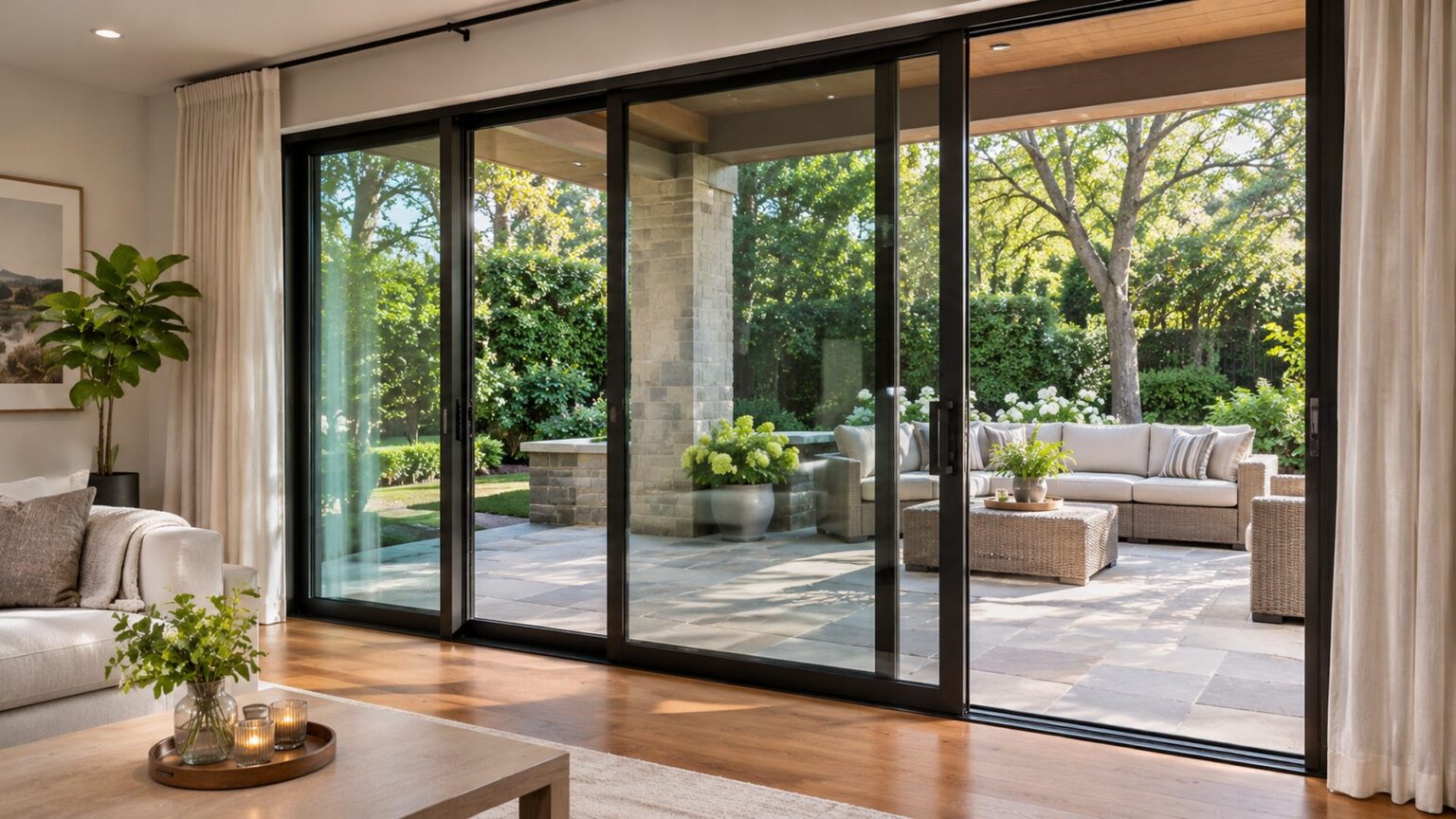
Choosing sliding glass patio doors can change how a home looks, feels, and functions. These doors create a convenient connection between indoor and outdoor spaces while allowing natural light to enter living areas. Whether you are renovating an existing property, replacing an outdated patio entrance, or planning a new home, selecting the right door system requires attention to comfort, security, energy performance, and long term durability.
Modern patio doors are available in different frame materials, glazing configurations, sizes, and operating styles. Some prioritize uninterrupted outdoor views, while others focus on insulation, easy maintenance, or space efficiency. Understanding these differences helps homeowners select doors that suit their architecture, climate, and everyday routines.
A successful project involves more than choosing an attractive design. Installation quality, structural conditions, drainage, and hardware reliability can significantly affect how the doors perform over time.
Why Sliding Glass Patio Doors Are Popular in Modern Homes
Sliding patio doors offer a practical alternative to traditional hinged doors. Instead of swinging inward or outward, their movable panels travel horizontally along a track.
This operating style makes them especially useful where furniture, landscaping, or limited floor space makes a swinging door inconvenient.
Large glass panels also support an open visual connection between the home and the outdoors.
Creating a Brighter Living Environment
Natural light can make rooms feel more welcoming and visually spacious.
A wide glazed opening allows daylight to reach parts of the home that might otherwise depend heavily on artificial lighting.
The actual amount of light depends on the door’s dimensions, orientation, surrounding buildings, and shading.
Homeowners should also consider glare and excessive solar heat when choosing large glass panels.
Improving Access to Outdoor Spaces
Patio doors can improve access to decks, gardens, terraces, and backyard entertainment areas.
They are particularly useful in homes where occupants move frequently between indoor and outdoor areas.
A smooth operating mechanism makes daily use more convenient, while a properly designed threshold can reduce unnecessary obstacles.
Supporting Different Architectural Styles
Sliding doors are not limited to contemporary houses.
Traditional homes can incorporate designs with divided light patterns or frame finishes that complement existing windows.
Modern properties may favor narrow profiles and larger uninterrupted glass areas.
The goal is to select a design that feels consistent with the surrounding architecture.
7 Essential Factors to Consider Before Choosing Sliding Glass Patio Doors
Choosing the right door system begins with understanding the available space, desired appearance, and performance requirements.
The following considerations can help homeowners compare options more effectively.
1. Choose the Right Door Size and Configuration
Door dimensions influence both appearance and usability.
A larger glass area may provide broader outdoor views, but the opening must be suitable for the building’s structural design.
The available wall space, header requirements, interior layout, and outdoor access all affect the final selection.
Two Panel Sliding Doors
A traditional two panel configuration typically includes one fixed panel and one movable panel.
This arrangement works well in many standard patio openings.
It provides a straightforward operating system and is available in a broad range of materials and finishes.
However, only part of the overall opening provides passage when the movable panel is open.
Three and Four Panel Systems
Larger openings may accommodate three or four panel configurations.
These designs can create expansive glass walls and offer different combinations of fixed and movable panels.
The available clear opening depends on the specific operating arrangement.
Homeowners should compare the usable passage width rather than assuming that every large sliding door opens across its full width.
Custom Sized Patio Doors
Custom configurations may suit unusual openings or specific architectural requirements.
They can also provide more flexibility in frame color, panel proportions, and hardware.
Before ordering custom doors, an installer should verify measurements and determine whether structural alterations are necessary.
2. Compare Frame Materials Carefully
Frame material influences appearance, maintenance, thermal performance, and durability.
The most suitable option depends on local weather, the home’s design, and the product’s construction.
Vinyl Frames
Vinyl is commonly used in residential patio doors because it generally requires limited routine maintenance.
It does not need regular painting, and many products provide good insulation when properly designed.
However, frame thickness, reinforcement, color availability, and thermal movement vary between manufacturers.
Homeowners should evaluate the complete door system rather than assuming all vinyl frames perform alike.
Aluminum Frames
Aluminum provides a strong, relatively slender framing option that suits contemporary architecture.
Its structural characteristics can support attractive narrow profiles.
Because aluminum conducts heat readily, thermal breaks or other insulating design features are important when energy performance matters.
The finish quality and corrosion resistance also deserve attention, particularly in locations with challenging environmental exposure.
Wood Frames
Wood can create a warm, traditional appearance that complements many architectural styles.
It also offers flexibility for certain decorative designs.
However, exposed wood requires appropriate finishing and maintenance to protect against moisture and weathering.
Some products combine wood interiors with protective exterior cladding to reduce maintenance demands.
Fiberglass and Composite Frames
Fiberglass and engineered composite frames offer additional choices.
These products can provide dimensional stability and useful thermal characteristics, depending on their construction.
The quality of reinforcement, weather seals, and manufacturing is just as important as the material label.
3. Understand Glass Options and Energy Efficiency
Glass selection is one of the most important decisions when buying sliding glass patio doors.
Large glazed openings can affect heat transfer, solar gain, daylight, and acoustic comfort.
Different glazing packages are designed to address these considerations.
Double Pane and Triple Pane Glass
Double pane units typically contain two layers of glass separated by an insulating space.
Triple pane units add another layer and insulating cavity.
The spaces may contain air or an insulating gas, depending on the product.
Additional glazing layers can improve certain performance characteristics, but they also affect weight, cost, and system design.
Homeowners should compare tested whole door performance rather than choosing solely by pane count.
Low Emissivity Glass
Low emissivity glass contains a specialized coating designed to influence heat transfer.
Different coatings can provide different balances of insulation and solar control.
A suitable product should reflect the home’s climate, orientation, and comfort requirements.
Large west facing openings, for example, may need particular attention to afternoon solar heat.
Understanding Energy Ratings
Two useful performance measures are U factor and solar heat gain coefficient.
U factor describes the rate of heat transfer through the tested assembly. A lower number generally indicates less heat transfer.
Solar heat gain coefficient describes the fraction of incoming solar energy transmitted through the assembly.
A lower solar heat gain coefficient can reduce unwanted solar heat, but the best choice depends on the climate and building design.
Look for independent performance ratings for the complete door assembly when comparing products.
4. Evaluate the Sliding Mechanism and Daily Operation
A patio door may look attractive in a showroom but feel inconvenient if the operating mechanism is poorly suited to everyday use.
Smooth movement depends on the track design, rollers, panel weight, adjustment, and installation quality.
A well designed system should move consistently without requiring excessive force.
Rollers and Tracks
Sliding panels usually operate on rollers that move along a supporting track.
Roller construction and adjustability influence how easily the door moves.
Tracks should be designed to manage normal use and exposure to debris.
Ask whether replacement rollers and other service parts are available.
Handles and Operating Hardware
Handles should feel secure and comfortable to use.
Their position should suit the intended occupants, including anyone with limited grip strength or mobility.
Hardware finishes should also match the home’s interior design and expected exposure conditions.
Screen Door Options
Sliding insect screens can help homeowners enjoy outdoor airflow while limiting insects.
Some systems include integrated screen tracks, while others offer compatible screen accessories.
Screens should move smoothly and be easy to remove or maintain when necessary.
5. Prioritize Security and Safety Features
Security matters because patio doors often provide direct access to outdoor areas.
A secure door depends on the complete assembly, including the frame, locking mechanism, glass, and installation.
Multi Point Locking Systems
Some sliding patio doors offer locking mechanisms that engage at more than one location.
The actual benefits depend on the design and quality of the complete system.
Homeowners should compare tested security features rather than relying on a product description alone.
Reinforced Hardware
Strong handles, compatible locks, and properly secured frames can contribute to resistance against forced entry.
Additional security accessories may be useful in certain situations, but they should not interfere with safe emergency access or the intended door operation.
Safety Glazing
Glass used in patio doors generally needs to meet applicable safety glazing requirements.
Tempered and laminated safety glass are common options, with different performance characteristics.
Tempered glass is designed to break into relatively small fragments under typical breakage conditions.
Laminated glass contains an interlayer that can help retain fragments after breakage.
Neither product should be described as completely unbreakable.
Confirm that the selected glazing meets the requirements applicable to the installation.
6. Consider Weather Resistance and Indoor Comfort
The performance of sliding doors depends on more than their glass and frame materials.
Weatherstripping, drainage, sill design, and installation all influence how the system responds to rain, wind, and changing temperatures.
Air Leakage and Weather Seals
Exterior door assemblies need appropriate seals to limit unwanted air movement.
Worn or poorly fitted weatherstripping can contribute to drafts.
When comparing products, review available air leakage performance information and ask how the seals are maintained or replaced.
Water Drainage
Some patio door systems incorporate drainage paths that manage water entering designated areas of the sill.
These pathways must remain clear and should not be blocked during installation or maintenance.
A properly installed door should integrate with the surrounding wall’s water management system.
Noise Reduction
Glazing and frame construction may influence how much outdoor noise enters the home.
Specialized acoustic glazing can be useful for properties near busy streets.
However, the entire installed assembly, including seals and surrounding construction, affects the final result.
7. Choose Professional Installation and Proper Sealing
Even a well manufactured door can perform poorly when installed incorrectly.
Accurate measurements, suitable support, proper alignment, and effective water management are essential.
A professional installer should examine the existing opening and identify any problems before beginning work.
Preparing the Rough Opening
The opening should be evaluated for structural suitability, dimensions, level, and existing damage.
Rotten framing, water damage, or unstable supporting materials must be addressed before the new unit is installed.
Flashing and Waterproofing
Flashing helps direct water away from vulnerable parts of the wall assembly.
The installation method should follow the applicable product instructions and suit the construction of the building.
Sealants should be compatible with the materials used.
Applying caulk alone is not an adequate substitute for properly designed flashing and drainage.
Final Alignment and Testing
After installation, the door should be tested for movement, locking, weather seal contact, and general operation.
The installer should check that panels remain properly supported and that drainage features function as intended.
Sliding Glass Doors Compared With Other Patio Door Styles
Sliding doors are only one option for connecting a home to outdoor living areas.
Understanding the alternatives can help homeowners choose the most practical design.
Sliding Doors Versus French Doors
French doors typically use hinged panels that swing open.
They can create a traditional appearance and may provide a wide opening when both leaves are operable.
However, the swing area requires clearance.
Sliding doors avoid this issue because their panels move along a track.
The decision often depends on available space, architectural style, and preferred operation.
Sliding Doors Versus Folding Glass Doors
Folding doors use multiple hinged panels that gather toward one or both sides.
They can create a broad passage between indoor and outdoor spaces.
However, the additional panels and hardware may introduce different maintenance and operational considerations.
Sliding systems may be preferable when uninterrupted glass views and straightforward daily operation are priorities.
Sliding Doors Versus Pivot Doors
Pivot doors rotate around offset pivot points.
They can create a striking architectural appearance but require appropriate clearance and structural planning.
For many conventional patio openings, sliding doors provide a more familiar and space efficient solution.
Designing a More Attractive Indoor and Outdoor Connection
Sliding glass patio doors can become a prominent architectural feature.
The surrounding finishes, furniture arrangement, and landscape design influence how successfully the installation integrates with the home.
Coordinate Interior and Exterior Flooring
Similar flooring tones or complementary materials can create a visually continuous transition.
For example, warm interior wood flooring may pair well with neutral outdoor stone.
However, exterior flooring must remain suitable for weather exposure and slip resistance.
Door thresholds, drainage, and changes in elevation also require careful planning.
Choose Frame Colors That Complement the Home
Black frames can create a strong visual outline, especially in modern interiors.
White and neutral frames may blend more naturally with traditional architecture.
Wood finishes can provide warmth and texture.
Color selection should consider nearby windows, wall finishes, roofing, and exterior materials.
Plan Privacy Without Blocking All the Light
Large glass doors offer outdoor views but may also make interior spaces more visible.
Curtains, blinds, exterior shading, and appropriate landscaping can improve privacy.
Certain glass treatments may also be available, although their privacy characteristics vary with lighting conditions.
A treatment that appears private during daylight may not provide the same effect at night.
How Much Do Sliding Glass Patio Doors Cost?
The cost of sliding glass patio doors varies according to product design, materials, glazing, size, and installation requirements.
A standard replacement is usually a different project from creating a completely new opening in an exterior wall.
Homeowners should consider the total installed cost rather than comparing door prices alone.
Product Features That Affect Pricing
Larger panels, specialized glazing, custom finishes, and upgraded hardware can increase product costs.
Certain frame materials and complex configurations may also involve higher manufacturing expenses.
The least expensive option is not automatically the best value if it does not meet the home’s performance needs.
Installation Costs and Additional Work
Installation pricing depends on the opening’s condition, the amount of demolition, access, and required finishing.
Replacing an existing door may involve removing the old unit, correcting minor framing issues, installing the new assembly, and finishing interior and exterior trim.
Moving or enlarging an opening may require structural design, permits, and additional construction work.
Getting Accurate Estimates
Request itemized proposals that identify the door model, glazing package, hardware, installation scope, and relevant exclusions.
Clarify whether the estimate includes removal, disposal, interior finishing, exterior sealing, and repairs to concealed damage.
Compare proposals based on equivalent specifications.
What to Expect During Patio Door Installation
Understanding the installation process helps homeowners prepare their property and avoid unnecessary disruption.
The work generally begins with confirming measurements and protecting nearby surfaces.
Removing the Existing Door
The installer removes the old panels, frame components, and surrounding materials as required.
The opening is then inspected for damage.
Unexpected moisture problems or deteriorated framing may need correction before work can continue.
Positioning the New Assembly
The new frame must be supported, aligned, and secured using the method specified for the product and wall construction.
Improper alignment may cause binding, uneven panel movement, or sealing problems.
Suitable flashing and weather protection are installed as part of the assembly.
Completing Interior and Exterior Finishes
Once the door is secured and tested, surrounding trim and finish materials can be restored.
The installer should explain any curing requirements, maintenance procedures, and adjustments that may be necessary.
Before accepting the work, operate the door yourself and confirm that the lock engages properly.
Common Sliding Patio Door Problems and Their Causes
Sliding doors experience regular movement and exposure to household dirt and outdoor conditions.
Some problems result from routine wear. Others indicate installation or component defects.
A Door That Is Difficult to Slide
A sticking panel may result from dirt in the track, worn rollers, incorrect adjustment, or frame movement.
Start with manufacturer recommended cleaning procedures.
If the problem continues, have the hardware and alignment inspected.
Avoid forcing a heavy glass panel because excessive pressure can damage components.
Drafts Around the Frame
Drafts may indicate worn weatherstripping, inadequate adjustment, or gaps around the installed frame.
Replacing a seal can solve some issues, but persistent air leakage may require professional evaluation.
Condensation Between Glass Panes
Moisture trapped between the panes of an insulating glass unit can indicate seal failure.
Cleaning the outside surfaces will not remove condensation located inside the sealed cavity.
Depending on the product, replacing the insulating glass unit or another component may be appropriate.
Water Around the Threshold
Water near the door may originate from blocked drainage openings, failed flashing, damaged seals, or surrounding construction.
The source should be identified before repairs are attempted.
Recurring water intrusion deserves prompt attention because it can damage adjacent building materials.
How to Maintain Sliding Glass Patio Doors
Regular maintenance helps keep a patio door operating smoothly and makes developing problems easier to identify.
Maintenance requirements vary by product, so manufacturer instructions should take priority.
Clean the Tracks and Frames
Remove accumulated dirt, dust, and loose debris from accessible track areas.
Use suitable cleaning methods that will not damage protective finishes or moving components.
Avoid forcing debris into drainage passages.
Inspect Rollers and Hardware
If the door becomes unusually difficult to move, inspect accessible areas for debris or visible damage.
Some systems permit roller adjustments, but homeowners should not attempt unfamiliar adjustments on heavy glass panels.
Professional servicing may be safer when panels require removal.
Care for the Glass
Clean glazing with suitable nonabrasive products and soft materials.
Avoid harsh tools that could scratch glass or damage specialized finishes.
Follow product instructions for coated or treated glass surfaces.
Check Weatherstripping and Drainage
Inspect accessible seals for displacement or deterioration.
Keep designated drainage openings clear.
After major storms, look for unusual moisture around the sill and adjacent wall finishes.
When Should You Repair or Replace Existing Patio Doors?
Not every door problem requires complete replacement.
Worn rollers, damaged handles, and some weather seals may be repairable when compatible parts are available.
However, extensive frame damage, recurring water intrusion, or major operating problems may justify replacement.
Situations Where Repair May Be Practical
Repair can make sense when the existing frame is sound and the problem is limited to replaceable components.
Examples include a damaged lock, adjustable roller issue, or localized weatherstrip deterioration.
Ask whether parts remain available for the specific door model.
Situations Where Replacement May Be Better
Replacement may be worth considering when the assembly is severely deteriorated, lacks necessary performance features, or no longer fits the household’s needs.
A new door can also provide an opportunity to update glazing, hardware, accessibility, and appearance.
The decision should consider repair costs, remaining service life, and the expected benefits of a replacement.
Mistakes to Avoid When Buying Sliding Glass Patio Doors
Several common purchasing mistakes can reduce satisfaction with an otherwise attractive door.
One is selecting a system based entirely on its appearance without checking energy ratings, hardware quality, and weather resistance.
Another is focusing on the total glass width without considering the actual usable opening.
Homeowners may also overlook privacy requirements, screen compatibility, and maintenance access.
Ordering before professional measurements can lead to expensive complications.
Most importantly, choosing an inexperienced installer can undermine the performance of even a premium product.
A carefully evaluated door and a properly planned installation usually provide a stronger foundation for long term satisfaction than a rushed purchasing decision.
How to Choose the Right Patio Door Installer
A reliable installer should be familiar with the selected product and the construction of the surrounding wall.
Ask whether the company has completed similar residential projects and whether its proposal includes the full installation scope.
Verify relevant credentials and insurance where applicable.
Discuss how the contractor handles concealed damage, weatherproofing, unexpected changes, and final inspections.
A clear written agreement should explain the responsibilities of the installer and homeowner.
The best choice is a professional who communicates clearly, uses appropriate installation methods, and can explain how the door will be supported, sealed, and maintained.
Conclusion
Sliding glass patio doors offer an attractive way to connect indoor living spaces with patios, gardens, and outdoor entertainment areas. Choosing a suitable frame, energy efficient glazing, reliable hardware, and compatible security features can improve everyday usability and comfort. Proper installation is essential for smooth operation, weather protection, and long term performance. By comparing products carefully and following practical maintenance guidance, homeowners can select a patio door system that suits their property and lifestyle.
Frequently Asked Questions
1. Are sliding glass patio doors energy efficient?
Sliding glass patio doors can provide good energy performance when they use appropriate insulated glazing, suitable frame construction, effective weather seals, and professional installation. Compare whole door energy ratings before purchasing.
2. What is the best material for sliding glass patio door frames?
Vinyl, aluminum, wood, fiberglass, and composite frames each offer different benefits. The best material depends on climate, maintenance preferences, architectural style, and the performance of the complete door system.
3. How long do sliding glass patio doors last?
Their service life varies with product quality, installation, environmental exposure, frequency of use, and maintenance. Regular cleaning and timely repairs can help preserve operation and condition.
4. Are sliding glass patio doors secure?
Modern sliding doors can include reinforced frames, reliable locking hardware, and safety glazing. Security depends on the complete assembly and correct installation rather than the glass alone.
5. Can sliding glass patio doors be installed in an existing wall?
Yes, but creating a new opening may require structural modifications, appropriate support, weatherproofing, and applicable permits. A qualified professional should assess the wall before work begins.
6. How do you maintain sliding glass patio doors?
Keep tracks clean, inspect weather seals, clear drainage openings, and check operating hardware. Follow the manufacturer’s maintenance instructions and arrange servicing when movement becomes difficult.
7. Is it better to repair or replace old sliding patio doors?
Repairs may be suitable for isolated hardware or seal problems. Replacement may be more practical when frames are badly damaged, water intrusion persists, or the existing system no longer meets performance needs.
