
Remote work removed the commute and quietly removed the edges of the workday along with it. A hybrid analyst answers Slack from the school pickup line, joins a call with Singapore at 9 pm, and logs back in after dinner to finish the deck nobody saw her start. None of that shows up in a wellbeing survey until the day she resigns.
Most companies responded with a meditation app subscription and a wellness webinar each quarter. Those perks are pleasant, and they miss where the damage happens.
Wellbeing on a distributed team is mostly decided by ordinary operating choices: when meetings get booked, how managers read a quiet week, and whether anyone notices that a person has not spoken to a colleague outside a status call in a month. Fix those, and the perks start to land.
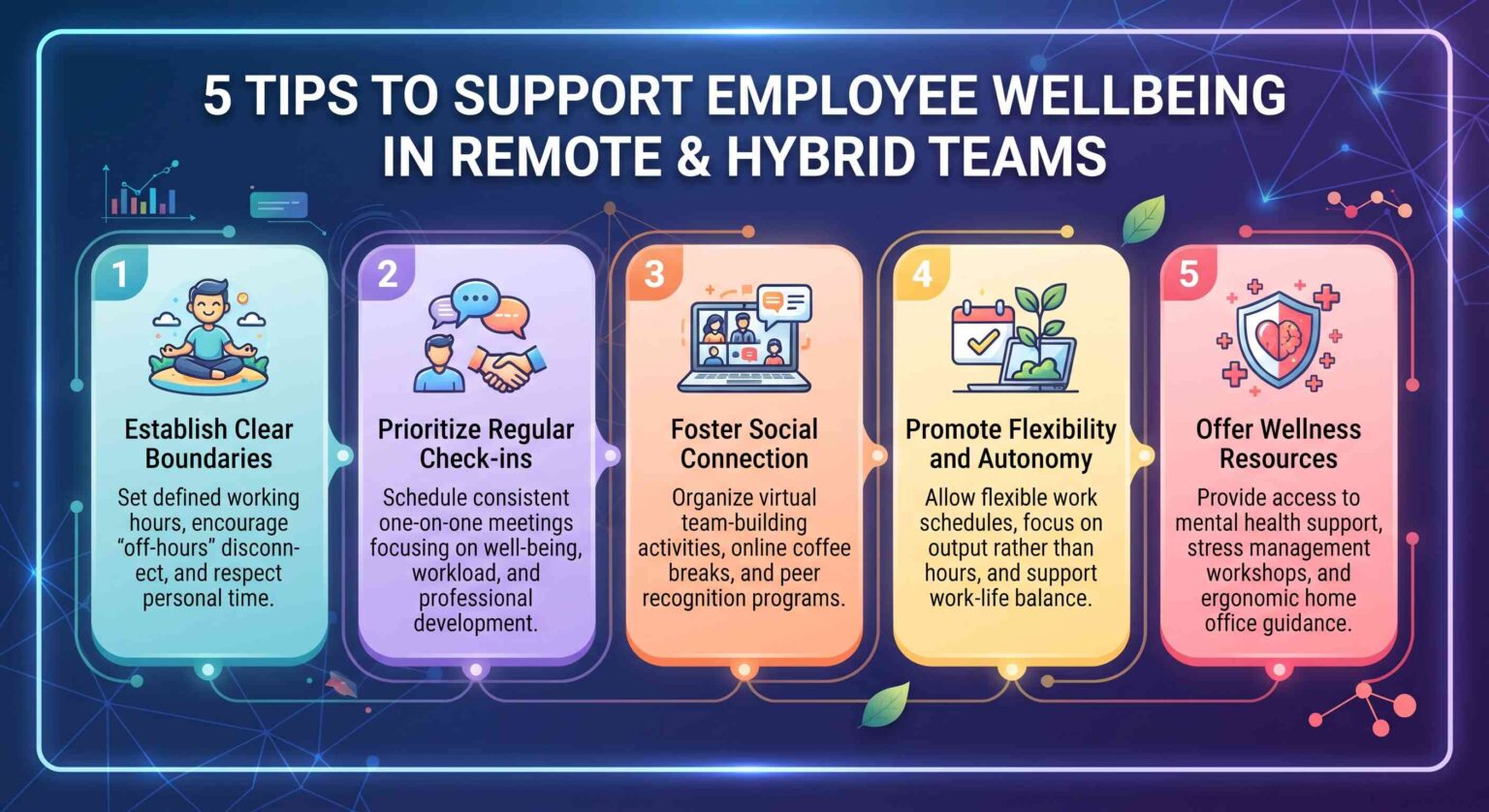
5 Tips to Support Employee Wellbeing in Remote and Hybrid Teams
These are the choices that separate teams that stay healthy at a distance from teams that burn through good people every 18 months.
Send Care Gifts That Fit Daily Life at Home
Remote employees spend the workday in kitchens, spare rooms and sofas, so the perks people welcome most are the ones that make those spaces nicer to sit in. A pair of custom shoes or fleece-lined slippers printed with a team in-joke costs less than a team dinner, and print-on-demand platforms like Printify let you design them online while a print partner produces and ships each pair only after it is ordered, with no stock to buy upfront.

Print-on-demand works the same way for a 15-person team as it does for an online store: you upload a design, choose the product, and pay for each item only when an order comes in, with no minimum order and no cupboard full of unclaimed sizes. Production usually takes 2 to 7 business days before the print provider packs and ships the pair, and domestic delivery adds another 2 to 8, so order about 3 weeks ahead of the moment the gift is meant to mark. The same catalog runs from low-top sneakers and flip-flops to fur-lined boots in sizes from US 4.5 to US 14, which covers most of a team’s feet and tastes.
Time the gift around a hard stretch rather than a calendar date, and let people choose their own size and design from a short list so the gift does not end up in a drawer. Slippers that arrive the week after a brutal product launch tell the team the company noticed the late nights. Sent in December with 400 identical boxes, the same pair reads as an HR reminder going off.
Protect the End of the Workday
Flexible hours turn into longer hours when nobody watches where the day ends. For hourly remote staff such as support agents or scheduling coordinators, time tracking software like Homebase, a time clock app for small businesses with hourly teams that logs clock-ins, breaks, and overtime from a phone and alerts managers as hours approach overtime, makes overwork visible before it becomes a habit.
Salaried staff needs the same signal from their calendars. Microsoft’s Breaking down the infinite workday report found that meetings after 8 pm rose 16% year over year across Microsoft 365 users. Set a team rule that nothing gets booked outside the shared overlap window without the attendee’s agreement.
Most remote work tools already ship with scheduled send and do-not-disturb hours, so a manager’s 11 pm idea can land at 9 am instead. The fix costs nothing beyond the agreement itself.
Make Mental Health Support Easy to Use
Plenty of companies pay for an employee assistance program that few staff ever open, because the phone number sits in a benefits PDF from onboarding. APA’s 2025 Work in America survey of 2,017 US workers found that 42% of those satisfied with their employer’s mental health support worried about losing their job in an economic slump, compared with 52% of those who were unsatisfied.
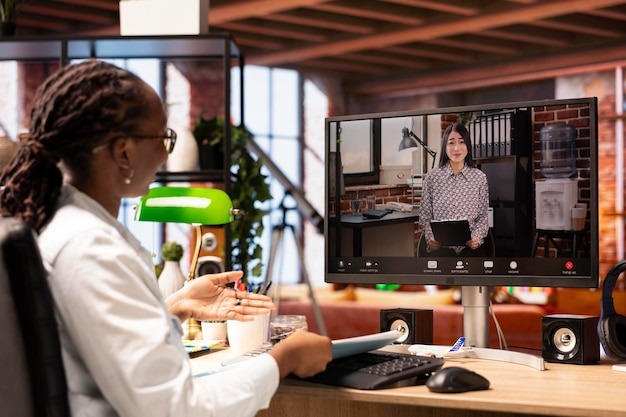
Satisfaction comes from access people can actually use. Pin the support link in the team channel, state in writing that sessions can be booked during working hours with no explanation required, and ask a senior leader to mention using it. Remote staff never see a colleague walk into an HR office, so the permission has to be said out loud.
Train Managers to Read Strain Through a Screen
Spotting burnout through a video call is a skill managers have to be taught, the same way they are taught to run a performance review. Teams building that training can benchmark their approach against The State of L&D Maturity Report from 360Learning, a company that sells an AI-powered learning platform for creating and sharing internal courses.
On a screen, the warning signs move into text: replies getting shorter, cameras staying off, work landing at 2 am. Managers need a short list of those signals and a script for the first private conversation, because asking a whole group call whether everyone is okay only gets a reflexive yes.
The managers need cover as well. Gallup’s State of the Global Workplace: 2025 Report found manager engagement fell from 30% to 27% in 2024, and stretched managers stop noticing anyone else. Basic workforce management skills such as balanced scheduling and regular one-to-ones give them back some of the visibility remote work takes away.
Build Contact Into the Week on Purpose
Loneliness usually gets blamed on remote work itself, and the evidence is more mixed than that. The Conference Board of Canada’s Connection Over Configuration briefing found remote workers socialized with colleagues less than hybrid or in-person staff, yet reported no difference in workplace loneliness or isolation.
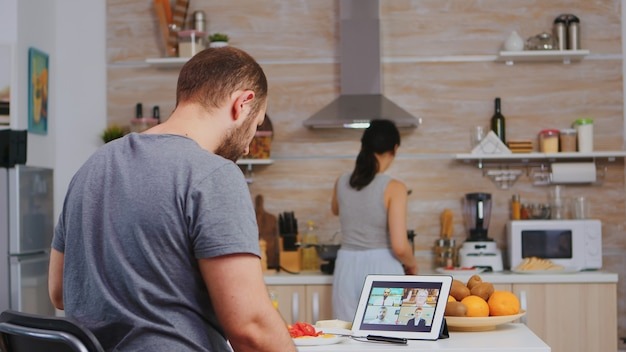
What moves loneliness is whether contact matches what each person needs. Some people want a weekly unstructured coffee call, while others want a single strong working relationship with a peer they can message without a reason. Ask each person which they prefer, then put it in the calendar so it survives a busy quarter.
Hybrid teams have an extra lever here. Line up office days so the people who commute in actually overlap, because traveling an hour to sit on video calls from a different desk drains people faster than staying home.
What to Change This Month
Start with how the workday ends. Gifts, counseling access, and manager training all work better on a team that gets to switch off, and all of them work worse when people are still answering messages at 10 pm.
Agree on an overlap window, move late meetings into it, and have leaders stop sending after hours first, since teams copy what they see far more than what the handbook says. Then track after-hours meetings and messages per person every month. If those numbers climb, the wellbeing budget is treating symptoms.
For practical guides to the tools that shape distributed work, Droven’s Future of Work section covers the software and workflows remote and hybrid teams use every day. Read a guide this week and bring a single change to your next team meeting.
