
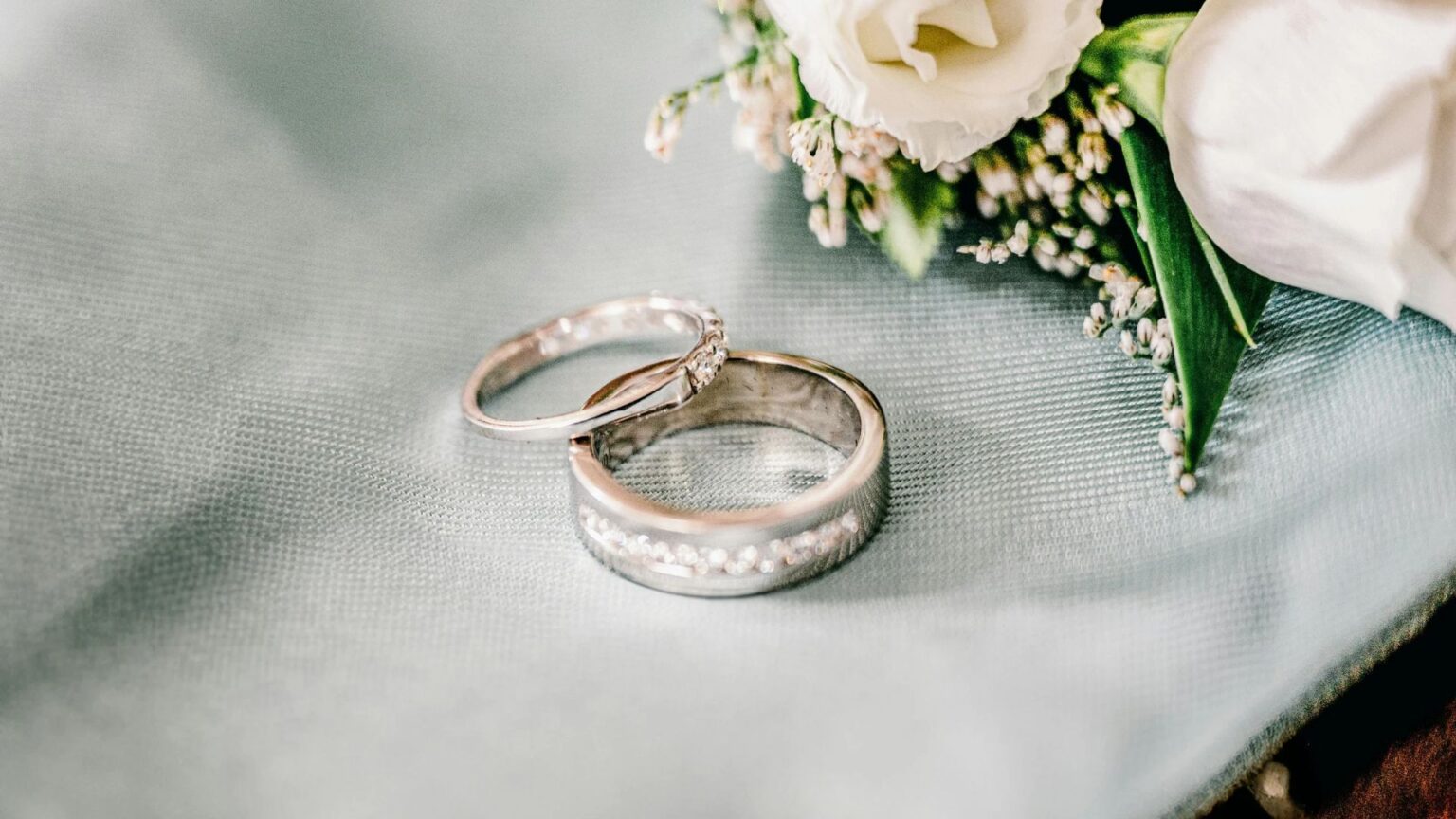
Ask someone who has been married for ten years what they still own from the wedding year, and the list is short. The rings, of course. A watch, if somebody gave a good one. Perhaps the garden trampoline that went up the summer the first child arrived. Most other things from that year are long gone. What survives usually does so because it was chosen with some care and made by people who expected it to last. That is a useful test for any purchase, and it is the one Laatukoru and Acon, two Finnish companies, have built their work around.
A Tissot You Stop Noticing
Tissot has made watches in Le Locle, Switzerland, since 1853. Over that time the brand has held to one idea: Swiss movements and Swiss quality control, priced so that people who wear a watch every day can afford one. A Tissot is not meant to sit in a drawer between occasions. It goes on in the morning and comes off at night. After a couple of years you stop noticing it, and that is how a daily watch ought to behave.
Where you buy matters more with watches than with most things. A famous name attracts copies and unofficial sellers, and a mistake is awkward to undo once the box is open. Laatukoru is an authorized retailer, so a Tissot bought there is genuine, comes in its original packaging and carries the manufacturer’s guarantee. The choice runs from plain dress watches with clean dials and leather straps to sportier models for active days. The shop also stocks Longines, Rado, Seiko and Garmin, which lets you hold a Tissot against its alternatives before you decide.
Wedding Rings Made in a Basement Workshop
Where Laatukoru Started
In 1972, goldsmith Keijo Silván turned the basement of his home in Hyvinkää, Finland, into a workshop and began making jewelry by hand. He did not set out to build a chain of shops. He wanted to make good things properly and hoped enough people would notice. They did. The workshop is still in Hyvinkää, the same family still runs the business, and there are now eleven stores across Southern Finland plus an online shop that ships across Europe by DHL Express. More than five thousand customer reviews describe a similar experience: buyers got what they were promised.
What Wedding Rings Go Through
A wedding ring does not wait in a box for the next occasion. It is on the hand while you wash up, dig the garden, lift weights and walk to the car in January. Shop lights make almost every ring look excellent, so they tell you little. The better questions concern the years ahead. Will the setting still hold a stone firmly after a decade? Will the gold wear evenly? Will the fit still feel right?
The Silván wedding rings are made by hand in the Hyvinkää workshop, in small batches and as individual commissions. The gold is 100 percent recycled, in 14 and 18 carat, and comes in yellow, white or rose. Where a ring carries diamonds, they come from conflict-free European suppliers, and the workshop can say where. The designs run from plain polished bands to brushed and textured finishes, diamond-set styles and vintage-inspired pieces. Add the Finnish brands Laatukoru carries, including Kohinoor, Lumoava, Kalevala, Beat of Love and Stelle, and the shop offers more than 345 wedding rings in total. If none suits you, the workshop will make a pair to order. You talk through what you have in mind with a goldsmith, and the rings are made for you alone.
The Garden Question
Most people pick a trampoline by its looks or by the spare corner of the lawn. The shape deserves more thought, because it changes how the thing feels to jump on.
A round trampoline has its springs arranged in a circle. The bounce is liveliest in the middle and less even toward the edge. A rectangle trampoline has its springs along two long sides, and the bounce stays much the same wherever you land. This sounds trivial until three children are on the mat together. On an uneven surface they collide in ways nobody planned. A child learning balance wants the mat to behave the same on every landing, and a teenager trying a new move does not want a surprise near the frame. If your children only bounce gently in the middle, a round trampoline will do the job well. The rectangle shape earns its place once the jumping gets busier or more ambitious.
Acon, the company behind the rectangle trampoline range, was founded in Finland in 1996 by Tarmo Sallinen. Three decades of building trampolines teaches a manufacturer which joints loosen, which springs lose tension and which net seams thin out under sun and rain. It now sells in more than sixty countries and has well over a thousand customer reviews. The 16 HD is the rectangle model most families choose, sixteen feet long and sold with a safety net and a ladder. The 16 HD PRO swaps in piano wire springs for a higher, livelier bounce. The X series is the top model, with smart corner technology and a sealed enclosure, and freestyle jumpers use it for training.
Details Worth Checking Before You Order
A trampoline lives outside through every season, so weather matters as much as children. Acon also makes round models from 10 to 15 feet. The 15 ft is the largest and among the most recommended, with room for several people and a full-height bounce. The 10 ft and 12 ft suit younger children and smaller gardens, and they meet the same standards as the bigger ones. A smaller trampoline from this range is not a weaker one.
Whichever trampoline you consider, look at three things. First, certification: Acon’s range is CE and ASTM certified, which means independent standards have tested it. Second, the warranty: Acon offers up to ten years, and a company rarely does that unless it expects the product to last. Third, delivery. US orders ship from Minnesota, with free shipping to the lower 48 states on full-size trampolines with nets. Canadian customers are served by a dedicated Canadian operation, so shipping and support stay local. With something this large and heavy, that makes any warranty question easier to settle.
What the Receipt Doesn’t Show
A receipt records a price and a date. It says nothing about whether the watch will still keep good time in year eight, whether the wedding rings will fit through the winter weight and the summer swelling, or whether the trampoline will survive its fourth January. You cannot read any of that off a product page. What you can do is ask the seller what they can prove, and listen for facts rather than adjectives. Laatukoru can show its authorized status and explain how its rings are made. Acon can show its safety certificates and its warranty. If the answers are specific, you are probably dealing with people who expect to hear from you again in ten years.
