
You want a durable, stylish surface that fits kitchens, bathrooms, and high-traffic spaces without constant upkeep. Ceramic tile gives you long-lasting performance, wide design choices, and straightforward installation options that suit most budgets and rooms.
This post Ceramic Tile Maintenance will explain what ceramic tile is, how it differs from porcelain and natural stone, and which tile types work best for floors, walls, and backsplashes. You’ll also get practical guidance on installation basics and maintenance so you can choose the right tile and plan the project with confidence.
Understanding Ceramic Tile
Ceramic tile combines a range of styles, material mixes, and performance traits you should match to the room’s use and maintenance needs. Focus on tile type, how the tile is made, and measurable performance factors like water absorption, hardness, and slip resistance.
Types of Ceramic Tile
You’ll encounter two main commercial categories: wall tile and floor tile. Wall tile is thinner, lighter, and not usually rated for heavy foot traffic; use it for backsplashes, shower walls, and vertical feature surfaces. Floor tile is thicker, denser, and graded for wear—look for PEI ratings (abrasion resistance) when selecting for kitchens, hallways, or commercial spaces.
Mosaic tile consists of small units (often on mesh sheets) for curves, patterns, or accent bands. Porcelain is a subtype of ceramic fired at higher temperatures and with denser clay; it has lower water absorption and higher strength, making it preferred for exterior and high-traffic floors. Read product labels for intended application and ratings rather than relying on appearance alone.
Materials and Manufacturing Process
Ceramic tile starts from clay mixes—commonly kaolin, ball clay, and other minerals—blended with water and additives to control plasticity and drying. The formed tiles are dried, then fired in a kiln; firing temperature and time set final hardness and porosity. Porcelain uses finer clay and higher firing temperatures (typically >1200°C), producing a denser, less porous body.
Surface finish options include glazed, through-body (unglazed), and rectified edges. Glaze provides color, pattern, and a protective layer; it also affects slip and stain resistance. Rectified tiles are mechanically cut to tighter size tolerances for minimal grout lines. Quality control measures—consistent body composition, controlled firing, and inspection—determine durability and dimensional stability.
Performance Characteristics
Water absorption rate defines suitability: tiles with absorption <0.5% (porcelain) resist frost and outdoor use; higher absorption tiles suit indoor, dry locations. Wear resistance is commonly indicated by PEI ratings from I (light) to V (heavy); choose PEI III or IV for most residential floors. Hardness and chip resistance correlate with firing and body density.
Slip resistance matters in wet areas; manufacturers provide R-values or COF (coefficient of friction). Stain resistance depends on glaze porosity—glazed surfaces resist most household stains while unglazed tiles may need sealing. Match tile performance to installation conditions and maintenance capability: heavy-traffic, wet, or exterior areas require higher-density, low-absorption tiles with appropriate slip ratings.
Ceramic Tile Applications and Installation
Ceramic tile suits floors, walls, countertops, and backsplashes where you need a hard, water-resistant surface and easy cleanup. You’ll choose tile type, size, and finish based on traffic, moisture exposure, and the look you want.
Common Uses in Residential and Commercial Spaces
You can install ceramic tile on bathroom floors and shower walls because most glazed ceramics resist moisture and stains. In kitchens, use tile for backsplashes and countertops—opt for low-porosity, durable glazes where spills and heat occur.
High-traffic residential areas like entryways and mudrooms benefit from larger-format or textured tiles that reduce grout lines and slip risk.
In commercial spaces, pick PEI-rated tiles for abrasion resistance: retail and light-commercial areas need PEI 3, while heavy-traffic public spaces require PEI 4–5.
Walls in restaurants, hospitals, and labs often use glazed ceramic for sanitation and frequent washing. For exteriors, only use frost-resistant porcelain variants specified for outdoor installation.
Installation Methods
Prepare a clean, flat substrate: cement board or properly cured concrete for floors, and cement backer board or waterproofed gypsum board for wet walls.
Choose thin-set mortar (modified polymer thin-set for most ceramic on floors and walls) and follow manufacturer trowel-notch size for bond strength.
Lay out a dry grid or use chalk lines to center your field and minimize narrow edge cuts.
Use spacers for consistent grout joints, and let thin-set cure before grouting—usually 24 hours. For wet areas, apply a waterproofing membrane over seams and fasteners, then tile directly over it.
Cut tiles with a wet saw for straight cuts and a tile nipper or hole saw for detailed cuts around pipes and outlets. Use leveling clips or wedges with large-format tiles to prevent lippage.
Maintenance and Care
Sweep or vacuum regularly to remove grit that abrades grout and tile surface.
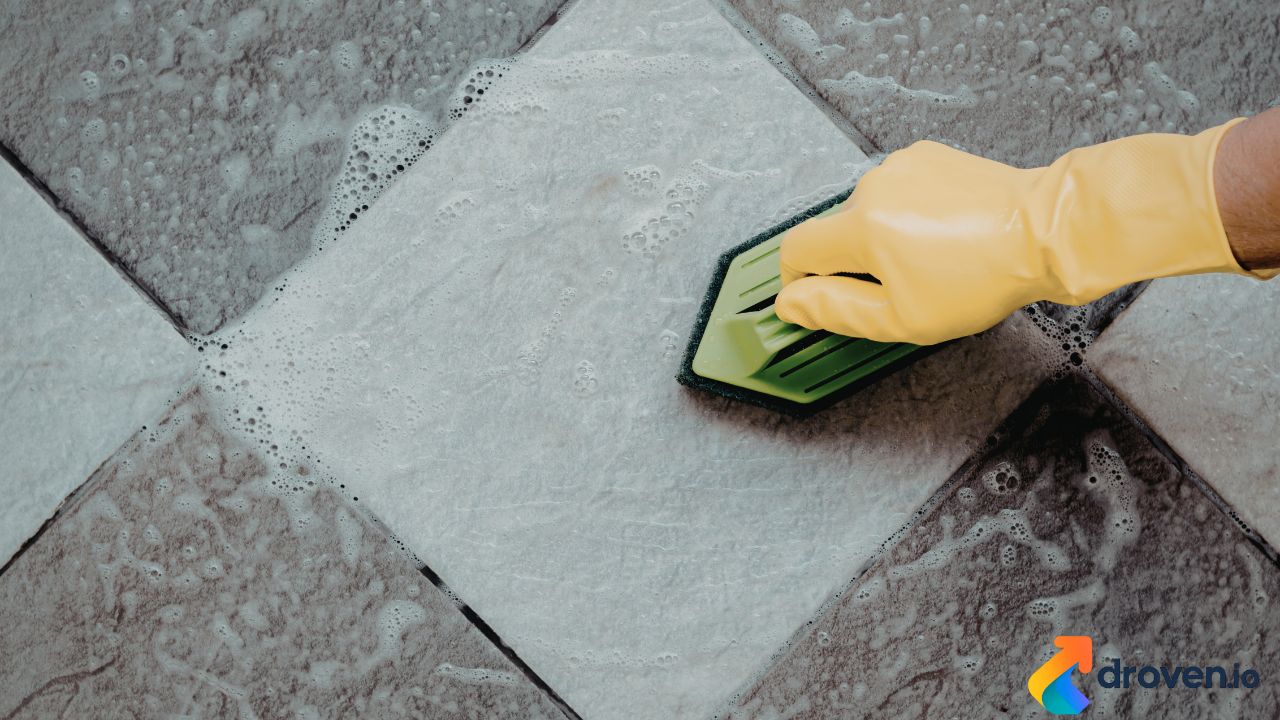
Mop with a pH-neutral cleaner; avoid high-alkaline or acidic cleaners that can dull glazes or break down grout seals.
Seal unglazed ceramic and all grout lines after installation, then reseal grout every 1–2 years in high-moisture areas.
Address stains promptly: test a cleaner in an inconspicuous spot, then apply a poultice for stubborn spots. Replace cracked tiles and re-grout where joints have failed to prevent moisture intrusion and substrate damage.
