
You manage assets, tenants, and budgets, so every maintenance decision affects your bottom line and tenant satisfaction. Prioritize preventive systems—HVAC, plumbing, electrical, and structural care—to avoid costly emergencies and extend the life of your property.
This article Commercial Property Maintenance shows which essential services matter, how to shift from reactive fixes to scheduled maintenance, and practical best practices that keep operations smooth and costs predictable. Expect clear steps you can apply now to protect value, reduce downtime, and meet regulatory and tenant expectations.
Essential Commercial Property Maintenance Services
You need focused, regular work on systems that affect safety, occupant comfort, and operational uptime for Property Maintenance. Prioritize inspections, HVAC, electrical and plumbing upkeep, and cleaning to prevent failures and keep tenants satisfied.
Routine Inspections and Preventive Care
Conduct scheduled inspections monthly, quarterly, and annually using a written checklist tied to asset age and usage. Inspect roofs, façades, fire alarms, emergency lighting, elevators, parking lots, and interior finishes; record findings, assign priorities, and track completion in a maintenance management system.
Use preventive tasks to reduce emergency repairs: replace filters, lubricate moving parts, clear roof drains, and test backup generators on a timed schedule. Document warranties, service histories, and compliance records to streamline vendor claims and audits. You should also perform seasonal checks—winterize irrigation and plumbing, and prepare cooling systems before warm months.
HVAC System Maintenance
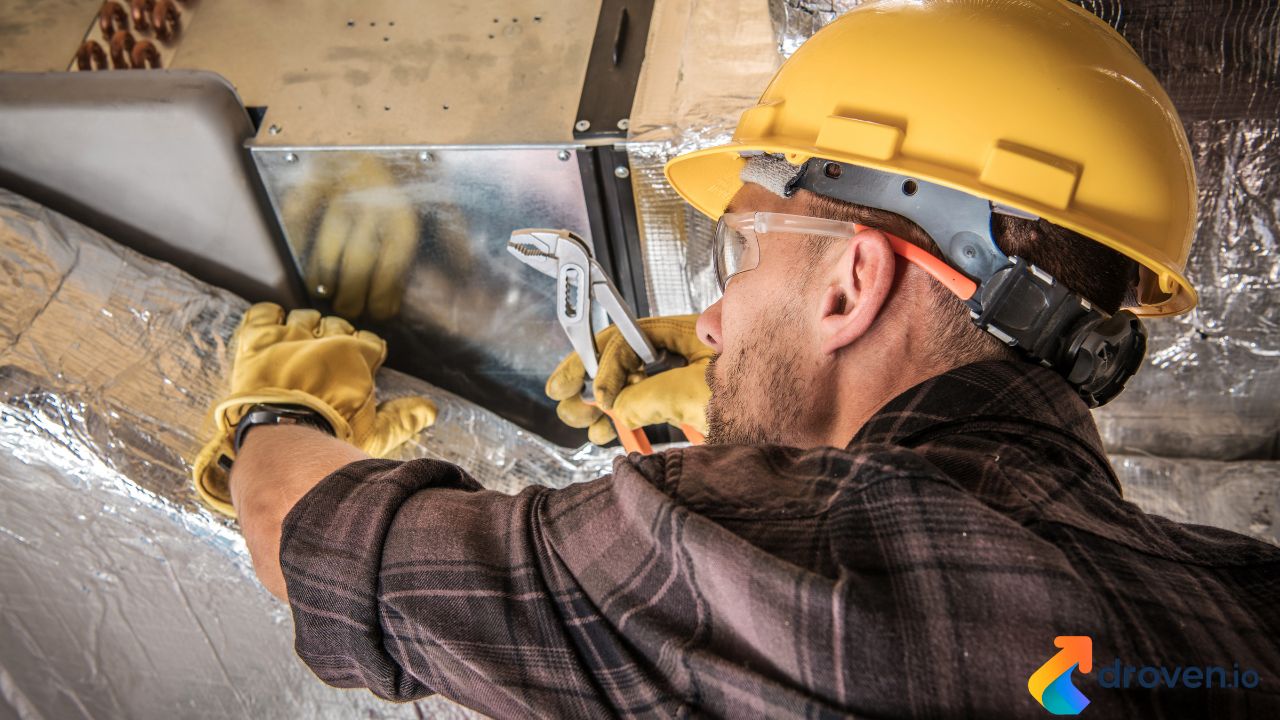
Service commercial HVAC at least twice a year—spring for cooling and fall for heating—with certified technicians performing load checks, refrigerant measurement, and control calibration. Replace filters on a frequency based on occupancy and air quality needs (monthly to quarterly), and clean coils and condensate pans to prevent microbial growth and efficiency loss.
Monitor airflow, duct integrity, and thermostat zoning to identify imbalances that raise energy costs. Keep spare parts like belts, sensors, and starter capacitors on site for critical rooftop units. Log energy consumption trends to spot degrading performance before it spikes utility bills.
Electrical and Plumbing Upkeep
Schedule electrical inspections annually to test panels, breakers, emergency lighting, and grounding systems; address code violations immediately. Implement infrared scans to detect hot spots in panels and switchgear, and label circuits clearly to speed troubleshooting during outages.
For plumbing, inspect mains, backflow prevention, roof drains, and sewer connections on a quarterly basis. Replace aging valves, seals, and water heaters proactively; flush hot-water systems and test pressure-reducing valves to avoid burst pipes and interruptions. Maintain a prioritized list of licensed electricians and plumbers with response SLAs for after-hours emergencies.
Cleaning and Janitorial Services
Define cleaning frequencies by area: high-traffic lobbies and restrooms daily, common areas and elevators multiple times per week, and storage/utility areas monthly. Use green-certified products where possible to protect indoor air quality and meet tenant expectations.
Include periodic deep-clean tasks—carpet extraction, hard-surface resealing, and exterior window washing—on a calendar tied to tenant use and local weather patterns. Provide clear scopes of work and inspection criteria for janitorial vendors, and require reporting of maintenance issues found during cleaning (e.g., water leaks, damaged fixtures) so you can assign repairs quickly.
Best Practices for Effective Property Maintenance
Focus on predictable schedules, clear safety and regulatory steps, and measurable sustainability actions that reduce costs and risk. Implement checklists, vendor contracts with KPIs, and energy upgrades that deliver documented ROI.
Scheduling and Maintenance Planning
Create a written preventive maintenance (PM) calendar that lists assets, frequencies, and required parts. Include HVAC filter changes, roof inspections, fire-suppression tests, elevator servicing, and exterior façade checks with dates and expected labor hours.
Use a computerized maintenance management system (CMMS) to assign work orders, track technician time, and keep service histories. Set automated reminders for recurring tasks and generate monthly reports on open work orders and recurring failures.
Prioritize tasks by risk and cost: safety-critical systems first, then tenant-impact items, then aesthetic work. Maintain a stocked spare-parts inventory for high-failure components and negotiate response times and pricing in vendor contracts.
Regulatory Compliance and Safety
Maintain up-to-date documentation for life-safety systems: fire alarms, sprinklers, emergency lighting, and exit signage. Keep inspection certificates, test logs, and vendor invoices in a single accessible repository for audits.
Train staff on lockout/tagout, confined-space entry, and hazardous-material handling; require annual refreshers and written competency checks. Post clear evacuation maps and conduct drills on a schedule aligned with local fire code requirements.
Monitor local building codes, ADA requirements, and environmental permits. Assign a compliance owner to track deadlines, submit required filings, and coordinate third-party inspections to avoid fines and operational disruptions.
Sustainable Property Management
Start with energy audits to identify quick wins: LED retrofits, HVAC economizers, and building-envelope sealing. Quantify savings and payback periods before committing capital to projects.
Implement submetering to measure tenant energy use and target inefficient areas. Combine low-cost controls—programmable thermostats, lighting schedules—with capital upgrades like high-efficiency chillers where metrics support replacement.
Adopt water-saving fixtures, green cleaning supplies, and a recycling program to reduce utility costs and improve tenant satisfaction. Track sustainability KPIs (kWh/sq ft, water gallons/sq ft, waste diversion rate) and report progress quarterly to stakeholders.
