
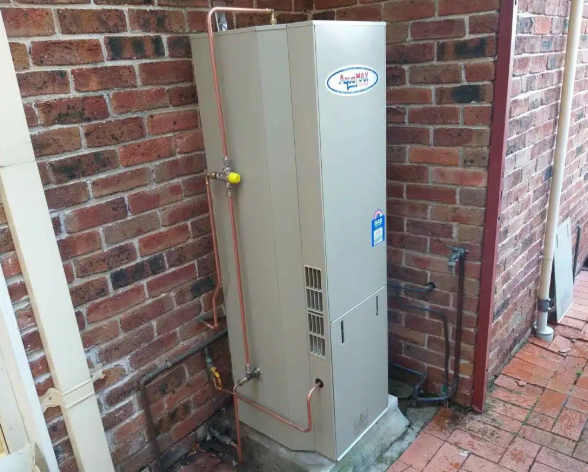
Lake Macquarie residents know all too well the impact of rising energy costs on household budgets. With hot water accounting for approximately 25% of the average home’s energy consumption, making smart choices about your hot water system can lead to significant savings. Whether you’re building a new home or replacing an old system, understanding your options is the first step toward reducing those monthly bills.
Understanding Your Hot Water System Options
The type of hot water system you choose directly affects your energy consumption and costs. Traditional electric storage systems have been the standard for decades, but they’re also among the most expensive to run. Gas systems offer a more economical alternative for those with natural gas connections, while heat pump systems use ambient air temperature to heat water efficiently.
However, the most cost-effective long-term solution for Lake Macquarie’s sunny climate combines renewable energy with hot water heating. Solar-powered systems harness the region’s abundant sunshine to provide hot water at minimal ongoing cost, making them an increasingly popular choice for environmentally conscious homeowners looking to slash their energy bills.
The True Cost of Hot Water
Many homeowners are surprised to learn just how much their hot water system contributes to their energy bills. A typical family of four using an electric storage system can spend between $800 and $1,200 annually on hot water heating alone. This makes it the second-largest energy expense in most homes, right after heating and cooling.
The good news is that upgrading to a more efficient hot water system lake macquarie residents can install may reduce these costs by 50-75%. The initial investment might seem substantial, but when you calculate the savings over the system’s 15-20 year lifespan, the financial benefits become clear.
Why Solar Hot Water Makes Sense in Lake Macquarie
Lake Macquarie’s climate is ideal for solar hot water systems. The region enjoys an average of 5-6 hours of usable sunshine daily, providing ample energy to heat water throughout most of the year. Even on cloudy days, modern solar collectors can capture diffuse sunlight to maintain water temperature.
Solar hot water systems typically consist of roof-mounted collectors and a storage tank. The collectors absorb solar radiation and transfer the heat to water, which is then stored for use. Most systems include an electric or gas booster for periods of extended cloudy weather, ensuring you never run out of hot water.
The energy savings are remarkable. A well-designed solar hot water system can meet 60-90% of your hot water needs using free energy from the sun. This translates to annual savings of $500-$900 for the average household, with the system often paying for itself within 5-7 years.
Maximizing Efficiency with Solar Integration
For homeowners serious about energy independence and maximum savings, combining solar hot water with solar panels lake macquarie installations can create a comprehensive renewable energy solution. While solar panels generate electricity for your entire home, a dedicated solar hot water system specifically addresses your hot water needs with different technology optimized for heat transfer.
This dual approach offers several advantages. Solar hot water systems are typically more efficient at converting sunlight into usable energy for heating water than using solar panels to power an electric hot water system. Meanwhile, your solar panels can offset other household electricity consumption, creating a synergistic effect that can dramatically reduce or even eliminate your energy bills.
Government Incentives and Rebates
The Australian government offers various incentives to encourage households to adopt renewable energy solutions. Small-scale Technology Certificates (STCs) are available for solar hot water installations, effectively reducing the upfront cost by $600-$1,200 depending on the system size and your location.
Additionally, some energy retailers offer feed-in tariffs and other incentives for households generating renewable energy. It’s worth researching current programs and consulting with reputable installers like Solahart CC to ensure you maximize available rebates and incentives.
Choosing the Right System Size
Selecting the appropriate system size is crucial for optimizing both performance and cost-effectiveness. An undersized system won’t meet your household’s needs, while an oversized system represents unnecessary upfront expense.
As a general guide, a two-person household typically requires a 150-160 liter system, while families of four should consider 250-315 liter systems. Larger families may need 400 liters or more. However, your actual requirements depend on usage patterns, the number of bathrooms, and whether you have high-water-use appliances like dishwashers.
Maintenance Tips for Longevity
Proper maintenance ensures your hot water system operates efficiently for its entire lifespan. Solar hot water systems require minimal maintenance, but periodic checks can prevent problems and maintain optimal performance.
Have your system professionally serviced every 3-5 years to check the tempering valve, inspect collectors for damage, and ensure the pump and controls are functioning correctly. Additionally, keep collectors clear of leaves and debris, and monitor your system’s performance regularly. A sudden increase in your energy bills could indicate a problem requiring attention.
Making the Switch
Transitioning to an energy-efficient hot water system is one of the smartest investments you can make in your Lake Macquarie home. Beyond the immediate financial savings, you’ll reduce your carbon footprint and increase your property value.
When ready to upgrade, choose an experienced installer familiar with local conditions and regulations. They’ll assess your roof’s orientation and pitch, evaluate your household’s hot water consumption patterns, and recommend the most suitable system for your needs and budget.
The combination of Lake Macquarie’s excellent solar resource, available government incentives, and long-term energy savings makes now an ideal time to invest in a modern, efficient hot water solution. Your future self—and your wallet—will thank you for making the switch.
