
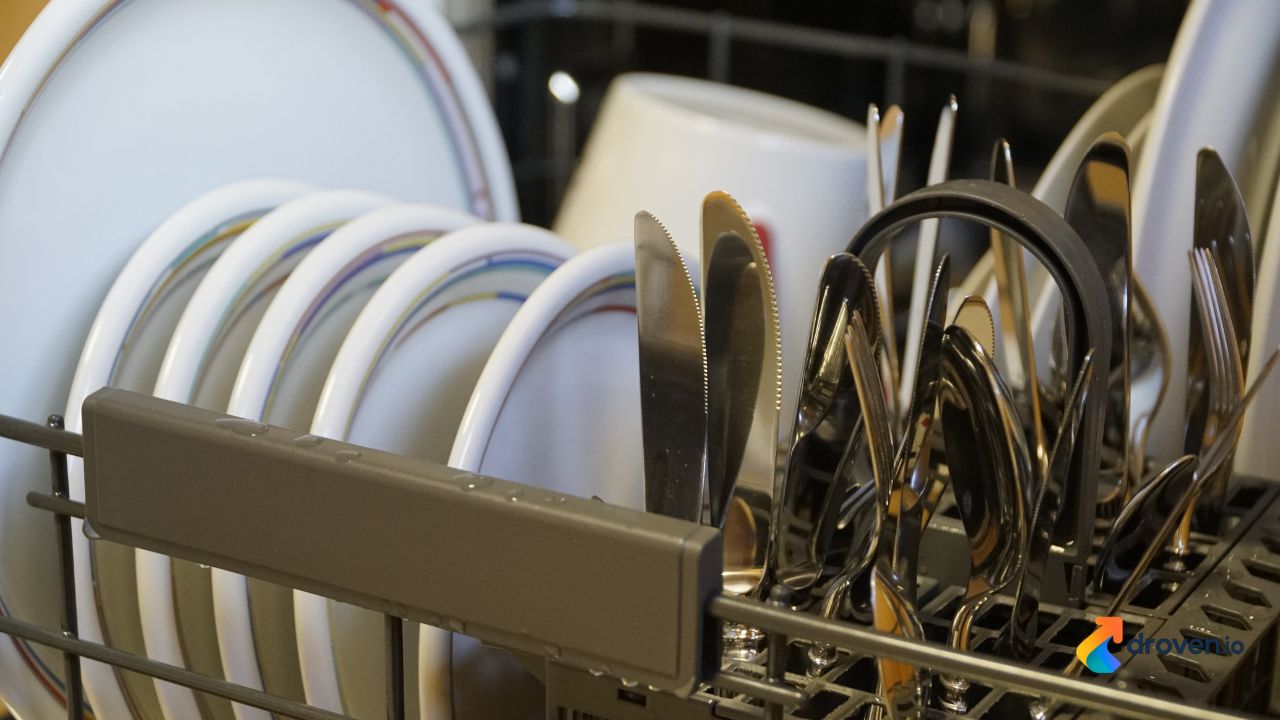
Keeping a commercial kitchen running efficiently requires reliable equipment, and commercial dishwasher service plays a vital role in maintaining consistent cleaning performance. Restaurants, hotels, cafeterias, hospitals, schools, and catering businesses depend on commercial dishwashers to sanitize dishes, utensils, and cookware quickly while meeting health and safety standards. Regular servicing, preventive maintenance, and timely repairs help reduce unexpected downtime, improve operational efficiency, and extend the lifespan of valuable kitchen equipment.
What Is Commercial Dishwasher Service?
Commercial dishwasher service includes the inspection, maintenance, repair, troubleshooting, and optimization of industrial dishwashing equipment used in commercial food service operations. Professional technicians evaluate the condition of the machine, identify worn or malfunctioning components, and perform necessary maintenance to keep the equipment operating safely and efficiently.
Service may include:
- Preventive maintenance
- Equipment inspections
- Component replacement
- Leak detection
- Cleaning internal systems
- Water pressure testing
- Electrical inspections
- Performance testing
Routine servicing helps ensure that commercial dishwashers continue to operate according to manufacturer recommendations.
Why Regular Commercial Dishwasher Service Matters
Commercial dishwashers often operate for many hours each day under demanding conditions. Without regular maintenance, normal wear can lead to reduced cleaning performance, increased energy consumption, and unexpected equipment failures.
Some key benefits of routine servicing include:
- Improved washing performance
- Reduced equipment downtime
- Longer equipment lifespan
- Better energy efficiency
- Consistent sanitation performance
- Lower long-term repair costs
- Improved kitchen productivity
Preventive maintenance allows technicians to identify potential issues before they develop into major mechanical problems.
Common Types of Commercial Dishwashers
Understanding the type of dishwasher installed helps determine the appropriate maintenance requirements.
Undercounter Dishwashers
Undercounter units are commonly used in smaller restaurants, cafés, and bars where space is limited.
They provide efficient cleaning while fitting beneath standard countertops.
Door-Type Dishwashers
Door-type dishwashers are frequently found in medium-sized commercial kitchens and offer greater capacity than undercounter models.
Conveyor Dishwashers
Large restaurants, hospitals, and institutional kitchens often use conveyor systems capable of processing high volumes of dishes continuously.
Flight-Type Dishwashers
Flight-type dishwashers are designed for large-scale operations requiring maximum throughput and continuous cleaning during busy service periods.
Services Included in Commercial Dishwasher Maintenance
Professional service providers typically perform a comprehensive inspection during maintenance visits.
Cleaning Internal Components
Food particles, grease, mineral deposits, and detergent residue can accumulate inside commercial dishwashers over time.
Technicians clean critical components to help maintain efficient operation.
Spray Arm Inspection
Blocked or damaged spray arms can reduce cleaning performance.
Routine inspections ensure water is distributed evenly during wash cycles.
Filter Cleaning
Dirty filters may restrict water flow and reduce washing efficiency.
Cleaning or replacing filters helps maintain optimal performance.
Pump Inspection
Water circulation pumps play a critical role in cleaning effectiveness.
Technicians inspect pumps for wear, leaks, or reduced performance.
Heating Element Inspection
Heating elements help maintain proper wash and rinse temperatures.
Regular testing verifies that heating systems are functioning correctly.
Door Seal Inspection
Worn door gaskets may allow water leaks and reduce operational efficiency.
Replacing damaged seals helps maintain proper operation.
Common Commercial Dishwasher Problems
Even well-maintained equipment may experience occasional issues.
Poor Cleaning Performance
Dishes that remain dirty after washing may indicate blocked spray arms, clogged filters, low water pressure, or mechanical problems.
Water Leaks
Leaks may develop from worn seals, damaged hoses, loose fittings, or internal component failures.
Prompt repairs help prevent water damage and equipment deterioration.
Failure to Heat Water
Heating system problems can reduce cleaning effectiveness and impact sanitation performance.
Professional diagnosis is recommended for electrical or heating-related issues.
Drainage Problems
Blocked drains or malfunctioning pumps may prevent proper water removal after wash cycles.
Unusual Noises
Grinding, rattling, or vibration may indicate worn bearings, pump issues, or loose mechanical components.
Early inspection helps prevent more extensive repairs.
Benefits of Preventive Maintenance
Routine preventive maintenance provides long-term operational advantages.
Reduced Downtime
Scheduled inspections help identify developing issues before equipment failure interrupts kitchen operations.
Lower Repair Costs
Addressing minor maintenance issues early often reduces the likelihood of expensive emergency repairs.
Improved Energy Efficiency
Properly maintained equipment generally operates more efficiently than neglected systems.
Extended Equipment Life
Routine servicing supports long-term reliability by reducing unnecessary wear on mechanical components.
Signs Your Commercial Dishwasher Needs Service
Restaurant managers and kitchen staff should monitor equipment for warning signs that indicate maintenance may be required.
Common indicators include:
- Dishes not cleaning properly
- Water leaks
- Slow wash cycles
- Unusual operating noises
- Inconsistent water temperature
- Drainage problems
- Error messages
- Increased utility consumption
Prompt service can help minimize operational disruptions.
Choosing a Commercial Dishwasher Service Provider
Selecting an experienced service company helps protect your investment.
Qualified Technicians
Look for technicians experienced in servicing commercial food service equipment.
Experience with Multiple Brands
Companies familiar with various dishwasher manufacturers can often diagnose issues more efficiently.
Preventive Maintenance Programs
Many service providers offer scheduled maintenance plans to support ongoing equipment reliability.
Emergency Repair Availability
Commercial kitchens often benefit from service providers that offer emergency repair options for urgent equipment failures.
Transparent Pricing
Choose companies that provide clear estimates before beginning repair work.
Tips for Daily Dishwasher Maintenance
Although professional servicing is essential, daily maintenance also contributes to equipment performance.
Remove Food Debris
Scrape dishes before loading them to reduce strain on filters and drainage systems.
Clean Filters Regularly
Routine filter cleaning helps maintain water flow and washing efficiency.
Inspect Spray Arms
Ensure spray arm openings remain free from blockages.
Use Recommended Detergents
Follow manufacturer recommendations regarding detergents and rinse agents.
Monitor Water Quality
Hard water may contribute to mineral buildup that affects equipment performance.
The Role of Water Quality
Water quality can significantly influence dishwasher performance.
Hard water may lead to:
- Mineral deposits
- Reduced heating efficiency
- Scale buildup
- Increased maintenance requirements
Some facilities install water treatment systems to reduce mineral accumulation and support equipment longevity.
Commercial Dishwasher Safety
Proper operation and maintenance contribute to workplace safety.
Important safety practices include:
Electrical Safety
Only qualified technicians should perform electrical repairs or internal servicing.
Proper Chemical Use
Use detergents and sanitizers according to manufacturer instructions.
Employee Training
Staff should understand proper loading procedures, cleaning routines, and daily inspections.
Routine Equipment Checks
Regular inspections help identify potential safety concerns before they affect operations.
Advances in Commercial Dishwasher Technology
Modern commercial dishwashers continue to evolve with new features that improve efficiency and user experience.
Recent developments include:
- Energy-efficient heating systems
- Water-saving wash cycles
- Smart diagnostics
- Digital control panels
- Automatic maintenance reminders
- Improved filtration systems
- Enhanced sanitation monitoring
These innovations help businesses optimize performance while supporting operational efficiency.
Why Professional Service Is Worth the Investment
Commercial dishwashers represent an important investment for food service businesses. Professional servicing helps protect that investment by improving equipment reliability, maintaining cleaning performance, and reducing the risk of unexpected failures during busy operating hours.
Experienced technicians can identify issues that may not be visible during daily operation, allowing businesses to address problems before they become more costly.
Conclusion
Commercial dishwasher service is an essential part of maintaining efficient kitchen operations in restaurants, hotels, healthcare facilities, schools, and other food service environments. Through regular inspections, preventive maintenance, timely repairs, and professional diagnostics, businesses can improve equipment reliability, reduce downtime, and extend the lifespan of their dishwashing systems. Investing in routine maintenance not only supports operational efficiency but also helps maintain consistent cleaning performance and protects valuable commercial kitchen equipment for years to come.
FAQs
What is included in commercial dishwasher service?
Commercial dishwasher service typically includes equipment inspections, preventive maintenance, cleaning internal components, replacing worn parts, troubleshooting problems, leak detection, and performance testing.
How often should a commercial dishwasher be serviced?
Service frequency depends on equipment usage, manufacturer recommendations, water quality, and operating conditions. High-volume kitchens often benefit from regular preventive maintenance.
What causes poor cleaning performance in a commercial dishwasher?
Common causes include clogged filters, blocked spray arms, low water temperature, insufficient water pressure, detergent issues, or worn mechanical components.
Can regular maintenance reduce repair costs?
Yes. Preventive maintenance helps identify developing issues early, reducing the likelihood of major equipment failures and costly emergency repairs.
Why should I hire a professional technician?
Qualified technicians have the experience, diagnostic tools, and manufacturer knowledge needed to safely inspect, maintain, and repair commercial dishwashers while helping ensure reliable long-term performance.
