
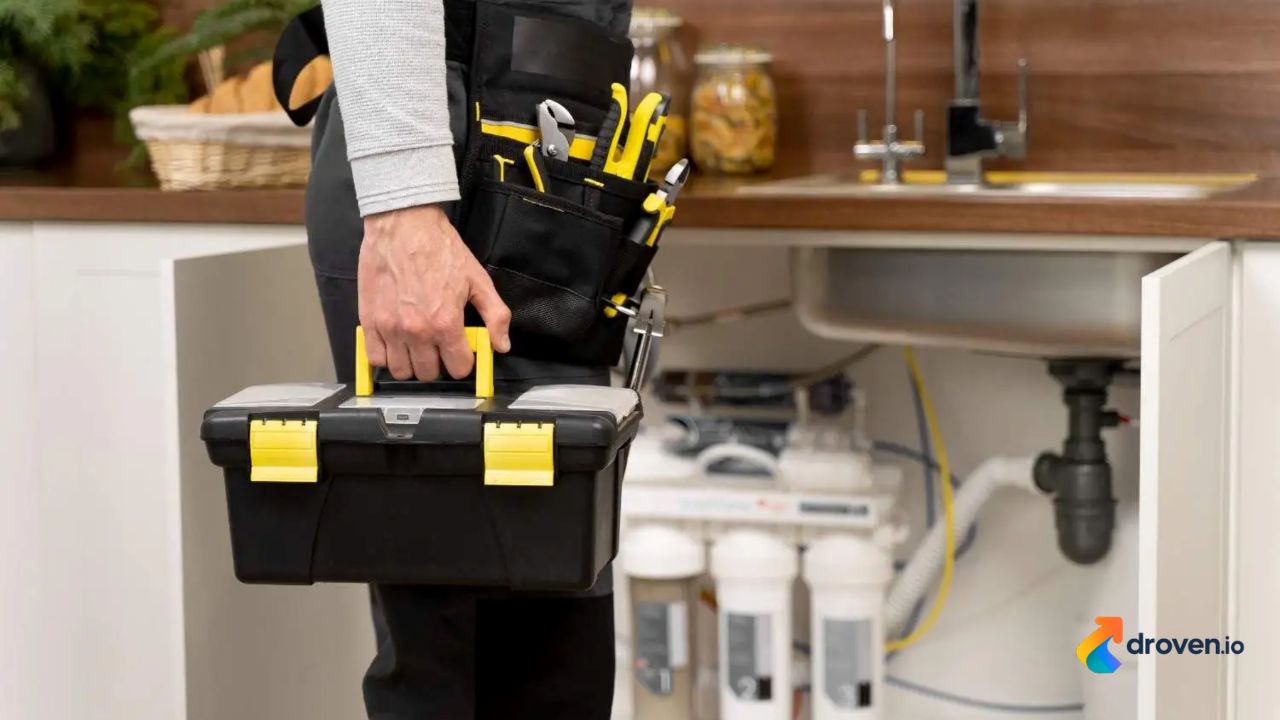
Many homeowners rely on advice passed down through family, friends, or the internet when dealing with household plumbing issues. However, not all of that advice is accurate. Plumbing Myths can lead to costly repairs, unnecessary maintenance, and even long-term damage to your home’s plumbing system. Understanding the difference between fact and fiction helps homeowners make informed decisions, maintain their plumbing more effectively, and know when it’s time to contact a licensed plumbing professional.
Why Plumbing Myths Can Be Costly
Plumbing systems are designed to operate under specific conditions, and incorrect maintenance practices can reduce efficiency or damage important components. While some myths may seem harmless, following poor advice can result in clogged drains, damaged pipes, water waste, and expensive repairs.
Learning the facts behind common plumbing misconceptions allows homeowners to protect their plumbing systems while improving overall household efficiency.
Myth 1: A Slow Drain Will Fix Itself
One of the most common plumbing myths is that a slow drain will eventually clear on its own.
The Reality
A slow drain is often an early sign of a developing blockage caused by soap residue, grease, hair, food particles, or mineral buildup. Ignoring the problem may allow the blockage to worsen over time.
Addressing slow drains early can help prevent complete clogs and reduce the likelihood of more extensive plumbing repairs.
Myth 2: Flushable Wipes Are Always Safe to Flush
Many products are labeled as “flushable,” leading homeowners to believe they are safe for all plumbing systems.
The Reality
Even products marketed as flushable may not break down as quickly as toilet paper. Depending on the plumbing system and local wastewater infrastructure, these wipes can contribute to clogs and maintenance issues.
Following local utility guidance and manufacturer recommendations can help reduce the risk of plumbing problems.
Myth 3: Chemical Drain Cleaners Are the Best Solution
Chemical drain cleaners are widely available and often promoted as an easy solution for clogged drains.
The Reality
Frequent use of harsh chemical cleaners may damage certain plumbing materials over time, particularly if used improperly or repeatedly.
Mechanical drain cleaning methods or professional plumbing services may be more appropriate for persistent blockages, depending on the situation.
Myth 4: A Leaky Faucet Isn’t a Serious Problem
A small drip from a faucet may seem insignificant.
The Reality
Even minor leaks can waste water over time and may indicate worn seals, damaged washers, or other plumbing issues that deserve attention.
Repairing leaks promptly can help improve water efficiency and prevent additional wear on plumbing fixtures.
Myth 5: Ice Cubes Sharpen Garbage Disposal Blades
A popular household tip claims that running ice cubes through a garbage disposal sharpens the blades.
The Reality
Most garbage disposals use impellers rather than sharp cutting blades. While ice cubes may help remove certain types of residue from the disposal chamber, they do not sharpen the unit.
Always follow the manufacturer’s cleaning and maintenance recommendations.
Myth 6: Running Water While Using the Garbage Disposal Prevents All Clogs
Many people believe running water alone guarantees smooth disposal operation.
The Reality
Running cold water during disposal use can help move food particles through the plumbing system, but it does not prevent all clogs.
Certain materials should generally not be placed in a garbage disposal, including large amounts of grease, fibrous vegetables, coffee grounds, and other items identified by the manufacturer.
Myth 7: All Plumbing Fixtures Are the Same
Homeowners sometimes assume that all plumbing fixtures offer similar performance and quality.
The Reality
Fixtures vary significantly in materials, durability, efficiency, and manufacturing standards.
Selecting quality products that meet applicable efficiency standards may provide better long-term performance and reliability.
Myth 8: Hot Water Dissolves Grease in Pipes
Some people believe pouring hot water down the drain permanently removes grease.
The Reality
Although hot water may temporarily liquefy grease, the grease can cool and solidify farther down the plumbing system, potentially contributing to blockages.
Proper grease disposal methods are generally recommended rather than washing grease down the drain.
Myth 9: Plumbing Maintenance Isn’t Necessary Until Something Breaks
Many homeowners wait until a plumbing problem becomes obvious before scheduling service.
The Reality
Routine inspections and preventive maintenance can help identify developing issues before they lead to costly repairs.
Regular maintenance may include checking for leaks, inspecting water heaters, monitoring water pressure, and examining visible plumbing components.
Myth 10: Every Plumbing Leak Is Easy to Find
Some leaks are obvious because they produce visible water damage.
The Reality
Many plumbing leaks occur behind walls, beneath flooring, or underground where they may remain unnoticed for extended periods.
Signs of hidden leaks may include:
- Unexplained increases in water bills
- Damp walls
- Mold growth
- Musty odors
- Reduced water pressure
Professional leak detection may be necessary when hidden leaks are suspected.
Myth 11: DIY Plumbing Repairs Always Save Money
Online tutorials have made do-it-yourself plumbing projects increasingly popular.
The Reality
Some minor maintenance tasks may be appropriate for homeowners, but complex plumbing repairs often require specialized tools, knowledge, and compliance with local building codes.
Improper repairs can sometimes increase repair costs or create additional plumbing issues.
Myth 12: Water Pressure Should Always Be as High as Possible
Many homeowners associate stronger water pressure with better plumbing performance.
The Reality
Excessively high water pressure can place unnecessary stress on pipes, valves, appliances, and plumbing fixtures.
Maintaining water pressure within recommended ranges helps protect plumbing components and improve long-term system reliability.
Common Plumbing Maintenance Tips
Preventive maintenance helps reduce the likelihood of unexpected plumbing problems.
Consider these best practices:
- Check for visible leaks regularly.
- Clean drain strainers frequently.
- Avoid pouring grease down drains.
- Follow manufacturer recommendations for plumbing fixtures.
- Schedule periodic professional inspections.
- Address small plumbing issues promptly.
- Monitor changes in water pressure or water quality.
Simple maintenance habits can contribute to a healthier plumbing system.
When to Call a Professional Plumber
Certain plumbing issues require professional diagnosis and repair.
Consider contacting a licensed plumber if you experience:
- Persistent drain clogs
- Water heater problems
- Burst pipes
- Major leaks
- Sewer line concerns
- Low water pressure
- Unusual plumbing noises
- Repeated plumbing backups
Prompt professional attention may help reduce property damage and restore normal plumbing operation.
Benefits of Professional Plumbing Maintenance
Working with a qualified plumber provides several advantages.
Accurate Diagnosis
Professional plumbers use specialized tools and experience to identify plumbing issues efficiently.
Preventive Repairs
Routine inspections may identify small issues before they become major repairs.
Code Compliance
Licensed plumbers understand local plumbing codes and installation standards.
Long-Term Cost Savings
Proper maintenance and timely repairs may reduce unexpected expenses over the life of your plumbing system.
The Importance of Reliable Plumbing Information
The internet provides a wide variety of home maintenance advice, but not every recommendation is appropriate for every plumbing system.
Reliable information should come from:
- Licensed plumbing professionals
- Manufacturer guidelines
- Local building authorities
- Reputable educational resources
Taking time to verify plumbing advice can help homeowners avoid unnecessary mistakes.
Conclusion
Understanding the truth behind common Plumbing Myths helps homeowners make smarter decisions about maintaining their plumbing systems. While some misconceptions appear harmless, others can contribute to clogged drains, water waste, damaged pipes, and expensive repairs. By following proven maintenance practices, addressing problems early, and seeking professional assistance when necessary, homeowners can improve the reliability, efficiency, and lifespan of their plumbing systems while avoiding many common household plumbing issues.
FAQs
What are some common plumbing myths?
Common myths include believing that slow drains fix themselves, flushable wipes are always safe to flush, chemical drain cleaners are harmless, and small leaks do not require attention.
Are chemical drain cleaners safe for all pipes?
Not always. Some chemical drain cleaners may damage certain plumbing materials if used improperly or repeatedly. Always follow manufacturer instructions and consider alternative methods when appropriate.
Can a slow drain become a bigger problem?
Yes. A slow drain often indicates a developing blockage that may worsen if left untreated.
Is preventive plumbing maintenance worthwhile?
Routine maintenance can help identify minor issues early, improve system efficiency, and reduce the likelihood of costly repairs.
When should I call a professional plumber?
Contact a licensed plumber if you experience persistent clogs, significant leaks, water heater problems, sewer backups, burst pipes, or other plumbing issues that require specialized expertise.
