
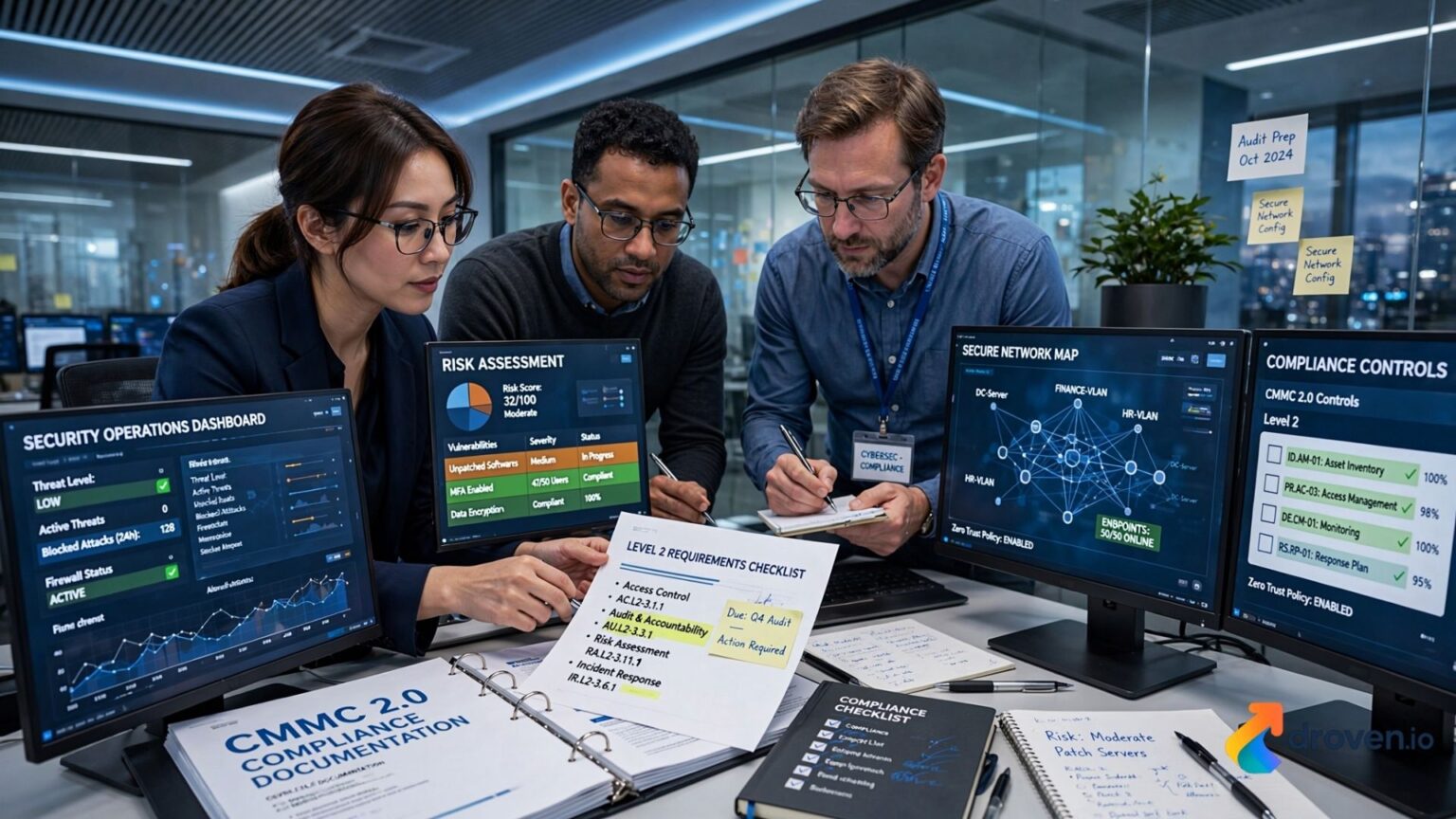
Organizations that work with the U.S. Department of Defense (DoD) increasingly recognize the importance of cybersecurity compliance. As the Cybersecurity Maturity Model Certification (CMMC) framework becomes part of defense contracting requirements, many businesses are asking about CMMC certification cost before beginning their compliance journey. While there is no fixed price that applies to every organization, understanding the factors that influence certification expenses can help businesses plan their budgets and prepare for certification more effectively.
The total cost depends on several variables, including organizational size, current cybersecurity maturity, required CMMC level, assessment scope, and any improvements needed before certification.
What Is CMMC Certification?
The Cybersecurity Maturity Model Certification (CMMC) is a cybersecurity framework developed by the U.S. Department of Defense to help protect Federal Contract Information (FCI) and Controlled Unclassified Information (CUI) handled by defense contractors.
The framework establishes cybersecurity practices and assessment requirements that organizations may need to meet depending on their contracts and the type of information they process.
Businesses should review current DoD guidance because CMMC requirements continue to evolve.
Why Understanding CMMC Certification Cost Matters
Preparing for certification often requires financial planning.
Organizations may need to invest in:
- Cybersecurity improvements
- Policy development
- Employee training
- Technical controls
- Risk assessments
- Documentation
- External assessments
Understanding these costs early allows organizations to allocate resources more effectively.
What Influences CMMC Certification Cost?
There is no universal certification fee.
Several factors influence the overall investment required.
1. Organization Size
Larger organizations generally have:
- More employees
- More devices
- Larger networks
- Additional business locations
A larger environment may require additional assessment time and preparation.
2. Current Cybersecurity Maturity
Organizations with mature cybersecurity programs may require fewer improvements before assessment.
Businesses with limited security controls may need to invest more heavily in:
- Security technologies
- Policies
- Documentation
- Monitoring systems
Existing cybersecurity readiness significantly influences overall costs.
3. Required CMMC Level
The applicable CMMC requirements depend on the contract and the information being protected.
Different requirements may involve varying levels of:
- Documentation
- Security controls
- Assessment complexity
Organizations should determine the appropriate level based on current DoD guidance and contract requirements.
4. Gap Assessment
Many organizations begin with a gap assessment.
A gap assessment compares existing cybersecurity practices with applicable CMMC requirements.
The results help identify:
- Missing controls
- Documentation gaps
- Technical improvements
- Policy updates
Conducting a gap assessment may reduce surprises during the formal certification process.
Technical Implementation Costs
Preparing for certification may involve technical improvements such as:
- Multi-factor authentication
- Endpoint protection
- Network monitoring
- Secure backups
- Access control improvements
- Logging systems
- Vulnerability management
The technologies required vary depending on existing infrastructure.
Documentation and Policy Development
CMMC compliance often requires documented policies and procedures.
Organizations may need to create or update:
- Information security policies
- Incident response plans
- Risk management procedures
- Access control documentation
- Configuration management policies
- Employee security policies
Documentation is an important component of compliance.
Employee Training
Cybersecurity awareness is an important part of many security programs.
Training may cover:
- Phishing awareness
- Password security
- Data protection
- Incident reporting
- Acceptable use policies
Training costs depend on the organization’s size and chosen training methods.
Assessment Costs
Organizations requiring formal certification may undergo assessments performed by authorized assessors where applicable under current CMMC requirements.
Assessment costs depend on factors such as:
- Organization size
- Assessment scope
- Complexity
- Time required
Assessment pricing varies among authorized assessment providers.
Internal Resource Costs
Compliance also requires internal staff time.
Employees may spend time:
- Gathering documentation
- Reviewing policies
- Supporting assessments
- Implementing improvements
- Managing compliance projects
Internal labor represents an important part of total project costs.
Ongoing Compliance Costs
Certification is not the end of cybersecurity management.
Organizations should plan for ongoing activities such as:
- Security monitoring
- Employee training
- Software updates
- Internal audits
- Risk assessments
- Policy reviews
Maintaining cybersecurity maturity supports long-term compliance.
Benefits of Investing in CMMC Compliance
Although certification requires investment, organizations may benefit from:
- Improved cybersecurity posture
- Better risk management
- Greater customer confidence
- Enhanced protection of sensitive information
- Eligibility for certain DoD contract opportunities where certification is required
Business outcomes depend on many factors beyond certification itself.
How to Prepare for Certification Efficiently
Organizations can improve preparation by:
- Conducting a gap assessment.
- Prioritizing high-risk issues.
- Developing realistic implementation plans.
- Maintaining organized documentation.
- Training employees regularly.
- Reviewing current CMMC guidance.
Early planning often reduces implementation challenges.
Choosing a CMMC Consultant
Some organizations seek assistance from cybersecurity consultants.
When evaluating providers, consider:
- CMMC experience
- Cybersecurity expertise
- Industry knowledge
- Assessment preparation services
- Project management capabilities
- Client references
Consultants can provide guidance, but organizations remain responsible for meeting applicable requirements.
Budgeting for CMMC Certification Cost
When preparing a compliance budget, consider:
- Technical upgrades
- Security software
- Documentation development
- Consulting services
- Employee training
- Assessment fees
- Ongoing compliance maintenance
Comprehensive budgeting helps avoid unexpected expenses during implementation.
FAQs
1. What is the average cost of achieving CMMC certification?
The average cost of CMMC compliance ranges from $20,000 to $100,000+ depending on your organization’s required maturity level and existing cybersecurity posture. This total budget includes gap assessments, remediation upgrades, and official third-party audit fees.
2. What are the main factors that drive up CMMC certification costs?
Costs are primarily driven by your required CMMC Level, the size of your network, and how securely you currently handle Controlled Unclassified Information (CUI). Hiring a regional cybersecurity consultant can help streamline these variables to keep your budget under control.
3. How much does a CMMC Level 2 certification cost for defense contractors?
A CMMC Level 2 assessment typically costs between $60,000 and $150,000 for mid-sized defense contractors because it requires an independent audit by a certified C3PAO. The price varies depending on how well your local facility is prepared prior to the official audit.
4. Are CMMC certification costs tax-deductible or reimbursable by the DoD?
The Department of Defense considers CMMC preparation and assessment fees to be “allowable costs,” meaning they can often be billed as indirect expenses on government contracts. Local defense firms should consult a specialized government-contract accountant to maximize these rebates.
5. How can small businesses reduce their CMMC certification costs?
Small businesses can lower costs by scoping down their CUI environment to isolate sensitive data, which reduces the number of systems that must be secured. Partnering with a nearby, pre-vetted managed security provider minimizes trial-and-error expenses.
6. Where can I get an accurate CMMC certification cost estimate for my company?
You can request a tailored quote by booking a baseline readiness assessment with a certified C3PAO or a Registered Practitioner (RP) in your area. Local security firms can audit your current network to provide a fixed-price roadmap to compliance.
7. Should I hire a CMMC consultant?
Many organizations choose to work with experienced cybersecurity consultants for guidance during preparation, especially if they are unfamiliar with CMMC requirements. The decision depends on internal expertise and project complexity.
Conclusion
Understanding CMMC certification cost requires looking beyond the assessment itself and considering the broader investments needed to strengthen cybersecurity, improve documentation, train employees, and implement technical controls. Every organization begins from a different level of cybersecurity maturity, so certification costs vary significantly depending on existing infrastructure and compliance readiness. By conducting a thorough gap assessment, planning a realistic budget, and preparing systematically, organizations can approach the certification process with greater confidence while building stronger cybersecurity practices that support long-term operational resilience.
