
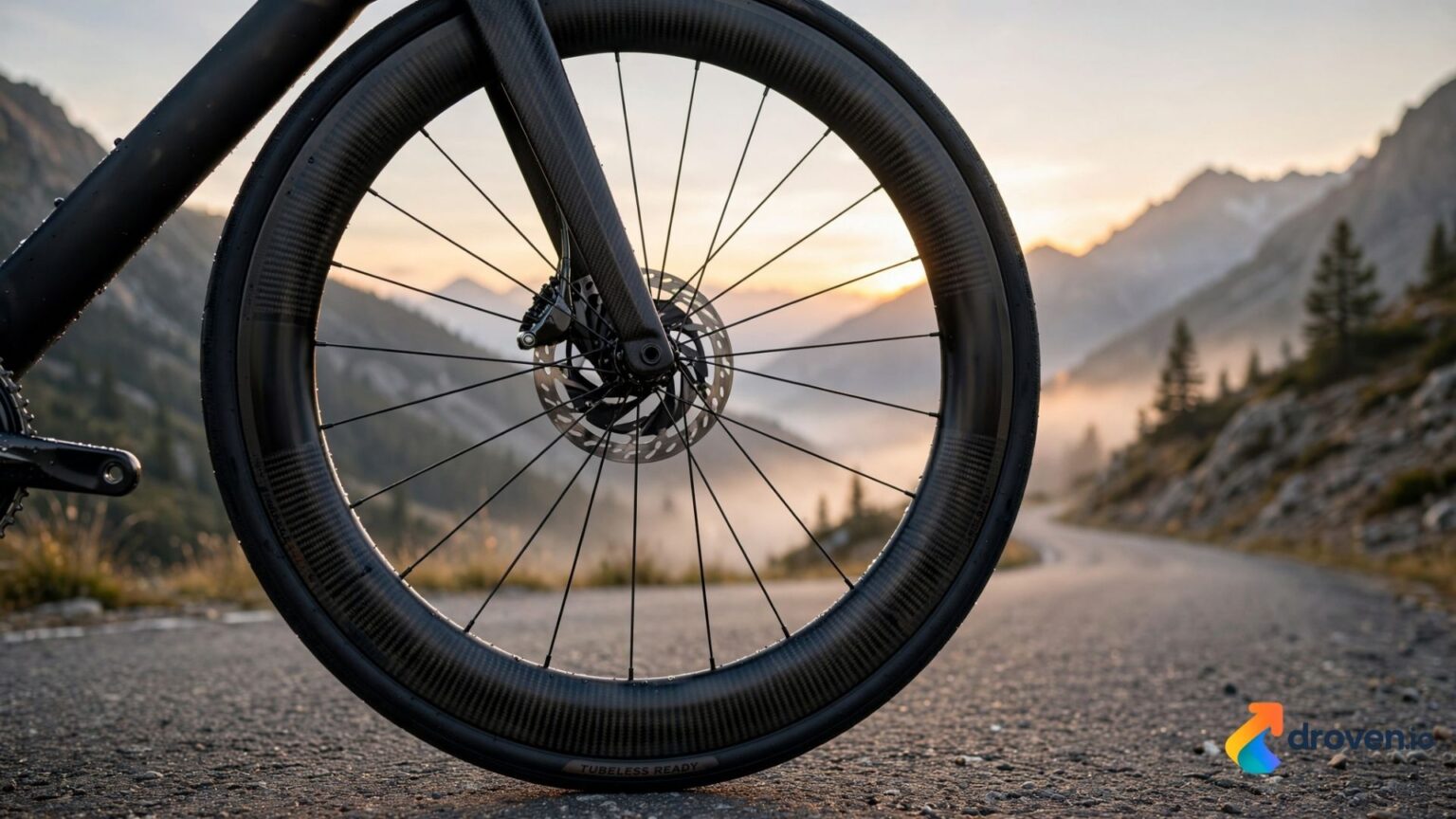
Cyclists are constantly looking for ways to improve speed, efficiency, and overall riding performance. One of the most effective upgrades available is investing in carbon fiber road bike wheels. Designed to reduce weight while improving aerodynamics and stiffness, carbon wheels have become a popular choice among competitive cyclists, endurance riders, and serious enthusiasts. Whether you’re climbing steep mountain roads, racing on smooth pavement, or participating in long-distance events, choosing the right wheelset can significantly influence your riding experience.
Modern carbon fiber wheel technology continues to evolve, offering improved durability, better braking performance, and wider compatibility with today’s road bikes.
Why Choose Carbon Fiber Road Bike Wheels?
Many cyclists upgrade to carbon wheels because they offer performance advantages over traditional aluminum wheelsets.
Some potential benefits include:
- Reduced overall bike weight
- Improved aerodynamics
- Increased stiffness
- Faster acceleration
- Enhanced climbing performance
- More efficient power transfer
The extent of these benefits depends on wheel design, riding conditions, and rider preferences.
What Are Carbon Fiber Road Bike Wheels?
Carbon fiber road bike wheels are wheelsets manufactured primarily from carbon fiber composite materials instead of aluminum.
Carbon fiber provides an excellent strength-to-weight ratio, allowing manufacturers to create lightweight wheels without sacrificing structural performance.
These wheels are commonly used for:
- Road racing
- Endurance riding
- Triathlon
- Gran Fondo events
- Competitive cycling
Different wheel designs are optimized for different riding styles.
Benefits of Carbon Fiber Road Bike Wheels
Lightweight Performance
One of the biggest advantages of carbon fiber road bike wheels is their reduced weight.
Lighter wheels may help:
- Improve climbing efficiency
- Increase acceleration
- Reduce rider fatigue during long rides
Actual performance improvements depend on the rider, terrain, and complete bicycle setup.
Better Aerodynamics
Aerodynamics become increasingly important at higher speeds.
Many carbon wheels feature deeper rim profiles that may reduce aerodynamic drag under appropriate riding conditions.
Popular rim depths include:
- 35mm
- 45mm
- 50mm
- 60mm
- 80mm
Choosing the appropriate depth depends on your riding goals and local wind conditions.
Improved Stiffness
Carbon fiber construction often provides greater lateral stiffness compared with many traditional aluminum wheels.
This may contribute to:
- More direct power transfer
- Responsive handling
- Improved sprint performance
Ride feel varies between manufacturers and wheel designs.
Types of Carbon Fiber Road Bike Wheels
Climbing Wheels
Designed for lightweight performance, climbing wheels typically feature:
- Lower rim profiles
- Reduced rotational weight
- Improved uphill efficiency
These wheels are often preferred by riders who frequently encounter steep terrain.
Aero Wheels
Aero wheels prioritize aerodynamic efficiency.
Common characteristics include:
- Deep-section rims
- Reduced wind resistance
- High-speed performance
They are popular among racers and triathletes.
All-Around Wheelsets
Many cyclists choose versatile wheelsets suitable for various riding conditions.
These often balance:
- Weight
- Aerodynamics
- Comfort
- Durability
All-around wheels remain one of the most popular choices for recreational and competitive riders.
Tubeless vs Clincher Carbon Wheels
Tubeless Carbon Wheels
Tubeless systems eliminate traditional inner tubes.
Potential advantages include:
- Lower rolling resistance
- Improved puncture resistance
- Ability to run lower tire pressures
Compatibility depends on the wheel and tire system.
Clincher Carbon Wheels
Clincher wheels continue to be widely used because they are familiar and relatively simple to maintain.
Many riders appreciate:
- Easy tire replacement
- Broad tire availability
- Straightforward maintenance
Disc Brake Compatibility
Modern road bikes increasingly use disc brakes.
Many carbon fiber road bike wheels are now designed specifically for:
- Hydraulic disc brakes
- Mechanical disc brakes
Disc brake systems provide consistent braking performance across a variety of weather conditions.
Always verify compatibility before purchasing.
Choosing the Right Rim Depth
Selecting the correct rim depth depends on your riding style.
Shallow Rims (25–35mm)
Best suited for:
- Climbing
- Lightweight setups
- Variable wind conditions
Mid-Depth Rims (40–50mm)
Popular for:
- Everyday riding
- Racing
- Endurance cycling
Deep Rims (60mm+)
Often preferred for:
- Time trials
- Triathlon
- Flat, high-speed courses
Crosswinds may affect handling depending on rider experience and conditions.
What to Consider Before Buying
When comparing carbon fiber road bike wheels, evaluate:
- Wheel weight
- Rim depth
- Internal rim width
- Brake compatibility
- Hub quality
- Spoke count
- Tire compatibility
- Rider weight recommendations
- Warranty
- Budget
Selecting a wheelset that matches your riding goals is often more important than choosing the lightest option.
Maintenance Tips
Proper maintenance helps maximize wheel performance.
Recommendations include:
- Inspect rims regularly.
- Check spoke tension periodically.
- Clean braking surfaces when applicable.
- Monitor tire pressure.
- Follow manufacturer torque specifications.
- Service hubs according to maintenance schedules.
Routine inspections can help identify wear before it becomes more significant.
Carbon Fiber Road Bike Wheels for Racing
Competitive cyclists often choose carbon wheels because they may offer:
- Faster acceleration
- Improved aerodynamics
- Reduced rotational weight
- Efficient power transfer
Performance advantages depend on rider fitness, course conditions, and equipment setup.
Carbon Fiber Road Bike Wheels for Endurance Riding
Long-distance cyclists often value:
- Comfort
- Reliability
- Lightweight construction
- Stability
- Efficient rolling performance
Many endurance-focused wheelsets balance aerodynamics with ride quality.
Common Mistakes to Avoid
When purchasing carbon fiber road bike wheels, avoid:
- Choosing rim depth based only on appearance.
- Ignoring brake compatibility.
- Overlooking tire compatibility.
- Selecting wheels outside your riding style.
- Neglecting regular maintenance.
Researching specifications carefully helps ensure a better purchase.
Why Carbon Fiber Continues to Lead Performance Cycling
Carbon fiber remains one of the preferred materials for premium cycling components because it offers:
- High strength-to-weight ratio
- Aerodynamic design flexibility
- Excellent stiffness characteristics
- Modern manufacturing precision
Advances in composite engineering continue to improve wheel performance across many cycling disciplines.
FAQs
What are carbon fiber road bike wheels?
Carbon fiber road bike wheels are lightweight wheelsets made from carbon composite materials, designed to improve aerodynamics, reduce weight, and enhance cycling performance.
Are carbon fiber road bike wheels worth it?
Many cyclists choose carbon wheels for their lighter weight, aerodynamic benefits, and responsive handling. Whether they are worth the investment depends on your riding goals, budget, and preferences.
Which rim depth is best for carbon fiber road bike wheels?
Shallow rims are often preferred for climbing, mid-depth rims offer balanced performance, and deeper rims are commonly chosen for racing and high-speed riding.
Can carbon fiber road bike wheels be used every day?
Yes. Many modern carbon wheelsets are designed for regular road use, although riders should follow the manufacturer’s maintenance and usage recommendations.
How long do carbon fiber road bike wheels last?
With proper care and maintenance, high-quality carbon fiber road bike wheels can provide many years of service. Lifespan depends on riding conditions, maintenance, impact exposure, and manufacturer design.
Conclusion
Upgrading to carbon fiber road bike wheels is one of the most popular performance improvements available to road cyclists seeking lighter weight, better aerodynamics, and more responsive handling. Whether your focus is competitive racing, endurance cycling, or recreational road riding, selecting the right wheelset involves balancing rim depth, weight, braking compatibility, durability, and budget. By carefully comparing specifications and maintaining your wheels properly, you can enjoy reliable performance while getting the most from your investment on every ride.
