
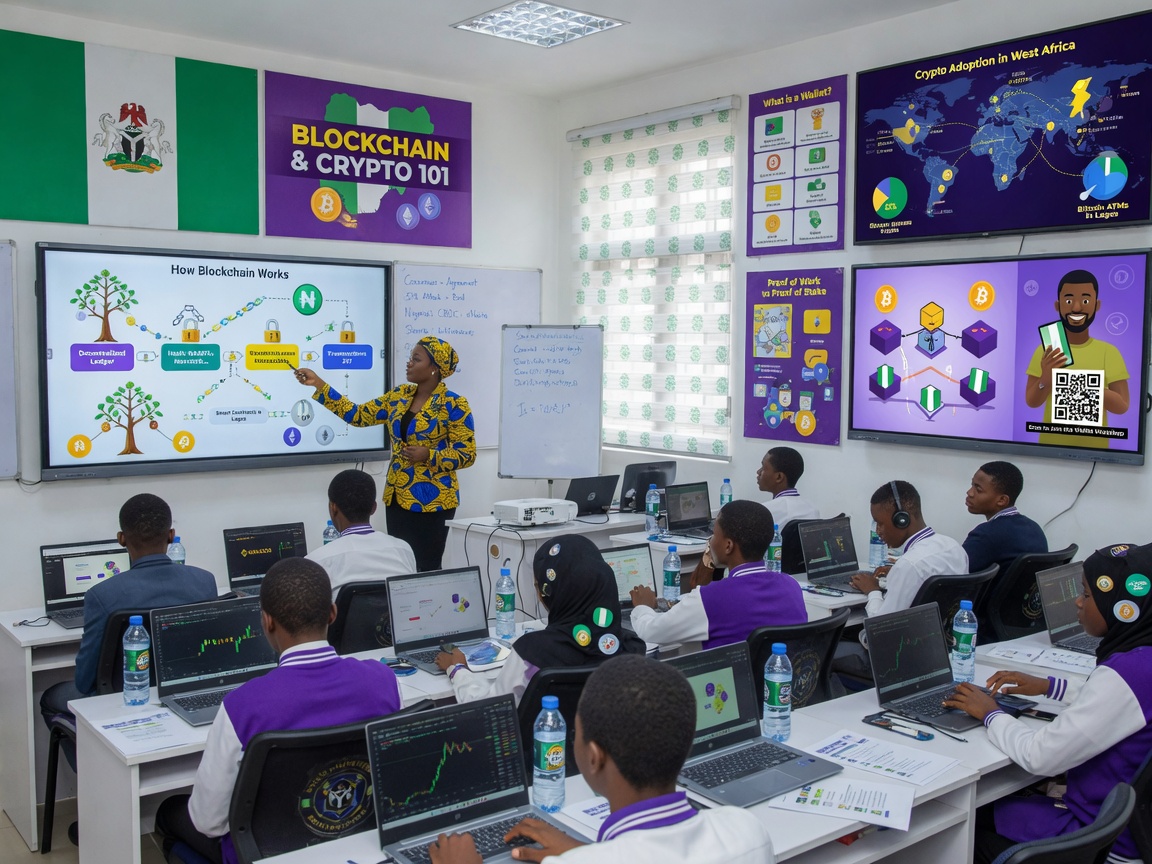
As blockchain technology and digital finance continue to expand globally, access to accurate and practical education has become increasingly important. The initiative focused on Demystifying Crypto for Africans reflects a broader effort to improve financial literacy, explain blockchain technology, and help individuals understand how digital assets function within today’s evolving economy. Rather than encouraging speculation, educational programme aim to provide balanced information that enables learners to make informed decisions.
One example of this effort is the collaboration between Luno and AltSchool Africa to introduce a cryptocurrency education programme for Nigerians. The initiative highlights the growing demand for accessible learning opportunities that explain blockchain fundamentals, cryptocurrency markets, digital wallets, security practices, and responsible participation in the digital economy.
This guide explores the importance of crypto education in Africa, the goals of educational partnerships, the role of blockchain literacy, and why knowledge remains one of the most valuable tools for navigating the rapidly changing digital financial landscape.
Demystifying Crypto for Africans Through Education
The rapid growth of cryptocurrencies has generated widespread interest across Africa. However, many people are still unfamiliar with blockchain technology, digital assets, and the risks associated with cryptocurrency markets.
The goal of Demystifying Crypto for Africans is to make complex topics easier to understand through structured education rather than technical jargon.
Key learning areas often include:
- Blockchain fundamentals
- Cryptocurrency basics
- Digital wallets
- Online security
- Responsible investing
- Market risks
- Web3 technology
- Digital payments
Educational programmes help learners develop foundational knowledge before participating in blockchain-based ecosystems.
Luno and AltSchool Africa Launch Crypto Education Programme for Nigerians
The collaboration between Luno and AltSchool Africa demonstrates how educational organizations and technology companies can work together to improve digital literacy.
The programme focuses on helping Nigerians understand:
- How blockchain works
- The purpose of cryptocurrencies
- Digital asset security
- Wallet management
- Responsible financial decision-making
- Emerging career opportunities
- Web3 innovation
- Industry developments
Rather than promoting investment, the programme emphasizes education, practical understanding, and informed participation.
Why Nigeria Is a Growing Digital Innovation Hub
Nigeria has become one of Africa’s leading technology markets due to its growing startup ecosystem, expanding internet access, and increasing interest in digital financial services.
Several factors contribute to this growth:
- Young technology-focused population
- Expanding fintech industry
- Mobile internet adoption
- Entrepreneurial innovation
- Growing digital payments
- Interest in blockchain technology
- Online education platforms
- Remote work opportunities
These trends create strong demand for accessible technology education.
Why Blockchain Education Matters
Blockchain technology extends beyond cryptocurrency trading. It has applications across multiple industries, including finance, healthcare, logistics, education, and identity management.
Educational programmes help learners understand concepts such as:
- Distributed ledgers
- Smart contracts
- Decentralization
- Consensus mechanisms
- Tokenization
- Digital identity
- Supply chain transparency
- Financial inclusion
Understanding these technologies prepares learners for future developments across the digital economy.
Financial Literacy and Digital Assets
One of the primary objectives of Demystifying Crypto for Africans is improving financial literacy alongside technical education.
Participants often learn about:
- Budgeting
- Risk management
- Diversification
- Fraud awareness
- Long-term financial planning
- Market volatility
- Responsible decision-making
- Investment research
This balanced approach encourages informed choices rather than unrealistic expectations.
Understanding Risk
Cryptocurrency markets remain volatile.
Educational programmes typically explain:
- Price fluctuations
- Market cycles
- Security risks
- Regulatory changes
- Scam prevention
- Portfolio diversification
Recognizing these risks helps learners evaluate opportunities more responsibly.
Building Blockchain Skills
Beyond personal finance, blockchain education supports career development.
Growing career paths include:
- Blockchain development
- Smart contract engineering
- Cybersecurity
- Digital compliance
- Product management
- UI and UX design
- Technical writing
- Community management
Educational initiatives help learners explore opportunities within the expanding blockchain industry.
Demystifying Crypto for Africans and Financial Inclusion
Financial inclusion remains an important priority across many African economies.
Blockchain technology may contribute by supporting:
- Digital payments
- Cross-border transfers
- Mobile financial services
- Small business transactions
- International commerce
- Digital entrepreneurship
- Alternative payment infrastructure
- Financial accessibility
Educational programmes help participants understand both the potential opportunities and the limitations of these technologies.
The Role of Digital Wallets
Learning how digital wallets operate is a fundamental part of cryptocurrency education.
Common topics include:
- Public and private keys
- Wallet security
- Backup procedures
- Transaction verification
- Multi-factor authentication
- Hardware wallets
- Mobile wallets
- Self-custody principles
Proper wallet management helps users better protect their digital assets.
Online Safety and Scam Awareness
Cybersecurity education has become increasingly important as digital finance expands.
Participants are encouraged to recognize:
- Phishing attacks
- Fake investment schemes
- Fraudulent websites
- Social engineering
- Fake mobile applications
- Impersonation scams
- Ponzi schemes
- Wallet security risks
Developing good cybersecurity habits supports safer participation in digital ecosystems.
Best Security Practices
Recommended practices include:
- Using strong passwords
- Enabling two-factor authentication
- Verifying website addresses
- Protecting recovery phrases
- Updating software regularly
- Avoiding unknown links
- Confirming wallet addresses before transactions
- Learning from trusted educational sources
Career Opportunities in the Blockchain Industry
The blockchain sector continues to create employment opportunities across technical and non-technical roles.
Examples include:
- Software engineering
- Data analysis
- Blockchain consulting
- Compliance
- Marketing
- Customer support
- Education
- Research
Educational programmes help learners understand the skills required for these evolving careers.
The Importance of Responsible Learning
Reliable education encourages individuals to approach cryptocurrency with realistic expectations.
Effective programmes typically emphasize:
- Independent research
- Understanding technology
- Evaluating risks
- Continuous learning
- Regulatory awareness
- Financial responsibility
- Ethical participation
- Critical thinking
Education empowers individuals to make informed decisions rather than relying on speculation.
The Future of Crypto Education in Africa
As blockchain adoption grows, educational initiatives are expected to expand across the continent.
Future developments may include:
- University partnerships
- Online certification programmes
- Professional training
- Developer bootcamps
- Financial literacy initiatives
- Government collaboration
- Industry workshops
- AI-supported learning platforms
These efforts can contribute to a more knowledgeable and digitally skilled workforce.
Frequently Asked Questions
What is Demystifying Crypto for Africans?
Demystifying Crypto for Africans refers to educational efforts designed to explain blockchain technology, cryptocurrencies, digital finance, and responsible participation in accessible language.
Why did Luno and AltSchool Africa launch a crypto education programme?
The programme aims to improve blockchain knowledge, financial literacy, and digital skills by helping Nigerians better understand cryptocurrency and related technologies.
Does the programme encourage cryptocurrency investing?
Educational initiatives generally focus on improving knowledge and responsible decision-making rather than encouraging investment or guaranteeing financial outcomes.
Why is blockchain education important in Africa?
Blockchain education helps individuals understand emerging technologies, digital payments, cybersecurity, financial innovation, and potential career opportunities within the digital economy.
What topics are covered in cryptocurrency education programmes?
Typical topics include blockchain fundamentals, digital wallets, cybersecurity, cryptocurrency markets, smart contracts, Web3 technology, and financial literacy.
How can I continue learning after Demystifying Crypto for Africans?
Beginners can build their knowledge through reputable educational platforms, industry publications, online courses, webinars, workshops, and official documentation from trusted organizations.
Conclusion
The initiative focused on Demystifying Crypto for Africans highlights the growing importance of accessible blockchain and cryptocurrency education across Nigeria and the wider African continent. Collaborations such as the Luno and AltSchool Africa crypto education programme demonstrate how structured learning can improve financial literacy, digital skills, and understanding of emerging technologies without promoting unrealistic expectations. As blockchain applications continue expanding across finance, payments, identity, and business, educational programmes will play a vital role in preparing individuals for an increasingly digital economy. By combining practical knowledge, cybersecurity awareness, and responsible financial education, initiatives that demystify crypto for Africans can help create a more informed, confident, and technologically skilled generation ready to engage with the future of digital innovation.
