
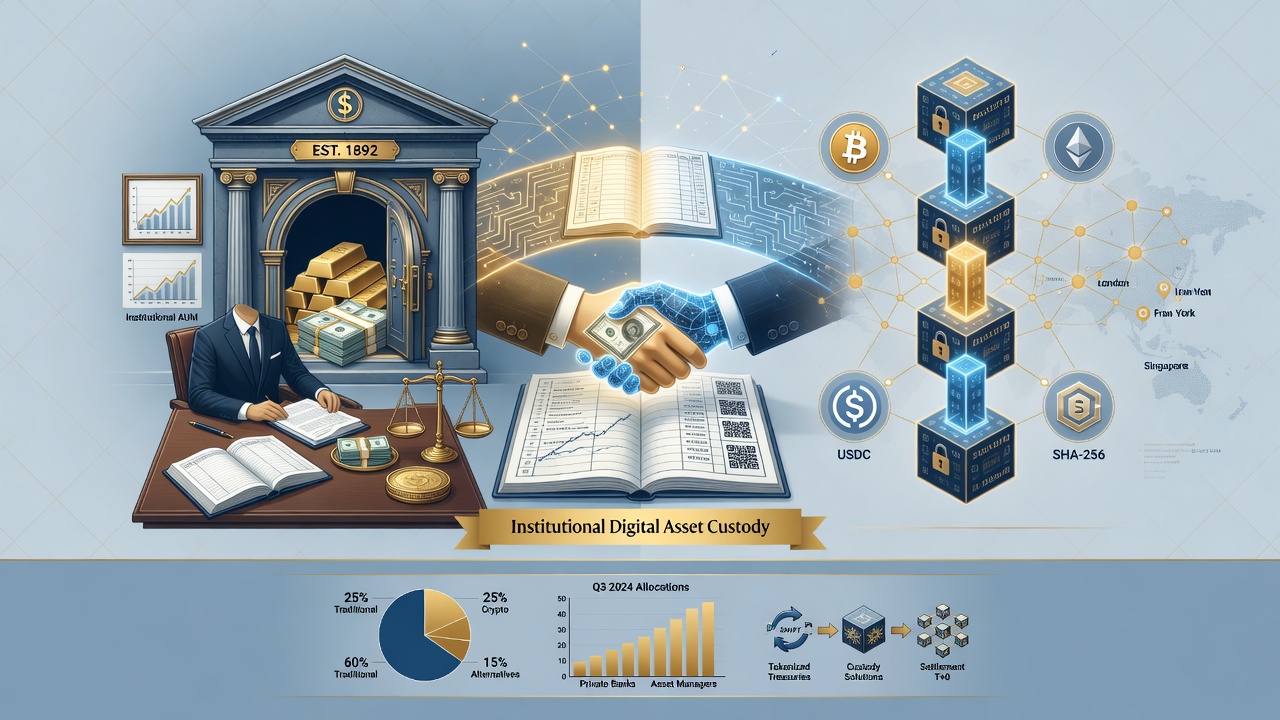
The global financial landscape is undergoing a profound transformation as blockchain technology, decentralized platforms, and digital Currencies move from experimental projects toward structured, regulated integration with traditional finance. The term digital asset now encompasses a broad range of blockchain-based instruments including cryptocurrencies, tokenized securities, stable coins, non-fungible tokens, and utility tokens, each serving distinct economic functions. In 2026, the outlook for digital asset markets reflects a maturing ecosystem characterized by stronger institutional participation, clearer regulatory frameworks, improved infrastructure, and broader real-world utility.
Over the past decade, the cryptocurrency industry evolved from a niche technology experiment into a multi-trillion-dollar global market. Today, leading financial institutions, governments, and technology companies are actively exploring how digital assets can enhance payment systems, investment products, and financial services. This shift marks a transition from pure speculation toward meaningful financial integration.
This guide examines the key trends shaping digital asset adoption in 2026, the forces driving mainstream acceptance, the challenges that remain, and what investors, businesses, and policymakers should expect as the ecosystem continues to mature.
What Defines the 2026 Outlook for Digital Asset Markets
The 2026 outlook represents a pivotal moment for digital asset adoption. Several converging factors suggest that blockchain-based financial products are moving beyond early experimentation toward sustainable integration.
Key characteristics of this outlook include:
- Institutional-grade infrastructure
- Regulatory clarity in major markets
- Expanded real-world asset tokenization
- Improved blockchain scalability
- Cross-border payment innovation
- Central bank digital currency exploration
- Decentralized finance maturation
- Enhanced security standards
This combination of technological advancement, regulatory development, and institutional involvement distinguishes the current phase from earlier market cycles.
From Crypto Experimentation to Financial Integration
The journey from crypto experimentation to financial integration has occurred gradually over several years. In the early stages, digital assets attracted primarily retail traders and technology enthusiasts interested in decentralization and innovation.
Today, the dynamic has shifted considerably. Financial institutions now offer digital asset custody, investment products, and trading services to clients seeking exposure to this growing asset class.
Stages of market development include:
- 2017–2019: Retail-driven market growth and initial exchange adoption
- 2020–2022: Institutional entry and product development
- 2023–2025: Regulatory frameworks and infrastructure maturation
- 2026 onward: Financial integration and mainstream accessibility
This progression reflects increasing confidence in blockchain technology, improved regulatory understanding, and stronger market infrastructure.
Why Digital Asset Adoption Is Accelerating
Multiple factors are driving faster adoption across both retail and institutional segments.
Primary adoption drivers include:
- Regulatory clarity in key jurisdictions
- Institutional investment products
- Improved user experience
- Better custody solutions
- Faster blockchain networks
- Lower transaction costs
- Growing merchant acceptance
- Digital payment innovation
These improvements have reduced barriers to entry while increasing confidence in digital asset markets.
Institutional Participation
Major financial institutions have become significant participants in digital asset markets.
Examples of institutional involvement include:
- Digital asset custody services
- Cryptocurrency exchange-traded products
- Institutional trading platforms
- Blockchain payment networks
- Tokenized securities offerings
- Treasury management solutions
Institutional participation brings greater capital, improved liquidity, and enhanced market credibility.
The Role of Regulation in Digital Asset Growth
Clearer regulations have been one of the most important factors supporting sustainable digital asset growth.
Regulatory developments include:
- Comprehensive cryptocurrency legislation in major economies
- Stablecoin frameworks
- Digital asset taxation guidelines
- Custody licensing requirements
- Exchange compliance standards
- Anti-money laundering enforcement
- Investor protection measures
- Cross-border regulatory cooperation
Predictable regulation reduces uncertainty, encourages institutional participation, and supports long-term market development.
Tokenization of Real-World Assets
One of the most significant trends in 2026 involves the tokenization of real-world assets.
Tokenization converts traditional assets into blockchain-based tokens, potentially improving:
- Liquidity
- Accessibility
- Settlement speed
- Transparency
- Fractional ownership
- 24/7 trading
- Reduced intermediaries
- Global accessibility
Asset classes being tokenized include:
- Real estate
- Government bonds
- Corporate debt
- Commodities
- Trade receivables
- Investment funds
Tokenization represents a bridge between traditional finance and blockchain technology.
Blockchain Infrastructure Improvements
Network performance has improved significantly, addressing earlier concerns about scalability and transaction speed.
Key infrastructure advances include:
- Layer 2 scaling solutions
- Faster consensus mechanisms
- Improved smart contract platforms
- Enhanced cross-chain protocols
- Better node networks
- Reduced gas fees on major chains
- Higher transaction throughput
- More efficient consensus algorithms
These improvements make digital assets more practical for everyday financial applications.
Digital Asset Payment Innovation
Payment applications have become a major area of innovation within the ecosystem.
Developments include:
- Stablecoin payment networks
- Cross-border settlement solutions
- Merchant payment integration
- Digital currency wallets
- NFC and QR payment support
- Business payment automation
- Payroll disbursement options
- International remittance services
Improved payment infrastructure supports broader commercial adoption.
Central Bank Digital Currencies
Many central banks are exploring or developing digital versions of their national currencies, commonly known as central bank digital currencies.
CBDC developments include:
- Pilot programs in multiple countries
- Wholesale and retail CBDC research
- Cross-border payment experiments
- Digital currency interoperability studies
- Privacy and security assessments
- Integration with existing payment rails
CBDC development reflects growing recognition of digital currency potential within established financial systems.
Decentralized Finance Maturation
Decentralized finance platforms have evolved beyond initial experiments toward more sustainable applications.
Mature DeFi capabilities include:
- Decentralized exchanges
- Lending and borrowing protocols
- Yield generation products
- Insurance platforms
- Asset management tools
- Synthetic assets
- Prediction markets
- DAO governance structures
These applications demonstrate practical utility beyond speculation.
Digital Asset Security Standards
Security remains a critical concern as markets grow.
Current security improvements include:
- Institutional-grade custody solutions
- Multi-signature authentication
- Hardware security modules
- Insurance coverage for custodied assets
- Regular security audits
- Bug bounty programs
- Enhanced smart contract testing
- Regulatory compliance standards
Improved security supports greater institutional confidence and market stability.
Challenges Remaining in the Ecosystem
Despite significant progress, several challenges continue to affect the digital asset market.
Key challenges include:
- Regulatory fragmentation across jurisdictions
- Technology scalability limitations
- User education gaps
- Market volatility
- Cybersecurity threats
- Environmental concerns about energy consumption
- Interoperability between networks
- Corporate governance standards
Addressing these issues will support continued mainstream adoption.
The Future Outlook Beyond 2026
Looking further ahead, digital asset markets are likely to become increasingly embedded within traditional financial infrastructure.
Potential long-term developments include:
- Widespread tokenization of securities
- Integrated central bank digital currencies
- Seamless cross-border payments
- AI-powered financial services
- Enhanced regulatory frameworks
- Broader merchant adoption
- Improved user experiences
- Greater financial inclusion
The trajectory suggests continued convergence between digital assets and established financial systems.
Frequently Asked Questions
What is a digital asset?
A digital asset is a blockchain-based instrument such as cryptocurrency, tokenized security, stablecoin, or utility token that holds value and can be transferred digitally.
Why is 2026 significant for digital asset markets?
2026 represents a maturation point where institutional infrastructure, regulatory frameworks, and real-world utility applications are combining to support mainstream financial integration.
How are institutions using digital assets?
Institutions use digital assets for custody services, investment products, treasury management, payment solutions, and tokenized securities offerings.
What is asset tokenization?
Asset tokenization converts traditional assets such as real estate or bonds into blockchain-based tokens, potentially improving liquidity, accessibility, and settlement efficiency.
Are digital assets regulated?
Digital assets are increasingly subject to regulation. Major jurisdictions have implemented or are developing frameworks covering exchanges, stablecoins, tokenized securities, and investor protections.
What challenges does the digital asset ecosystem face?
Remaining challenges include regulatory fragmentation, scalability limitations, security concerns, user education gaps, and market volatility.
Conclusion
The digital asset ecosystem in 2026 reflects a significant transition from early cryptocurrency experimentation toward meaningful financial integration with traditional markets. Institutional participation, clearer regulatory frameworks, improved blockchain infrastructure, real-world asset tokenization, and payment innovation are collectively driving broader adoption across retail, institutional, and governmental segments. While challenges such as regulatory fragmentation, scalability, and security remain, the overall trajectory points toward a future where digital assets play an established role within mainstream financial services. Understanding the trends shaping this evolving landscape can help investors, businesses, and policymakers better prepare for the continued growth and integration of blockchain-based financial instruments in the years ahead.
