
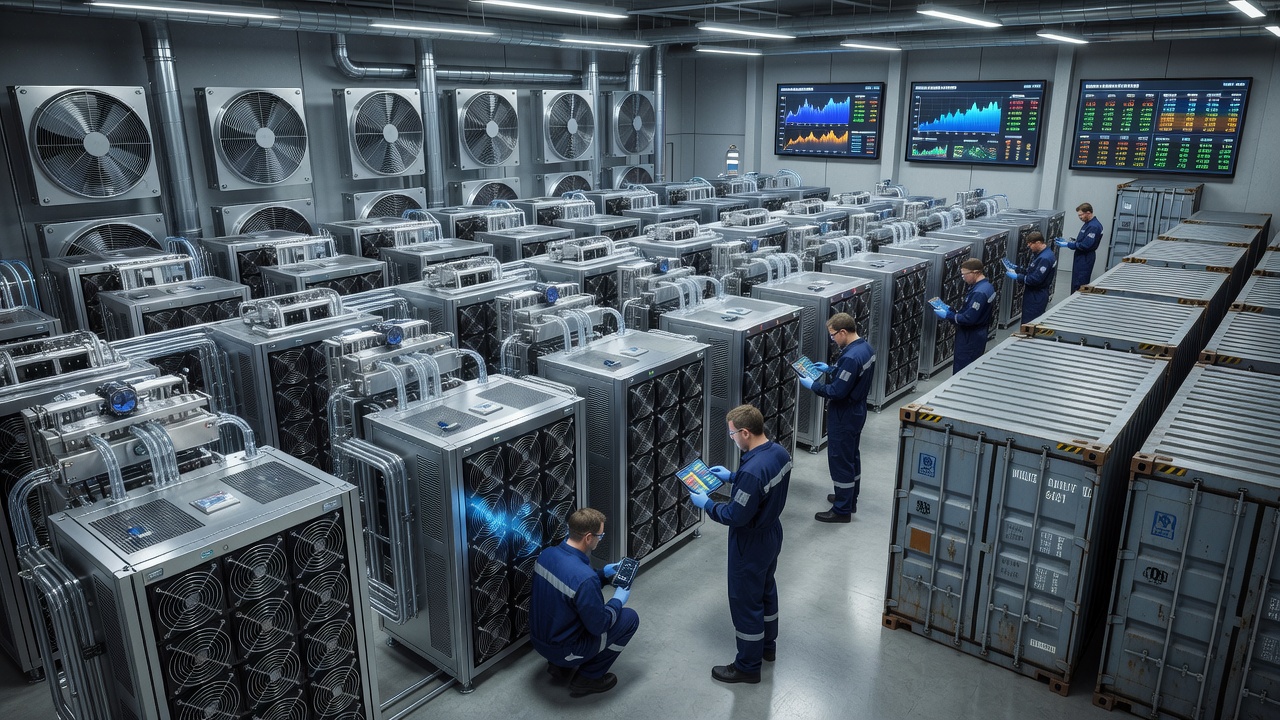
The global landscape of Bitcoin mining has evolved into a sophisticated industry supported by advanced semiconductor technology, industrial-scale infrastructure, and international supply chains. What was once a hobby powered by desktop computers has become a highly specialized sector where mining companies invest millions of dollars in high-performance ASIC hardware, cooling technologies, and energy-efficient facilities.
As competition continues to increase, selecting the right mining equipment supplier has become one of the most important business decisions for mining operators. Whether purchasing a handful of ASIC miners or equipping an institutional-scale mining farm with thousands of units, buyers must evaluate much more than advertised hash rates. Manufacturing quality, hardware efficiency, logistics capabilities, warranty coverage, technical support, and long-term reliability all influence operational success.
Today’s suppliers serve a broad range of customers, including individual miners, hosting companies, institutional investors, public mining corporations, and data center operators. Many now provide factory-direct purchasing, bulk procurement programs, customized deployment solutions, and worldwide shipping to support growing demand across international markets.
This guide explores the leading categories of global Bitcoin miner suppliers, compares air-cooled and hydro-cooled ASIC systems, outlines procurement considerations for enterprise buyers, and explains the factors that matter most when investing in modern Bitcoin mining infrastructure.
Note: This article is intended for educational purposes. It does not rank or endorse specific companies. Buyers should perform independent due diligence before purchasing mining equipment.
Why Hardware Selection Matters in Bitcoin Mining
The profitability and long-term sustainability of a mining operation depend on multiple variables, but hardware remains one of the largest capital investments.
Successful mining businesses evaluate equipment based on:
- Energy efficiency
- Hash rate performance
- Equipment reliability
- Cooling requirements
- Maintenance needs
- Infrastructure compatibility
- Warranty support
- Total cost of ownership
While market conditions and mining difficulty fluctuate, efficient hardware can help operators improve resource utilization over time.
What Are Factory-Direct Bitcoin Mining Suppliers?
Factory-direct suppliers sell mining hardware directly from the manufacturer or through officially authorized distribution channels.
Compared with purchasing through multiple intermediaries, factory-direct procurement may offer advantages such as:
- Access to newly released mining hardware
- Bulk purchasing opportunities
- Manufacturer-backed warranties
- Streamlined communication
- More predictable supply chains
- Technical documentation and support
Availability depends on production schedules, regional distribution agreements, and manufacturer policies.
Air-Cooled vs. Hydro-Cooled ASIC Miners
Cooling technology has become a major consideration for commercial Bitcoin mining facilities.
Air-Cooled ASIC Miners
Air-cooled miners use integrated fans and facility ventilation systems to remove heat generated during operation.
Advantages include:
- Simpler installation
- Lower infrastructure complexity
- Broad compatibility
- Easier servicing
- Lower initial infrastructure costs
Air-cooled systems remain the most widely deployed solution across the mining industry.
Hydro-Cooled ASIC Miners
Hydro-cooled systems circulate coolant through specialized infrastructure to dissipate heat more efficiently.
Potential benefits include:
- Lower operating temperatures
- Reduced equipment noise
- Higher rack density
- Improved thermal consistency
- Suitability for large industrial deployments
However, hydro-cooled installations generally require additional engineering, plumbing, and facility planning.
Top 10 Categories of Global Bitcoin Miner Suppliers
Rather than ranking individual manufacturers, these categories represent the major types of suppliers serving today’s global Bitcoin mining market.
1. Original ASIC Manufacturers
Original equipment manufacturers design and produce proprietary ASIC mining hardware.
These companies typically invest in:
- Chip design
- Hardware engineering
- Manufacturing quality control
- Firmware development
- Product testing
Large mining companies often purchase directly from manufacturers whenever possible.
2. Authorized Regional Distributors
Authorized distributors provide locally supported sales while maintaining relationships with original manufacturers.
Benefits may include:
- Regional inventory
- Local warranty support
- Technical assistance
- Faster delivery within supported markets
Always verify distributor authorization through official manufacturer channels.
3. Enterprise Mining Solution Providers
Some companies offer complete mining infrastructure rather than hardware alone.
Services may include:
- ASIC procurement
- Facility design
- Electrical engineering
- Cooling systems
- Rack installation
- Commissioning
- Maintenance planning
These integrated solutions are often used by institutional mining projects.
4. Wholesale ASIC Equipment Suppliers
Wholesale suppliers focus on serving customers placing large-volume orders.
Their services often support:
- Institutional deployments
- Hosting providers
- Mining farm expansion
- International procurement
Bulk purchasing terms vary by supplier.
5. Refurbished Mining Hardware Specialists
Refurbished mining equipment can provide an alternative purchasing option for some businesses.
Before purchasing refurbished hardware, buyers should review:
- Equipment testing procedures
- Operating history
- Warranty availability
- Replacement parts support
Equipment condition varies significantly between suppliers.
6. Mining Infrastructure Companies
These suppliers combine mining hardware with supporting infrastructure products.
Typical offerings include:
- Power distribution units
- Mining containers
- Cooling systems
- Rack solutions
- Monitoring platforms
Infrastructure planning is particularly important for industrial-scale Bitcoin mining.
7. International Export Specialists
Export-focused suppliers manage international logistics for customers operating across multiple countries.
Capabilities may include:
- Export documentation
- Customs coordination
- Freight management
- Delivery scheduling
- Packaging for international shipping
Reliable logistics become increasingly important for institutional purchases.
8. Mining Hosting Providers
Some organizations both sell ASIC hardware and operate hosted mining facilities.
Hosting services may include:
- Equipment installation
- Facility operation
- Power management
- Cooling
- Maintenance
- Security
Customers retain ownership of the equipment while the provider manages daily operations.
9. Hydro-Cooling Specialists
Certain suppliers focus specifically on advanced cooling technologies.
These companies often provide:
- Hydro-cooled ASIC systems
- Liquid cooling infrastructure
- Thermal engineering
- Cooling optimization
Such solutions are commonly evaluated for high-density deployments.
10. Integrated Digital Infrastructure Companies
Some organizations combine hardware manufacturing, software development, monitoring systems, and operational management into comprehensive mining solutions.
These integrated approaches support enterprise-scale deployments requiring centralized management.
Factors to Consider Before Choosing a Supplier
Selecting a supplier involves more than comparing prices.
Manufacturing Standards
Consistent production quality contributes to hardware reliability and long-term operational stability.
Product Availability
Mining projects often depend on predictable manufacturing schedules.
Delivery delays can affect construction timelines and financial planning.
Technical Support
Reliable support is valuable during deployment and ongoing operation.
Support services may include:
- Installation guidance
- Firmware updates
- Technical documentation
- Troubleshooting
- Warranty assistance
Warranty Policies
Review warranty coverage carefully.
Consider:
- Warranty duration
- Regional service availability
- Replacement procedures
- Covered components
Reputation
Research publicly available information about the supplier’s business history, customer experience, and official distribution channels.
Infrastructure Planning for Bitcoin Mining
Purchasing hardware is only one part of a successful mining operation.
Electrical Infrastructure
Mining facilities require properly engineered electrical systems capable of supporting continuous high-power operation.
Cooling Capacity
Cooling systems should be designed according to the hardware specifications and expected environmental conditions.
Internet Connectivity
Stable network connections support continuous communication with mining pools and monitoring systems.
Facility Security
Commercial mining operations typically implement:
- Controlled access
- Surveillance systems
- Fire protection
- Environmental monitoring
Institutional Bulk Purchasing Considerations
Large-scale buyers often evaluate procurement strategies differently from individual miners.
Important considerations include:
Standardization
Using identical hardware across multiple facilities can simplify maintenance and spare parts management.
Spare Equipment
Maintaining replacement inventory may reduce operational interruptions.
Logistics Coordination
Bulk shipments require careful scheduling to align with construction milestones.
Long-Term Vendor Relationships
Ongoing supplier relationships may improve communication regarding future product availability and technical support.
Worldwide Delivery and Global Logistics
International hardware procurement introduces additional complexity.
Institutional buyers often review:
- Manufacturing lead times
- Freight options
- Customs requirements
- Import documentation
- Insurance coverage
- Delivery scheduling
Working with experienced logistics providers may reduce shipping delays and improve supply chain visibility.
Technology Trends Shaping Bitcoin Mining
The Bitcoin mining industry continues to evolve through technological innovation.
More Efficient ASIC Chips
Manufacturers continue developing hardware that delivers higher computational performance with lower energy consumption.
Artificial Intelligence
AI is increasingly supporting:
- Predictive maintenance
- Fleet monitoring
- Performance optimization
- Failure detection
- Energy analysis
These technologies improve operational visibility.
Smarter Cooling Systems
Cooling innovations continue reducing energy consumption while improving equipment reliability.
Automation
Automation helps operators monitor thousands of mining machines with greater efficiency.
Remote management platforms simplify diagnostics and maintenance scheduling across multiple locations.
Common Mistakes Buyers Should Avoid
Mining hardware represents a significant investment.
Avoid these common mistakes:
Buying Based Only on Price
Lower purchase costs do not always result in lower operating costs.
Ignoring Energy Efficiency
Electricity often represents the largest recurring operating expense.
Overlooking Infrastructure Requirements
Electrical and cooling systems should be planned before equipment arrives.
Skipping Supplier Verification
Always verify official manufacturer authorization where applicable.
Failing to Plan for Maintenance
Preventive maintenance supports long-term operational reliability.
Best Practices for Building a Mining Operation
Successful Bitcoin mining projects typically follow structured planning.
Recommended practices include:
- Define operational goals before purchasing hardware.
- Compare multiple suppliers.
- Review official technical specifications.
- Verify warranty coverage.
- Plan electrical capacity.
- Design adequate cooling systems.
- Monitor equipment continuously.
- Schedule preventive maintenance.
- Maintain spare parts inventory.
- Review energy consumption regularly.
These practices help improve long-term operational performance.
The Future of Bitcoin Mining Equipment
The future of Bitcoin mining will continue to emphasize efficiency, sustainability, and intelligent infrastructure.
Manufacturers are expected to focus on:
- Higher-performance ASIC architectures
- Lower energy consumption
- Improved thermal management
- AI-assisted monitoring
- Enhanced automation
- More sustainable facility design
Institutional buyers are increasingly evaluating total lifecycle costs rather than focusing solely on initial hardware prices.
As digital infrastructure continues expanding, Bitcoin mining operations will likely become even more integrated with advanced data center technologies and energy management systems.
Conclusion
The global Bitcoin mining industry has matured into a technology-driven sector where hardware selection, infrastructure planning, and supplier reliability play a critical role in operational success. Whether purchasing factory-direct ASIC miners, evaluating air-cooled or hydro-cooled systems, or planning institutional-scale deployments, organizations should carefully assess manufacturing quality, energy efficiency, logistics capabilities, warranty support, and long-term operating costs. A structured procurement strategy supported by thorough due diligence can help mining businesses build scalable, reliable, and efficient operations capable of adapting to changing market conditions and ongoing technological innovation.
FAQs
What is factory-direct Bitcoin mining hardware?
Factory-direct Bitcoin mining hardware is purchased directly from manufacturers or their officially authorized distribution channels, depending on the supplier’s sales model.
Are hydro-cooled ASIC miners better than air-cooled models?
Each solution has advantages. Hydro-cooled systems may improve thermal efficiency in certain industrial environments, while air-cooled systems generally offer simpler installation and maintenance.
What should institutional buyers evaluate before placing bulk orders?
They should review hardware specifications, supplier reputation, warranty policies, logistics capabilities, technical support, production capacity, and infrastructure compatibility.
Why is energy efficiency important in Bitcoin mining?
Energy costs represent one of the largest operational expenses. More efficient hardware can improve electricity utilization relative to computational performance.
Can Bitcoin mining equipment be shipped internationally?
Many suppliers support worldwide delivery, although shipping timelines, customs requirements, and import regulations vary by country.
How do I choose a reliable Bitcoin mining supplier?
Verify official authorization where applicable, review technical documentation, compare warranty terms, research company history, evaluate logistics capabilities, and conduct independent due diligence before purchasing.
