
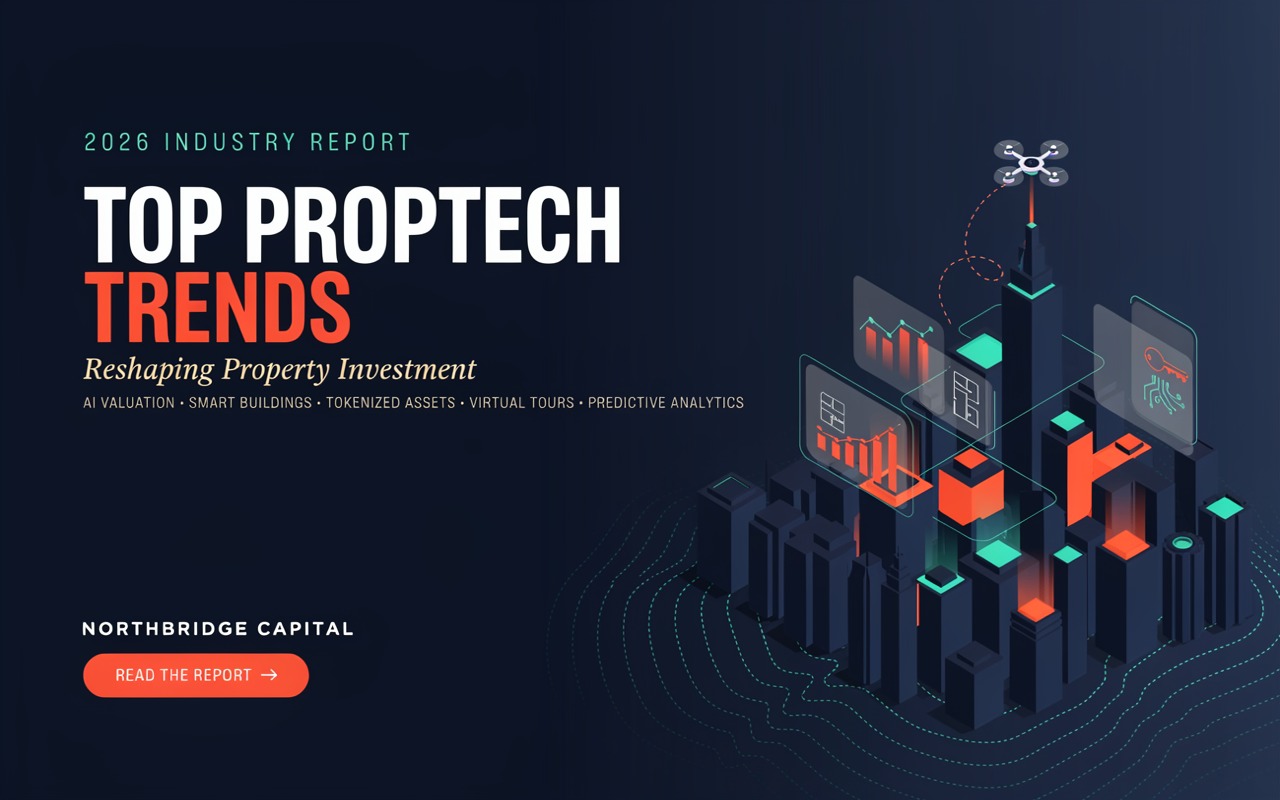
Real estate is going through one of its biggest changes in decades, moving away from a fragmented, paperwork-heavy industry toward something far more connected and data-led. By 2026, owning a building is no longer just about collecting rent. It’s about running a service built around that asset. This shift has been powered by a wave of investment in property technology, with over $16.7 billion poured into the sector globally, a jump of nearly 68% from the year before.
For investors and developers, this isn’t a trend to watch from the sidelines anymore. Institutional money pulled back slightly in 2025 as it competed with infrastructure and private credit for attention, but private wealth and everyday retail investors have stepped in to fill that space. People who once relied on gut feeling and manual spreadsheets are now turning to automated valuations, AI tools and blockchain-based ownership models to protect their margins and run things more efficiently.
AI Is Doing More Than Answering Questions
Artificial intelligence in property has moved well past the chatbot stage. Around 92% of real estate decision makers are experimenting with AI in some form, yet only 5% say they’ve fully achieved what they set out to do with it. That gap is pushing the industry toward what’s known as agentic AI, systems that don’t just respond to questions but can carry out multi-step tasks on their own.
In practice, this means a system can pick up a new lead, look at a buyer’s financial situation, suggest suitable properties, and even draft the early paperwork, only handing things over to a person once negotiations get complicated. The results speak for themselves. Firms using these tools well have cut lead response times by 90% and added around 9% to their net operating income within the first year. For agency managers, that translates into handling twice the client volume without hiring more staff, an edge that keeps growing as more data builds up over time.
Opening Up Property Investment to More People
One of the more interesting developments is real estate tokenization, which turns ownership of a physical property into digital tokens recorded on a blockchain. It effectively breaks an expensive asset into smaller, tradeable pieces. Buying into premium property used to mean having at least $200,000 on hand, which shut out most everyday investors. Tokenization has brought that entry point down to as little as $100, giving ordinary people a way into luxury apartments in Manhattan or office towers in Dubai.
The tokenized property market is expected to grow from roughly $3.7 billion in 2025 to more than $4 trillion by 2035. It also changes how liquid real estate can be. Instead of waiting two or three months for a sale to close, investors can now buy and sell their shares on digital platforms at any time, with trades settling in minutes rather than weeks. For developers, this opens a new way to raise money, letting them bring in investors early, sometimes even before construction wraps up on off plan projects in Dubai and similar developments elsewhere.
Going Green Now Pays Off Financially
Sustainability has stopped being optional. In cities like New York, rules such as Local Law 97 now fine buildings that go over their carbon emission limits, pushing owners toward smart systems that manage heating, cooling and power use automatically.
Buildings that have been upgraded to meet these standards are now renting for 2.5% to 5% more than similar properties without the upgrades, as companies look for offices that help them hit their own environmental targets. Tools like BrainBox AI and Enertiv can cut energy bills by up to 25% and add years to the life of major building equipment, sometimes as much as 50% longer. For big property owners, these upgrades typically pay for themselves within two years and deliver returns of 200% to 400%, which is why sustainability has become a genuine investment strategy rather than a marketing point.
Getting the Data Right Comes First
The biggest obstacle firms face isn’t the technology itself but messy, disconnected data. Most AI projects that fail do so because they were built on top of scattered databases and inconsistent records. To actually see a return from these tools, companies need to get three types of data in order first: transaction records like sale prices, market data covering demographics and supply, and behavioural data showing what clients actually want.
Many industry leaders now recommend building a single, unified data platform, sometimes called a PropOS, that acts as one reliable source of truth. Firms that bring their CRM, utility records and performance numbers into one clean system avoid the errors that come from AI working with bad information, and they’re the ones best placed to run fully automated processes going forward.
Where the Opportunities and Risks Sit
The upside: Blockchain platforms make it easier to access cash quickly through secondary trading. Automated screening and predictive maintenance can lower upkeep costs by as much as 14%. Digital platforms also let investors buy into properties on the other side of the world without leaving home. In fast-growing markets such as the UAE, investors can also use online platforms to explore Dubai real estate investment opportunities, compare developments, and evaluate projects before making a purchase.
The downside: New AI tools still need to comply with laws like the Fair Housing Act and data privacy rules such as GDPR. Many people in the industry still rely on manual processes, which slows adoption. And as more devices connect through IoT, buildings become more exposed to cyber threats.
What This Means for Buyers and Sellers
Anyone getting into this space in 2026 should start by figuring out exactly where they’re losing time or money, whether that’s slow lead responses or manual errors in paperwork. A simple chatbot or automated valuation tool is a reasonable first step before moving on to full CRM integration.
Buyers and tenants should look for buildings with smart home features already built in, since these tend to be more energy efficient and hold their value better over time. Developers, meanwhile, might consider selling off a portion of their equity, somewhere between 10% and 20%, to bring in outside investors and fund renovations without giving up control of the project.
Closing In!
Property technology has gone from a nice add-on to a core part of how the industry runs. The distance between firms embracing these tools and those still relying on old systems keeps growing, with tech-forward companies expecting portfolio growth nearly three times higher than everyone else. Getting ahead in this next phase will come down to having clean, organised data and a clear plan for putting these tools to work, rather than chasing every new piece of technology that comes along.
