
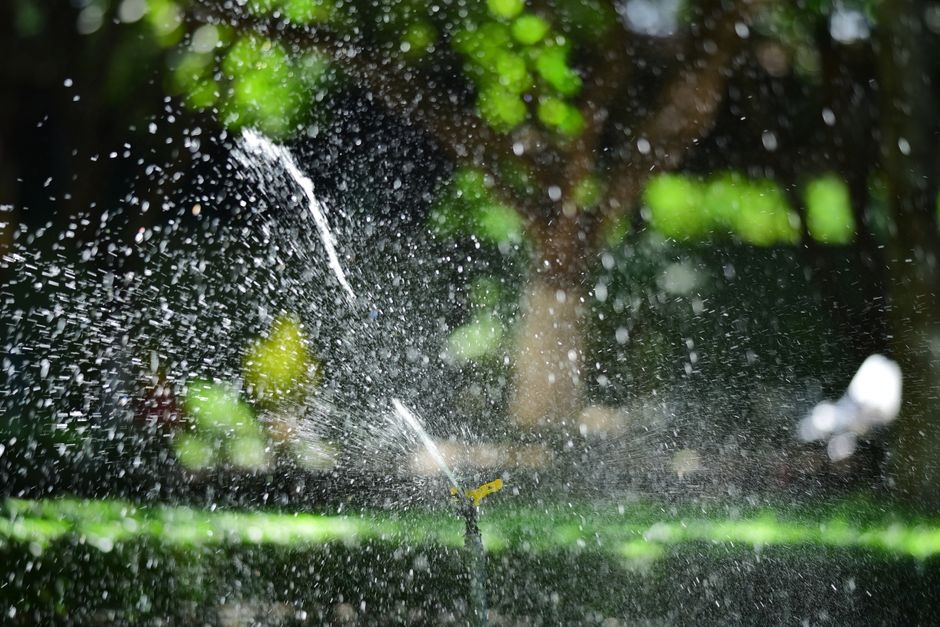
A healthy lawn depends on getting the right amount of water in the right places, which makes a properly working sprinkler system more important than it may seem. In Redington Beach, even a small irrigation problem can waste a surprising amount of water. Research on residential irrigation found that an average home can use at least 991 gallons of water during a single irrigation cycle, even before accounting for system inefficiencies. A broken head, hidden leak, or poorly adjusted zone can therefore affect much more than the appearance of the lawn.
Fortunately, sprinkler problems often provide clues before they become major repairs. Uneven grass color, unexpected puddles, weak spray patterns, and unexplained changes in water use can all tell you that something deserves attention.
Your Lawn Can Tell You When Something Is Wrong
You do not need to understand every valve and pipe to recognize that an irrigation system is struggling.
One of the clearest signs is uneven growth. A patch of grass that repeatedly looks dry while the surrounding lawn stays healthy may not be receiving enough water. On the other hand, unusually soft ground or persistent puddles can indicate that an area is receiving too much.
Watch the sprinkler system while it operates occasionally rather than relying entirely on the controller. You may notice a head that does not rise properly, water spraying onto pavement, an unusually fine mist, or one sprinkler barely reaching the area it is supposed to cover.
These small observations can help identify a problem before the lawn experiences significant stress.
Uneven Watering Usually Has an Explanation
A sprinkler zone can be running without actually watering the lawn evenly.
Grass and landscaping can block spray patterns. Nozzles may become clogged, heads can tilt or sink, and pressure problems can change how far water travels. Research-based irrigation guidance identifies damaged or poorly positioned heads, clogged nozzles, blocked spray, and pressure problems among common reasons for uneven coverage.
When one section remains dry, simply increasing the run time is not necessarily the answer. Doing so may give the dry area a little more water while soaking sections that were already receiving enough.
A better approach is to find out why coverage is inconsistent.
For homeowners considering sprinkler repair in Redington Beach, a proper evaluation should look beyond the most obvious damaged component. Spray coverage, pressure, valves, nozzles, controller settings, and underground leaks can all influence how effectively the system performs.
Fixing the cause is far more useful than repeatedly compensating for the symptom.
Watch Where the Water Is Actually Going
Water spraying across a driveway or sidewalk may seem like a minor annoyance, but it is also a clear sign that irrigation is not being used effectively.
Sprinkler heads can gradually move out of alignment after contact with lawn equipment, foot traffic, soil movement, or ordinary wear. Vegetation can also grow into a spray path that was perfectly clear when the system was installed.
Periodically running each zone while you are outside makes these issues easier to catch.
Regular irrigation-system inspections can help uncover clogged, damaged, leaking, or misaligned sprinkler heads before they create larger coverage problems.
It is a simple habit, but watching the system operate can reveal considerably more than looking at the lawn after watering has finished.
Don’t Assume Every Dry Patch Needs More Water
A brown area in the lawn can make it tempting to immediately increase watering.
That may make things worse if irrigation is not actually the problem.
Dry-looking turf can sometimes be associated with poor coverage, but lawn stress may also involve soil conditions, pests, disease, shade, or other factors. Likewise, a constantly wet area does not automatically mean the controller is running too long. An underground leak or malfunctioning valve could be contributing.
Look for patterns before changing the entire watering schedule.
If one small section struggles while the rest of the zone looks healthy, inspect the sprinklers serving that area first. If the entire lawn appears stressed, the issue may involve scheduling, pressure, or broader landscape conditions.
Diagnosing before adjusting can prevent a small problem from becoming an overwatering problem too.
Pay Attention to Puddles and Unusually Wet Areas
Persistent wet spots deserve attention even when you cannot see an obvious leak.
A damaged underground line can release water below the surface, while a faulty valve may allow a zone to continue receiving water when it should be off. Broken or sunken heads can create similar problems above ground.
Look for areas that remain soggy longer than the surrounding lawn, especially when the sprinkler system has not recently completed a normal cycle.
Unexpected changes in water use can provide another clue. If household habits have remained roughly the same but water consumption increases noticeably, the irrigation system is one possible place to investigate.
Leaks do not have to create dramatic fountains to waste water. A relatively quiet problem that repeats every watering cycle can add up over time.
Let the Lawn’s Needs Guide the Schedule
A sprinkler controller is useful, but it does not know everything happening outside unless the system has sensors or other technology designed to respond to changing conditions.
Leaving the same schedule in place throughout the year can lead to unnecessary irrigation because plant water needs change with rainfall, temperature, shade, and season. Irrigation guidance recommends adjusting watering according to actual turf needs rather than simply allowing a timer to run unchanged indefinitely.
That makes seasonal controller checks worthwhile.
If the landscape has already received sufficient rain, additional irrigation may accomplish little beyond increasing water use. If conditions become drier, the system may need a different approach.
The objective is not to run the sprinklers as often as possible. It is to provide enough water to support healthy plants without repeatedly saturating the soil.
Know When a Repair Is Enough
Not every sprinkler problem means the entire irrigation system needs to be replaced.
A damaged head, clogged nozzle, programming issue, or isolated valve problem may have a relatively straightforward solution. If the rest of the system provides good coverage and operates reliably, repairing the individual component can make more sense than undertaking a major upgrade.
The decision becomes different when problems keep returning.
Repeated leaks, failing valves, inconsistent pressure, outdated controls, and widespread coverage problems can make constant small repairs increasingly frustrating. At that point, upgrading selected parts of the system may improve reliability and efficiency.
Think about overall performance rather than the age of one component.
A system that technically turns on but consistently waters the wrong places is not functioning particularly well.
Make Routine Checks Part of Lawn Care
Sprinkler maintenance does not need to become another complicated weekend project.
Every so often, run the zones while you are outside and watch what happens. Look for damaged heads, weak spray, blocked patterns, unusual misting, runoff, and water landing where it should not.
Clear vegetation when it blocks sprinklers and pay attention to changes in lawn appearance between watering cycles.
You can also check how evenly the system applies water. Measuring sprinkler output with simple containers is one practical way to identify differences in coverage and estimate how much water the system is applying.
A few minutes of observation can catch problems that might otherwise continue unnoticed for weeks.
Give Your Lawn the Water It Actually Needs
A sprinkler system works best when you barely have to think about it. Water reaches the intended areas evenly, the lawn receives what it needs, and sidewalks do not get an unnecessary shower every morning.
Getting there does not require obsessing over irrigation equipment. It requires paying attention when the system starts behaving differently.
Dry patches, puddles, weak spray, damaged heads, and unexpected water use are all worth investigating rather than simply extending the watering schedule.
Small irrigation problems are generally easier to manage when they are found early. Keep an eye on coverage, adjust watering as conditions change, and repair malfunctioning components before they begin affecting larger sections of the landscape.
Your lawn does not need more water simply because something looks wrong. It needs the right water, in the right place, at the right time.
