
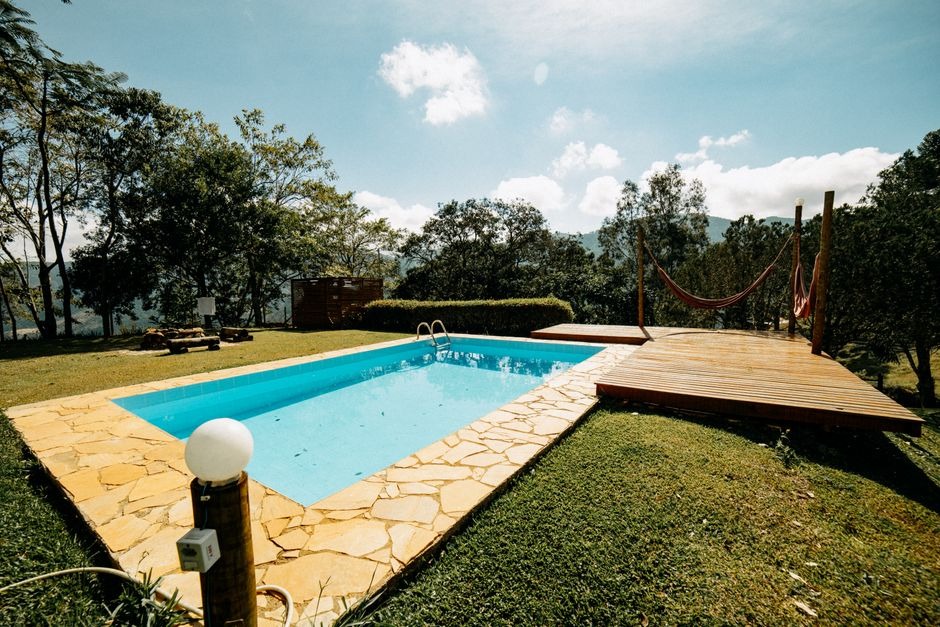
Owning a pool should ideally involve more swimming than adjusting equipment. Yet pumps, heaters, lights, sanitation equipment, and water features can turn routine pool care into a surprising amount of work. Modern upgrades can simplify many of those tasks by allowing different parts of the system to operate together instead of requiring constant manual adjustments.
The most useful upgrades are not necessarily the ones with the longest feature lists. They are the ones that make everyday ownership easier, improve control over equipment, and reduce unnecessary operation. Before replacing anything, it helps to understand what automation can actually do and which features make sense for the way you use your pool.
Start With the Tasks You’d Rather Stop Doing Manually
Pool automation is most valuable when it solves an inconvenience you already have.
Maybe you regularly adjust pump schedules. Perhaps you want the spa heated before you use it, or you are tired of walking back to the equipment whenever you need to change a setting. Lighting, water features, temperature, and circulation schedules can all become easier to manage when compatible equipment is connected through one control system.
Remote access can simplify things further. Instead of adjusting individual controls at the equipment pad, many modern systems allow you to manage settings through an app or centralized interface.
That does not mean every function needs automation.
Think about what you actually adjust during an ordinary week. Those repeated tasks are usually the best place to begin.
A Connected System Can Simplify Pool Ownership
Good automation should reduce complexity rather than introduce more of it.
Modern pool automation systems can bring compatible pumps, heaters, lighting, spas, water features, and other equipment under a centralized control system. The value comes from being able to coordinate those components rather than managing each one independently.
For example, a spa setting might adjust circulation, heating, and related features together instead of requiring several separate changes.
Scheduling is useful too. Equipment can operate according to routines you establish rather than relying on someone to remember every setting.
The best system is not necessarily the one capable of controlling the most devices. It is the one that makes the equipment you actually use easier to manage.
The Pump Is a Smart Place to Look for Efficiency
If energy use is part of the reason you are considering an upgrade, the pool pump deserves attention.
Traditional single-speed pumps operate at one speed whenever they are running. Variable-speed pumps can operate at different speeds depending on what the pool needs.
That distinction can have a substantial effect on electricity consumption. The U.S. Department of Energy explains that reducing pump speed can significantly reduce the energy required to circulate pool water.
Automation can make variable-speed equipment even more convenient by scheduling different speeds for filtration and other functions.
Rather than simply running equipment as hard as possible for a shorter period, the system can be configured around the actual needs of the pool.
Smart Heating Is Mostly About Better Timing
Heating a pool or spa when nobody intends to use it is an easy way to consume energy unnecessarily.
Automation provides more control over when heating occurs.
If you know when the pool or spa will be used, schedules can help limit heating to those periods. Remote controls can also allow you to change settings without leaving equipment operating continuously just in case someone decides to swim.
This is where convenience and efficiency can overlap.
You are not necessarily asking the heater to perform differently. You are giving yourself better control over when it operates.
For households that use a spa frequently or have changing schedules, that can be considerably more useful than manually adjusting the equipment every time.
Compatibility Can Make or Break the Upgrade
This is one of the least exciting parts of pool automation, but it is also one of the most important.
Not every controller communicates properly with every pump, heater, sanitizer, or lighting system. Existing equipment may use different communication standards, controls, or electrical configurations.
Before choosing an automation platform, identify what equipment you already have and what you may replace in the near future.
The pump and heater models matter. So do lighting systems, sanitation equipment, valves, and any water features you want to control.
Older pools can sometimes be automated successfully without replacing everything. Other setups may require certain components to be upgraded first.
Checking compatibility before purchasing equipment is much easier than discovering afterward that two expensive devices refuse to communicate.
Remote Control Is More Useful Than It Sounds
Controlling a pool from a phone can initially sound like a feature designed mainly for convenience.
In practice, it can be genuinely useful.
You might want to start heating the spa before using it, change a schedule while away from home, check whether equipment is running, or turn off a water feature that no longer needs to operate.
Remote monitoring can also make unusual behavior easier to notice when the system provides useful status information or alerts.
That does not mean an app can diagnose every equipment problem. It can, however, give you more visibility into how the pool is operating without requiring a trip to the equipment every time.
For people who travel regularly or manage a pool they cannot check every day, that visibility can become one of the more valuable parts of automation.
Automation Doesn’t Eliminate Maintenance
A smart pool is still a pool.
Filters need attention. Baskets collect debris. Water chemistry needs monitoring. Equipment can wear out, and plumbing can develop problems.
Automation simply reduces some of the repetitive manual work.
It can help maintain consistent schedules and make certain equipment easier to monitor, but it should not encourage a set-it-and-forget-it approach.
Keeping pool equipment properly maintained remains important even when much of its operation is automated.
In fact, automation can be most useful when combined with good maintenance habits. A predictable operating schedule makes unusual changes easier to notice because you already know how the system normally behaves.
Don’t Automate Problems That Need Repairing
If existing equipment is already struggling, adding smart controls may not solve the underlying issue.
A pump with poor performance still needs diagnosis. A heater that repeatedly shuts down still needs attention. A leaking valve does not become less leaky because an app can control it.
Before investing in automation, evaluate the condition of the equipment that will be connected to it.
If several major components are approaching replacement, it may make sense to plan those upgrades together. Doing so can improve compatibility and reduce the likelihood of building a new control system around equipment that will soon need to change.
Automation should make a healthy pool system easier to operate, not disguise problems that already exist.
Keep the User Experience Simple
More features do not automatically create a better smart pool.
If everyday functions are buried behind confusing menus or require several steps to activate, you may end up avoiding the technology you paid to install.
Think about the actions you perform most often.
Starting the spa, adjusting temperature, changing lighting, checking pump operation, and modifying schedules should be straightforward.
If several people in the household use the pool, simplicity becomes even more valuable. A system that only one person understands can quickly become frustrating.
Good automation tends to disappear into the background. You should spend less time thinking about the controls, not more.
Plan for What You May Add Later
Your current pool setup may not be the final version.
You might eventually add a spa, different lighting, new water features, updated sanitation equipment, or a replacement pump.
If expansion is realistic, consider it when choosing an automation platform.
A system with enough capacity for future equipment can prevent you from replacing the controller simply because you added another feature later.
That does not mean paying for every possible capability today. It means leaving enough flexibility that the system does not become outdated the moment your pool changes.
A little planning can make future upgrades considerably easier.
Make Technology Work for the Way You Use Your Pool
Smart pool technology is most worthwhile when it solves real problems.
If you regularly adjust equipment, struggle with complicated controls, run components longer than necessary, or want easier access to heating and lighting, automation can make pool ownership more convenient.
Start with your routine rather than the technology.
Identify which tasks take the most time, determine whether your existing equipment is compatible, and focus on upgrades that improve the functions you use regularly.
The goal is not to create the most technologically advanced pool possible. It is to create one that quietly handles more of the routine work in the background.
When the technology is doing its job well, you should notice the pool more than the equipment running it.
