
Introduction
CNC machining has always been about accuracy. A part must match the design, again and again. For decades, skilled workers and fixed software rules kept that standard. Today, generative AI and machine learning are adding a new layer of intelligence. These tools learn from data. They suggest better designs, faster cutting paths, and earlier warnings about problems. This article explains how these technologies work in a machine shop and why they matter for modern manufacturing.
The Shift Toward Smart Manufacturing
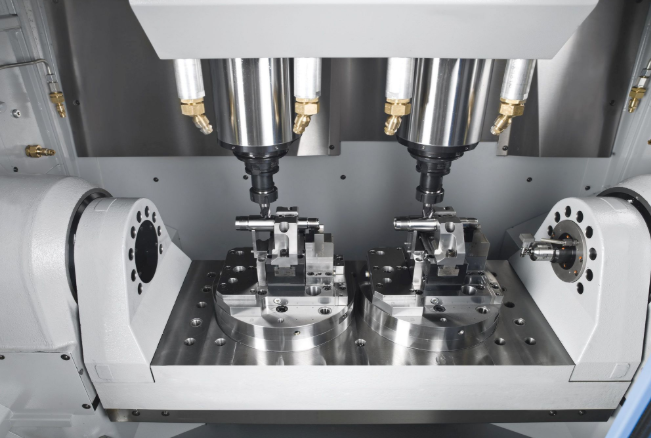
Factories now collect large amounts of data. Machines record spindle speed, vibration, heat, and tool wear. In the past, most of that data went unused. Machine learning changes this. It studies the numbers and finds patterns that people may miss. Shops that adopt these methods gain more control over each job. Advanced capabilities such as Precision 5-axis Machining – AIXI Hardware benefit greatly from this approach. Five axis machines move in complex ways, so small errors can grow quickly. Smart software tracks those movements and keeps them within tight limits. The result is better accuracy on shapes that were once very hard to cut.
Generative AI in Part Design
Generative AI creates design options from a set of goals. An engineer enters the load, the weight limit, the material, and the size. The software then produces many possible shapes. Some look unusual, almost like natural bone or branches. They often use less material while keeping strength high.
This saves time early in a project. Designers no longer need to sketch every idea by hand. They can review dozens of options in an hour. They can then pick the one that fits their needs best.
Generative tools also check if a design can be machined. They look at tool reach, wall thickness, and corner radius. This reduces the number of revisions. A part that is easy to cut is also cheaper to make.
Machine Learning for Toolpath Optimization
A toolpath is the route a cutting tool follows. A poor route wastes time and wears out the tool. A good route removes material smoothly and safely. Machine learning models study past jobs to find better routes.
These models learn which speeds work best for each material. They learn how deep a cut can go before the tool bends. They also learn how to avoid sudden changes in direction. Smooth motion leads to a cleaner surface finish.
Some systems adjust settings during the cut. Sensors send live data to the software. If vibration rises, the system slows the feed rate. If the cut is stable, it speeds up again. This keeps the process efficient without risking the part.
Better Results for Aluminum Components
Aluminum is popular in aerospace, electronics, medical devices, and automation. It is light and strong. It also cuts quickly. Yet it can be tricky. Heat can cause thin walls to warp. Soft chips can stick to the tool and harm the surface.
Machine learning helps manage these risks. It predicts how heat will build up during a job. It then suggests cutting settings and coolant levels to keep the part stable. Quality teams also use image analysis to spot tiny surface flaws early. If you Need Custom CNC Aluminum Parts, working with a shop that uses these tools can improve consistency and shorten lead times. Each batch benefits from lessons learned in earlier runs. That means fewer defects and more reliable delivery.
Predictive Maintenance and Quality Control
Machine downtime is costly. A broken tool can ruin a part and stop production. Predictive maintenance reduces this risk. Machine learning watches signals from the machine. It notices small changes in sound, heat, or vibration. These changes often appear before a failure.
The system then sends an alert. The team can replace a tool or service a spindle at a planned time. This avoids sudden stops and protects the schedule.
Quality control also improves. Automated inspection uses cameras and sensors to measure parts as they come off the machine. AI compares each measurement to the design. It flags any part that drifts out of tolerance. Operators can fix the cause before many bad parts are made. Over time, the system builds a record of what works. That record guides future jobs.
Challenges and Practical Steps
These tools are powerful, but they are not magic. They need good data. If sensors are poor or records are messy, the results will suffer. Shops must also train their people. Machinists still play a key role. They understand materials, fixtures, and real shop conditions. AI supports their judgment. It does not replace it.
Cost can be another concern. Smaller shops may worry about software and sensor upgrades. A practical plan is to start small. Pick one process, such as tool wear tracking. Measure the savings. Then expand step by step.
Data security matters too. Design files often contain sensitive information. Shops should use secure systems and clear access rules. Customers should ask how their data is stored and shared.
Finally, human review remains vital. Generative designs must be checked by an engineer. Machine learning suggestions should be tested on trial parts first. Trust grows when results are proven.
Conclusion
Generative AI and machine learning are changing precision CNC machining in clear and useful ways. They help engineers design lighter parts. They help machines cut faster and cleaner. They warn teams about wear before it becomes a failure. They also strengthen quality checks from the first part to the last.
The technology works best when paired with skilled people and sound data. Shops that take a careful, step by step approach will see the greatest gains. As these tools continue to improve, customers can expect higher accuracy, shorter lead times, and more dependable parts. Precision machining is entering a smarter era, and the benefits are already visible on the shop floor.
