
Think about everything that moves across the internet in a single minute. Video calls with coworkers across the country. Credit card payments at the coffee shop. Movies streaming to living rooms. Emails, photos, and business files zipping from one place to another almost instantly.
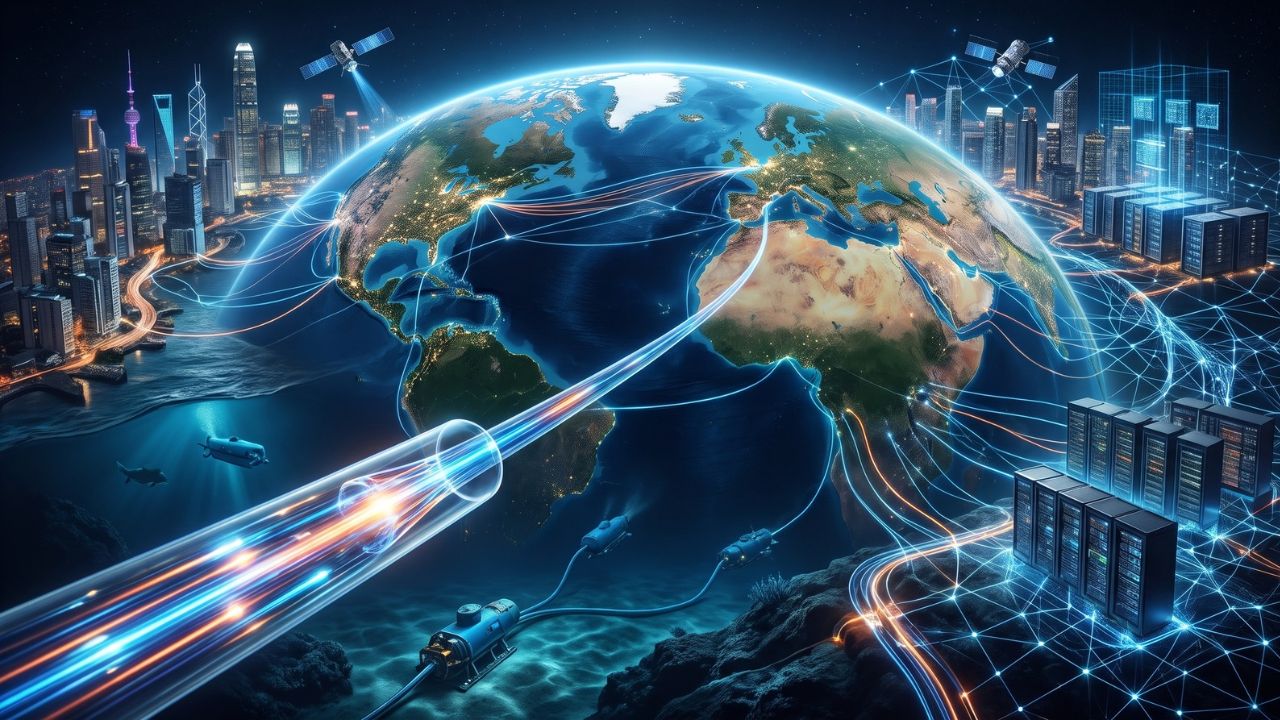
Now for the wild part. Much of that information travels through strands of glass thinner than a human hair. Not copper wires, not radio waves alone, but tiny glass fibers carrying pulses of light buried underground or strung along poles across cities and countries.
It’s one of those everyday miracles nobody really thinks about. Fiber-optic networks quietly power modern life, connecting homes, businesses, hospitals, and schools. Behind every fast connection sits a surprising amount of science, engineering, and good old-fashioned construction work.
How Fiber-Optic Networks Became Essential Infrastructure
Fiber-optic cables carry information using light instead of electricity. Data is converted into light signals, sent through glass fibers, and converted back into electronic data on the other end. That simple idea has transformed how the world communicates.
Building those networks takes a lot more than buying cable. Turnkey fiber solutions can cover the full scope of a project, from planning and design to construction, installation, and coordination. The goal is a finished, working network rather than a pile of separate tasks.
Over time, fiber has become essential infrastructure, much like roads, power lines, and water systems. Businesses depend on it, communities want it, and growing demand for data keeps pushing networks to expand. It’s the backbone that much of digital life quietly runs on, whether people realize it or not.
Why Light Can Carry Information So Effectively
At the center of each fiber is the core, a thin strand of very pure glass where light travels. Surrounding it is a layer called cladding, which has slightly different optical properties. That difference is what keeps the light on track.
The magic is called total internal reflection. When light traveling through the core hits the boundary with the cladding at the right angle, it bounces back into the core instead of escaping. It keeps bouncing along the fiber, carrying information over long distances.
Fiber offers big advantages. It can carry enormous amounts of data, travel long distances with relatively little signal loss, and resist interference from electrical noise. That combination makes it ideal for high-capacity communications, from internet backbones to connections into homes and businesses.
The Massive Construction Effort Behind an Invisible Network
It starts with route planning. Engineers figure out where the fiber should go, considering existing utilities, roads, property lines, and terrain. Permits from local governments and other authorities are often required before any digging begins.
Then comes installation, which can happen underground or overhead. Underground work may involve trenching, where a narrow channel is dug, or directional boring, which drills a path beneath roads and obstacles. Aerial installations attach fiber to utility poles.
Splicing and testing finish the physical work. Fibers are joined with extreme precision so light can pass through connections with minimal loss. Testing confirms signals travel properly from end to end. Every step has to be done right, because small errors can affect performance. Precision is the name of the game.
Why Building a Fiber Network Requires More Than Installing Cable
Project management keeps everything moving. Fiber projects involve crews, equipment, materials, schedules, and budgets, often across large areas. Coordinating all of that takes careful planning and constant communication to avoid delays and budget surprises.
Engineering and utility coordination are essential too. Designs need to account for capacity, future growth, and existing infrastructure. Crews must locate and avoid other underground utilities like gas and water lines. Safety practices protect workers, the public, and the surrounding area during construction.
Documentation and performance verification wrap it up. Detailed records show where fiber runs, how it’s connected, and how it tested. That information becomes invaluable for future maintenance and repairs. Verification confirms the network performs as designed before it carries real traffic.
Conclusion
The internet can feel weightless, like something floating invisibly in the air. But much of it travels through very real strands of glass, buried underground or strung overhead, carrying light across cities and continents.
Building that infrastructure takes planning, permits, engineering, construction, splicing, testing, and careful documentation. Each step matters, because the network has to perform reliably for years, often decades. Shortcuts during construction can haunt a network long after the crews leave.
The digital world depends on a very physical foundation. Every video call, online purchase, and streamed show relies on carefully engineered fiber networks built and maintained by people working in the real world, often where nobody ever sees them.
