
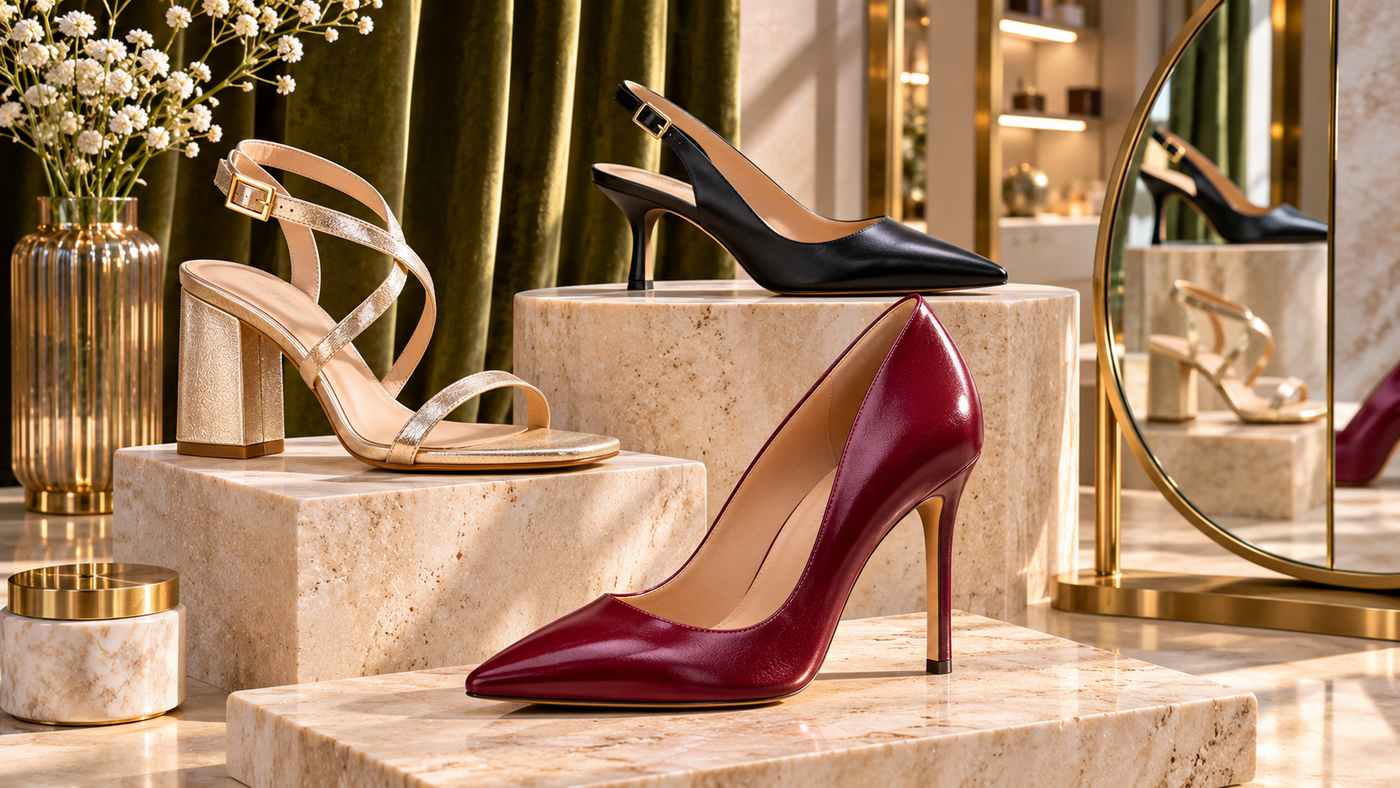
The right pair of shoes can transform an outfit, adding confidence, sophistication, and personality to your overall appearance. Whether you are attending a wedding, dressing for an important business event, or planning an evening out, high heels remain a popular fashion choice because of their versatility and elegant silhouettes.
However, choosing heels involves more than finding an attractive color or fashionable design. Heel height, toe shape, shoe construction, and overall fit influence how comfortably you can move throughout the day.
From classic stilettos and elegant pumps to supportive block heels and fashionable platforms, there are many styles to explore.
This guide explains the different types of heels, how to choose the right pair, nine practical shopping tips, and ways to style your footwear for different occasions without overlooking foot comfort.
Why High Heels Remain a Fashion Essential
Heeled shoes have played an important role in fashion for generations. Their styles have evolved, but they continue to appear in professional wardrobes, formal clothing collections, and contemporary street fashion.
One reason for their popularity is versatility.
A simple black pump can complement a tailored business outfit, while metallic sandals can bring a festive finishing touch to an evening dress.
Heels can also change the visual proportions of an outfit, particularly when paired with wide-leg trousers, long skirts, or tailored dresses.
Nevertheless, the most successful choice is not necessarily the tallest or most expensive design. It is the pair that suits your intended occasion, fits properly, and allows you to move with confidence.
Popular Types of High Heels for Women
Understanding the most common styles helps simplify the buying process.
1. Stiletto Heels
Stilettos are recognized by their narrow, slender heels.
They create a refined silhouette and are frequently associated with formal dresses, evening outfits, and special occasions.
Pointed-toe stiletto pumps are especially popular for elegant styling.
However, narrow heels can offer less stability than wider designs, particularly on uneven surfaces.
They are generally better suited to occasions with limited walking than activities requiring prolonged standing.
2. Block Heels
Block heels have a wider heel base and provide a more substantial contact area with the ground.
They are available in many heights and designs, from closed-toe pumps to open sandals.
A moderate block heel can be a practical choice for dinners, social gatherings, and certain office environments.
Although the wider base may improve stability, overall comfort still depends on heel height, fit, and construction.
3. Platform Heels
Platform heels include a raised section beneath the front of the shoe.
This reduces the height difference between the heel and forefoot compared with a similarly tall shoe without a platform.
The design can change how steeply the foot is positioned.
However, platforms can still create balance challenges, so flexibility, stability, and overall height deserve consideration.
4. Heeled Sandals
Heeled sandals combine elevated heels with open designs and decorative straps.
They are popular for summer celebrations, weddings, vacations, and evening events.
Look for secure straps that hold the foot comfortably without digging into the skin.
Shoes that allow excessive forward sliding can create pressure around the toes.
5. Pumps and Slingback Heels
Classic pumps usually have a closed toe and an enclosed or structured heel area.
Slingbacks feature a strap around the back of the heel instead of a completely enclosed upper.
Both designs can work beautifully with dresses, skirts, and tailored trousers.
A well-fitting slingback should remain secure without rubbing or slipping during ordinary walking.
How to Choose the Right Heel Height
Heel height affects appearance, stability, and the distribution of pressure across the foot.
Lower heels generally place less stress on the forefoot than very high heels.
The American Academy of Orthopaedic Surgeons recommends considering shoes with a wide toe box and a heel lower than two inches for improved everyday foot comfort.
This does not mean every taller heel will cause an injury, but extended wear can increase discomfort and balance-related challenges.
Match Heel Height to Your Activities
Think about how long you will stand or walk.
An outfit for a seated dinner may accommodate footwear that would be impractical for an all-day conference.
Similarly, a wedding held on grass or uneven ground may require a different design from an indoor event.
Choose shoes according to the actual conditions rather than the appearance alone.
9 Smart Tips for Buying and Styling High Heels
1. Prioritize the Correct Shoe Size
Proper sizing is essential.
Your toes should not feel compressed, and your heel should not repeatedly slip out while walking.
Because sizing can differ between brands and designs, review measurements instead of assuming your usual number will always fit.
If possible, try shoes on while standing and walking.
2. Choose a Shape That Fits Your Feet
Foot shape matters as much as shoe length.
Pointed-toe designs can be elegant, but a narrow toe box may create unnecessary pressure.
Look for enough space to move your toes comfortably.
A wider or rounded toe shape may be preferable if you experience pinching or discomfort.
3. Consider Stability Before Heel Height
A slender heel can look sophisticated, but a wider design may provide more stable ground contact.
Think about the surfaces you will walk on.
For unfamiliar venues, uneven sidewalks, or outdoor events, test whether your footwear feels secure before leaving home.
4. Start With Versatile Colors
Black, nude-inspired neutrals, beige, brown, and metallic shades can coordinate with many outfits.
A classic black pump works with business attire and evening clothing.
Neutral sandals complement summer dresses and coordinated separates.
Choose shades that suit your wardrobe rather than purchasing a color solely because it is trending.
5. Examine Materials and Construction
Materials influence flexibility, appearance, and maintenance.
Leather, suede, satin, and synthetic uppers have different characteristics.
Check the lining, sole, heel attachment, stitching, and overall finish.
A beautiful material is not automatically comfortable; evaluate the entire shoe.
6. Check Cushioning and Underfoot Support
Inspect the insole and the area beneath the ball of the foot.
Some heels include cushioning or padding, while others have relatively firm interiors.
Removable or suitable inserts may improve comfort in certain shoes, but they cannot correct a fundamentally poor fit.
Do not assume that thicker padding will make extremely high heels suitable for prolonged wear.
7. Match Your Heels With the Occasion
Formal events, professional settings, and casual outings call for different footwear.
Classic pumps may suit a dressier office environment, while strappy metallic heels can complement special occasion outfits.
Block-heel sandals may work well with relaxed summer clothing.
Aim for a coordinated appearance without sacrificing practicality.
8. Test the Shoes Before an Event
Do not save an unfamiliar pair for the first time until the day of a major celebration.
Try walking on a safe, level surface at home.
Check for slipping, pinching, or unusual pressure.
A shoe that causes pain during a short fitting is unlikely to become a reliable choice for hours of wear.
9. Build a Small, Versatile Collection
You do not need numerous pairs to create stylish outfits.
A classic neutral pump, a moderate block heel, and one special-occasion sandal can cover many needs.
Choose styles that work with several items already in your wardrobe.
Buying fewer well-fitting pairs is often more practical than purchasing shoes you rarely wear.
How to Style High Heels for Different Occasions
Professional and Business-Casual Outfits
Closed-toe pumps in black, taupe, or another understated shade can complement tailored trousers and structured skirts.
For workplaces that permit heels, a moderate heel height may be easier to manage during everyday activities.
Always consider the workplace dress code and how much walking your role requires.
Weddings and Evening Celebrations
Metallic sandals, elegant pumps, and dressy slingbacks can work beautifully with eveningwear.
Consider the venue before selecting footwear.
Outdoor celebrations may call for a broader heel base, while indoor events can accommodate a wider variety of styles.
Casual and Weekend Fashion
Heeled sandals can be paired with straight-leg jeans, midi skirts, or relaxed dresses.
For a balanced look, combine a statement shoe with simpler clothing.
A colorful heel can also bring personality to an otherwise neutral outfit.
Shopping for High Heels Online
Online shopping makes it easy to compare colors, silhouettes, and designs.
However, photographs cannot fully communicate comfort or fit.
Check the material details, size guide, heel height, toe shape, customer policies, and product descriptions before ordering.
For example, shoppers exploring high heels through ALDO’s UAE collection can look for different footwear categories and styles.
ALDO’s regional offerings include heeled shoes and heeled sandals, with collections organized by heel height and type.
Because the supplied website serves the UAE market, US customers should not assume that its inventory, pricing, or shipping arrangements match the American storefront.
It is better to verify availability through the relevant regional website.
What to Check Before Checkout
Review the return policy, especially if the shoes are for a particular event.
Confirm whether sale items qualify for returns or exchanges.
Check sizing conversions carefully when shopping between countries.
Keeping the original packaging until you are satisfied with the fit may also simplify eligible returns.
How to Wear High Heels More Comfortably
Comfort begins with proper selection.
Choose shoes that accommodate your foot shape and do not create pressure during a short fitting.
When practical, alternate fashion heels with lower, supportive footwear during activities requiring extended walking or standing.
For special events, consider carrying a comfortable alternative for travel or the journey home.
The American Podiatric Medical Association advises choosing lower, more stable heels to reduce certain foot and ankle risks.
Persistent discomfort should not be ignored.
Pain, swelling, tingling, or repeated pressure may indicate that the shoe is unsuitable or that professional assessment is needed.
How to Care for Your High Heels
Proper care helps preserve both appearance and function.
Wipe smooth surfaces with products appropriate to the material.
Use suitable brushes and cleaners for suede, and follow the manufacturer’s guidance for delicate finishes.
Store shoes away from excessive moisture and direct heat.
Inspect heel tips and soles periodically for wear.
If a heel becomes loose or the sole loses traction, arrange professional repair before wearing the shoes again.
Avoid attempting structural repairs with unsuitable household adhesives.
Common Mistakes to Avoid
One frequent mistake is buying heels solely because they look fashionable.
Another is choosing a smaller size in the hope that the material will eventually stretch.
Shoes should feel reasonably comfortable when first tried on.
Also avoid assuming that all block heels are comfortable or that all stilettos fit identically.
Fit, construction, heel height, and the intended activity all matter.
Finally, remember that footwear designed for special occasions may not be suitable for everyday walking.
Frequently Asked Questions
1. What type of high heels is best for beginners?
Moderate-height block heels are often easier to balance in than very tall stilettos. Choose a secure, properly fitting design and test it on a safe surface.
2. Are high heels suitable for everyday wear?
Frequent or prolonged use of higher heels can increase pressure on the forefoot. Lower, supportive shoes are generally preferable for activities involving extensive walking or standing.
3. How can I make high heels more comfortable?
Choose the correct size, a suitable toe shape, secure straps, appropriate cushioning, and a manageable heel height. Stop wearing shoes that cause persistent pain.
4. What color high heels match most outfits?
Black, beige, taupe, brown, and certain metallic shades are versatile. The best option depends on your wardrobe colors, personal preferences, and the occasion.
Conclusion
High heels can be a beautiful addition to a modern wardrobe when chosen thoughtfully. From elegant pumps to block-heel sandals, different styles offer opportunities to create polished looks for work, celebrations, and social occasions.
Prioritize fit, suitable heel height, stable construction, and practical comfort before making a purchase.
The right pair should complement your clothing while allowing you to move comfortably and confidently.
