
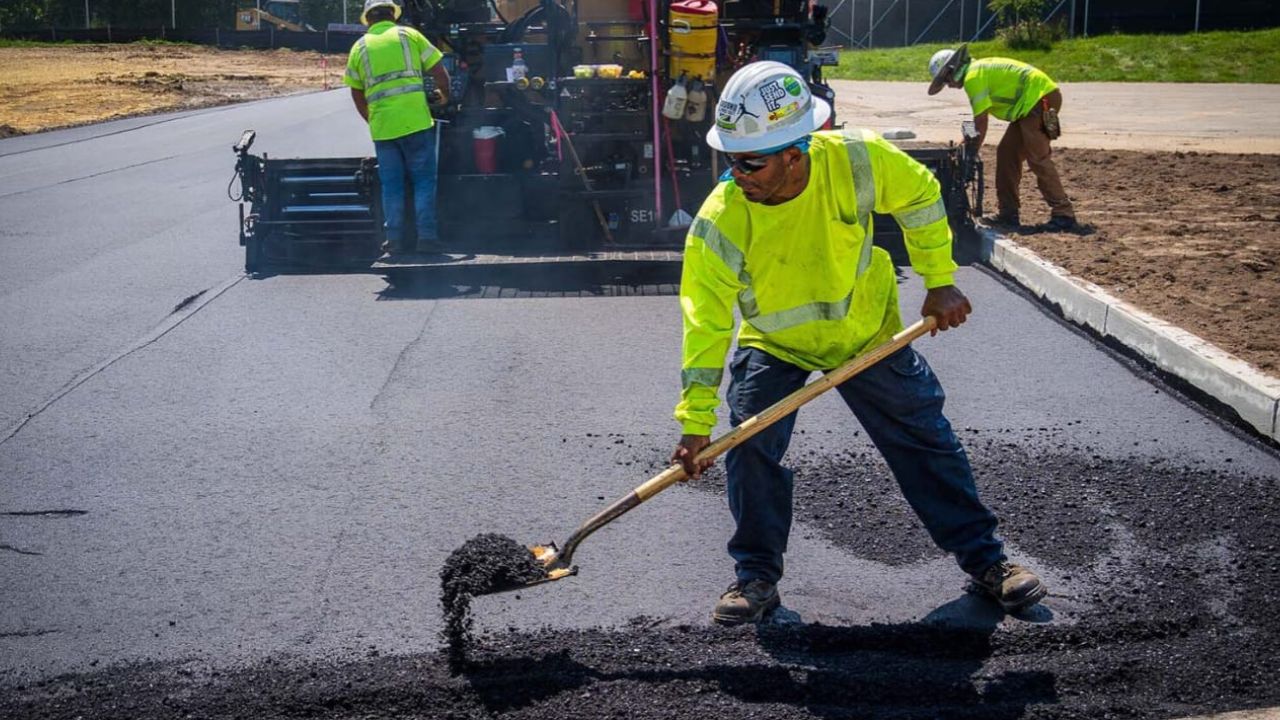
Asphalt is one of the most widely used construction materials in the world. It plays an important role in building roads, highways, parking lots, driveways, airport runways, and other paved surfaces. Known for its durability, flexibility, and ability to withstand heavy traffic, asphalt provides a practical solution for developing reliable transportation infrastructure.
Although most people encounter asphalt every day, they may not understand what it is made of, how it is produced, or why it is preferred for many paving projects. Understanding its composition, applications, and benefits helps property owners, contractors, and construction professionals make informed decisions about paving materials.
What Is Asphalt?
What Is Asphalt? Asphalt is a durable paving material made from bitumen and aggregates, commonly used for roads, driveways, highways, and parking lots.
Asphalt is a dark-colored, sticky, and highly viscous material primarily composed of bitumen and mineral aggregates. Bitumen is a petroleum-based binding material that holds aggregates together, creating a durable surface suitable for construction and paving applications.
Mineral aggregates typically include crushed stone, gravel, sand, and mineral filler. These materials provide strength, stability, and resistance to traffic-related stresses.
When heated and mixed properly, bitumen coats the aggregate particles and creates an asphalt mixture. This mixture can then be transported to a construction site, spread across a prepared surface, and compacted using specialized machinery.
The result is a smooth, durable pavement designed to support vehicles, pedestrians, and other forms of traffic.
Main Components of Asphalt
Asphalt pavement consists of several materials that work together to provide strength and performance.
1. Bitumen
Bitumen is the binding component of asphalt. It is a thick, petroleum-derived material that holds mineral aggregates together. Its adhesive and waterproofing properties help protect pavement structures from moisture penetration.
2. Aggregates
Aggregates make up a significant portion of an asphalt mixture. Crushed stone, gravel, and sand provide structural strength and help distribute traffic loads across the pavement.
The size, shape, and quality of aggregates influence the final surface characteristics.
3. Mineral Fillers
Mineral fillers consist of finely ground materials added to asphalt mixtures to improve their composition and performance. They help fill small spaces between larger aggregate particles and influence the properties of the asphalt binder mixture.
The correct proportions of these materials depend on the intended application and engineering specifications.
How Is Asphalt Made?
Asphalt production generally takes place at specialized asphalt mixing plants. These facilities combine aggregates and bitumen under controlled conditions to create mixtures suitable for different paving projects.
First, aggregates are collected and separated into different sizes. They are then dried and heated to remove moisture and prepare them for mixing.
Next, the heated aggregates are combined with the appropriate amount of bitumen. The materials are thoroughly mixed until the binder coats the aggregate particles evenly.
The finished asphalt mixture is transported to the construction site in specialized trucks. Paving equipment spreads the material across the prepared surface, and rollers compact it to achieve the required thickness and density.
Proper production, transportation, placement, and compaction are essential for creating durable asphalt pavement.
Common Types of Asphalt
Different asphalt mixtures are designed for specific construction requirements.
Hot Mix Asphalt (HMA): Hot mix asphalt is one of the most commonly used paving materials. It is produced and placed at elevated temperatures, allowing the binder to coat aggregates effectively and providing good workability during construction.
It is widely used for highways, roads, parking areas, and commercial paving projects.
Warm Mix Asphalt (WMA): Warm mix asphalt is produced and placed at lower temperatures than conventional hot mix asphalt. Specialized additives or production technologies help improve workability at reduced temperatures.
This approach can reduce fuel consumption during production and may lower emissions associated with heating.
Cold Mix Asphalt: Cold mix asphalt is manufactured using techniques that allow placement without conventional high-temperature heating. It is commonly used for temporary repairs, pothole maintenance, and certain low-volume road applications.
Porous Asphalt: Porous asphalt is designed with interconnected air voids that allow water to pass through the pavement surface. It can help manage stormwater runoff when installed as part of a properly designed drainage system.
Where Is Asphalt Used?
Asphalt has numerous applications across residential, commercial, and industrial construction.
Roads and Highways: Asphalt is widely used for road construction because it provides a smooth driving surface and can accommodate different traffic loads when properly designed.
Driveways: Residential driveways frequently use asphalt because it offers a practical paving solution with relatively straightforward maintenance requirements.
Parking Lots: Commercial properties, shopping centers, offices, and industrial facilities use asphalt parking surfaces because they can accommodate regular vehicle movement and provide clearly defined areas for parking.
Airport Runways: Specialized asphalt pavement systems are used at many airports. These surfaces must meet demanding engineering requirements related to aircraft loads, surface characteristics, and operational safety.
Walkways and Recreational Areas: Asphalt is also used for walking paths, bicycle routes, playground surroundings, and recreational facilities.
Major Benefits of Asphalt Pavement
Asphalt offers several advantages that make it a popular construction material.
Durability: Properly designed and installed asphalt pavement can withstand substantial traffic loads and changing environmental conditions.
Smooth Driving Surface: Asphalt provides a relatively smooth surface that improves driving comfort and helps reduce vehicle vibration.
Efficient Installation: Asphalt paving projects can often be completed relatively quickly compared with some alternative pavement construction methods. This helps reduce road closures and disruptions.
Cost-Effectiveness: Asphalt can offer an economical paving solution because of its availability, construction efficiency, and established maintenance methods.
Recyclability: Reclaimed asphalt pavement can be processed and incorporated into new asphalt mixtures. Recycling helps conserve natural aggregates and reduce the demand for virgin materials.
Maintenance Flexibility: Asphalt surfaces can be repaired using various methods, including crack sealing, patching, resurfacing, and overlay applications.
Understanding Asphalt Installation
Successful asphalt paving begins with proper site preparation.
The existing surface must be evaluated to identify drainage issues, weak areas, and structural problems. Depending on the project, contractors may need to excavate unsuitable materials and install a properly compacted aggregate base.
Once the foundation is ready, the asphalt mixture is delivered and placed using a paving machine. The material is distributed evenly to achieve the specified thickness and surface profile.
Compaction follows immediately while the mixture remains workable. Rollers apply pressure to achieve the required density and create a stable pavement structure.
Proper drainage is another important consideration. Water accumulation can weaken pavement layers and contribute to premature deterioration.
Asphalt Maintenance and Repair
Although asphalt is durable, regular maintenance helps extend its service life.
Crack sealing is commonly used to prevent water from entering small pavement cracks. Pothole repairs address localized surface damage, while resurfacing can restore the condition of aging pavement.
Sealcoating may also be applied to certain asphalt surfaces to provide an additional protective layer and improve appearance. However, it does not replace structural repairs or correct underlying pavement failures.
Property owners should arrange periodic inspections to identify developing problems before they become more extensive.
Asphalt vs. Concrete
Asphalt and concrete are two commonly used pavement materials, but they have different characteristics.
Asphalt generally offers faster installation and easier localized repairs. Its dark surface can also provide good traction characteristics when properly designed and maintained.
Concrete is known for its rigidity and can be suitable for applications requiring specific structural properties and long service periods.
The best option depends on project requirements, expected traffic, climate, construction costs, maintenance expectations, and engineering considerations.
Conclusion
Asphalt is an essential construction material used in roads, highways, driveways, parking lots, and many other paved surfaces. Its combination of bitumen and mineral aggregates creates a flexible and durable pavement capable of supporting different traffic requirements.
With benefits such as efficient installation, cost-effectiveness, recyclability, and practical maintenance options, asphalt continues to play an important role in modern infrastructure development. Understanding its composition, production process, applications, and maintenance requirements helps property owners and construction professionals choose appropriate paving solutions for their projects.
