
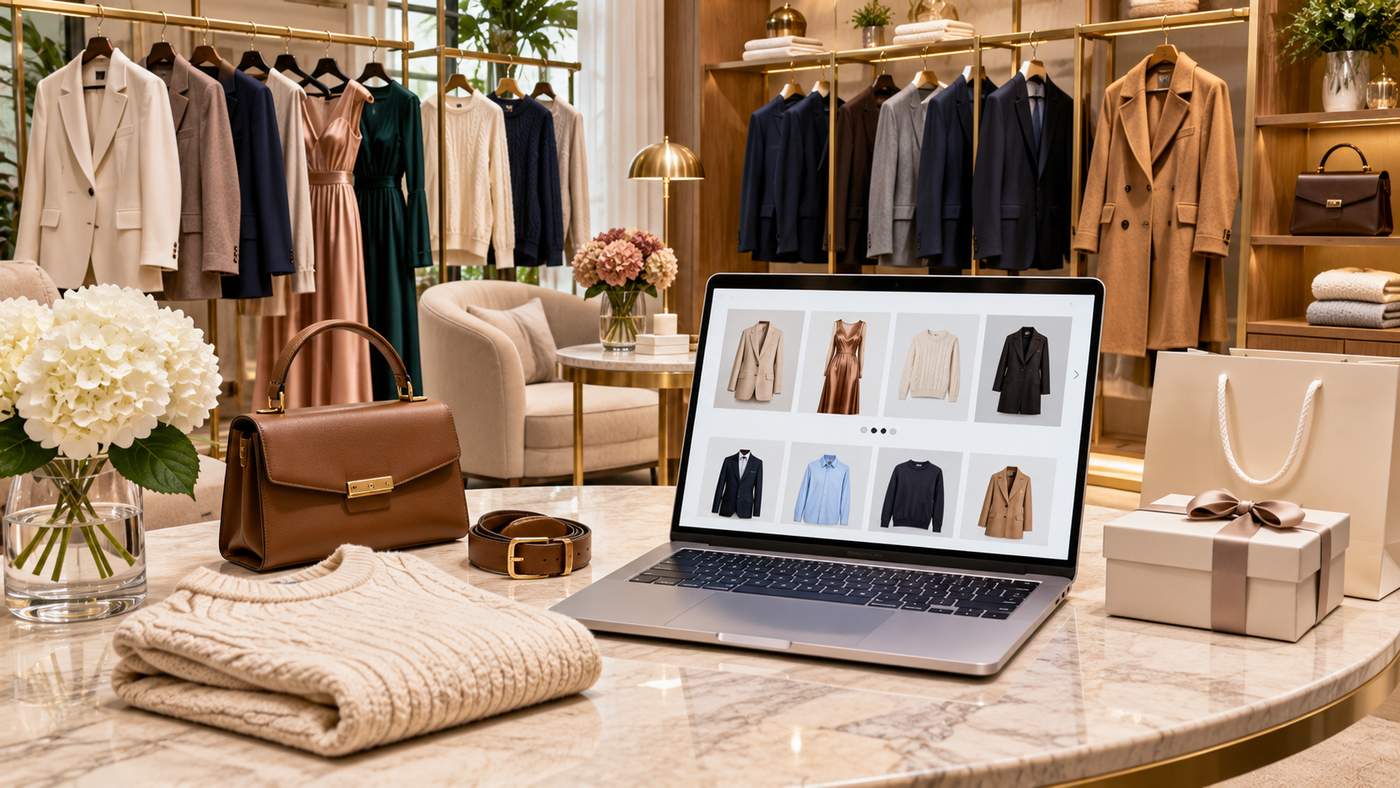
Luxury fashion shopping has moved far beyond exclusive boutiques and department stores. Today, shoppers can explore designer collections, compare premium fabrics, and order investment wardrobe pieces from retailers around the world. However, knowing where to buy luxury clothes online requires more than finding an attractive product photograph or a recognizable designer label.
High-end clothing can involve substantial spending, making authenticity, sizing, garment quality, delivery protection, and return policies especially important. A beautifully presented website does not always guarantee that the seller is authorized, that the item matches its description, or that a return will be straightforward.
Established luxury retailers offer designer clothing across different categories, from tailored jackets and silk dresses to cashmere knitwear, eveningwear, and contemporary streetwear. Their approaches vary, with some operating curated retail stores and others connecting shoppers to independent boutiques.
This comprehensive guide explains how to identify reputable shopping platforms, recognize counterfeit warning signs, compare designer clothing, find the correct size, and make more informed luxury fashion purchases.
Why Buy Luxury Clothes Online?
Online luxury shopping gives consumers access to collections beyond what may be available in nearby physical stores.
Customers can compare styles, inspect product details, review size measurements, and explore designs from international fashion houses.
For shoppers who live outside major fashion capitals, online retailers may provide access to clothing that is otherwise difficult to find locally.
Access to International Designer Collections
Luxury fashion platforms carry garments from established designers and emerging labels.
Their selections may include seasonal runway pieces, classic wardrobe essentials, limited collections, and previous-season merchandise.
Availability depends on the brand, retailer, product category, and delivery destination.
Convenient Price and Style Comparisons
Online shopping makes it easier to compare clothing across several retailers.
However, identical garments may have different prices because of currency conversion, regional pricing, retailer promotions, and import charges.
The lowest advertised price is not always the lowest final cost.
More Time to Research Quality
When you buy luxury clothes online, you can examine fabric descriptions, sizing charts, care requirements, and product photographs before deciding.
This can encourage more deliberate shopping than purchasing an expensive garment solely because it looks attractive on a mannequin.
Where Can You Buy Authentic Luxury Clothes Online?
Several established retailers provide access to designer fashion. Their business models, collections, and customer-service arrangements differ.
| Luxury retailer | Shopping focus | What buyers should check |
|---|---|---|
| Mytheresa | Curated designer clothing, accessories, and luxury fashion | Regional delivery and return conditions |
| NET-A-PORTER | Designer womenswear and luxury fashion | Sizing, garment care, and final-sale exclusions |
| MR PORTER | Designer menswear, tailoring, and wardrobe essentials | Return timing and regional fees |
| FARFETCH | Luxury items from brands and partner boutiques | Item origin, delivery charges, and returns |
| SSENSE | Luxury, contemporary, and directional designer fashion | Measurements and specific sale conditions |
| THE OUTNET | Previous-season designer fashion | Available sizes and discounted-item terms |
These are recognized shopping destinations, not guarantees that every product will be suitable for every shopper.
Mytheresa
Mytheresa operates as a luxury multi-brand retailer offering designer fashion across several categories.
The company describes itself as an authorized retailer and states that its products are supplied directly by the brands it stocks.
Its curated collections may appeal to shoppers interested in established luxury labels, premium ready-to-wear, and coordinated wardrobe pieces.
Mytheresa advertises a 30-day return arrangement, although buyers should confirm the applicable country-specific conditions before purchasing.
NET-A-PORTER
NET-A-PORTER focuses on luxury womenswear, shoes, accessories, and designer fashion.
Its editorial presentation can help shoppers discover garments and consider how different pieces work together.
However, buying an expensive item still requires checking individual measurements, fabric composition, and return conditions.
Garments generally need to remain unused and retain the required labels and packaging to qualify for ordinary returns.
MR PORTER
MR PORTER offers designer menswear, including tailoring, knitwear, casual clothing, and fashion accessories.
It may appeal to shoppers building a refined wardrobe around versatile pieces.
Its return policies include specific deadlines and conditions that can vary by location.
Before purchasing, check whether an item is marked final sale and whether any return fees apply.
FARFETCH
FARFETCH connects customers with luxury brands and partner boutiques around the world.
The platform states that its products are authentic, but its marketplace structure means items can originate from different sellers and locations.
FARFETCH explains that prices may vary depending on the supplying boutique and delivery destination.
For shoppers who buy luxury clothes online through international boutiques, it is important to review the final checkout price, return process, and delivery terms.
SSENSE
SSENSE is known for combining luxury fashion with contemporary and directional designer collections.
The retailer states that its inventory is sourced directly from designers and suppliers.
Its product pages include sizing and measurement information that can help customers evaluate fit.
Shoppers should still review the specific garment’s condition, materials, and current return eligibility.
THE OUTNET
THE OUTNET specializes in luxury designer fashion from previous seasons.
It can appeal to shoppers seeking high-end garments at lower prices than their original seasonal retail positioning.
However, a discount alone does not establish good value.
Check whether the design, fit, condition, and return terms make the item a worthwhile purchase.
23 Trusted Shopping Secrets for Buying Luxury Clothes Online
1. Start With Established Luxury Retailers
Before purchasing designer fashion, evaluate the retailer itself.
Recognized multi-brand retailers and official designer websites generally provide more transparent business information than unfamiliar sellers.
Look for verifiable contact details, clear policies, and a reliable purchase process.
When exploring where to buy luxury clothes online, prioritize seller credibility over unusually attractive discounts.
2. Understand the Difference Between Retailers and Marketplaces
Some luxury websites sell inventory purchased directly from brands.
Others connect customers with independent boutiques or third-party sellers.
Both models can provide authentic products, but order fulfillment and return responsibilities may differ.
Understand who supplies the garment, who processes the payment, and where the return must be sent.
This becomes particularly important for international orders.
3. Verify Designer Clothing Authenticity
Authenticity is one of the most important considerations in luxury shopping.
Check the seller’s sourcing claims, product descriptions, packaging information, and reputation.
Some brands provide product-specific authentication features, although their availability and format vary.
A missing authenticity card does not automatically mean a garment is counterfeit.
Likewise, attractive packaging or a convincing label is not proof that an item is genuine.
4. Be Cautious With Unrealistic Discounts
Luxury fashion sometimes receives substantial markdowns during seasonal sales.
However, extremely low prices for highly sought-after current-season products can be a warning sign.
The Federal Trade Commission advises consumers to investigate unusually inexpensive brand-name goods because they may be counterfeit or stolen.
Before deciding to buy luxury clothes online from an unfamiliar seller, compare the offer with established retailers and verify the business.
5. Examine Fabric Composition Carefully
Premium clothing should be evaluated by material quality, construction, and suitability rather than price alone.
Look for specific information about wool, silk, cotton, cashmere, linen, leather, or synthetic blends.
A luxury label does not automatically mean that every material is natural or that every garment will have the same maintenance requirements.
Consider how the fabric performs in your climate and daily routine.
6. Compare Garment Construction Details
Pay attention to visible seams, lining, buttons, closures, and fabric finishing.
For tailoring, consider shoulder structure, lapel shape, and how the garment is designed to drape.
For knitwear, examine the material description and care instructions.
Product photographs may not reveal every construction detail, so request additional information when making an expensive purchase.
7. Learn Each Brand’s Sizing System
Designer sizing differs between brands, garment categories, and collections.
A size that fits in one label may not fit in another.
International conversions between UK, US, Italian, French, and European sizes are useful starting points but should not replace garment-specific measurements.
When planning to buy luxury clothes online, review the product’s actual size chart rather than relying only on your usual dress or jacket size.
8. Measure Your Body and Existing Clothes
Measure your chest or bust, waist, hips, shoulders, and other relevant areas.
For clothing you already own, compare the dimensions of a garment that fits well.
This can be particularly helpful when choosing jackets, trousers, dresses, and tailored coats.
Remember that body measurements and garment measurements are not identical.
The difference between them creates the ease necessary for movement and the intended fit.
9. Understand Oversized and Tailored Fits
A designer garment may deliberately have a relaxed or oversized silhouette.
Another item may be closely tailored.
Do not automatically choose a smaller size because a piece appears loose in photographs.
Read the fit description and review available model measurements.
Consider whether the intended silhouette matches your preferences and how you plan to wear the garment.
10. Check Multiple Product Photographs
A front-facing product image cannot reveal every detail.
Look for photographs showing the back, sides, fabric texture, and garment worn on a model.
Zoom in where the retailer provides high-resolution images.
If only generic or heavily edited pictures are available, request further information before purchasing an expensive item.
11. Read the Complete Product Description
Check the fabric, lining, fastening, fit, country of manufacture where provided, and care requirements.
A product name such as luxury wool coat may not explain whether the item contains a substantial wool percentage.
The exact material breakdown matters.
When you buy luxury clothes online, the description should answer practical questions rather than relying entirely on promotional language.
12. Compare Prices Across Reputable Stores
Designer clothing prices may vary between legitimate retailers.
Differences can result from seasonal promotions, local pricing, stock availability, and currency conversion.
Compare the same product using its exact name, colour, and model code where available.
Do not compare a previous-season version with a newer piece without noticing the distinction.
13. Calculate the Complete Checkout Cost
The listed price may not include every charge.
International purchases can involve shipping fees, import duties, taxes, and currency-conversion costs.
Some retailers show duties and taxes at checkout, while other shipping arrangements may leave charges due upon delivery.
Before placing an order, determine the total amount you are responsible for paying.
14. Review the Return Policy Before Buying
Luxury garments can be expensive to return internationally.
Check how many days you have, whether the item must remain unworn, and which original labels must stay attached.
Find out whether sale items, altered garments, or special orders are excluded.
A retailer with a clear return process may offer better practical value than a cheaper seller with restrictive conditions.
15. Keep Designer Tags Attached Until You Decide
Many luxury retailers require returned clothing to remain unused and retain its original tags.
Try garments on carefully in a clean indoor environment.
Avoid removing protective labels before confirming fit.
Do not arrange alterations or wear the garment outside if you may need to return it.
16. Compare Seasonal Sales Strategically
Previous-season collections can provide opportunities to purchase quality garments at reduced prices.
However, popular sizes may become unavailable quickly.
Create a shortlist before a sale rather than buying items only because the discount appears substantial.
A discounted garment that does not fit your wardrobe is still an unnecessary expense.
17. Invest in Versatile Wardrobe Essentials
Consider how often an expensive item will be worn.
A well-fitting coat, neutral knitwear, classic blazer, or versatile pair of trousers may support several outfits.
A bold statement piece can also be worthwhile when it genuinely suits your style.
When deciding to buy luxury clothes online, evaluate expected use instead of assuming the highest-priced product is the best investment.
18. Use Cost Per Wear as a Planning Tool
Cost per wear divides the purchase price by the number of times a garment is worn.
For example, a hypothetical $600 coat worn 120 times has a purchase cost of $5 per wear.
This simple calculation can help compare a frequently worn staple with an occasional outfit.
It does not include cleaning, alterations, repairs, or resale value, so treat it as a planning aid rather than a precise measure of value.
19. Consider Pre-Owned Luxury Fashion Carefully
Pre-owned designer clothing can offer access to older collections and discontinued styles.
It may also support longer use of existing garments.
However, condition varies.
Review photographs of the actual item, signs of wear, alterations, stains, and the authentication process.
Read the seller’s protection and return terms before purchasing.
20. Protect Your Payment Information
Use a trustworthy checkout process and an appropriate payment method.
The FTC recommends credit cards as a useful option because they provide protections in certain purchase disputes.
An HTTPS connection helps protect information in transit, but it does not establish that the seller is legitimate.
Avoid sellers insisting on irreversible or unusual payment methods.
21. Check International Shipping Restrictions
Not every retailer ships every brand or product to every country.
Some designers have regional distribution restrictions.
Additional documentation or delivery requirements may apply to certain products and materials.
For international shoppers planning to buy luxury clothes online, confirm destination eligibility and delivery methods before placing the order.
22. Research Garment Care Before Purchasing
Some expensive garments require professional dry cleaning, hand washing, specialist storage, or additional care.
A cashmere sweater, silk blouse, and structured wool coat may have different maintenance requirements.
Review the care label and manufacturer’s guidance.
A garment that is difficult to maintain may be a poor match for frequent everyday use.
23. Build a Personal Luxury Shopping Checklist
Before completing a purchase, confirm the seller, authenticity information, fabric, size, total price, and return conditions.
Check whether the garment coordinates with your existing wardrobe.
Then consider whether you would still want it without the promotional discount.
This final evaluation can help reduce impulse purchases and improve long-term satisfaction.
How to Identify Authentic Luxury Clothing Online
Authenticity concerns are especially important when shopping outside established retail channels.
Counterfeit products can imitate labels, packaging, and product photographs.
A reliable evaluation looks at several factors together.
Check the Retailer’s Relationship With the Brand
Some fashion houses operate their own e-commerce websites.
Others distribute products through authorized retail partners.
Where available, use the designer’s official retailer information to verify a seller.
A website claiming to be an authorized distributor should provide information that can be independently checked.
Compare Product Details
Review the product name, fabric composition, colour, collection, and photographs.
Unexpected differences may justify further questions.
However, legitimate products can vary between seasons and markets.
One unusual label detail does not always establish that an item is counterfeit.
Evaluate Seller Transparency
A credible seller should provide clear business information, customer service details, payment terms, and an understandable return process.
Be cautious about sellers refusing to explain where the product comes from.
Understand the Limits of Packaging
Designer dust bags, boxes, garment tags, and authenticity cards can provide context.
They are not individually conclusive evidence of authenticity.
Sophisticated counterfeit products may reproduce packaging.
What If an Item Appears Counterfeit?
Contact the seller promptly and preserve the purchase documents, photographs, and packaging.
Follow the retailer’s dispute process.
If the issue cannot be resolved, contact the payment provider about available protections.
Avoid making alterations or destroying the item before the dispute has been assessed.
How to Choose Luxury Clothing for Your Personal Style
Luxury shopping should begin with the wardrobe you actually wear.
A well-planned selection of clothing can provide more versatility than numerous statement purchases.
Build a Strong Wardrobe Foundation
Consider tailoring, neutral knitwear, well-fitting trousers, comfortable shirts, and suitable outerwear.
The exact pieces depend on lifestyle, climate, and personal preferences.
Formal office wear may be important for one shopper, while relaxed premium clothing may be more useful for another.
Choose Colours That Work Together
A coordinated colour palette makes it easier to combine garments.
Black, navy, grey, cream, brown, and other versatile shades can form a foundation.
Accent colours add individuality without requiring an entirely separate wardrobe.
Prioritize Fit Over Brand Recognition
A well-fitting garment often appears more polished than an expensive piece that sits awkwardly.
Consider whether minor professional alterations are possible.
However, avoid assuming every design can be resized without affecting its intended shape.
Balance Trends With Longevity
Fashion trends can provide inspiration.
But a garment does not need to be timeless to be worthwhile.
The more useful question is whether its design, quality, and fit justify the cost for your own wardrobe.
Luxury Fashion Materials Worth Understanding
Material descriptions can help explain why garments feel and behave differently.
| Material | Common appeal | Care considerations |
|---|---|---|
| Cashmere | Softness and warmth | Pilling, gentle cleaning, storage |
| Wool | Structure and insulation | Shrinkage and garment-specific care |
| Silk | Smooth texture and drape | Snagging, staining, delicate cleaning |
| Linen | Breathability and relaxed appearance | Wrinkling and care requirements |
| Cotton | Versatility and comfort | Quality depends on yarn, weave, and construction |
| Leather | Distinctive texture and durability potential | Conditioning and specialist care |
Material quality also depends on manufacturing, finishing, and construction.
A natural fibre is not automatically superior in every use case.
When choosing where to buy luxury clothes online, consider the product’s actual specification rather than relying on vague claims about premium fabrics.
How Much Should You Spend on Luxury Clothes?
Luxury fashion prices vary widely by designer, category, materials, construction, retail location, and season.
There is no single appropriate budget for every shopper.
A sensible approach is to establish a spending limit before browsing.
Set a Category-Based Budget
Separate purchases into essentials, occasional clothing, and discretionary statement pieces.
A professional wardrobe may justify different spending priorities from formal eveningwear.
Evaluate Quality and Practicality
Consider whether the item offers a desirable fit, suitable materials, useful versatility, and acceptable maintenance requirements.
Price alone does not guarantee these qualities.
Watch for Additional Expenses
Tailoring, specialist cleaning, taxes, delivery charges, and returns can affect the overall cost.
A garment that requires frequent paid maintenance may be more expensive to own than expected.
Avoid Treating Clothing as a Guaranteed Investment
Some collectible fashion pieces attract resale demand.
However, resale prices can be unpredictable, and most clothing should not be assumed to appreciate in value.
Buy items because they meet your needs and preferences, not because a seller promises future returns.
Buying Luxury Clothes Online During Sales
Sale shopping can be useful when approached deliberately.
The strongest purchases are garments that you would consider even without the discount.
Create a Wishlist Before Promotions
Save the exact products, sizes, and colours you genuinely want.
This makes comparisons easier when discounts appear.
Compare the Final Price
Currency conversion and shipping charges can change the value of a promotion.
Look at the final payable amount rather than the percentage discount.
Verify Sale Return Policies
Some retailers offer ordinary returns on discounted merchandise.
Others mark specific products final sale.
Check the individual product conditions before paying.
Avoid Rushing Because of Artificial Urgency
Limited stock can be genuine.
However, pressure-driven marketing should not replace evaluation of fit, price, and seller reliability.
When shopping for designer fashion, a missed sale is often less costly than a purchase that cannot be returned.
International Delivery and Customs for Designer Clothing
International shoppers may face additional considerations when purchasing luxury fashion.
Check Delivery Coverage
Confirm that the retailer ships the desired product to your country.
Availability can vary by brand and item.
Understand Duties and Taxes
Some online retailers collect import duties during checkout.
Others may use delivery arrangements where charges are collected separately.
Check the shipping terms carefully to avoid unexpected costs.
Review Delivery Tracking
Use the courier tracking information provided by the retailer.
Keep purchase confirmations and shipping records until the item is received and accepted.
Know the Return Shipping Procedure
International returns may require specific courier arrangements or customs paperwork.
Do not assume that returning a parcel from another country is free.
A reputable retailer should explain the applicable process.
Common Mistakes When You Buy Luxury Clothes Online
One of the most frequent mistakes is choosing a garment because of its designer label rather than its fit and usefulness.
Another is assuming that expensive clothing will automatically have superior construction.
Shoppers may also forget to compare measurements, review fabric care, or account for import charges.
Buying the Wrong Size
Designer size conversions can be inconsistent.
Use measurements and seek customer-service guidance when necessary.
Ignoring Return Deadlines
Missing a return deadline may turn a correctable sizing problem into an expensive purchase.
Review the policy before ordering.
Trusting Counterfeit Websites
Professional-looking photographs and payment pages do not prove that a seller is legitimate.
Check independent information and avoid unrealistic offers.
Overlooking Material Care
A garment that cannot be maintained appropriately may deteriorate faster than expected.
Choose fabrics suited to your routine.
Purchasing Only Because of Discounts
A substantial markdown does not make an unsuitable garment a good purchase.
Focus on wardrobe value rather than the advertised saving.
A Practical Luxury Online Shopping Checklist
Before placing an order, confirm the following:
- The retailer has a verifiable business identity and reliable reputation.
- The garment’s authenticity information is satisfactory.
- The product description explains the materials and fit.
- Your selected size is supported by relevant measurements.
- The final price includes the charges you expect.
- Shipping is available to your destination.
- The return conditions are clear and acceptable.
- The chosen payment method provides appropriate protections.
- You understand any specialist cleaning or alteration requirements.
- The garment fits your wardrobe and actual lifestyle.
Following a consistent checklist can make it easier to buy luxury clothes online while reducing avoidable uncertainty.
Frequently Asked Questions
1. Where is the best place to buy luxury clothes online?
Established options include official designer websites, Mytheresa, NET-A-PORTER, MR PORTER, FARFETCH, SSENSE, and THE OUTNET. The best retailer depends on the brands, availability, delivery destination, and return policy.
2. How can I tell whether luxury clothing is authentic?
Purchase through credible retailers, review the product information, verify seller claims, and check available brand documentation. Packaging or a designer tag alone does not prove authenticity.
3. Is it safe to buy designer clothes online?
It can be safe when using reputable retailers, secure payment methods, clear return policies, and appropriate authenticity checks. Be cautious of unfamiliar sellers advertising implausibly low prices.
4. Can I return luxury clothing purchased online?
Many retailers accept eligible returns within stated periods, but conditions vary. Garments often must remain unworn with original labels attached. Check final-sale and international return restrictions.
5. How can I find luxury clothes at lower prices?
Compare recognized retailers, review previous-season collections, and check genuine seasonal promotions. THE OUTNET is one example of a retailer specializing in previous-season designer fashion.
6. What should I check before buying expensive designer clothing?
Verify the seller, product authenticity, fit, fabric, care instructions, total price, shipping charges, and return eligibility. Make sure the garment matches your personal style and intended use.
Conclusion
Learning how to buy luxury clothes online involves combining style preferences with careful research and practical buying decisions. Reputable retailers, accurate measurements, authentic products, and transparent return policies can make high-end fashion shopping more dependable. Comparing complete costs and choosing garments suited to your lifestyle helps ensure that expensive purchases offer genuine personal value. A thoughtful approach allows shoppers to enjoy designer fashion without unnecessary financial or authenticity risks.
