
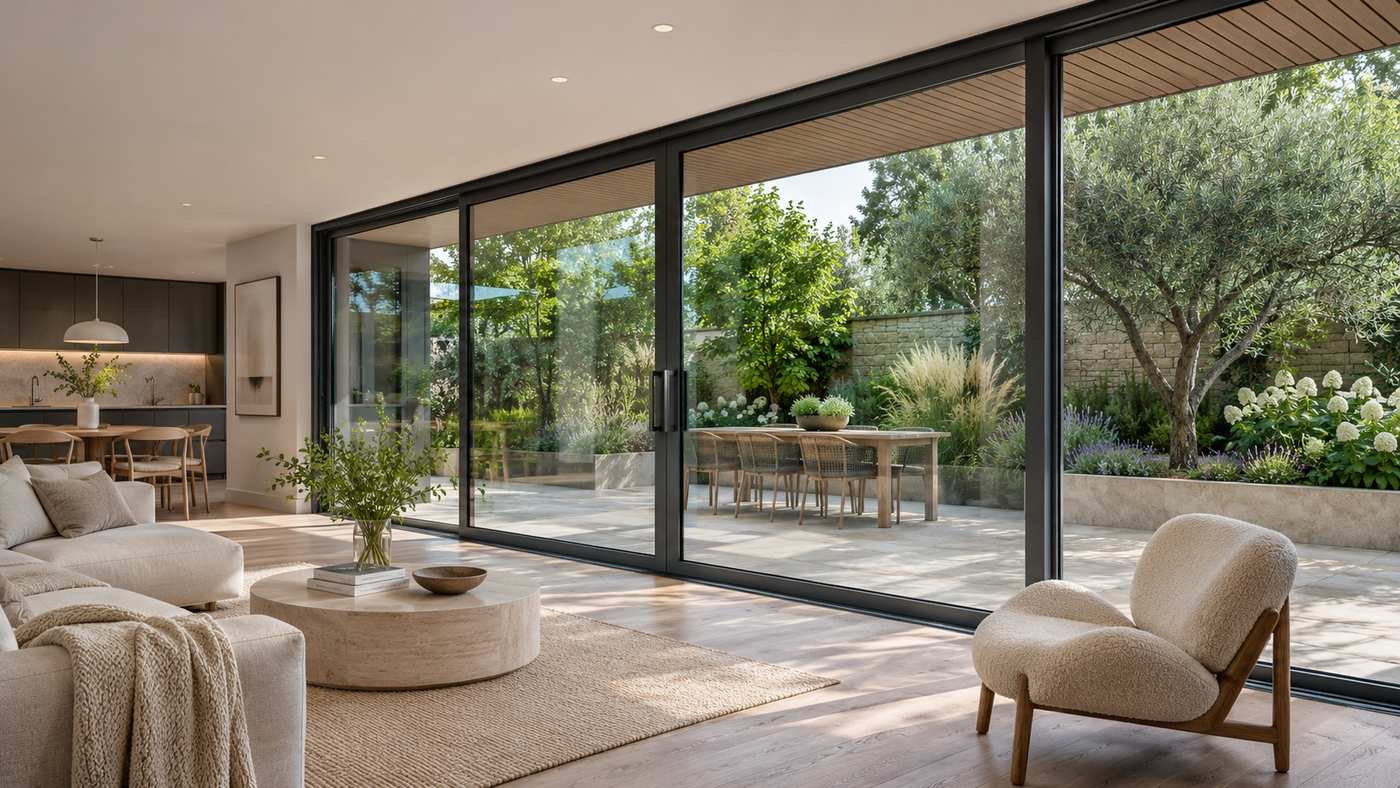
A door influences far more than the appearance of an entrance. It affects daylight, everyday access, weather protection, thermal comfort, and the way people move between spaces. When choosing aluminum doors, homeowners, architects, and commercial property managers should compare complete door systems rather than selecting a frame simply because it looks attractive in a catalogue. Glass, seals, hardware, thresholds, installation quality, and verified performance ratings all influence the result.
Aluminum is widely used in contemporary construction because it can be shaped into precise profiles, finished in many colors, and paired with large areas of glazing. Yet one aluminum door is not interchangeable with another. A thermally broken patio system may be designed for an insulated exterior wall, while an interior office partition has very different energy and weather requirements. Likewise, a storefront entrance must meet the traffic, accessibility, and safety demands of its building.
This guide covers the main door styles, their benefits and limitations, 17 practical buying considerations, installation planning, maintenance, and the questions that help buyers compare quotations. Technical guidance is based on established fenestration, energy-efficiency, finishing, and accessibility resources. Exact code and product requirements depend on the country, climate, building, and intended application.
What Are Aluminum Doors?
Aluminum doors use aluminum extrusions or other suitable aluminum components to form all or part of a door leaf, surrounding frame, or both. Depending on the design, the opening may contain insulated glass, a solid infill panel, or a combination. The overall assembly may also include thermal breaks, hinges or rollers, locks, gaskets, drainage channels, and a threshold.
Aluminum’s relatively low weight compared with many traditional structural metals can make it useful in large door systems, but weight and strength still depend on the actual profiles and hardware. A frame must be engineered for the intended leaf size, glass weight, location, and operating loads. A product’s appearance does not establish its tested performance.
Why Are Aluminum Frames Popular?
They support clean, narrow-looking profiles, a wide choice of factory finishes, and coordinated door-and-window designs. When appropriately specified and maintained, aluminum is durable and does not rot like timber. It can also be recycled, although the environmental impact of a particular product depends on its source, manufacturing, performance, and service life.
Are All Aluminum Door Systems the Same?
No. Exterior and interior products can have very different construction. A sliding patio door may need insulated glazing, drainage, weather seals, and wind-load testing. An indoor glazed office door might instead prioritize acoustics, privacy, and smooth everyday operation. Always compare the product’s complete specifications against the job.
Main Types of Aluminum Doors
The most useful first decision is how the opening should operate. Each style affects furniture clearance, usable opening width, hardware maintenance, and cost.
| Door style | Typical application | Main advantage | Key consideration |
|---|---|---|---|
| Hinged or French | Entries, balconies, gardens | Familiar operation and broad design choice | Swing clearance and weather sealing |
| Sliding glass | Patios, terraces, balconies | No inward or outward swing area | Track maintenance and effective opening width |
| Bifold or folding | Wide indoor-outdoor connections | Multiple panels create a large opening | Panel stacking space, hardware, and seals |
| Pivot | Architectural entrances | Distinctive large-panel appearance | Thresholds, specialized hinges, and accessibility |
| Commercial storefront | Shops, offices, public entrances | Suitable for frequent use when correctly specified | Code compliance, door closers, and hardware |
| Interior glazed | Offices and room divisions | Light transfer and visual openness | Privacy, acoustics, and suitable safety glass |
Hinged and French Doors
Single- and double-leaf hinged products work for many entrances and patio openings. They can offer straightforward use, but swing direction must be coordinated with furniture, walkways, screens, and escape routes. Larger glazed leaves need hinges and frames designed for their weight.
Sliding Aluminum Doors
Sliding designs are popular where a broad view matters and space for a swinging leaf is limited. Some have two panels; others offer several tracks or lift-and-slide hardware. Check how much of the opening will actually be clear when the door is open, along with track drainage and cleaning requirements.
Bifold and Multi-Panel Systems
Folding panels can connect a living room to a terrace or garden. They require space to stack, suitable support, careful adjustment, and robust weather detailing. The largest possible opening is not necessarily the best option where wind exposure or maintenance demands are high.
Commercial and Interior Systems
Shops may use heavy-duty aluminum entrances with closers, panic hardware, or automatic operators as required. Interior products may emphasize transparent partitions and sound control. These applications should be specified according to their own standards, not borrowed from a residential patio catalogue.
What Are the Benefits and Limitations of Aluminum Doors?
The main advantage is design versatility. Aluminum can accommodate modern finishes, large glazed areas, and many configurations. Unlike unfinished timber, it does not need periodic painting to prevent biological decay. Protective anodized or coated finishes can provide suitable surface durability when matched to the environment.
However, aluminum conducts heat readily. A non-thermally broken exterior frame may lose heat or experience interior condensation under certain conditions. A well-designed thermal break, suitable glazing, and airtight installation are therefore especially important for energy-conscious buildings. The Lawrence Berkeley National Laboratory’s NFRC simulation guidance explicitly identifies thermal bridging as a key consideration for aluminum frames.
Another limitation is that complex sliding, folding, or oversized systems may be expensive to repair when proprietary hardware is unavailable. Check long-term parts support before committing to a particular design.
17 Smart Choices When Buying Aluminum Doors
1. Start With the Purpose of the Opening
Identify whether the door serves a main entrance, a patio, a commercial shopfront, or an interior room. Write down the expected traffic, privacy needs, weather exposure, and desired opening width. The best aluminum doors for an office meeting room may not be suitable for a coastal home’s exterior. Purpose determines which performance criteria matter.
2. Choose the Operating Style Before the Finish
A fashionable color cannot compensate for an impractical layout. Sliding doors preserve floor space; hinged doors need a clear swing path; folding doors require room for stacked panels. Draw the fully opened leaf positions on the floor plan and consider furniture, steps, railings, and screens. Discuss accessibility and emergency egress requirements early.
3. Verify the Complete Frame and Leaf Design
Ask about the frame profile, reinforcement where applicable, maximum panel dimensions, corner construction, and compatible glazing weight. Slender-looking profiles may use quite different engineering. Request a product data sheet rather than assuming two doors with similar photographs perform identically.
4. Select a Thermal Break for Insulated Exteriors
A thermal break separates the interior and exterior portions of a metal frame with a less conductive material. This can reduce heat flow and lower the risk of interior condensation compared with a comparable unbroken frame. For exterior aluminum doors in conditioned spaces, request details of the complete thermally broken system, including the threshold and leaf, rather than a vague claim of insulation.
5. Compare Certified U-Factor Ratings
U-factor measures heat transfer through the rated assembly; lower values indicate less heat transfer. For applicable U.S. residential products, the National Fenestration Rating Council evaluates whole-product performance. A glazing-only rating does not describe the complete frame-and-door system. Review certified information where available and compare against the local energy code and climate needs.
6. Match the Glazing to Sun Exposure
Double or triple glazing, low-emissivity coatings, spacers, and gas fills may influence comfort and efficiency. Solar heat gain coefficient, or SHGC, describes the fraction of solar energy admitted through a rated glazed product; the desirable value depends on climate, orientation, and shading. Do not assume the darkest glass or the highest price provides the best result.
7. Verify Safety Glazing Requirements
Glass in door leaves and adjacent hazardous locations may need compliant safety glazing under the applicable building code. Ask whether specified panes are tempered, laminated, or otherwise suitable for the actual opening. Laminated glass can have additional benefits in some security and acoustic designs, but the entire assembly—not the glass name alone—must be considered.
8. Compare Wind, Air, and Water Performance
Exterior aluminum doors should suit local wind exposure and driving rain. North American fenestration specifications, where applicable, address structural, air-leakage, and water-penetration testing. Ask for the tested rating or project-specific evidence relevant to the proposed dimensions. A door that works well in a sheltered courtyard may not be suitable for a high-rise balcony or exposed coastline.
9. Inspect Weather Seals and Drainage Details
Good performance depends on the meeting points between panels, frames, and thresholds. Check the planned gaskets, brushes, drainage channels, and flashing connections. Some sliding systems are designed to direct water through managed drainage paths; blocking those routes can cause problems. Exterior aluminum doors need an installation detail that manages water, not merely a bead of sealant on the visible edge.
10. Choose Locks and Hardware for the Risk Level
Compare the locking points, cylinder or handle specifications, hinges, rollers, and manufacturer-supported security options. Main entry doors, shopfronts, and interior partitions have different security needs. A multipoint lock may be useful, but it cannot compensate for weak glazing, inadequate frame attachment, or poor installation. Request the relevant system testing rather than accepting claims that a door is impossible to force.
11. Consider Acoustic Privacy
For homes near busy roads and offices requiring private conversations, ask for tested sound-insulation information for the complete door assembly. Glass thickness, laminated interlayers, seals, gaps, and installation can affect performance. A large glazed entrance is not automatically soundproof. Define the noise problem before choosing a solution.
12. Choose a Suitable Anodized or Powder-Coated Finish
Factory finishes offer different colors, textures, and performance characteristics. The Aluminum Anodizers Council identifies architectural anodizing classes for applications including exterior door frames. Powder coatings are another common option. Ask about coating specifications, expected exposure, cleaning requirements, and warranty limitations, particularly near salt spray or industrial pollution.
13. Plan for Coastal and High-Humidity Conditions
Aluminum can provide good corrosion resistance, but environmental exposure, finish quality, fastener selection, and contact with incompatible materials matter. Coastal locations may need enhanced finishing and maintenance. Consult the system manufacturer about dissimilar-metal connections, sealants, and recommended cleaning intervals instead of assuming aluminum is entirely corrosion-proof.
14. Check Accessibility and Threshold Design
A raised track or difficult handle can make a doorway challenging to use. In covered U.S. accessible routes, the ADA Standards generally require at least 32 inches of clear opening width and set specific threshold and maneuvering-clearance rules. These standards do not automatically apply identically to every private home or country. Have the designer assess the actual legal and user requirements before ordering aluminum doors.
15. Compare Complete Installed Quotes
One quote may include the door, glass, hardware, delivery, removal of the old frame, flashing, trim, and disposal. Another may cover only the factory product. Ask for an itemized specification showing glazing, finish, locks, labor, permits where applicable, and warranty coverage. Compare equivalent systems rather than a low headline price.
16. Hire Installers Familiar With the System
Even a well-engineered product can leak or bind when installed out of square, insufficiently anchored, or poorly integrated with the wall. Check relevant contractor qualifications and product-specific installation experience. Request details on shimming, anchoring, water barriers, sealing, and final operating tests. Oversized or heavy glazed panels should be handled by competent crews using appropriate equipment.
17. Plan Cleaning, Adjustment, and Replacement Parts
Before buying aluminum doors, ask how tracks, drains, seals, and moving hardware should be maintained. Find out whether replacement rollers, hinges, locks, and weatherstripping will be available. A practical maintenance plan helps preserve function and may prevent minor issues from becoming costly repairs. Keep the installation documents and product model details for future service.
How Energy Efficient Are Aluminum Doors?
Energy performance depends on the whole assembly. Unbroken aluminum readily conducts heat, while thermally broken profiles and insulated glazing can improve performance. ENERGY STAR explains that qualifying U.S. residential products are tested and verified using NFRC ratings and must meet the relevant efficiency criteria. Not every aluminum door is ENERGY STAR certified, and certification depends on the particular product and applicable requirements.
U-Factor, SHGC, and Air Leakage
U-factor measures overall heat transmission. SHGC addresses solar heat entering through glazing. Air leakage describes unintended airflow through an assembly under specified conditions. A door can have an attractive glazing specification yet perform poorly if the frame, seals, or installation are inadequate.
Thermal Breaks and Condensation
A thermally broken aluminum system can help keep interior frame surfaces warmer in heating conditions, but it cannot eliminate every condensation problem. Indoor humidity, outdoor temperatures, ventilation, and surface temperatures still matter. Ask for whole-product performance and suitable design details instead of relying solely on the phrase thermal break.
What About ENERGY STAR Tax Credits?
Do not assume a current federal tax credit is available. ENERGY STAR’s published exterior-door tax-credit information describes qualifying installations purchased and installed from January 1, 2023, through December 31, 2025. For a purchase in 2026, verify the current law and eligibility independently before budgeting any tax benefit.
How Much Do Aluminum Doors Cost?
Prices vary widely by country, opening size, profile system, glass specification, finish, hardware, structural requirements, and installation conditions. A standard interior glazed door has different cost drivers from a large thermal-break bifold system or a commercial entrance with an automatic operator. Rather than presenting an unsupported universal price, obtain local quotes for a defined specification.
| Cost factor | Why it changes the total |
|---|---|
| Door configuration | Sliding, hinged, bifold, pivot, and commercial systems use different mechanisms |
| Opening size | Larger spans may require specialized profiles and glass handling |
| Glazing | Safety glass, insulated units, coatings, and acoustic options differ in cost |
| Thermal performance | Higher-performing frames and thresholds add design complexity |
| Finish | Standard colors and specialized architectural coatings can have different prices |
| Security hardware | Locks, closers, and access-control components vary |
| Site preparation | Removal, structural correction, and weatherproofing can affect labor |
| Installation | Local wages, access, lifting, and permitting influence the quote |
Is a More Expensive Door Always Better?
No. A premium architectural system may be unnecessary for an internal partition, while a cheap non-thermally broken product may be a poor value for an exposed, conditioned exterior. Compare the door against the intended requirements rather than a prestige label. Costs should also account for maintenance and replacement hardware over the service life.
Ask About Warranties and Exclusions
A warranty may cover the finish, insulated glass seal, operating hardware, or manufacturing defects for different periods. Installation workmanship may be covered separately. Confirm who handles adjustments and service visits, whether coastal exposure changes the terms, and what documentation is required for a claim.
Aluminum Doors vs Wood, Steel, and uPVC
Different materials serve different priorities. Product engineering often matters more than a simple material ranking.
| Material | Potential strengths | Potential limitations |
|---|---|---|
| Aluminum | Slim profiles, finish choice, dimensional stability, large glazed designs | Thermal bridging without suitable design; proprietary hardware costs |
| Timber | Traditional appearance, natural texture, repairable finishes in some systems | Moisture exposure, painting and maintenance needs |
| Steel | Strong architectural profiles and some security-focused systems | Weight, corrosion protection, thermal design requirements |
| uPVC or vinyl | Potentially good insulation and relatively modest routine maintenance | Profile sizes, reinforcement, colors, and heat movement vary |
A well-designed and well-installed system can outperform a poorly specified product made from a theoretically preferable material. Evaluate independently tested characteristics and the project environment before selecting aluminum doors over alternatives.
Residential vs Commercial Aluminum Doors
Residential Entrances and Patios
Homeowners often prioritize views, comfort, security, simple operation, and coordination with windows. Weather-tight installation is central to performance. A large glass wall may also require appropriate shading and a suitable structural opening.
Storefronts and Offices
Commercial entrances must handle their expected traffic and may have accessibility, emergency egress, door closer, security, and fire-protection requirements. Hardware schedules should be coordinated with building use. A normal patio slider is not automatically suitable for a busy shopfront.
Fire-Rated and Specialized Openings
If a fire-rated door assembly is required, select a tested and listed system with the appropriate frame, glazing, hardware, and installation arrangement. An ordinary aluminum glazed entrance does not become fire-rated because one component has a claimed fire-resistance property. Always follow the adopted code and approved documents.
The Aluminum Door Installation Process
Professional installation should follow the manufacturer, approved drawings, and local requirements. The steps below describe planning and quality checks, not a substitute for trained installation.
Step 1: Survey and Measure
Confirm the structural opening, wall construction, floor levels, site exposure, and delivery access. Check whether the existing opening needs approved structural changes or permits. Measure only after determining the intended frame and threshold arrangement.
Step 2: Finalize Specifications
Choose the door style, opening direction, panel layout, glazing, thermal performance, finish, and hardware. Confirm the exact ordered sizes and product ratings. Clarify any accessibility or egress requirements before manufacturing begins.
Step 3: Prepare the Opening
The installer removes existing elements where applicable and assesses the substrate. Damaged framing, failed waterproofing, or structural concerns must be resolved rather than concealed behind a new door. Plan flashings and water-management details to suit the wall assembly.
Step 4: Position and Secure the Frame
Installers align and anchor the system according to its approved details. Support blocks, fixings, and spacing must suit the product and substrate. Improvised fasteners or excessive distortion can affect operation and performance.
Step 5: Glaze, Seal, and Adjust
Glass and operating panels are installed with the specified components. The team adjusts hinges or rollers, installs weather seals, and confirms drainage routes remain open. Exterior sealants must be compatible with adjacent materials.
Step 6: Test and Handover
Open and close every leaf, test locks, inspect seals, and check accessible thresholds and any automatic features. Ask for maintenance instructions, warranty details, finish-care guidance, and documentation of applicable inspections. Ensure the final system is safe to operate before regular use.
How to Maintain Aluminum Doors
Routine care is usually manageable, but finish and hardware instructions depend on the product. The Fenestration and Glazing Industry Alliance publishes guidance for cleaning anodized and painted architectural aluminum, including frames and entrances.
Clean the Frames Gently
Remove loose grit before wiping. Use a manufacturer-approved mild cleaner, soft cloth, and clean water where permitted. Avoid abrasive pads, strong acidic or alkaline cleaners, and unapproved solvents that may damage finishes or nearby seals. Rinse and dry according to the supplier’s recommendations.
Keep Tracks and Drainage Channels Clear
Sliding systems can collect sand, leaves, and dust. Remove debris carefully and inspect accessible drainage outlets. Do not drill new drainage holes or block existing ones. If water repeatedly enters the building, request a qualified inspection rather than adding household sealant randomly.
Check Seals, Hinges, and Rollers
Look for damaged gaskets, unusual operating resistance, loose handles, and misaligned panels. Follow the manufacturer’s lubrication advice; indiscriminate oiling can attract dirt or affect some materials. Heavy or unstable door panels should be serviced by qualified personnel.
Schedule Additional Care in Harsh Environments
Coastal salt, industrial exposure, and heavy commercial traffic may justify more frequent inspection and cleaning. Keep records of service and address damaged coatings or failing seals promptly. The right schedule is based on local exposure and manufacturer recommendations, not a universal monthly rule.
Common Mistakes When Buying Aluminum Doors
One frequent mistake is comparing products by profile color and glass area alone. Another is treating thermal breaks as optional for every climate without checking building energy requirements. Shoppers may also choose a sliding system without understanding its true clear opening or maintenance needs.
Other problems include ignoring the required safety glazing, overlooking threshold height, selecting locks without assessing the complete assembly, and accepting an installation quote with vague weatherproofing details. A door that leaks after installation may reflect a design, product, or wall-integration issue; replacing the seal alone may not correct it.
When selecting aluminum doors, insist on product specifications, clear installation responsibilities, and written terms before paying a major deposit.
Frequently Asked Questions
1. Are aluminum doors good for exterior entrances?
Yes, appropriately designed systems can suit exterior applications. Check thermal breaks, weather sealing, tested wind and water performance, compatible glazing, security hardware, and professional installation for the specific climate and building.
2. Do aluminum doors need a thermal break?
For conditioned exterior spaces, a thermal break is often important because aluminum readily conducts heat. The required performance depends on climate, local energy regulations, and the whole assembly. An interior room divider may have different needs.
3. Are aluminum doors more expensive than uPVC or wood?
Pricing depends on size, design, thermal performance, glazing, finish, hardware, and installation. Large architectural sliding or bifold products can be costly, while simpler configurations may be more affordable. Compare complete local quotes for equivalent specifications.
4. How long do aluminum doors last?
Service life varies with manufacturing quality, exposure, installation, use, and maintenance. Sound frames can remain functional for many years, but seals, rollers, locks, and finishes may need periodic attention or replacement. Review product-specific warranties and spare-parts availability.
Conclusion
Choosing aluminum doors involves balancing appearance, everyday functionality, energy performance, security, and long-term upkeep. The strongest results come from selecting a complete system suited to the opening, checking its tested ratings, and planning installation details before ordering. Compare itemized quotes, ask about finishes and replacement parts, and keep maintenance instructions after handover. With thoughtful specification and professional fitting, an aluminum door can provide a practical and attractive entrance for residential or commercial spaces.
