
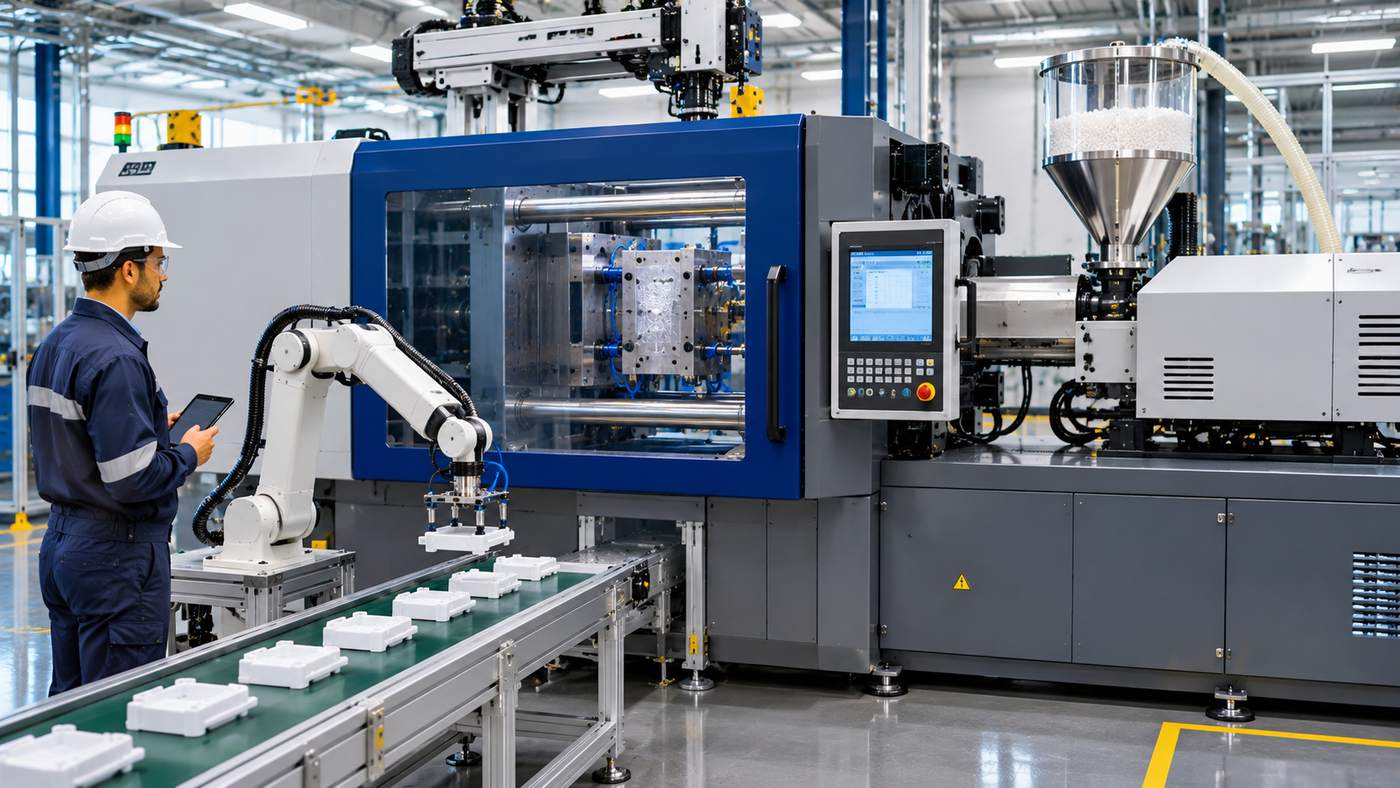
Modern plastics manufacturing depends on consistent dimensions, reliable production cycles, and thoughtful control of operating costs. An All-electric injection molding machine uses servo electric drives for its principal molding movements, offering manufacturers a different operating approach from conventional hydraulic presses. These systems are particularly attractive when repeatable motion, controlled energy demand, and clean production conditions matter. However, the right machine is not necessarily the newest or most expensive model. Its performance must match the mold, material, part specification, factory infrastructure, and planned production volume.
Whether a company produces medical device housings, electronic connectors, consumer products, or precision automotive components, machine selection affects more than the purchase budget. It influences setup practices, cycle consistency, maintenance requirements, and the quality information available to engineers. This guide examines how electric injection molding works, seven essential purchasing decisions, and the operating considerations that should shape a responsible investment.
What Is an All-Electric Injection Molding Machine?
An All-electric injection molding machine is a plastics processing press in which dedicated electric servo drives control the main mechanical movements, typically injection, screw rotation, clamping, and ejection. The drive system translates precisely commanded motor motion into movement of the injection screw, mold platens, and ejector mechanism. Actual architecture varies among manufacturers; some equipment uses direct drives, ball screws, or other mechanical transmission arrangements.
An All-electric injection molding machine does not eliminate the need for barrel heaters, cooling water, lubrication, or other auxiliary equipment. Some nominally electric configurations may also include optional hydraulic functions for particular tooling. Buyers should therefore confirm exactly which axes are electrically driven rather than interpreting a marketing label as a complete technical specification.
How the Injection Molding Cycle Works
Plastic resin enters a heated barrel, where a rotating screw conveys and melts material. The mold closes under a specified clamping force. The screw then moves forward to inject molten polymer into the cavity, followed by a holding stage that compensates for material shrinkage as the part begins to solidify. After adequate cooling, the mold opens and the part is ejected.
A correctly specified All-electric injection molding machine coordinates these actions through programmable motion and temperature controls. Some models can overlap compatible movements to reduce nonproductive time. Nevertheless, part cooling, material behavior, and mold design often determine the practical minimum cycle time.
The Role of Servo Motors and Feedback
Servo drives use position and speed feedback to follow defined motion profiles. Their repeatable control can help maintain a stable process across successive cycles, provided the mold, resin preparation, temperatures, and other variables are also controlled. Precision machine movement alone cannot guarantee a dimensionally accurate product.
Why Manufacturers Consider Electric Injection Molding
Energy efficiency is an important reason to evaluate an All-electric injection molding machine. Unlike a traditional hydraulic design that may consume substantial power in its pumping system, electrically driven axes draw power in relation to their programmed movements. This can reduce energy used during portions of the cycle when no major axis is moving.
Another advantage is reduced dependence on a central hydraulic oil circuit for the main motions. That can simplify certain maintenance tasks and reduce the risk of oil leakage around production equipment. Electric presses may also operate more quietly under comparable conditions, although sound levels depend on surrounding auxiliaries and the individual machine.
Benefits Must Be Measured on Real Production Jobs
Manufacturers sometimes publish impressive energy saving figures, but results depend on the reference machine, molding cycle, part weight, and supporting equipment. A meaningful comparison records electricity consumed per acceptable part or per kilogram of processed material under matched operating conditions. It should include appropriate auxiliary loads and the cost of rejected output, not just an advertised motor efficiency claim.
7 Essential Tips for Selecting an All-Electric Injection Molding Machine
1. Begin With Part Quality and Production Requirements
Before requesting quotations, define the intended molded parts. Record critical dimensions, appearance requirements, material grades, expected volumes, permitted scrap rates, and relevant customer standards. Identify whether the process involves thin walls, delicate features, optical surfaces, or tight dimensional tolerances.
An All-electric injection molding machine can be well suited to applications requiring controlled injection profiles and stable positioning, but its advantages only matter if the selected configuration meets the process window. A thick walled consumer part and a miniature connector may demand very different injection units even when the mold dimensions appear similar.
Ask manufacturers to demonstrate comparable applications or undertake a representative molding trial. When possible, evaluate parts made with the actual resin and production mold rather than relying only on generic sample pieces.
Document the Quality Acceptance Criteria
Specify inspection methods, sampling plans, acceptable dimensional variation, visual defects, and expected cycle time before the trial. A favorable demonstration should be repeatable and documented, not based on a single attractive sample.
2. Match Clamping Force and Mold Dimensions
The clamping system must resist the force generated as molten plastic fills the mold. Insufficient force can allow the mold to separate slightly and produce flash. Excessively large equipment may increase investment and floor space without delivering corresponding benefits.
Choosing an All-electric injection molding machine requires reviewing projected cavity pressure, part area, material, and mold design with the tooling engineer. Clamping force is usually expressed in tonnes or kilonewtons, but the highest available number is not automatically the best fit.
Physical compatibility is equally important. Check tie bar spacing, platen dimensions, mold height range, opening stroke, ejector stroke, and the weight of the mold. Confirm that tooling connections, hot runner controls, and any core pull functions can be supported.
Why Nominal Tonnage Is Only One Parameter
Two presses with similar clamping capacity may have different mold space, injection unit options, platen arrangements, and operating envelopes. Compare the actual mold drawing with the machine’s published limits before approving a purchase.
3. Evaluate Injection Performance and Repeatability
The injection unit must provide the appropriate melt volume, injection pressure, injection speed, and plasticizing capacity for the resin and part geometry. A large shot capacity is not automatically advantageous; operating with a poorly matched barrel and screw can complicate residence time and process consistency.
When comparing an All-electric injection molding machine with alternatives, request test data showing stable shot weight, dimensional measurements, and repeatability under normal production conditions. Assess how the machine controls injection velocity changes, transfer to holding pressure, and screw recovery.
Thin wall products may need high injection speed and suitable acceleration. Engineering resins can require carefully controlled melt temperatures and sufficient plasticizing performance. The machine should be selected around these process demands, not just a headline description of precision.
Validate the Complete Molding Cell
Material drying, mold temperature control, cooling circuit balance, and cavity design all affect the final part. A highly repeatable drive cannot compensate for inconsistent resin moisture or a poorly designed gate. Evaluate the complete cell before concluding that a machine is the source of defects.
4. Calculate Energy Consumption and Total Ownership Cost
An All-electric injection molding machine often commands a higher initial price than some hydraulic alternatives. Whether the premium makes economic sense depends on operating hours, electricity rates, productivity, maintenance, and the useful life of the equipment.
Ask vendors to conduct comparable trials with a matched mold and defined part specification. Record metered electrical use, good parts produced, cycle time, rejected parts, and auxiliary equipment demand. A measure such as kilowatt hours per thousand accepted parts can support a clearer business case than simply comparing nameplate power.
A total cost of ownership model should also account for installation, tooling adaptation, operator training, spare parts, planned servicing, financing, and potential downtime. Include any differences in cooling needs and plant utility costs, but avoid assigning savings before they have been measured or reasonably estimated.
Calculate Payback With Conservative Assumptions
Estimate annual savings using the plant’s actual production hours and electricity tariffs, then compare them with the additional acquisition and installation cost. Test a lower utilization scenario as well. A machine running limited production hours may have a different payback profile from one producing continuously across several shifts.
5. Check Automation and Digital Process Integration
Modern factories increasingly connect an All-electric injection molding machine to robots, conveyors, inspection cameras, and manufacturing execution systems. An All-electric injection molding machine may support detailed production data collection, repeatable recipe settings, and coordinated movement with compatible automation.
Ask about supported communication interfaces, production monitoring functions, alarm histories, recipe backup, and access permissions. Confirm compatibility with existing robots and material handling systems. Integration requirements differ between machines, and a controller with a large screen is not evidence of seamless connectivity.
For medical, electronics, or traceable manufacturing, investigate how process data can be recorded and associated with production batches. Define which measurements are actually needed for quality assurance and whether the system can retain them securely.
Protect the Production Network
Connected equipment deserves appropriate user permissions, software maintenance, network segmentation, and a documented approach to remote access. Keep information technology and maintenance teams involved when planning integration rather than addressing security only after installation.
6. Examine Serviceability, Training, and Spare Parts
A reliable machine should be maintainable by the people and service providers available to the plant. Electric presses reduce some oil related servicing, but they still contain moving mechanical assemblies, electrical drives, heaters, sensors, lubrication points, and cooling systems requiring inspection.
Before buying an All-electric injection molding machine, ask where replacement motors, drive modules, sensors, control hardware, and mechanical components can be sourced. Review typical lead times and whether trained technicians are available locally. A lower maintenance workload does not mean a machine is maintenance free.
Request a preventive maintenance schedule and discuss how alarms, wear indications, and abnormal noise are investigated. Training should cover process setup, safe mold changes, normal troubleshooting, and escalation when specialized repairs are required.
Evaluate Support as Part of the Quotation
Compare warranty exclusions, service response arrangements, documentation language, remote diagnostic capabilities, and costs for essential spares. A favorable purchase price can lose its appeal if a failed part causes extended downtime.
7. Verify Safety, Factory Readiness, and Acceptance Testing
Injection molding machines create serious hazards regardless of drive technology. Heated barrels can burn operators, moving platens can crush limbs, and stored electrical or mechanical energy can remain hazardous after power is switched off. Electric drive architecture is not a substitute for proper guarding or trained personnel.
Before commissioning an All-electric injection molding machine, verify the relevant guarding, interlocks, emergency stop devices, lockout procedures, safe access, and training required by local regulations and applicable machinery standards. Do not bypass safety devices to recover a stuck part or accelerate a cycle.
Confirm that the facility has suitable electrical capacity, floor loading, ventilation, chilled water or other cooling arrangements, and space for safe maintenance access. Conduct a documented factory or site acceptance test appropriate to the contract. The test should demonstrate safe operation, agreed technical performance, and the condition of delivered equipment.
Define Acceptance Before the Equipment Ships
Put the required test mold, resin, production rate, dimensional results, energy measurements, documentation, and training deliverables in writing. This reduces disputes about what successful commissioning actually means.
All-Electric Versus Hydraulic and Hybrid Injection Molding
An All-electric injection molding machine uses servo electric control for its main axes, while a conventional hydraulic press uses pressurized fluid to create major movements. Servo hydraulic machines use a variable speed motor to drive a hydraulic pump and can offer improved efficiency over older constant speed pumping systems. Hybrid designs combine electrical and hydraulic elements in arrangements that vary by model.
All electric equipment often appeals to manufacturers prioritizing repeated motion control, lower machine energy use, and reduced oil related housekeeping. Hydraulic or hybrid presses may still be suitable when initial investment, specific pressure demands, existing tooling, or service infrastructure favor those designs.
Where the Difference Is Most Noticeable
Compare equipment during normal production rather than using broad technology labels. Monitor part quality, cycle time, power consumption, operator workload, service requirements, and integration needs. Electric equipment can perform exceptionally well in precision molding, but it is not automatically the most economical solution for every shot size and production schedule.
Cleaner Operation Is Not Automatic Cleanroom Compliance
An All-electric injection molding machine may reduce oil contamination risks associated with hydraulic main drives. However, medical and other controlled environments still require suitable material handling, guarding design, particulate controls, cleaning practices, validation, and facility procedures. The entire production system must meet its applicable requirements.
Industries That Use Electric Injection Molding
An All-electric injection molding machine can support medical device manufacturers who value precise process control and configurations designed for controlled environments. Electronics producers often require repeatable dimensions for housings, connectors, and small technical components. Packaging applications may prioritize rapid cycles, consistent wall thickness, and efficient operation.
Automotive suppliers and consumer goods manufacturers also use electric presses when the relevant part, mold, and production economics support them. The suitability of an All-electric injection molding machine depends more on the specific production application than on the industry label alone.
Matching Equipment to Specialized Materials
Glass filled polymers, heat sensitive materials, and other engineering resins introduce processing challenges. Work with the material supplier and machine manufacturer to select suitable screw geometry, barrel capacity, wear resistant components, and temperature controls. Avoid assuming that any electric press will process every resin equally well.
Practical Maintenance and Process Optimization
Routine care for an All-electric injection molding machine should follow the manufacturer’s instructions and the plant’s safety program. Track alarms, clamp and injection drive condition, screw wear, lubrication requirements, heater performance, and cooling system cleanliness. Keep maintenance records connected to specific equipment and production events so recurring faults can be investigated methodically.
An All-electric injection molding machine can provide detailed process information, but data are only useful when teams act on meaningful changes. Establish a validated process window, monitor critical parameters, and investigate drift before adjusting several settings at once. Uncontrolled changes make root cause analysis more difficult.
What Production Teams Should Monitor
Useful measures may include cycle time, actual energy consumption, acceptable output, scrap rate, unplanned downtime, and mold maintenance events. Review trends by product and material rather than combining unrelated jobs into one performance number.
Common Mistakes to Avoid
Purchasing solely on clamp tonnage, accepting unverified energy savings, overlooking mold compatibility, and failing to plan local service support can undermine a promising investment. Another mistake is treating the machine as responsible for every quality defect when resin preparation, tooling, and process control have not been checked.
Frequently Asked Questions
1. What is an All-electric injection molding machine?
It is an injection molding press that uses servo electric drives for its primary movements, such as injection, clamping, and ejection, instead of relying on a central hydraulic system for those motions.
2. Is an electric injection molding press more energy efficient?
It can use substantially less energy than some traditional hydraulic presses, especially in suitable operating cycles. Actual savings should be measured on comparable production jobs.
3. Can all electric machines produce high precision plastic parts?
Yes, their repeatable servo control supports precision molding. Final accuracy still depends on the mold, resin preparation, temperatures, process settings, and quality controls.
4. Are all electric machines suitable for medical manufacturing?
They can be suitable for medical applications, particularly with appropriate clean production configurations. Medical quality and facility requirements must be verified for the entire manufacturing process.
5. What determines the price of an All-electric injection molding machine?
Price depends on clamping capacity, injection unit specifications, control features, automation, machine options, service support, and supplier. Total ownership cost is more informative than purchase price alone.
6. Does an all electric injection molding press need maintenance?
Yes. Servo drives, mechanical transmission components, heaters, sensors, lubrication points, and cooling systems require appropriate inspection and servicing, even when hydraulic maintenance is reduced.
Conclusion
An All-electric injection molding machine can offer manufacturers precise movement control, energy advantages, and cleaner operation when properly matched to the application. The strongest purchasing decisions begin with real part requirements, verified trials, total ownership costs, and dependable support rather than promotional claims. Careful commissioning, effective safeguarding, and disciplined process monitoring are just as important as the drive technology itself. With these considerations in place, manufacturers can invest in equipment that supports consistent quality and sustainable production performance.
