
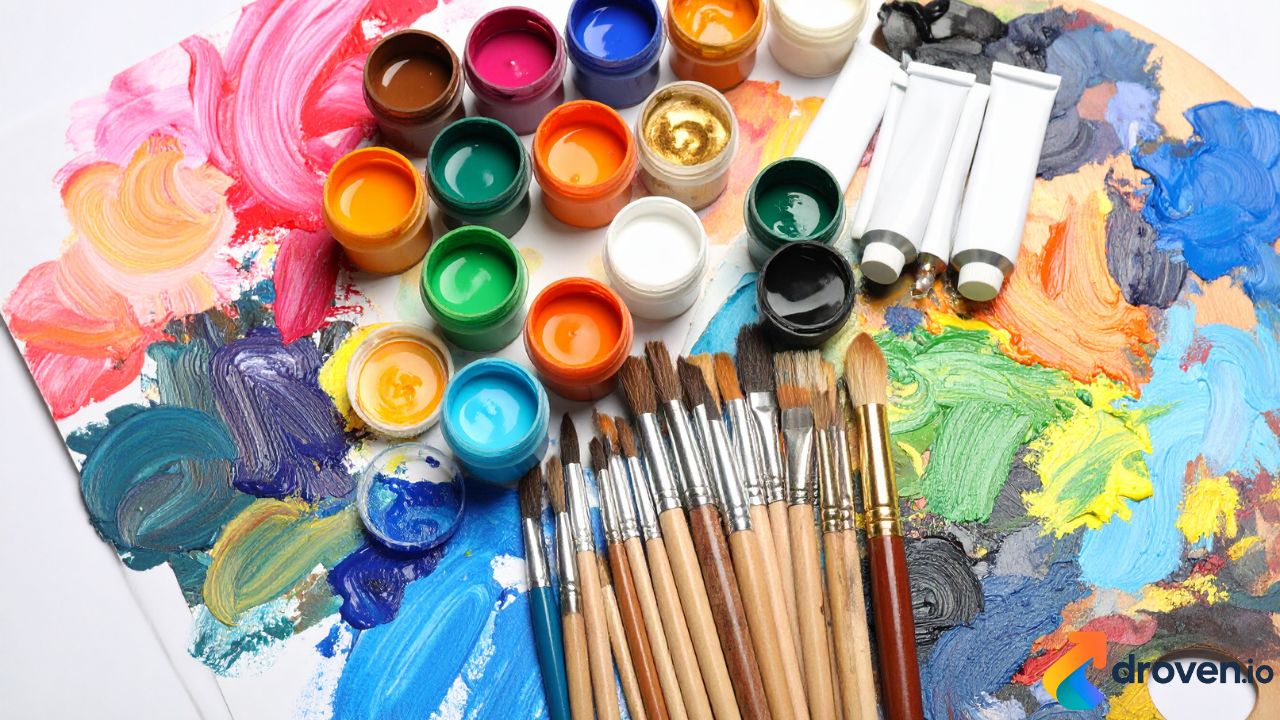
Acrylic paints are among the most versatile and widely used paints in the art world. Known for their vibrant colors, quick drying time, and adaptability, acrylic paints are popular with beginners, professional artists, and hobbyists alike. These paints can be used on various surfaces, including canvas, wood, paper, fabric, and even walls.
Unlike traditional oil paints that require long drying times and specialized solvents, acrylic paints are water-based and easy to work with. They offer a wide range of artistic possibilities, from fine art paintings to craft projects and decorative designs.
Over the years, acrylic paint technology has improved significantly, providing artists with better pigmentation, durability, and texture options. Because of these advantages, acrylic paints have become a favorite medium for many modern artists.
What Are Acrylic Paints?
Acrylic paints are fast-drying paints made from pigment suspended in an acrylic polymer emulsion. When the paint dries, the water evaporates, leaving behind a flexible and durable paint film.
One of the main advantages of acrylic paints is their versatility. They can mimic the appearance of watercolor or oil paint depending on how they are diluted or applied.
Acrylic paints can be used in different forms:
- Thick for textured painting
- Diluted with water for wash effects
- Mixed with mediums for unique finishes
These features make acrylic paint suitable for many artistic styles and techniques.
Why Acrylic Paints Are Popular Among Artists
Artists choose acrylic paints for several reasons.
Fast Drying Time
Acrylic paints dry quickly compared to oil paints. This allows artists to layer colors and continue working without long waiting periods.
Easy Cleanup
Because acrylic paints are water-based, brushes and tools can be cleaned easily with water.
Versatility
Acrylic paints can be used for detailed artwork, abstract paintings, murals, and crafts.
Durability
Once dried, acrylic paint becomes water-resistant and long-lasting.
Wide Color Range
Artists can choose from a vast selection of pigments and shades.
These advantages make acrylic paints an ideal medium for many creative projects.
Types of Acrylic Paints
Acrylic paints are available in several types designed for different purposes.
Heavy Body Acrylics
Heavy body acrylic paints are thick and retain brush strokes and texture.
They are often used for:
- Impasto techniques
- Texture painting
- Professional artwork
Soft Body Acrylics
Soft body paints have a smoother consistency and flow easily.
They are suitable for:
- Detailed brushwork
- Blending techniques
- Smooth painting styles
Fluid Acrylics
Fluid acrylic paints have a thinner consistency and are ideal for pouring techniques and fine details.
Acrylic Ink
Acrylic inks are highly pigmented liquid acrylics used for calligraphy, airbrushing, and illustration.
Each type of acrylic paints offers unique advantages depending on the desired artistic effect.
Surfaces Suitable for Acrylic Paints
One of the most appealing aspects of acrylic paints is their compatibility with various surfaces.
Common surfaces include:
- Canvas
- Paper
- Wood panels
- Fabric
- Ceramic
- Glass (with preparation)
- Walls for murals
Artists often prime surfaces with gesso to improve paint adhesion and create a smoother painting surface.
Basic Acrylic Painting Techniques
Acrylic paints allow artists to explore a wide range of painting techniques.
Layering
Because acrylic paints dry quickly, artists can apply multiple layers without long waiting periods.
Dry Brush Technique
Using minimal paint on a dry brush creates textured effects.
Wash Technique
Diluting paint with water produces transparent watercolor-like washes.
Impasto
Applying thick paint with a palette knife creates bold texture and depth.
Acrylic Pouring
Fluid acrylic paints can be poured onto surfaces to create abstract patterns and color blending.
These techniques demonstrate the creative flexibility of acrylic paints.
Acrylic Paint Mediums
Artists often mix acrylic paints with special mediums to achieve different effects.
Common acrylic mediums include:
Gloss Medium
Adds shine and enhances color vibrancy.
Matte Medium
Reduces shine and creates a flat finish.
Gel Medium
Increases paint thickness and texture.
Retarder
Slows the drying time of acrylic paints, allowing more blending time.
Using these mediums expands the possibilities of acrylic painting.
Benefits of Acrylic Paints for Beginners
Acrylic paints are often recommended for beginners due to their ease of use.
Simple Cleanup
Water-based formulas make cleaning brushes easy.
Affordable Options
Many acrylic paint brands offer affordable starter sets.
Quick Learning Curve
Fast drying allows beginners to experiment without waiting long periods.
Versatility
Acrylic paints can be used for many types of artwork.
Because of these benefits, acrylic paints are widely used in art education and beginner painting classes.
Professional Acrylic Paints vs Student Grade
Acrylic paints are typically available in two categories.
Student Grade
Student-grade paints are more affordable and suitable for beginners or casual artists.
They usually contain lower pigment concentrations.
Artist Grade
Professional-grade acrylic paints have higher pigment concentrations and better color intensity.
These paints are often used by professional artists and for gallery-quality artwork.
Choosing between these options depends on budget and artistic goals.
Caring for Acrylic Painting Supplies
Proper care of painting tools ensures longer-lasting supplies.
Recommended practices include:
- Cleaning brushes immediately after use
- Storing paint tubes properly
- Keeping palettes clean
- Using airtight containers for mixed paint
These steps help maintain the quality of acrylic painting materials.
Common Mistakes When Using Acrylic Paints
Artists sometimes encounter challenges when working with acrylic paints.
Common mistakes include:
- Allowing paint to dry on brushes
- Using too much water, which weakens pigment
- Not priming surfaces properly
- Working too slowly due to fast drying time
Learning proper techniques helps artists avoid these issues.
Acrylic Paints in Modern Art
Acrylic paints have become one of the most influential mediums in contemporary art.
Many modern artists prefer acrylics for their versatility and adaptability. The medium is commonly used in:
- Abstract art
- Street art and murals
- Mixed media artwork
- Decorative painting
Because of their flexibility, acrylic paints continue to play a major role in modern creative expression.
Future Trends in Acrylic Painting
The art materials industry continues to innovate with improved acrylic paint formulas.
Emerging trends include:
Eco-Friendly Paints
Manufacturers are developing environmentally friendly paint formulas.
Advanced Pigment Technology
New pigments provide brighter colors and longer durability.
Specialty Acrylic Effects
Artists can now use paints with metallic, fluorescent, and textured effects.
These developments continue expanding the creative possibilities of acrylic painting.
FAQs
What are acrylic paints used for?
Acrylic paints are used for fine art, crafts, murals, decorative painting, and mixed media artwork.
Are acrylic paints suitable for beginners?
Yes. Acrylic paints are easy to use, affordable, and versatile, making them ideal for beginners.
How long do acrylic paints take to dry?
Acrylic paints typically dry within 10 to 30 minutes depending on thickness and environmental conditions.
Can acrylic paints be used on fabric?
Yes. Acrylic paints can be used on fabric, especially when mixed with textile mediums.
Do acrylic paints need a primer?
Priming surfaces with gesso helps improve paint adhesion and durability.
Are acrylic paints waterproof?
Once fully dried, acrylic paints become water-resistant and durable.
