
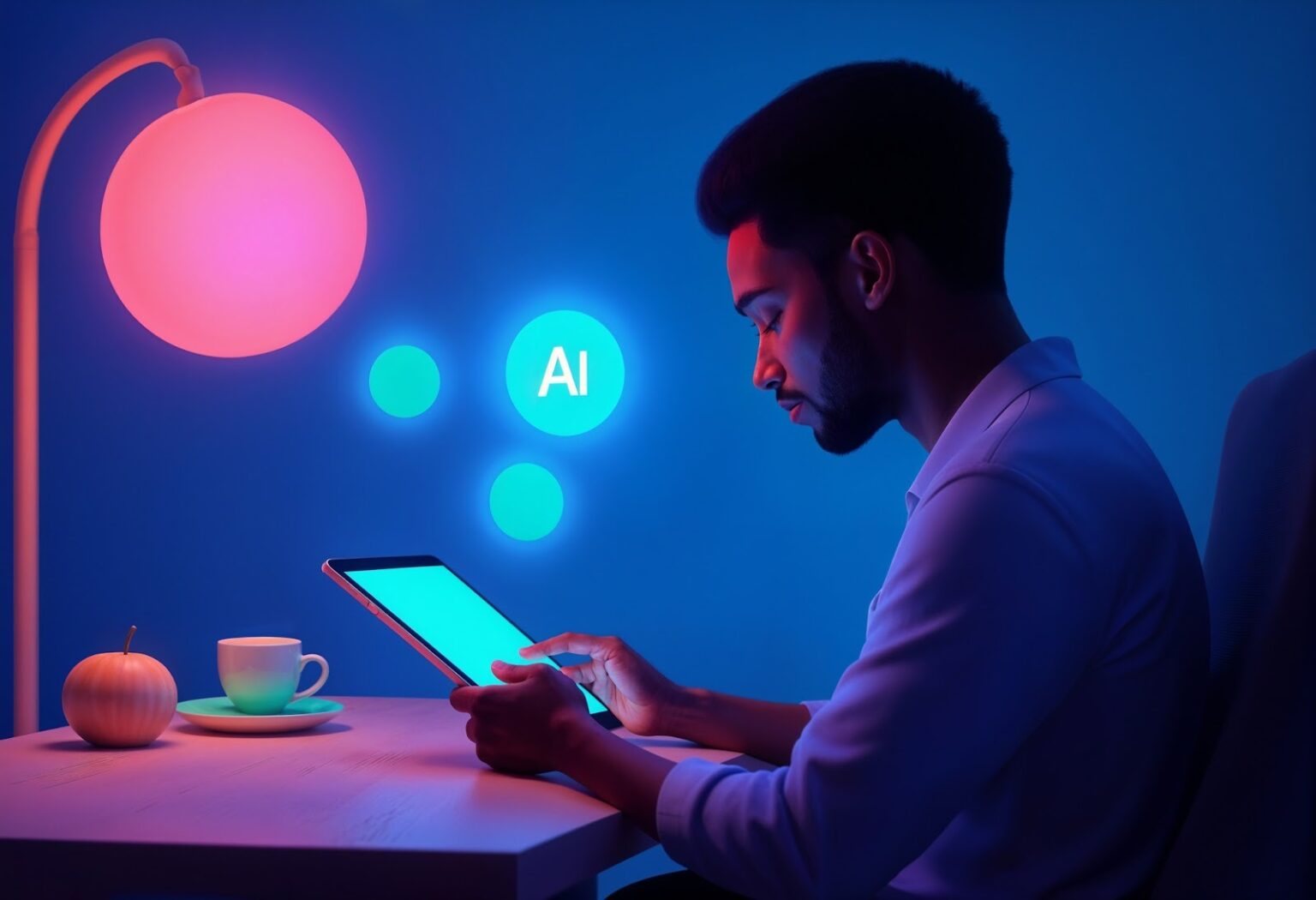
Marketing is no longer just about features, price, and performance. Today, people connect with brands based on feeling, identity, and cultural relevance. That shift has given rise to vibe marketing, a style of marketing focused on emotional tone, aesthetics, and cultural signals rather than hard selling. At the same time, artificial intelligence is transforming how brands understand and react to trends in real time.
When you combine AI with vibe-driven strategy, you get faster insights, sharper personalization, and content that feels timely instead of forced. Let’s break down how AI and trend intelligence are shaping modern vibe marketing and how businesses can use both effectively.
What is modern vibe marketing and why does it matter?
Modern vibe marketing focuses on emotional resonance, cultural alignment, and brand personality rather than product specs alone. It aims to make audiences feel something recognizable and shareable.
Consumers are overloaded with ads. Research from Statista shows the average person sees thousands of brand messages per day across platforms. Most get ignored. What cuts through is not more information but stronger emotional context. That is where vibe marketing steps in.
Instead of saying “our software is fast,” a vibe-led campaign shows a lifestyle of speed, simplicity, and creative freedom. Instead of “our clothing is durable,” the brand shows identity, community, and mood. This approach works especially well with younger audiences. Surveys from multiple market research firms show that over 60 percent of Gen Z buyers say brand personality influences their purchase decisions.
Modern vibe marketing is not random creativity. It is structured emotional positioning, and AI is becoming the engine that helps brands tune that positioning faster and more accurately.
How does AI help brands understand cultural trends faster?
AI helps brands detect patterns, conversations, and shifts in audience behavior across massive data sets that humans cannot analyze quickly on their own. It turns scattered signals into usable trend insights.
Every day, millions of posts, videos, comments, and searches reveal what people care about. AI systems can scan social platforms, search behavior, and content engagement to identify rising topics and sentiment changes. Tools that use machine learning for social listening can process millions of mentions and cluster them by theme and emotion.
For example, AI driven trend platforms analyze keyword velocity, not just keyword volume. Velocity measures how quickly interest is rising. A term that jumps 300 percent in search frequency in two weeks signals a trend, even if total volume is still moderate.
This matters for vibe marketing because vibe depends on timing. A cultural reference that feels fresh today can feel outdated next month. AI shortens reaction time by alerting marketers early. According to industry reports, companies using AI assisted analytics respond to market changes up to 3 times faster than those relying only on manual reporting.
That speed helps brands join conversations while they are still relevant, not after they peak.
How does AI shape content creation for vibe-driven campaigns?
AI supports vibe marketing by helping generate, test, and refine creative content that matches audience mood and platform behavior. It acts as a creative assistant, not a replacement.
AI writing and image tools can now generate multiple tone variations of the same message. A marketer can prompt for playful, minimalist, or bold styles and compare outputs quickly. This speeds up experimentation, which is central to vibe marketing.
Performance data backs this up. Marketing teams that run A B creative tests often see conversion differences of 20 to 40 percent between tone variants. AI makes it easier to produce those variants at scale.
AI also helps with:
- Caption and hook generation based on trending phrases
- Visual style suggestions based on high performing posts
- Short video script drafts aligned with platform trends
- Headline optimization based on click behavior data
The key is human direction. AI can suggest tone and format, but humans must ensure cultural fit and brand authenticity. Vibe marketing fails when content feels synthetic or disconnected from real audience culture.
How can AI improve audience personalization without killing authenticity?
AI enables deeper personalization by clustering users based on behavior and interests, but successful vibe marketing keeps personalization subtle and human feeling.
Recommendation engines, predictive segmentation, and behavioral scoring allow brands to tailor messaging to micro audiences. According to McKinsey research, companies that excel at personalization generate about 40 percent more revenue from those activities compared to average performers.
In vibe marketing, personalization is less about inserting a first name into an email and more about matching emotional context. For example:
- Different visual moods for different audience segments
- Different humor levels across platforms
- Different cultural references by region or age group
AI can detect which segments respond better to calm and minimal visuals versus loud and energetic ones. It can also predict which users prefer educational content versus entertainment content.Brands testing this often start simple, by using AI to change the background of the same product photo to see whether a calm or energetic setting performs better with a given audience.
A practical example can be seen in educational resources around Vibe Marketing where heyoz nearby discussions show how brands map tone, aesthetics, and trend signals to specific audience clusters rather than broadcasting one generic message to everyone.
The authenticity piece comes from restraint. Over personalization can feel invasive. Smart vibe marketing uses AI to guide tone alignment, not to over engineer every message.
What role do predictive trends play in vibe marketing strategy?
Predictive trend analysis uses AI models to forecast which topics, formats, and styles are likely to grow. This helps brands prepare vibe aligned content before the wave peaks.
Traditional trend tracking is reactive. Predictive models are more proactive. They look at early growth patterns, cross platform spread, and influencer adoption rates to estimate trend lifespan.
For example, short form vertical video adoption rose sharply over a few years. Brands that moved early saw major reach advantages. Internal platform data has shown that short form video often delivers 2 times the engagement rate of static posts in many industries.
Predictive systems look at signals like:
- Rate of content creation around a theme
- Engagement per post growth rate
- Diversity of creators using a format
- Cross platform migration of a trend
For vibe marketing, this allows creative teams to build campaigns that feel ahead of culture instead of behind it. Being early with the right vibe builds authority. Being late makes a brand look like it is copying.
Can AI measure something as abstract as “vibe”?
AI cannot feel emotions, but it can measure proxies like sentiment, engagement patterns, and emotional language to estimate how a vibe is landing with audiences.
Sentiment analysis models classify text and comments as positive, negative, or neutral, and more advanced models detect emotions like excitement, trust, or frustration. Engagement metrics also act as vibe indicators. Saves, shares, and comment depth often signal emotional resonance more than simple likes.
For instance, social analytics studies show that posts with high share rates often correlate with identity expression. People share content that reflects how they see themselves. That is directly connected to vibe success.
Marketers can build a vibe scorecard using AI assisted metrics such as:
- Sentiment ratio in comments
- Share to view ratio
- Repeat engagement from the same users
- Brand mention tone over time
While this is not perfect, it gives directional feedback. Combined with qualitative review, it helps teams adjust creative direction quickly.
What are the risks of relying too much on AI in vibe marketing?
Over reliance on AI can lead to sameness, cultural missteps, and loss of brand voice if human judgment is removed from the loop.
AI models are trained on existing content. That means they tend to reproduce patterns that already perform well. If every brand uses similar AI prompts and tools, creative output can start to look and sound alike. Vibe marketing depends on distinctiveness, so sameness is dangerous.
There is also cultural context risk. AI may suggest phrases or visuals that statistically perform well but are culturally tone deaf in a specific moment. Without human review, brands can publish content that feels off or insensitive.
The best practice is a hybrid model:
AI for speed, scanning, and variation.
Humans for taste, ethics, and cultural awareness.
Companies that use AI as a decision support system rather than a decision maker tend to maintain stronger brand identity.
Conclusion
Modern vibe marketing is about emotional alignment, cultural timing, and recognizable brand personality. AI strengthens this approach by turning massive behavioral and cultural data into fast, usable insights. It helps marketers detect trends earlier, create content variations faster, personalize tone more precisely, and measure emotional response more clearly.
But AI is a tool, not a vibe creator. The feeling still comes from human understanding of culture, humor, design, and story. Brands that win will be the ones that combine AI driven trend intelligence with human creative instinct.
When used thoughtfully, AI does not replace vibe marketing. It sharpens it, speeds it up, and makes it more responsive to the way people actually think and feel.
