
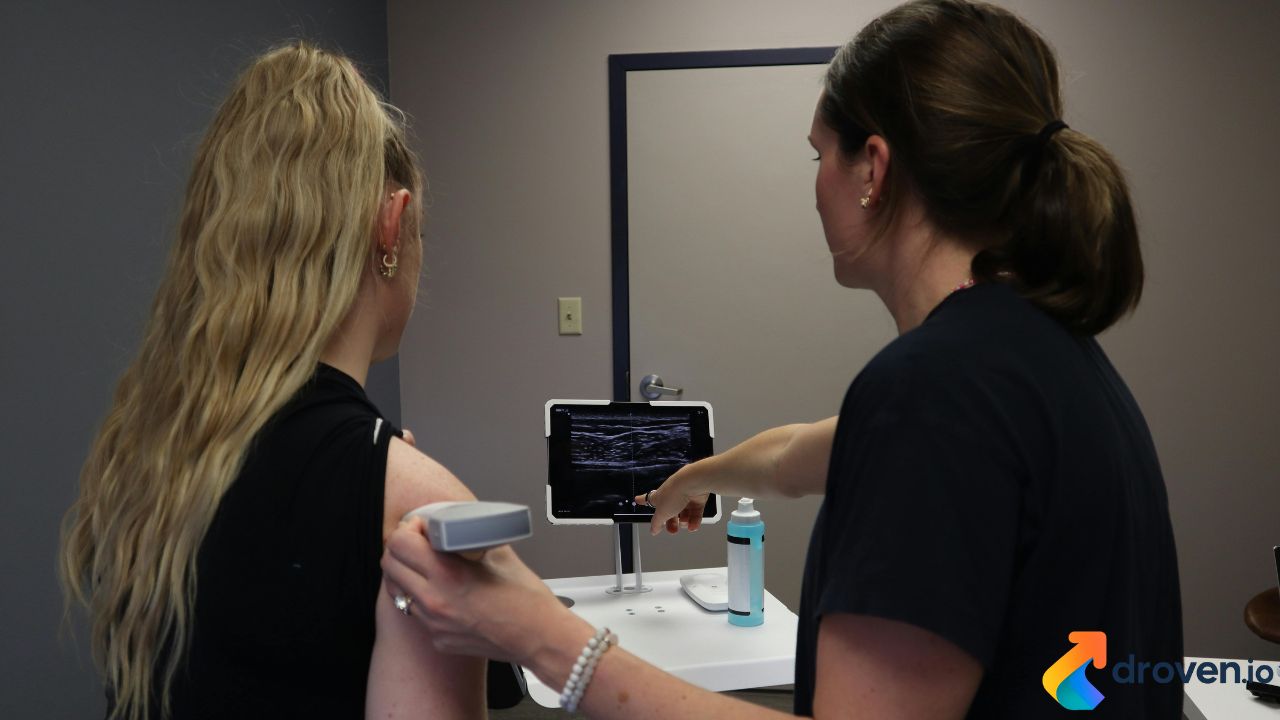
Artificial intelligence is rapidly transforming the healthcare industry by improving diagnostics, enhancing patient care, and supporting medical research. AI in healthcare uses advanced algorithms, machine learning, and data analysis to assist medical professionals in making faster and more accurate decisions.
As healthcare systems generate enormous amounts of data, AI technologies help analyze this information to improve efficiency, reduce errors, and support better patient outcomes.
What Is AI in Healthcare?
AI in healthcare refers to the use of artificial intelligence technologies to analyze medical data, support clinical decision-making, and automate various healthcare processes.
These technologies may include:
- Machine learning algorithms
- Natural language processing
- Computer vision for medical imaging
- Predictive analytics
- AI-powered healthcare software
AI systems can process complex medical data faster than traditional methods, helping doctors identify patterns and potential health risks.
Key Applications of AI in Healthcare
Artificial intelligence is being used in many areas of modern medicine.
Medical Imaging and Diagnostics
AI-powered imaging tools can analyze X-rays, CT scans, and MRIs to detect abnormalities such as tumors or fractures.
These systems assist radiologists by highlighting potential areas of concern and improving diagnostic accuracy.
Predictive Healthcare Analytics
AI systems analyze patient data to predict potential health issues before they become serious.
Examples include predicting:
- Risk of heart disease
- Hospital readmissions
- Disease progression
- Treatment outcomes
Predictive analytics allows healthcare providers to take preventive measures.
Drug Discovery and Research
Developing new medications traditionally takes many years and requires significant investment.
AI in healthcare helps accelerate drug discovery by analyzing large datasets to identify potential drug compounds and predict how they will interact with biological systems.
This process can significantly reduce research timelines.
Personalized Medicine
AI allows doctors to tailor treatments based on individual patient characteristics such as genetics, lifestyle, and medical history.
Personalized medicine can improve treatment effectiveness and reduce the risk of adverse reactions.
Virtual Health Assistants
AI-powered chatbots and digital assistants help patients access healthcare information and manage their health.
These tools may assist with:
- Appointment scheduling
- Medication reminders
- Symptom checking
- Patient education
Virtual assistants improve accessibility and reduce administrative workload for healthcare providers.
Benefits of AI in Healthcare
The integration of artificial intelligence in healthcare systems offers numerous advantages.
Improved Diagnostic Accuracy
AI systems can analyze medical images and patient data with high precision, helping doctors detect diseases earlier.
Faster Decision-Making
Automated data analysis allows healthcare professionals to make quicker and more informed decisions.
Reduced Healthcare Costs
Automation and efficiency improvements can reduce administrative expenses and optimize hospital resources.
Better Patient Outcomes
Early diagnosis and personalized treatments contribute to improved patient health outcomes.
AI in Hospital Management
Beyond clinical applications, AI is also transforming hospital operations.
Hospitals use AI to:
- Optimize patient scheduling
- Predict patient admissions
- Manage medical supplies
- Improve staff allocation
These improvements help healthcare systems operate more efficiently.
Challenges of AI in Healthcare
Despite its potential benefits, AI adoption in healthcare faces several challenges.
Data Privacy and Security
Healthcare data is highly sensitive, requiring strong security and privacy protections.
Regulatory Compliance
Medical AI systems must meet strict regulatory standards before being used in clinical settings.
Integration With Existing Systems
Hospitals often rely on legacy systems that can make integrating AI technologies more complex.
Ethical Considerations
Healthcare providers must ensure that AI systems are transparent, unbiased, and used responsibly.
The Future of AI in Healthcare
The future of AI in healthcare is expected to bring even more innovation and transformation.
Potential developments include:
- AI-assisted robotic surgeries
- Real-time health monitoring through wearable devices
- Advanced predictive disease models
- AI-driven medical research
As technology advances, artificial intelligence will likely play an increasingly central role in modern medicine.
Conclusion
AI in healthcare is reshaping how medical professionals diagnose diseases, develop treatments, and manage healthcare systems. By combining advanced data analysis with intelligent algorithms, AI technologies are helping improve efficiency, accuracy, and patient care.
While challenges remain, continued innovation and responsible implementation will allow AI to play a critical role in the future of global healthcare.
FAQs
What is AI in healthcare?
It refers to the use of artificial intelligence technologies to analyze medical data and support healthcare decision-making.
How does AI help doctors?
AI assists doctors by analyzing medical images, predicting health risks, and providing decision-support tools.
Can AI replace doctors?
No, AI is designed to support healthcare professionals rather than replace them.
Is AI used in hospitals today?
Yes, many hospitals use AI for diagnostics, patient monitoring, and administrative tasks.
What are the risks of AI in healthcare?
Challenges include data privacy concerns, regulatory issues, and the need to ensure ethical use of AI systems.
