
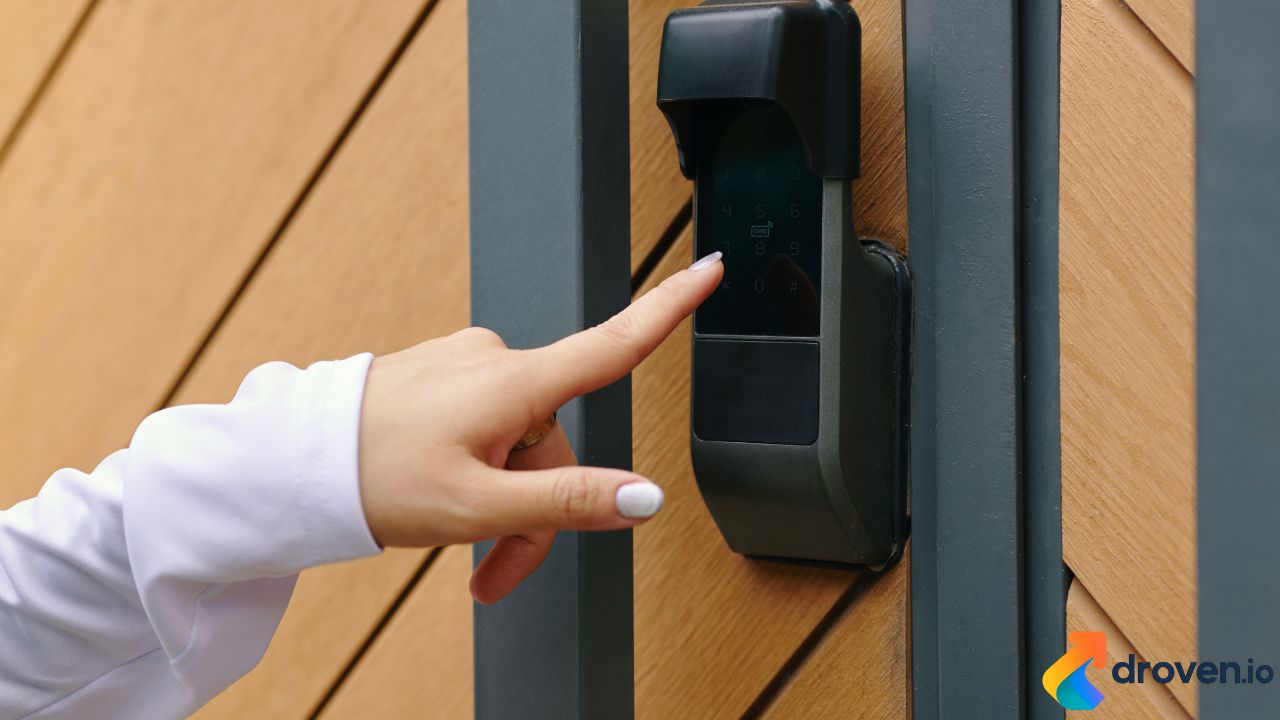
Homeowners are increasingly investing in automatic residential gates to enhance property security, privacy, and convenience. These gates use motorized systems that allow them to open and close automatically through remote controls, keypads, sensors, or smartphone apps.
Automatic gates not only provide an added layer of protection but also contribute to the overall appearance and value of a property.
What Are Automatic Residential Gates?
Automatic residential gates are motorized gate systems installed at the entrance of residential properties. Unlike traditional manual gates, they operate through electronic mechanisms that allow users to control access without leaving their vehicle.
These gates are typically powered by electric motors and can be integrated with security systems, cameras, and smart home technology.
Common control methods include:
- Remote controls
- Keypad entry systems
- Smartphone apps
- RFID or card access
- Motion sensors
Benefits of Automatic Residential Gates
Automatic gates offer several advantages for homeowners.
Improved Security
Automated gates restrict unauthorized access and provide a physical barrier between the home and outside traffic.
Increased Privacy
By controlling entry points, homeowners can prevent unwanted visitors from entering private property.
Convenience
Automatic systems allow gates to open with a remote or keypad, eliminating the need to exit the vehicle.
Property Value Enhancement
Installing modern gate systems can improve curb appeal and potentially increase property value.
Types of Automatic Residential Gates
There are several types of automatic residential gates, each designed for different property layouts and preferences.
Sliding Gates
Sliding gates move horizontally along a track. They are ideal for properties with limited driveway space.
Swing Gates
Swing gates operate like traditional doors, opening inward or outward. They are commonly used in residential settings with ample driveway space.
Bi-Folding Gates
Bi-folding gates fold in the center as they open, making them suitable for properties with restricted space.
Vertical Lift Gates
These gates move upward instead of sideways or swinging open, though they are less common in residential areas.
Materials Used for Residential Gates
Automatic gates can be constructed from various materials depending on style and durability requirements.
Common materials include:
- Steel: Strong and highly secure
- Aluminum: Lightweight and corrosion-resistant
- Wood: Traditional appearance with natural aesthetics
- Wrought Iron: Decorative and durable
Choosing the right material depends on climate conditions, design preferences, and maintenance needs.
Components of an Automatic Gate System
An automatic gate system typically consists of several key components.
Gate Motor
The motor powers the opening and closing movement of the gate.
Control System
This includes remote controls, keypads, or smart devices used to operate the gate.
Safety Sensors
Sensors detect obstacles and prevent the gate from closing on vehicles or pedestrians.
Access Control Systems
These systems regulate who can enter the property, often using codes or electronic credentials.
Installation Considerations
Installing automatic residential gates requires proper planning and professional expertise.
Important factors to consider include:
- Driveway width and layout
- Power supply availability
- Gate weight and material
- Security system integration
- Local building regulations
Professional installation ensures safe operation and long-term reliability.
Maintenance of Automatic Gates
Regular maintenance helps ensure smooth operation and prolongs the lifespan of the gate system.
Maintenance tasks may include:
- Lubricating moving parts
- Checking motors and electrical components
- Cleaning tracks or hinges
- Inspecting sensors and safety systems
Routine inspections help identify issues before they become major problems.Skilled gate repair professionals complement this upkeep perfectly by quickly resolving minor mechanical hiccups and ensuring your automated security systems remain completely reliable day in and day out.
Smart Technology Integration
Modern automatic gates can integrate with smart home systems.
Features may include:
- Smartphone control apps
- Video intercom systems
- License plate recognition
- Remote monitoring
These technologies provide homeowners with enhanced control and security.
Conclusion
Automatic residential gates provide a combination of security, convenience, and visual appeal for modern homes. With a variety of designs, materials, and automation technologies available, homeowners can choose gate systems that suit their property layout and security needs.
When properly installed and maintained, automatic gates can significantly enhance both safety and accessibility at residential entrances.
FAQs
What are automatic residential gates?
They are motorized gates that open and close automatically using remote controls, sensors, or access systems.
Are automatic gates safe?
Yes, most systems include safety sensors and obstacle detection to prevent accidents.
Can automatic gates be controlled with a smartphone?
Many modern gate systems offer smartphone integration for remote access.
What materials are commonly used for residential gates?
Steel, aluminum, wood, and wrought iron are commonly used materials.
Do automatic gates require maintenance?
Yes, regular maintenance ensures reliable performance and long system lifespan.
