
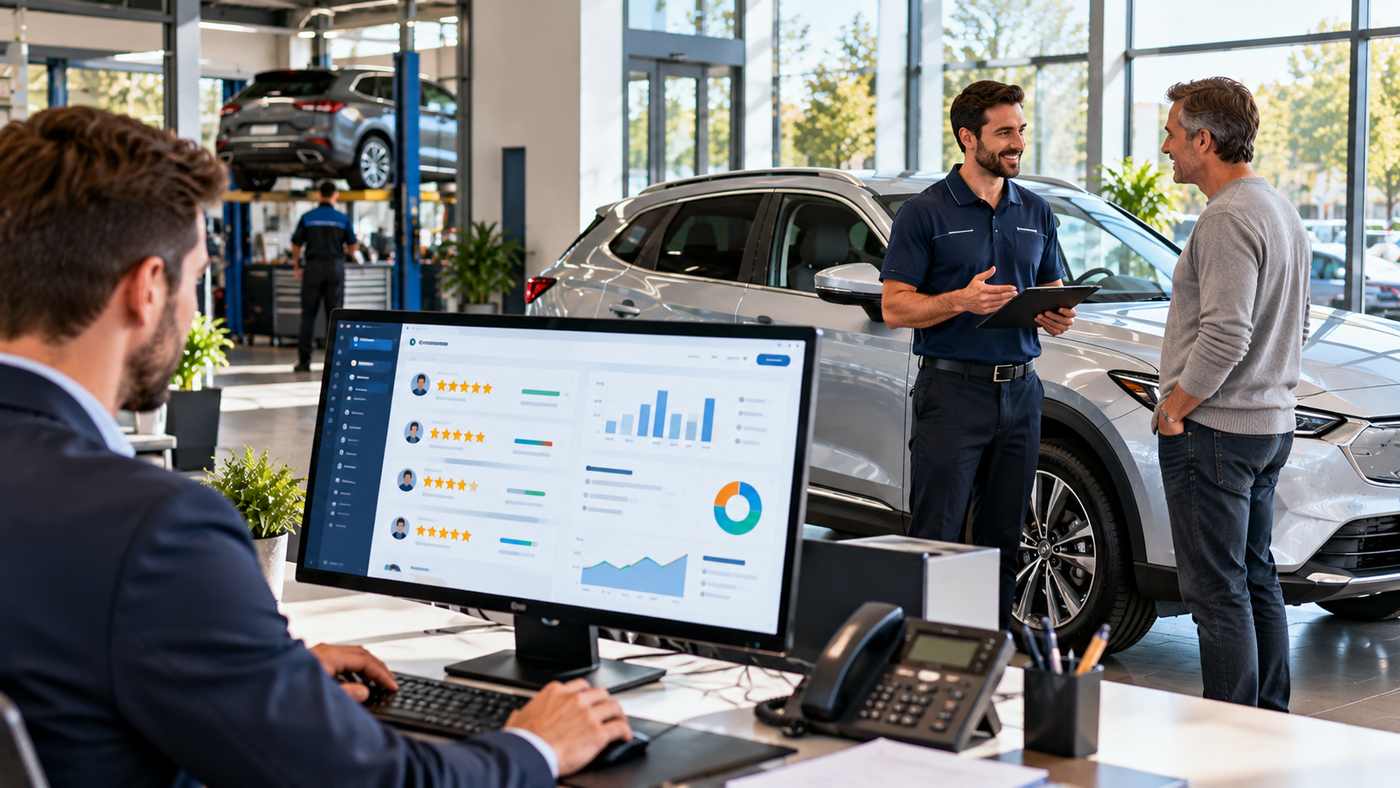
The automotive industry is highly competitive, and customer opinions can influence where people purchase vehicles, schedule maintenance, and seek repairs. Before choosing a dealership or service centre, many customers research online ratings, read reviews, and compare how businesses respond to complaints. In this environment, automotive reputation management plays an important role in building trust and maintaining strong customer relationships.
A dealership’s reputation develops through everyday interactions. The buying process, service appointments, pricing transparency, communication, and after-sales support all contribute to how customers perceive a business.
Positive reviews can highlight successful experiences, while critical feedback may reveal operational problems that need attention. Both provide valuable information.
Managing this feedback effectively requires more than requesting five-star ratings. Dealerships need reliable communication processes, transparent customer service practices, responsible review collection, and consistent follow-up.
This guide explains how automotive businesses can strengthen their online presence, respond professionally to reviews, improve customer satisfaction, and use feedback to support long-term growth.
What Is Automotive Reputation Management?
Automotive reputation management is the process of monitoring, understanding, and improving how customers perceive a dealership, repair workshop, or other automotive business.
It involves managing online reviews, responding to feedback, resolving complaints, maintaining accurate business information, and improving customer experiences.
The objective is not to create an artificial image of perfection. Instead, it is to develop a trustworthy reputation that reflects genuine service quality.
Why Online Reputation Matters for Car Dealerships
Vehicle purchases and automotive repairs often involve substantial financial commitments.
Customers may have concerns about vehicle condition, repair quality, pricing, warranties, and whether the business will provide reliable support after a transaction.
Online feedback can help them evaluate these concerns.
A dealership with detailed customer reviews and thoughtful responses may appear more transparent than one with limited information or unanswered complaints.
However, review ratings should be considered alongside other factors, including the business’s experience, services, location, and actual customer care.
Reputation Management Goes Beyond Online Ratings
A strong reputation involves the entire customer journey.
For example, a customer may have a satisfactory vehicle purchase but encounter problems during a later service appointment.
If the dealership fails to communicate clearly or resolve the issue, the customer’s overall impression may decline.
Successful reputation management therefore connects marketing activities with customer service operations.
Online reviews are valuable indicators, but the underlying customer experience remains the foundation.
7 Proven Strategies for Better Automotive Reputation Management
Dealerships can improve their reputation by establishing consistent processes for customer communication, feedback collection, and operational improvement.
The following strategies provide a practical framework.
1. Monitor Online Reviews Across Important Platforms
The first step is understanding what customers are saying about the business.
Automotive reviews may appear on Google, DealerRater, Facebook, and other relevant platforms.
Different websites attract different audiences, so monitoring only one platform may provide an incomplete picture.
Keep Track of New Reviews
Dealership managers should establish a routine for checking incoming reviews.
This may involve using native platform notifications or approved reputation monitoring software.
Important information includes:
- New customer ratings.
- Written feedback.
- Common complaints.
- Frequently mentioned strengths.
- Questions requiring a response.
- Unresolved customer service problems.
Monitoring allows staff to identify issues before they become recurring patterns.
Look for Themes Rather Than Individual Ratings
One negative review does not necessarily indicate a widespread problem.
However, several customers mentioning the same concern may suggest that an operational process needs attention.
For example, repeated comments about unexpected repair delays could indicate scheduling, parts availability, or communication problems.
By grouping feedback into meaningful categories, managers can identify opportunities for improvement.
2. Request Genuine Reviews From Customers
Customer reviews help prospective buyers understand the experiences of other people.
Dealerships can encourage customers to share honest feedback after vehicle purchases, maintenance visits, or completed repairs.
The request should be neutral and should not suggest that a particular rating is expected.
Choose Appropriate Follow-Up Moments
A review invitation may be sent after a completed service appointment or purchase, once the customer has had an opportunity to experience the service.
Dealerships should consider whether the timing is convenient and respectful.
An excessively early request may arrive before the customer has received the vehicle or evaluated the completed work.
Waiting too long may make it harder for the customer to remember relevant details.
The appropriate timing depends on the transaction and customer preferences.
Make the Review Process Simple
Customers are more likely to understand a request when the message is short and clear.
A dealership may provide a direct link to its Google Business Profile review form.
The message can invite the customer to describe their genuine experience, whether positive or negative.
Avoid requiring a specific star rating or asking customers to include particular promotional phrases.
Avoid Review Gating and Incentives
Google’s review policies prohibit selectively requesting positive reviews while discouraging negative feedback.
Businesses also cannot offer discounts, payments, or free products in exchange for Google reviews.
In the United States, the Federal Trade Commission prohibits several deceptive review practices, including purchasing fake reviews or conditioning compensation on positive or negative review sentiment.
Dealerships should never use customer satisfaction scores to determine which customers are allowed to receive public review invitations.
An ethical approach is to invite genuine reviews without manipulating the outcome.
3. Respond Professionally to Positive and Negative Feedback
Responding to online reviews demonstrates that a business pays attention to its customers.
A thoughtful response can acknowledge feedback, provide appropriate context, and explain how customers can obtain assistance.
How to Respond to Positive Reviews
Positive feedback provides an opportunity to thank customers for choosing the dealership.
Replies should be personalized where practical.
For example, if a customer praises the clarity of communication during a service appointment, the dealership can acknowledge that experience without exaggerating its achievements.
Responses should remain professional and avoid unnecessary promotional language.
How to Handle Negative Reviews
Critical feedback deserves careful attention.
An effective response generally includes acknowledgment of the concern, an appropriate expression of regret where warranted, and a practical next step.
Dealerships should avoid public arguments or defensive responses.
If the complaint requires access to private transaction details, the business can invite the customer to continue the discussion through an appropriate private channel.
Protect Customer Privacy
Review replies should not disclose confidential customer details.
Avoid publishing service records, payment information, addresses, telephone numbers, or other personal information without proper authorization.
A professional response should address the concern while respecting privacy.
4. Improve Service Follow-Up Communication
Customer experiences do not end when the vehicle leaves the dealership.
Follow-up communication can help determine whether the service was completed satisfactorily and whether the customer needs further assistance.
This is particularly important in automotive service departments, where customers may not immediately know whether a repair has resolved the original problem.
Why Service Follow-Ups Matter
A timely follow-up gives customers an opportunity to discuss concerns directly with the dealership.
For example, a customer may report that an unexpected noise remains after a repair.
If the service team responds promptly, it can investigate the concern and determine the appropriate next step.
This process supports customer care while providing valuable operational feedback.
Using Automated Follow-Up Tools
Dealership technology can simplify communication and help teams organize responses.
Platforms designed for Automotive reputation management can support structured after-service feedback collection, customer follow-up messages, staff notifications, and centralized feedback monitoring.
VenueVision’s Service Follow-Up solution, for example, describes features such as customizable message timing, dealership-branded rating pages, automated replies, service team notifications, and links to public review platforms.
These tools can help staff identify concerns and respond efficiently.
However, the way a dealership configures its follow-up process matters.
Internal satisfaction surveys and public review invitations should be managed without selectively steering only satisfied customers toward public reviews.
Respect Communication Preferences
Automated text messages and emails should follow applicable consent, privacy, and marketing requirements.
In the United States, the Telephone Consumer Protection Act and related rules can affect automated text communications.
Commercial emails may also be subject to CAN-SPAM requirements.
Dealerships should review consent records, message content, opt-out arrangements, and relevant legal obligations before introducing automated campaigns.
5. Deliver a Consistent Customer Experience
Online reputation is closely connected to the quality of service customers receive.
Review management software cannot compensate for repeated problems with communication, workmanship, or customer care.
Dealerships should therefore examine the complete customer journey.
Improve the Vehicle Buying Experience
Customers benefit from clear explanations of vehicle features, pricing, financing options, warranties, and purchasing procedures.
Sales staff should provide accurate information without unnecessary pressure.
Transparency helps customers make informed decisions.
Strengthen Service Department Communication
Service customers often want to understand what work is required, how much it may cost, and when their vehicle will be ready.
Dealerships can support better communication by:
- Explaining recommended repairs.
- Providing clear written estimates.
- Obtaining necessary approvals.
- Communicating expected completion times.
- Reporting delays promptly.
- Explaining completed work.
- Answering questions before vehicle collection.
These practices help reduce misunderstandings and make the customer experience more predictable.
Train Employees to Handle Complaints
Customer-facing employees should understand how to manage difficult conversations professionally.
Training can focus on active listening, accurate documentation, conflict resolution, and appropriate escalation.
Employees should also know when a complaint requires a service manager or another qualified decision-maker.
A clear escalation process can prevent concerns from being overlooked.
6. Strengthen Local Search Visibility and Business Information
A dealership’s online reputation is closely connected to its digital presence.
Potential customers may encounter a business through Google Search, Google Maps, local directories, or automotive marketplace websites.
Accurate information helps people identify and contact the right location.
Maintain an Accurate Google Business Profile
Dealerships should verify their Google Business Profiles and keep essential information current.
Important details include:
- Business name.
- Address.
- Telephone number.
- Operating hours.
- Website address.
- Appropriate business category.
- Relevant services.
- Genuine location photographs.
Changes to service department hours, holiday schedules, or contact details should be reflected where appropriate.
Consider Different Dealership Departments
Some automotive facilities have distinct sales, service, and parts departments.
Whether separate Google Business Profiles are appropriate depends on Google’s eligibility and representation guidelines.
Dealerships should not create unnecessary or duplicate listings simply to attract additional search traffic.
Publish Helpful Website Content
A dealership website can support customer trust by explaining its services clearly.
Useful content may include maintenance guides, service booking instructions, warranty information, dealership policies, and answers to common questions.
Content should be accurate and relevant to the intended audience.
Search engine optimization can help search engines understand this information, but it does not guarantee top rankings.
Local visibility also depends on factors outside the dealership’s direct control.
7. Measure Customer Satisfaction and Improve Operations
Reputation management becomes more useful when customer feedback informs business decisions.
Managers should evaluate both online review activity and operational performance.
Track Meaningful Reputation Metrics
Useful indicators may include:
- Average public review rating.
- Number of genuine new reviews.
- Review response time.
- Customer feedback response rate.
- Complaint resolution time.
- Repeat service visits.
- Customer satisfaction survey results.
- Recurring issue categories.
No single metric provides a complete picture of reputation.
For example, a high average rating may appear positive, but the dealership should also consider review authenticity, recency, and the number of customers represented.
Review Customer Satisfaction Scores Carefully
Automotive dealerships may also monitor manufacturer customer satisfaction measures, often called CSI scores.
These programs have their own survey methodologies and operating requirements.
Customer satisfaction management should focus on genuine improvements rather than pressuring customers to provide favorable survey responses.
Turn Feedback Into Action
Feedback becomes more valuable when managers use it to identify and correct problems.
If customers regularly mention delays in receiving repair updates, the dealership might review its notification process.
If complaints concern unclear estimates, service advisors may need additional training or better documentation tools.
The objective is to improve the underlying experience, not merely reduce the visibility of complaints.
The Role of Automotive Reputation Management Software
As dealerships grow, manually managing customer feedback across multiple channels can become difficult.
Reputation management software may help teams organize customer communications, assign responsibilities, and monitor recurring concerns.
Centralized Review Monitoring
A centralized system can provide a convenient place for staff to view relevant feedback and review activity.
Depending on integrations, some tools may also support review response workflows.
This can reduce the need to move constantly between platforms.
Automated Customer Feedback Requests
Automation allows dealerships to schedule follow-up messages after eligible customer interactions.
For example, a service department might send a neutral feedback request after a completed appointment.
The communication should reflect the customer’s contact preferences and comply with applicable rules.
Customer Issue Notifications
Some platforms notify the appropriate team when a customer reports a concern.
This can help a service manager identify unresolved problems without waiting for a formal complaint.
Effective issue handling still depends on employee availability and appropriate follow-through.
Reporting and Performance Dashboards
Dashboards can organize information such as message activity, submitted feedback, and unresolved issues.
Managers can use reports to identify recurring concerns and evaluate the effectiveness of their follow-up procedures.
However, reporting systems only provide value when the underlying data is accurate and the organization uses the insights responsibly.
How Reputation Management Supports Customer Retention
Customer retention is important because automotive relationships can continue long after a vehicle purchase.
Customers may return for maintenance, warranty-related work, repairs, accessories, or future vehicle purchases.
Positive experiences can encourage continued engagement, while unresolved problems may cause customers to seek alternatives.
Building Long-Term Relationships
Customers generally appreciate clear communication and reliable follow-through.
A dealership that responds professionally and consistently may strengthen customer confidence over time.
However, customer loyalty depends on many factors, including pricing, convenience, vehicle needs, and competing options.
Personalizing Relevant Communication
Dealerships can use appropriate customer information to provide useful reminders and updates, subject to applicable privacy and communication rules.
For example, a customer may appreciate a timely service appointment reminder or an update about an existing repair.
Communication should remain relevant and avoid unnecessary messaging.
Learning From Lost Customers
Not every customer returns.
When feedback is available, dealerships can investigate reasons for declining engagement.
Common possibilities include pricing concerns, scheduling difficulties, dissatisfaction with previous service, or changes in customer location.
Understanding these factors can help improve business processes.
Managing Negative Reviews Without Damaging Customer Trust
Negative reviews are a normal part of doing business.
Even well-managed dealerships may receive criticism.
The important question is how the organization responds.
Investigate the Concern
Before replying in detail, determine whether the review refers to a genuine interaction and what information can be verified.
Relevant staff may need to review service records or speak with the customer privately.
The investigation should remain respectful and avoid assumptions about the customer’s intentions.
Provide an Appropriate Resolution
A suitable response depends on the concern.
Possible actions may include clarification, further inspection, correcting an error, or reviewing an internal procedure.
A dealership should not promise a remedy before understanding the facts.
Follow Up After the Resolution
When a concern is resolved, follow-up can help confirm whether the customer is satisfied with the outcome.
Dealerships should not make service recovery conditional on a customer removing or improving a public review.
Customers should remain free to describe their genuine experiences.
Report Reviews Only for Valid Reasons
Google provides tools for reporting reviews that violate its content policies.
However, a business cannot legitimately request removal simply because a review is negative.
Critical feedback that reflects a genuine experience generally deserves a professional response, not an attempt at suppression.
Common Mistakes in Dealership Reputation Management
Several practices can undermine customer trust or create compliance problems.
Purchasing Fake Reviews
Fake reviews misrepresent customer experiences and may violate consumer protection laws and platform policies.
Dealerships should never purchase fabricated testimonials or create fictitious customer accounts to influence ratings.
Requesting Reviews Only From Happy Customers
Filtering customers by satisfaction before sending public review invitations can distort the picture presented to prospective customers.
Google prohibits selective solicitation of positive reviews.
Businesses should maintain fair and neutral collection practices.
Ignoring Negative Feedback
Unanswered complaints can leave customers feeling unheard.
Even when a dealership disagrees with a review, a respectful reply may help demonstrate accountability.
Sending Excessive Follow-Up Messages
Frequent or irrelevant messages can frustrate customers.
Dealerships should establish reasonable communication schedules and respect opt-out requests.
Using Identical Responses Everywhere
Highly repetitive replies may appear impersonal.
Templates can save time, but responses should be adapted to the actual issue.
Focusing Only on Star Ratings
A reputation program that measures only average ratings may overlook important operational problems.
Complaint resolution, service consistency, and customer feedback quality are equally important.
How to Create an Automotive Reputation Management Plan
A clear plan helps dealership managers assign responsibilities and establish measurable objectives.
Begin With a Reputation Audit
Review existing online profiles, recent customer feedback, common complaints, and current response procedures.
Identify whether important locations or departments have inaccurate information.
The audit should establish the dealership’s starting position.
Assign Team Responsibilities
Decide who monitors reviews, responds to customers, and handles escalated complaints.
A general manager may oversee the overall strategy, while service managers and customer experience staff manage specific issues.
Clear ownership reduces the risk of unanswered feedback.
Establish Response Standards
Create practical guidelines for how employees should respond to customer concerns.
The guidelines may cover tone, privacy protection, escalation, and internal documentation.
Response targets should be realistic and appropriate to the severity of the issue.
Implement Responsible Follow-Up Workflows
Use consistent procedures for collecting feedback after customer interactions.
Review the language of public review invitations to ensure they are neutral.
Maintain the ability to respond to internal complaints without restricting customers’ access to independent review platforms.
Review Performance Regularly
Conduct periodic reviews of customer feedback and operational trends.
Compare results over time rather than reacting to every individual rating.
Document improvement actions and follow up on whether they were effective.
The Future of Automotive Reputation Management
Automotive customer communication continues to evolve as dealerships adopt digital service tools and more integrated management systems.
Technology can help organizations identify concerns, coordinate responses, and understand service trends.
AI-Assisted Review Analysis
Artificial intelligence can help categorize large volumes of customer feedback.
For example, software may group comments relating to repair delays, communication, pricing, or staff professionalism.
These insights can support human analysis.
However, automated interpretations may be inaccurate and should be reviewed before important decisions are made.
More Integrated Service Communications
Dealership systems may increasingly connect scheduling, service updates, customer messaging, and feedback management.
Better integration can reduce duplicate work and improve continuity.
The benefits depend on accurate information sharing and appropriate data protection.
Greater Importance of Authenticity
Consumer protection rules and review platform policies place increasing emphasis on genuine customer experiences.
Businesses should expect reputation management strategies to focus on transparent feedback practices rather than artificial rating improvement.
Ultimately, technology cannot replace consistent customer service.
The strongest dealership reputations are built through reliable experiences supported by appropriate communication and responsible management.
Frequently Asked Questions
1. What is automotive reputation management?
Automotive reputation management involves monitoring reviews, responding to customer feedback, resolving complaints, and improving the online reputation of dealerships and automotive service businesses.
2. Why are online reviews important for car dealerships?
Online reviews help prospective customers understand previous experiences with vehicle purchases, repairs, and customer service. Genuine feedback can support more informed decisions.
3. How can dealerships improve their Google reviews?
Dealerships can provide reliable service, invite genuine reviews through neutral requests, respond professionally to feedback, and resolve operational problems without offering prohibited incentives.
4. Can automotive reputation management software automate follow-ups?
Yes. Some platforms support automated customer messages, satisfaction surveys, staff notifications, and feedback reporting. Features and compliance requirements vary by provider and configuration.
5. Should a dealership respond to every negative review?
Responding to relevant negative reviews is generally a good practice. Replies should be respectful, protect customer privacy, and provide an appropriate path toward resolving the concern.
6. How do dealerships measure reputation management success?
Useful measures include review trends, response times, genuine customer satisfaction, complaint resolution, and repeat customer engagement. These should be evaluated together rather than relying on star ratings alone.
Conclusion
Effective automotive reputation management begins with delivering dependable customer experiences and maintaining open, honest communication. Genuine reviews, timely service follow-ups, professional responses, and continuous operational improvements help dealerships build stronger customer relationships.
By using reputation management tools responsibly and focusing on real customer concerns, automotive businesses can improve trust and support long-term customer retention. The most sustainable strategy is to earn a positive reputation through consistent service rather than attempting to manufacture favorable ratings.
