
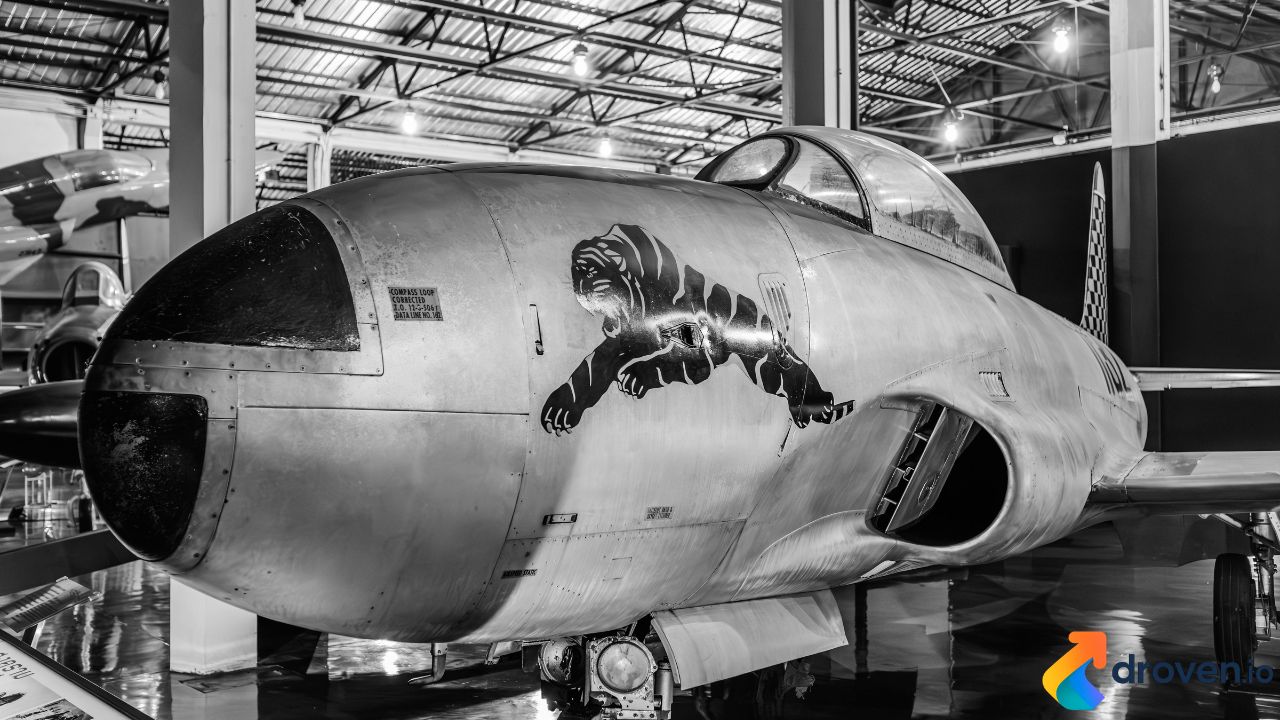
The story of aviation is one of innovation, courage, and technological progress. An aviation museum preserves this remarkable history by showcasing aircraft, artifacts, and exhibits that highlight the development of flight from its earliest experiments to modern aerospace achievements.
These museums provide visitors with an opportunity to learn about aviation pioneers, historic aircraft, and the engineering breakthroughs that transformed transportation and exploration.
What Is an Aviation Museum?
An aviation museum is a specialized institution dedicated to preserving and displaying aircraft, aviation equipment, and historical documents related to the development of flight.
Exhibits often include:
- Historic airplanes and helicopters
- Military aircraft and fighter jets
- Flight simulators and interactive displays
- Aviation artifacts and pilot equipment
- Educational exhibits on aerodynamics and aerospace technology
By combining historical preservation with educational experiences, aviation museums help visitors understand how aviation has evolved over time.
The History of Aviation Museums
The idea of preserving aircraft history began in the early twentieth century as aviation technology rapidly advanced. As older aircraft were retired from service, historians and aviation enthusiasts recognized the importance of protecting these machines for future generations.
Today, aviation museums exist in many countries and often collaborate with aerospace organizations, military institutions, and research centers to maintain historical collections.
These museums not only display aircraft but also document the achievements of engineers, pilots, and innovators who helped shape modern aviation.
Types of Aircraft Found in Aviation Museums
Visitors to an aviation museum can typically see a wide variety of aircraft representing different periods in aviation history.
Early Aviation Aircraft
Some museums display replicas or restored versions of early experimental airplanes inspired by pioneers like the Wright brothers. These aircraft demonstrate the basic principles of powered flight.
World War Aircraft
Military aircraft from World War I and World War II are among the most fascinating exhibits in aviation museums. These planes played important roles in shaping modern aviation technology.
Jet Age Aircraft
The development of jet engines revolutionized aviation. Many museums feature early jet fighters and commercial aircraft that illustrate this transition.
Modern Aerospace Technology
Some aviation museums include modern aircraft, space exploration artifacts, and technology displays related to satellites, rockets, and advanced aerospace engineering.
Interactive Experiences in Aviation Museums
Modern museums focus on creating engaging experiences for visitors through interactive exhibits and educational programs.
Flight Simulators
Many aviation museums offer flight simulators that allow visitors to experience what it feels like to pilot an aircraft.
Educational Exhibits
Interactive displays often explain concepts such as aerodynamics, aircraft design, and navigation systems.
Restoration Workshops
Some museums allow visitors to observe restoration projects where engineers and technicians carefully repair and preserve historic aircraft.
Guided Tours
Expert guides often provide detailed explanations about aircraft history, design features, and the stories behind famous flights.
Why Aviation Museums Are Important
Aviation museums play an important role in preserving technological heritage and inspiring future generations.
Preserving Aviation History
Historic aircraft and artifacts are carefully maintained so that important milestones in aviation history are not lost.
Educational Opportunities
Students and aviation enthusiasts can learn about science, engineering, and innovation through museum exhibits.
Inspiring Future Aviators
By showcasing the achievements of aviation pioneers, museums encourage young people to pursue careers in aviation and aerospace engineering.
Cultural Significance
Aviation has played a major role in shaping global transportation, international relations, and scientific exploration.
Famous Aviation Museums Around the World
Several aviation museums have gained international recognition for their extensive collections and educational programs.
Smithsonian National Air and Space Museum (USA)
One of the most famous aviation museums in the world, this museum houses iconic aircraft such as the Wright Flyer and the Apollo spacecraft.
Royal Air Force Museum (United Kingdom)
This museum displays historic aircraft used by the Royal Air Force and explores the development of military aviation.
Musée de l’Air et de l’Espace (France)
Located near Paris, this museum highlights the history of French aviation and aerospace innovation.
National Museum of the United States Air Force
This museum features one of the largest collections of military aircraft in the world.
Tips for Visiting an Aviation Museum
Visitors can make the most of their museum experience by planning ahead.
Allocate Enough Time
Large aviation museums may contain dozens of aircraft and exhibits, so visitors should allow several hours to explore fully.
Join Guided Tours
Guided tours often provide deeper insights into aircraft history and engineering.
Check Special Exhibits
Many museums host temporary exhibitions focusing on specific aviation themes or historical events.
Participate in Interactive Activities
Flight simulators and educational programs can make the visit more engaging and memorable.
Final Thoughts
An aviation museum offers a fascinating journey through the history of flight, from early experimental aircraft to modern aerospace technology. By preserving historic airplanes and sharing the stories of aviation pioneers, these museums help visitors appreciate the innovation and determination that made human flight possible.
Whether you are an aviation enthusiast, a student of engineering, or simply curious about the science of flight, visiting an aviation museum provides a unique opportunity to explore one of humanity’s most remarkable achievements.
FAQs
What can you see in an aviation museum?
Visitors can see historic airplanes, helicopters, aviation artifacts, flight simulators, and educational exhibits related to the history of aviation.
Are aviation museums suitable for children?
Yes. Many aviation museums include interactive exhibits and educational programs designed to engage young visitors.
Do aviation museums have real aircraft?
Most aviation museums display authentic aircraft that have been restored or preserved from historical periods.
Why are aviation museums important?
They preserve aviation history, educate the public about aerospace technology, and inspire future generations of pilots and engineers.
