
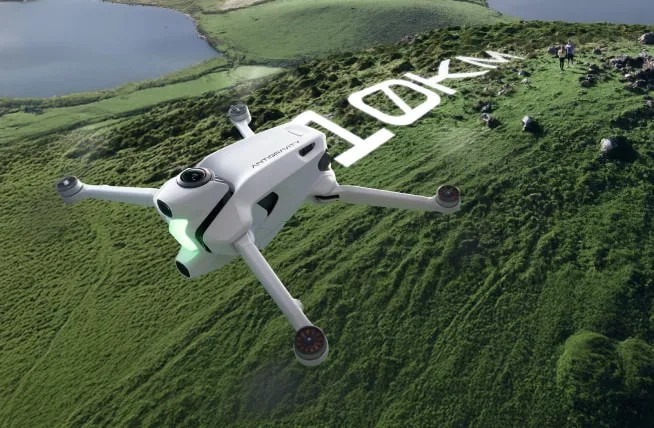
The best camera drone for first-time flyers is one that makes flying feel predictable while still capturing footage worth keeping. Beginners usually need stable hovering, simple controls, strong safety support, and a camera system that delivers clear video without requiring advanced piloting skills. Good battery life and a compact design also matter, especially if you want to practice often or take the drone on trips. Instead of chasing the most advanced model, focus on a drone that reduces mistakes and helps you learn quickly. Features like automated flight assistance, smooth stabilization, and intuitive framing tools do more for a new pilot than raw speed or complex manual settings. A beginner-friendly camera drone should build confidence first, then expand your creative options as your skills improve.
What Makes a Camera Drone Good for Beginners?
Easy Controls, Flight Stability, and Safety Features
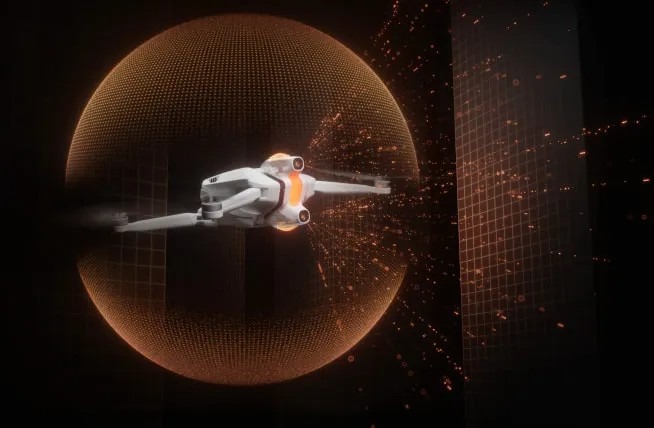
A good beginner drone should feel easy to control from the first takeoff. When looking for the best drone with camera for beginners, prioritize responsive controls, clear flight modes, and reliable hovering so you can focus on movement instead of constant correction. Flight stability also matters because shaky handling makes both practice and filming harder. Safety features are just as important. Obstacle awareness, automatic return-to-home, altitude hold, emergency braking, and takeoff and landing assistance can help reduce common beginner mistakes. Clear visual feedback in the app or goggles also helps you understand where the drone is and what it sees. If you want a more immersive view, the Vision Flight Goggles of Antigravity A1 add a real-time flight perspective with see-through view support, helping beginners stay aware of their surroundings while building confidence.
Camera Quality, Battery Life, and Portable Design
Beginners should choose a camera drone that balances image quality with convenience. A sharp camera is useful, but long flight time often matters more when you are learning, because extra minutes let you practice takeoffs, turns, and framing in one session. Portable design also makes a difference. A compact drone is easier to carry, store, and use regularly, which means more flying experience and faster improvement. Accessories should also stay manageable. For example, Vision Flight Goggles of Antigravity A1 use a compact split-battery design, weigh 340.4 g, and fold down to 174 × 106 × 92 mm with antennas folded. That kind of portability supports travel and casual practice without adding much bulk to your overall kit.
Which Camera Features Matter on Your First Drone?
Resolution, Stabilization, and Smooth Aerial Video
For a first drone, camera performance should prioritize usable results over technical complexity. Resolution matters because higher detail gives you cleaner footage and more flexibility when cropping or sharing clips on larger screens. Still, stabilization is often more important for beginners. Smooth aerial video depends on the drone holding position well and the camera reducing shake during movement, turns, and light wind. Good stabilization makes even simple flights look polished. A beginner should also look for easy exposure settings and dependable automatic shooting modes, since those reduce the number of decisions in the air. The best camera drone for beginners records clear video consistently, without requiring advanced color work, manual tuning, or difficult post-production corrections later.
Why 360 Capture Makes Filming Easier for Beginners
360 capture can make filming easier because it reduces the pressure to point the camera perfectly during flight. Instead of worrying about keeping a subject centered every second, beginners can focus on flying safely and choose the best angle later in editing. That approach lowers stress and helps new pilots get more usable footage from each battery. It also creates a stronger sense of immersion for travel clips, scenic flights, and casual storytelling. When paired with a viewing system designed for comfort, the experience becomes even more approachable. Vision Flight Goggles of Antigravity A1 support panoramic video playback, use a Micro-OLED display with 2560 × 2560 resolution per eye, and provide a wide 90° diagonal field of view.
How to Choose the Best Camera Drone for Your Needs
Match Your Drone to Travel, Video, and Everyday Flying
The best beginner drone should fit how you actually plan to use it. If you want a travel drone, prioritize compact size, quick setup, and reliable battery life. If your goal is social video or vacation footage, focus on smooth stabilization, easy shot modes, and a camera that looks good in automatic settings. For everyday recreational flying, simple controls and safety systems should lead the list. Think about where you will fly most often too, since open parks, coastal areas, and tighter spaces place different demands on stability and visibility. A beginner makes faster progress with a drone that suits regular habits, not occasional ambitions. Choosing around real use cases leads to better value and less frustration overall.
Balance Price, Ease of Use, and Creative Potential
The right first drone offers enough features to stay interesting without becoming expensive or intimidating. Start with ease of use, because a lower learning curve helps you fly more often and crash less. Then weigh price against the features that truly improve your results, such as strong stabilization, dependable safety tools, and simple capture modes. Creative potential still matters, but it should support learning rather than complicate it. A beginner-friendly setup should also remain comfortable during longer sessions. Vision Flight Goggles of Antigravity A1 add useful viewing features, including a pancake optical system, 72 Hz refresh rate, IPD adjustment from 59 to 72 mm, and 2.5-hour battery life. Those details can improve comfort while keeping the experience approachable.
Conclusion
The best camera drone for first-time flyers is one that helps you learn safely while producing footage you will actually want to keep. Easy controls, stable flight, dependable safety features, solid battery life, and a compact design should come before advanced specs that add complexity. On the camera side, smooth stabilization, clear resolution, and beginner-friendly shooting options make the biggest difference. If immersive viewing or panoramic playback matters to you, accessories like Vision Flight Goggles of Antigravity A1 can add comfort and a more engaging flight experience without changing the core priorities. Start with a drone that feels approachable, reliable, and practical for your everyday use. That choice gives you the strongest foundation for improving your flying skills and growing into more creative aerial filming over time.
