
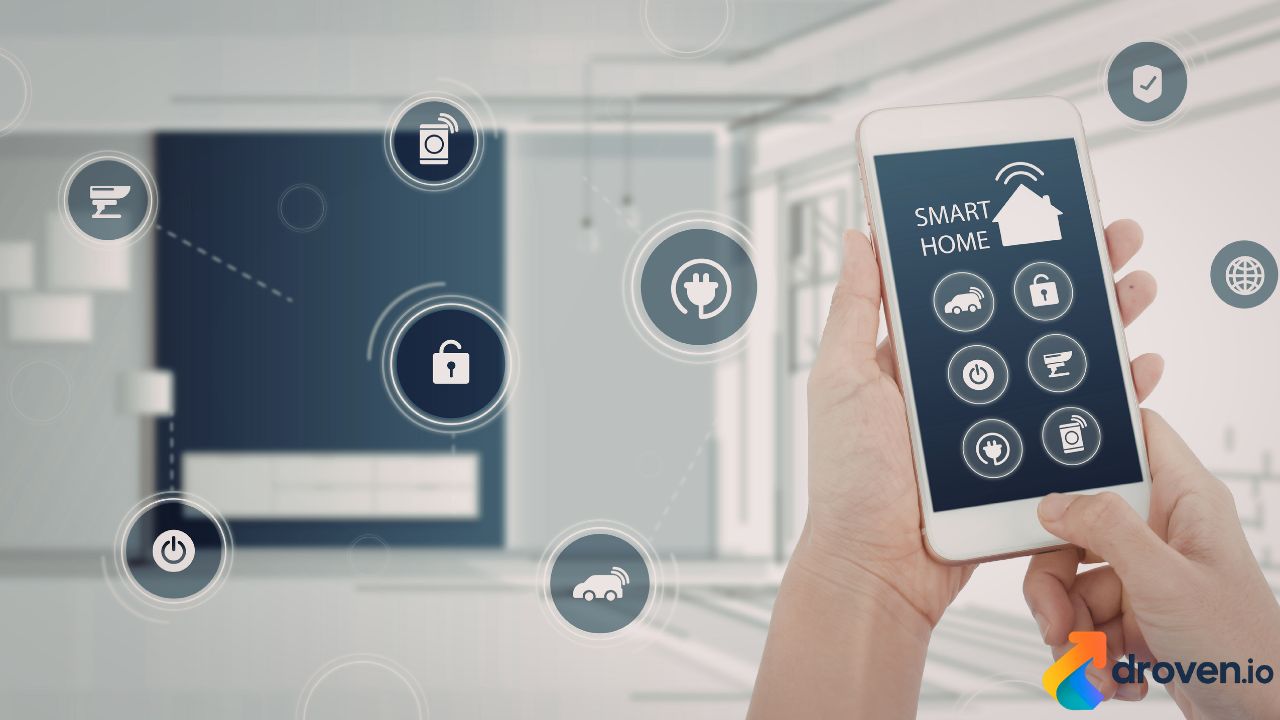
Smart home technology has transformed the way people interact with their living environments. Among the most popular smart home devices are smart lighting systems that allow homeowners to control lighting through smartphones, voice assistants, and automated schedules. Choosing the best smart lights can significantly enhance convenience, energy efficiency, and overall home ambiance.
Traditional lighting systems rely on manual switches and fixed brightness levels. Smart lights, however, provide advanced features such as remote control, customizable brightness, color changes, and integration with other smart home devices. These features allow users to personalize their lighting experience according to their preferences and daily routines.
With the growing popularity of home automation systems, smart lighting has become an essential component of modern homes. From improving energy efficiency to enhancing home security, smart lights offer numerous advantages for homeowners.
What Are Smart Lights?
Smart lights are LED-based lighting devices that connect to a home network or smart home system. These lights can be controlled remotely using smartphones, tablets, or voice assistants such as Amazon Alexa, Google Assistant, or Apple Siri.
Unlike traditional bulbs, smart lights offer advanced capabilities including:
- Remote control through mobile apps
- Voice control integration
- Adjustable brightness levels
- Color-changing capabilities
- Scheduling and automation features
When choosing the best smart lights, homeowners should consider compatibility with their existing smart home devices and personal lighting preferences.
How Smart Lighting Works
Smart lighting systems typically operate through wireless connectivity such as Wi-Fi, Bluetooth, or Zigbee protocols.
Wi-Fi Smart Lights
Wi-Fi smart lights connect directly to a home internet network and can be controlled through mobile apps without additional hardware.
Bluetooth Smart Lights
Bluetooth lights connect directly to nearby devices but may have limited remote access compared to Wi-Fi systems.
Hub-Based Smart Lighting
Some smart lighting systems require a central hub that connects lights to a smart home network. This approach allows more advanced automation features.
Understanding how smart lighting works helps users choose the best smart lights for their homes.
Benefits of Using Smart Lights
Smart lighting systems offer several benefits compared to traditional lighting.
Energy Efficiency
Most smart lights use LED technology, which consumes significantly less energy than traditional incandescent bulbs.
Energy-efficient lighting helps reduce electricity costs.
Convenience and Remote Control
Smart lights can be controlled remotely through smartphone apps, allowing users to turn lights on or off from anywhere.
Customizable Lighting Atmosphere
Users can adjust brightness levels and colors to create different moods or lighting environments.
Home Security
Smart lights can be programmed to turn on and off automatically, creating the impression that someone is home even when the house is empty.
Integration With Smart Home Systems
The best smart lights integrate seamlessly with other smart devices such as thermostats, security cameras, and voice assistants.
Types of Smart Lights
There are several types of smart lighting products available on the market.
Smart Light Bulbs
Smart bulbs replace traditional bulbs and can be installed in standard light fixtures.
These bulbs provide adjustable brightness and color settings.
Smart LED Light Strips
LED light strips are flexible lighting solutions often used for decorative lighting behind TVs, under cabinets, or along walls.
Smart Ceiling Lights
Smart ceiling lights provide advanced lighting control for entire rooms.
Smart Outdoor Lights
Outdoor smart lights enhance security and provide automated lighting for gardens, pathways, and patios.
Smart Lamps
Smart lamps offer portable lighting solutions with integrated smart controls.
Choosing the right type helps homeowners find the best smart lights for their specific needs.
Features to Consider When Choosing Smart Lights
Selecting the best smart lighting system requires evaluating several important features.
Brightness Levels
Brightness is measured in lumens. Higher lumens provide brighter light.
Color Temperature
Color temperature determines the warmth or coolness of light.
Warm white lighting creates a cozy atmosphere, while cool white lighting is better for work environments.
Color Customization
Some smart lights allow users to select millions of color options for decorative lighting.
Voice Assistant Compatibility
Smart lights should be compatible with popular voice assistants for convenient control.
Mobile App Functionality
A user-friendly mobile app enhances the smart lighting experience.
These features help determine which products qualify as the best smart lights for home automation.
Popular Smart Lighting Brands
Several companies manufacture high-quality smart lighting products.
Philips Hue
Philips Hue is one of the most recognized smart lighting brands offering a wide range of bulbs, light strips, and fixtures.
LIFX
LIFX smart lights provide bright, color-rich lighting without requiring a hub.
TP-Link Kasa
Kasa smart bulbs are known for affordability and easy installation.
Nanoleaf
Nanoleaf produces decorative smart lighting panels designed for modern interiors.
Sengled
Sengled offers budget-friendly smart lighting solutions with strong functionality.
These brands are frequently recommended when searching for the best smart lights.
Installing Smart Lights
Installing smart lights is typically simple and requires minimal technical knowledge.
Replace Existing Bulbs
Most smart bulbs fit standard light fixtures.
Download the Mobile App
Users install the manufacturer’s mobile app to control the lights.
Connect to Wi-Fi or Bluetooth
The lights connect to a home network or device through wireless technology.
Configure Lighting Settings
Users can customize brightness, color, and automation schedules.
Following these steps allows homeowners to quickly set up the best smart lights in their homes.
Smart Lighting Automation
Automation is one of the most valuable features of smart lighting.
Scheduled Lighting
Lights can be programmed to turn on or off at specific times.
Motion Detection
Some smart lights integrate with motion sensors to activate automatically when movement is detected.
Scene Settings
Lighting scenes allow users to create customized lighting environments for activities such as reading, relaxing, or watching movies.
Voice-Controlled Lighting
Voice assistants allow users to control lights using simple voice commands.
Automation enhances convenience and energy efficiency.
Smart Lights and Energy Savings
Smart lighting systems contribute to energy efficiency in several ways.
LED Technology
LED bulbs consume less electricity than traditional lighting.
Automatic Shut-Off
Lights can automatically turn off when rooms are not in use.
Brightness Adjustment
Lower brightness settings reduce energy consumption.
Energy Monitoring
Some smart systems track energy usage to help homeowners optimize consumption.
These features make the best smart lights both environmentally friendly and cost-effective.
Smart Lighting for Different Rooms
Different rooms may require different lighting solutions.
Living Room Lighting
Smart lighting in living rooms can create relaxing atmospheres and entertainment settings.
Kitchen Lighting
Bright, focused lighting improves visibility for cooking tasks.
Bedroom Lighting
Dimmable smart lights create comfortable environments for rest.
Bathroom Lighting
Adjustable lighting supports grooming and hygiene routines.
Outdoor Lighting
Smart outdoor lights improve home security and landscape aesthetics.
Selecting the right lighting solutions ensures optimal functionality.
Future of Smart Lighting Technology
Smart lighting technology continues to evolve with new innovations.
Artificial Intelligence Integration
AI-powered systems may automatically adjust lighting based on user behavior.
Advanced Energy Management
Smart lighting may integrate with renewable energy systems such as solar panels.
Improved Voice Control
Future systems may provide more natural voice interaction.
Expanded Smart Home Integration
Lighting systems will continue integrating with broader home automation platforms.
These developments will further enhance the capabilities of the best smart lights.
FAQs
What are smart lights?
Smart lights are connected lighting devices that can be controlled remotely through apps, voice assistants, or automation systems.
Do smart lights save energy?
Yes. Smart lights use LED technology and automation features that reduce energy consumption.
Can smart lights change colors?
Many smart lights offer color-changing capabilities that allow users to customize lighting environments.
Do smart lights require a hub?
Some smart lights connect directly through Wi-Fi, while others require a central hub for advanced automation.
Are smart lights compatible with voice assistants?
Most smart lighting systems are compatible with voice assistants such as Amazon Alexa, Google Assistant, and Apple Siri.
Can smart lights improve home security?
Yes. Automated lighting schedules can create the appearance that someone is home, which may deter intruders.
