
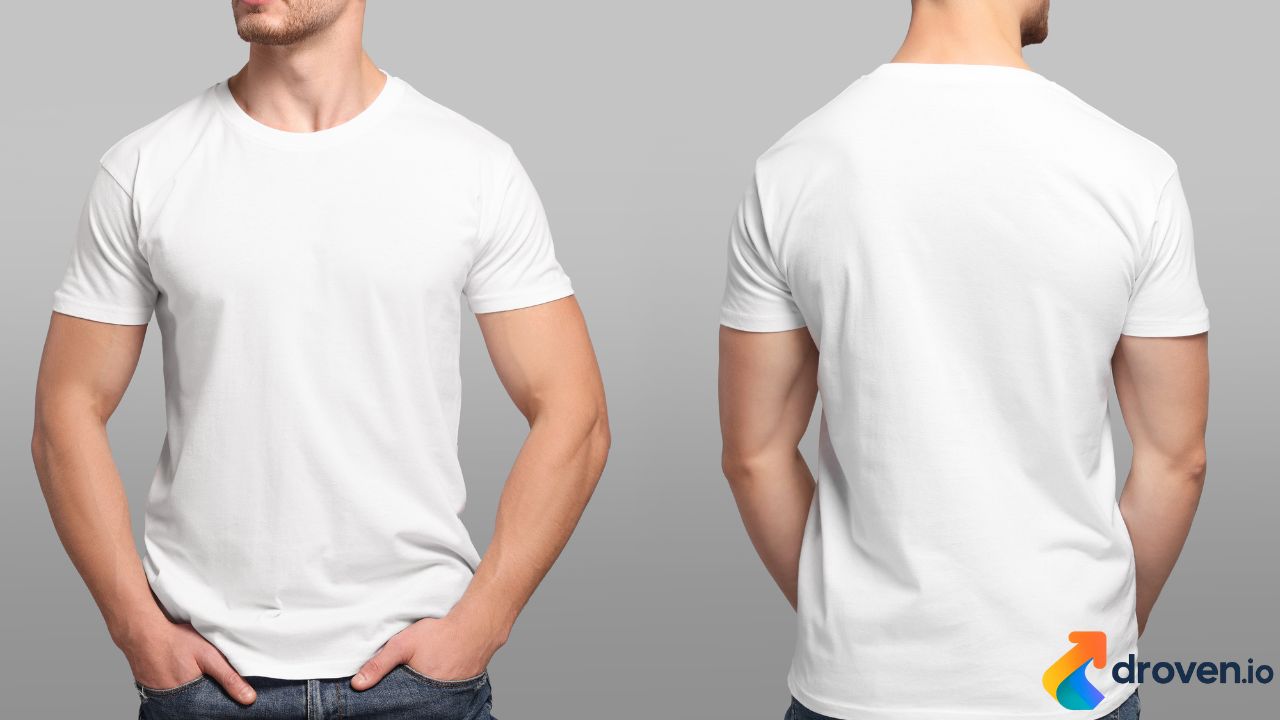
Blank t shirts have become a fundamental part of modern fashion, apparel manufacturing, and custom clothing businesses. From casual everyday wear to branded merchandise and promotional apparel, blank tees provide a versatile and affordable clothing option for individuals and businesses alike. Because of their simplicity and adaptability, blank t shirts are widely used by clothing brands, screen printers, designers, and retail businesses.
These plain garments serve as a base product that can be customized through printing, embroidery, dyeing, or other design techniques. Blank t shirts are available in a wide range of materials, styles, and fits, allowing businesses and consumers to select the option that best suits their needs.
For fashion startups and custom apparel companies, blank t shirts often represent the starting point for creating unique clothing collections. Their affordability and customization potential make them one of the most popular garments in the global apparel industry.
What Are Blank T Shirts?
Blank t shirts are plain shirts without logos, graphics, or printed designs. They are typically manufactured in neutral or solid colors and are sold as basic garments that can be customized or worn as-is.
Most blank t shirts are made from cotton, polyester, or blended fabrics and are designed to provide comfort and durability.
These shirts are commonly used for:
- Custom printing businesses
- Clothing brand merchandise
- Promotional apparel
- Corporate uniforms
- Casual fashion wear
Because they offer a clean canvas for customization, blank t shirts remain a staple product in the apparel market.
Why Blank T Shirts Are Popular
The popularity of blank t shirts continues to grow due to their versatility and affordability.
Customization Flexibility
Blank shirts allow businesses to add custom graphics, logos, or text through various printing methods.
Affordable Apparel Option
Blank tees are generally more affordable than designer clothing, making them accessible to a wide range of consumers.
Minimalist Fashion Trend
Simple clothing styles have become increasingly popular in modern fashion, and blank t shirts fit perfectly within this trend.
Ideal for Branding
Businesses often use blank tees as promotional products or branded merchandise.
These benefits make blank t shirts a practical choice for both consumers and entrepreneurs.
Common Materials Used in Blank T Shirts
The fabric used in blank t shirts greatly influences comfort, durability, and print quality.
Cotton
Cotton is one of the most popular materials for blank tees.
Advantages include:
- Soft texture
- Breathability
- Comfort for everyday wear
Cotton shirts are also ideal for screen printing.
Polyester
Polyester shirts are lightweight and durable.
They are often used for sportswear due to their moisture-wicking properties.
Cotton-Polyester Blends
Blended fabrics combine the softness of cotton with the durability of polyester.
These shirts offer improved wrinkle resistance and longer lifespan.
Tri-Blend Fabric
Tri-blend fabrics combine cotton, polyester, and rayon.
These shirts provide a soft texture and stylish drape.
Choosing the right fabric helps determine the overall quality of blank t shirts.
Types of Blank T Shirts
Blank t shirts are available in several styles and designs.
Crew Neck T Shirts
Crew neck shirts feature a round neckline and are the most common t-shirt style.
V-Neck T Shirts
V-neck shirts provide a more fashionable and slightly formal appearance.
Long Sleeve T Shirts
Long sleeve tees offer additional coverage and are often worn in cooler weather.
Oversized T Shirts
Oversized styles have become popular in streetwear fashion.
Athletic T Shirts
Athletic shirts are made from moisture-wicking materials designed for sports and exercise.
These variations allow buyers to choose the best blank t shirts for their intended use.
Blank T Shirts for Printing and Customization
Blank tees are widely used in the custom apparel industry.
Several printing methods can be applied to blank shirts.
Screen Printing
Screen printing is one of the most common customization methods.
It produces vibrant and durable designs.
Direct-to-Garment Printing (DTG)
DTG printing allows detailed and full-color graphics to be printed directly onto fabric.
Heat Transfer Printing
Heat transfer techniques apply printed designs using heat and pressure.
Embroidery
Embroidery adds stitched logos or text to blank shirts for a premium appearance.
High-quality blank t shirts ensure better printing results and longer-lasting designs.
Blank T Shirts for Clothing Brands
Many fashion brands start their clothing lines using blank t shirts.
These shirts allow designers to focus on branding and design rather than garment manufacturing.
Benefits for clothing brands include:
- Lower production costs
- Faster product launches
- Simplified inventory management
Brands often customize blank shirts with unique graphics or labels to create distinctive apparel.
Choosing the Right Blank T Shirt
Selecting the best blank t shirt depends on several important factors.
Fabric Quality
High-quality fabrics provide better comfort and durability.
Fit and Sizing
Different brands offer various fits such as slim fit, regular fit, or relaxed fit.
Color Options
Neutral colors such as black, white, and gray are commonly used for printing.
Weight and Thickness
Heavier shirts tend to be more durable, while lightweight shirts provide breathability.
Considering these factors helps buyers choose the best blank t shirts.
Popular Brands of Blank T Shirts
Several apparel manufacturers specialize in producing high-quality blank tees.
Commonly known brands include:
- Gildan
- Bella+Canvas
- Next Level Apparel
- Hanes
- Fruit of the Loom
These brands supply blank shirts for both retail and custom printing markets.
Blank T Shirts in Fashion and Streetwear
Minimalist clothing styles have gained popularity in modern fashion.
Blank t shirts often appear in streetwear and casual fashion collections.
Designers sometimes use plain tees with subtle branding to create stylish yet simple clothing.
This trend has increased demand for high-quality blank t shirts in fashion markets.
Care and Maintenance of Blank T Shirts
Proper care helps extend the lifespan of blank t shirts.
Recommended care tips include:
- Washing in cold water
- Avoiding harsh detergents
- Air drying or using low heat settings
- Turning shirts inside out before washing printed designs
Maintaining shirts properly preserves fabric quality and color.
Sustainability and Eco-Friendly T Shirts
The apparel industry increasingly focuses on sustainable production methods.
Eco-friendly blank t shirts may use:
- Organic cotton
- Recycled polyester
- Water-efficient manufacturing processes
Sustainable clothing options appeal to environmentally conscious consumers.
Future Trends in Blank T Shirt Manufacturing
Several trends are shaping the future of blank t shirts.
Sustainable Fabrics
More brands are adopting organic and recycled materials.
Improved Fabric Technology
Advanced fabrics offer better moisture control and durability.
Custom Apparel Growth
The rise of print-on-demand services continues to increase demand for blank shirts.
Ethical Manufacturing
Consumers are increasingly concerned about fair labor practices in garment production.
These trends will likely influence the continued growth of blank t shirts in the global apparel market.
FAQs
What are blank t shirts used for?
Blank t shirts are used for casual wear, custom printing, promotional merchandise, and clothing brand designs.
What fabric is best for blank t shirts?
Cotton is widely preferred for comfort and printing, while polyester blends offer durability.
Are blank t shirts good for printing?
Yes. High-quality blank shirts provide excellent surfaces for screen printing and other customization methods.
How long do blank t shirts last?
With proper care, high-quality blank tees can last several years.
Are blank t shirts suitable for clothing brands?
Yes. Many fashion brands start with blank shirts as the base for custom apparel designs.
Can blank t shirts be eco-friendly?
Yes. Some manufacturers produce blank shirts using organic cotton and sustainable materials.
